7 Things to Know Before Choosing Laminate Countertops for Your Kitchen
Key Takeaways
- Laminate countertops can last up to two decades with proper care and maintenance.
- Heat protection remains essential to prevent surface damage over time.
- Improved edge technology reduces water seepage risks in modern installations.
Introduction
Choosing laminate countertops for a kitchen renovation requires a clear understanding of how the material performs under daily use, especially as modern designs make laminate countertops more visually appealing than ever. Many homeowners now consider laminate as a practical alternative to more expensive surfaces, yet its performance depends heavily on how it is used and maintained. While it offers strong visual flexibility, it behaves differently from natural stone or engineered quartz when exposed to heat, moisture, and impact. Understanding these differences early helps ensure that the selected surface remains functional and consistent over time.
1. Wide Range of Finishes and Textures
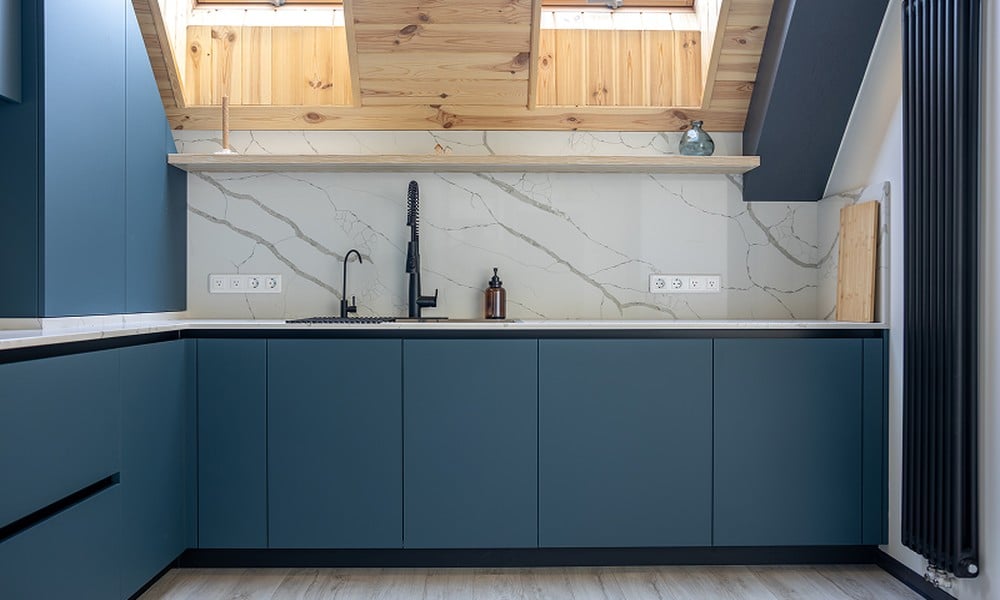
Laminate surfaces offer extensive design flexibility, which allows homeowners to replicate materials such as wood, stone, or concrete without the associated cost. Advances in printing and finishing techniques create textures that closely resemble natural materials, which supports cohesive kitchen design. This range makes it easier to match countertops with cabinetry and flooring choices. The ability to achieve different looks without changing the core material provides both aesthetic and practical advantages.
2. Sensitivity to Direct Heat Exposure
Heat remains one of the most important considerations when using laminate countertops in a kitchen. The surface layer can react to high temperatures, especially when exposed to hot cookware placed directly on it. This reaction may lead to discolouration or surface deformation that cannot be reversed. Using protective items such as trivets helps maintain the integrity of the surface and prevents avoidable damage during regular cooking activities.
3. Surface Durability and Scratch Risk
Laminate provides a durable finish for general use, yet it does not resist sharp objects in the same way as harder materials. Knives or heavy utensils can leave visible marks if used directly on the surface. Unlike solid materials that allow refinishing, laminate does not support repair once the top layer is compromised. Maintaining a consistent habit of using cutting boards helps preserve the surface and extends its usable lifespan.
READ MORE: 9 Different Laminates To Bring Out The Best Of Your Space
4. Importance of Proper Sealing at Joints
Water exposure affects laminate surfaces mainly at the seams, where moisture can penetrate the underlying core. Proper installation plays a critical role in preventing this issue, especially around sinks and edges. High-quality sealing ensures that water does not enter areas where it can cause swelling or structural damage. Attention to these details during installation helps maintain the overall stability of the countertop over time.
5. Hygienic Non-Porous Surface
Laminate countertops offer a non-porous surface that resists moisture absorption, which makes them easier to keep clean in everyday use. This characteristic reduces the likelihood of bacterial buildup, particularly in food preparation areas. Unlike some natural materials, laminate does not require sealing treatments to maintain its hygienic properties. Regular cleaning with mild solutions is sufficient to keep the surface in good condition.
6. Simple and Efficient Maintenance Routine
Maintaining laminate surfaces does not require specialised products or complex routines. A basic cleaning approach using a damp cloth and mild detergent helps remove everyday residue without damaging the finish. This simplicity makes laminate a practical option for households that prefer low-maintenance solutions. Consistent care ensures that the surface retains its appearance without additional effort.
7. Cost Efficiency Across Renovation Budgets
Laminate remains one of the more accessible options for kitchen surfaces, which allows homeowners to allocate resources to other elements of the renovation. This flexibility supports balanced budgeting, especially when prioritising appliances or cabinetry. Despite its lower cost, laminate still delivers a wide range of design options that meet modern aesthetic expectations. Choosing this material allows homeowners to achieve a cohesive look without exceeding budget constraints.
Conclusion
Laminate countertops combine visual versatility with practical considerations that suit many kitchen environments. When homeowners understand how the material responds to heat, moisture, and everyday use, they can maintain its performance over time. Careful selection and proper handling ensure that the laminate continues to meet both functional and design needs throughout its lifespan.
Contact Jennings Tradings Enterprise to explore laminate countertops that match your kitchen renovation plans.


Anthony M. Salvatori is President of Steadfast Painting Solutions. He has 20 years of painting experience and has been operating his own company for nine years. Salvatori is proud to be leading such an incredible team of individuals with the common goal of providing excellent service and quality.