
How Nearby Dining and Cultural Hotspots Influence Property Appeal
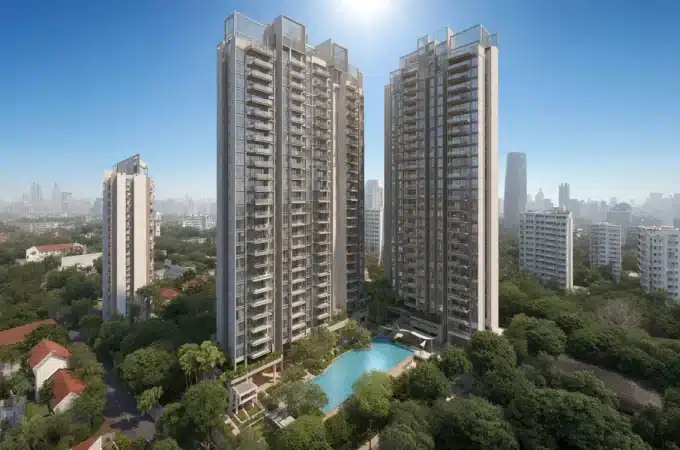
A neighbourhood’s character rarely comes down to the buildings alone. It’s the hawker stall on the corner, the weekend art market, the row of restaurants people actually queue for on a Friday night that give a location its pull. Dorset Gardens sits within a pocket known for exactly this kind of texture, where food and culture shape daily life as much as the architecture does.
Buyers scanning listings often focus on unit specifications first and neighbourhood character second, but that ordering tends to flip once they actually move in. A quiet stretch of road with nothing nearby loses its shine fast, no matter how polished the interior finishes turned out.
Local Eateries Build Daily Routine
A reliable coffee spot or neighbourhood zi char joint within walking distance becomes part of someone’s weekly rhythm faster than most buyers expect during a viewing. These small routines matter more than a single standout restaurant, since daily convenience beats an occasional special occasion meal in shaping how a place actually feels lived in.
Residents who settle into a neighbourhood with strong local eateries nearby often describe a sense of belonging that harder to define amenities can’t quite match. Recognizing the auntie at the noodle stall chatting with the same barista weekly these small interactions add up to genuine attachment over time.
Cultural Venues Draw Consistent Foot Traffic
Museums galleries and performance spaces bring a different kind of energy to a neighbourhood attracting visitors who might otherwise never pass through. This foot traffic supports surrounding businesses indirectly creating a livelier atmosphere than a purely residential stretch with nothing pulling outsiders in occasionally.
Property near Clovelle of Woodlands benefits from this same dynamic whenever cultural programming nearby draws steady interest from beyond the immediate residential population. That sustained interest keeps local businesses viable, which in turn keeps the neighbourhood feeling active rather than sleepy after dark.
Weekend Markets Add Neighbourhood Character
A recurring weekend market, whether for produce, crafts, or street food, gives residents a reason to step outside and mingle rather than staying cooped up indoors scrolling a phone. These gatherings build familiarity between neighbours in a way that formal community events rarely manage on their own.
Dynamic vendor rotations keep local markets fresh giving resident a reason to return regularly for new finds. This unpredictability keeps the experience fresh encouraging residents to actually participate rather than treating it as background scenery they walk past without stopping.
Dining Variety Reduces Repetition Fatigue
Living somewhere with a genuine spread of cuisine options, not just three coffee shops serving similar fare, keeps weekly meal planning from becoming monotonous fast. Variety matters more than people admit until they’ve spent months eating the same three options simply because nothing else sits within easy reach.
Neighbourhoods offering everything from hawker fare to casual Western bistros to specialty ethnic cuisine give residents genuine choice without needing to travel far. That range turns a simple dinner decision into something residents look forward to rather than a chore solved by default habit.
Nightlife Options Shape Evening Appeal
Bars late night cafes and casual hangout spots extend a neighbourhood usable hours well past the typical dinner rush. Residents working irregular hours or simply wanting a low key evening out benefit from having options nearby rather than needing to travel across town for anything past nine at night.
This evening liveliness also signals safety indirectly since street with activity after dark tend to feel more secure than empty stretches with shuttered storefronts. A neighbourhood that stays gently active into the evening offers a different often more reassuring feel compared to one that empties out entirely by sunset.
Walkable Amenities Drive Active Communities
Walkable dining and entertainment erase the friction that kills spontaneous plans. Deciding to grab dinner with a neighbor or check out a local gallery takes zero effort when it requires no driving, parking, or traffic headaches.
This spontaneity adds a texture to daily life that’s hard to quantify but easy to notice once it’s missing. Residents in well positioned neighbourhoods often describe more frequent, casual social interactions simply because the barrier to meeting up shrinks considerably when everything sits close by.
Conclusion
A neighbourhood’s dining and cultural offerings shape daily satisfaction in ways that go beyond what shows up in a property listing’s bullet points. Routine, spontaneity, and a genuine sense of belonging all trace back partly to what sits within comfortable walking distance.
Buyers weighing their options should spend time actually exploring a neighbourhood on foot, not just reviewing floor plans and specification sheets. That local texture, easy to overlook during a rushed viewing, often ends up mattering more than expected once the moving boxes are finally unpacked.