How Can Indianapolis Homeowners Stop Pest Infestations? Pointe Pest Control Indianapolis Offers an Inspection-First Plan
How Can Indianapolis Homeowners Stop Pest Infestations? Pointe Pest Control Indianapolis Offers an Inspection-First Plan Key Takeaways
- Stopping recurring pest activity starts with identifying the pest and finding the conditions that support it.
- Food, moisture, clutter, standing water, and small exterior gaps can all contribute to pest problems.
- Inspection, prevention, targeted treatment, and follow-up work together more effectively than a one-size-fits-all approach.
- Professional assessment is especially helpful when activity is hidden, widespread, recurring, or difficult to identify.
Indianapolis homeowners can reduce pest problems by identifying the pest, locating likely entry points, removing food and water sources, and choosing a plan that fits the property. A professional local pest control service centered on inspection, pest identification, treatment planning, and practical prevention guidance, such as Pointe Pest Control Indianapolis, provides residential and commercial pest services tailored to the Indianapolis area. A pest seen in the kitchen, basement, attic, or bathroom may be only the visible part of the issue. Droppings, nesting material, eggs, moisture, damaged screens, or openings around pipes can indicate activity taking place out of sight. A careful inspection helps homeowners move beyond temporary fixes and focus on the likely source.
In Indianapolis, changing seasons, landscaped yards, garages, basements, and nearby outdoor areas can create opportunities for pests to find shelter, water, and access to a structure. Small gaps around doors, windows, utility lines, rooflines, foundations, and vents can be enough for certain pests to enter or travel through a home. For homeowners and business owners, the most useful response is usually an early, clear assessment rather than repeated trial-and-error treatments. Pointe Pest Control’s Indianapolis office is located at 5603 W. Raymond St., Suite G, Indianapolis, IN 46241. Local service inquiries can be directed to (317) 767-1299. Homeowners who want support beyond a single visible pest can contact Pointe Pest Control to discuss an inspection and receive guidance based on the conditions found at the property.
Why Do Pest Problems Return?
Pests often return when the conditions that attracted them remain in place. A treatment may address active pests, but recurring activity can continue if food is accessible, water leaks persist, clutter provides shelter, or the same entry point remains open. That is why effective pest management considers both the pest and the property.
What Does an Inspection-First Pest Control Plan Include?
Identifying the Pest
Different pests require different responses. Ants, roaches, rodents, bed bugs, spiders, mosquitoes, and stinging insects do not share the same habits, hiding places, or treatment needs. An inspection can look for live activity, damage, droppings, webs, nesting areas, moisture concerns, and other signs that help identify the problem accurately.
Locating Activity and Entry Points
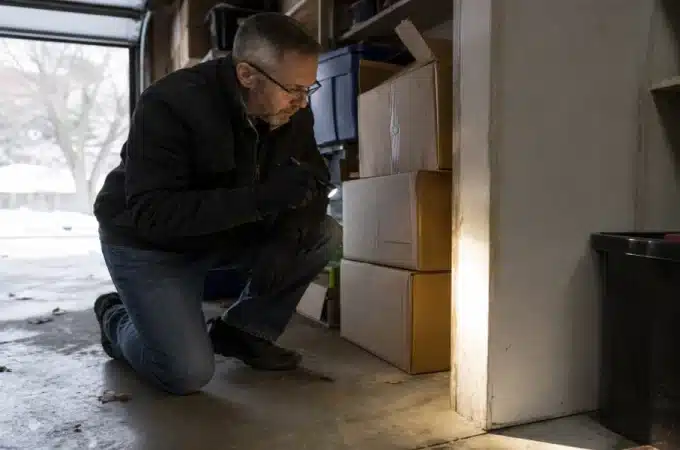
A technician can also assess where pests may be entering or nesting. This may include foundation cracks, gaps around pipes, damaged window screens, door thresholds, attic vents, rooflines, wall voids, and areas near exterior utility lines. Pointe Pest Control can use those findings to shape recommendations for treatment and prevention.
Which Pest Problems May Need Professional Attention?
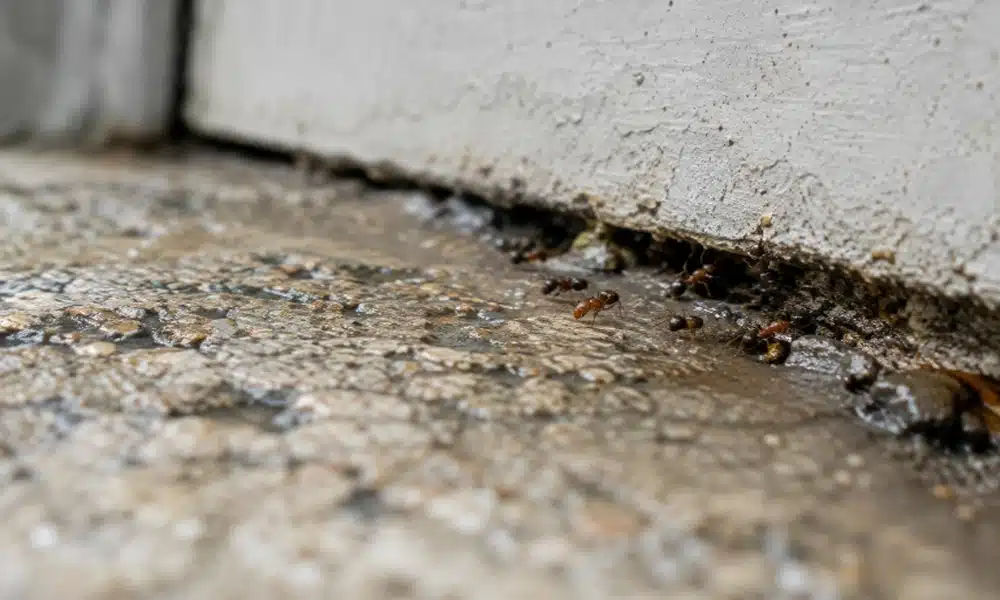
- Ants: Trails near food or water, soil mounds, or winged ants indoors can indicate a need for closer evaluation.
- Bed bugs: Dark spotting, shed skins, live insects, or signs around sleeping areas call for prompt inspection and a specialized plan.
- Roaches: Droppings, egg cases, odors, and nighttime activity often suggest pests are using hidden areas for shelter.
- Rodents: Droppings, gnaw marks, nesting material, damaged packaging, or sounds in walls and ceilings should not be ignored.
- Spiders: Recurring webs, egg sacs, and activity around windows or exterior lighting may point to conditions that attract insects and spiders.
- Mosquitoes: Persistent outdoor activity can be linked to standing water in containers, gutters, plant trays, or low areas.
- Wasps and bees: Repeated activity near eaves, doors, wall openings, or nests warrants caution and species-appropriate planning.
Why Prevention Matters After Treatment
Prevention helps make treatment more durable. Following preventive measures for controlling pests recommended by the U.S. Environmental Protection Agency, homeowners can reduce the food, water, and shelter pests need by sealing food, removing garbage, fixing leaks, eliminating standing water, and closing off entryways and hiding places. These practical steps can support professional service.
- Seal cracks, crevices, and gaps around the structure.
- Keep food in closed containers and clean crumbs or spills promptly.
- Repair plumbing leaks and address excess indoor moisture.
- Remove standing water from containers, gutters, and yard features.
- Reduce clutter in basements, garages, attics, and storage areas.
- Maintain door sweeps, screens, windows, and exterior seals.
How Does a Prevention-Based Approach Work?
A prevention-based plan connects inspection findings with sanitation, exclusion, monitoring, and targeted treatment. This approach is consistent with integrated pest management principles, which emphasize preventing pest access and reducing conditions that allow pests to thrive. Treatment decisions should account for the pest, the location of activity, the level of infestation, and household needs, including children and pets.
When Should Indianapolis Homeowners Call?
Professional help may be the practical next step when pests keep returning after do-it-yourself efforts, activity appears in multiple rooms, rodents leave signs in hidden areas, bed bug evidence is found near sleeping spaces, or stinging insects are entering the home. It is also wise to schedule an inspection when the source is unclear or when a homeowner cannot safely reach a nest or suspected entry point.
How Should You Prepare for a Pest Control Visit?
- Note when the activity started and where it occurs.
- Take a clear photo if it can be done safely.
- Point out leaks, cracks, damaged screens, or recent construction.
- Keep children and pets away from areas that may need treatment.
- Ask what preparation, reentry, follow-up, and prevention steps apply to your service plan.
Get a Clear Plan for Your Property
Recurring pests are easier to address when the response is based on what is actually happening at the property. Indianapolis homeowners can call Pointe Pest Control at (317) 767-1299 for an inspection or free estimate, learn which conditions may be contributing to the issue, and receive a plan designed around the pest activity they are experiencing.
Conclusion
Recurring pest problems usually require more than just treating the visible pest. Identifying the species, determining where activity is occurring, and addressing food, moisture, clutter, and entry points can help homeowners address the conditions that allow pests to return. Regular maintenance and prevention can also make professional treatments more effective and help catch new activity earlier. For Indianapolis homeowners, an inspection-based approach provides a practical way to understand what is happening on the property and determine which steps make sense next. Whether the issue involves ants, rodents, bed bugs, roaches, mosquitoes, or other pests, a clear plan can help protect the home and reduce repeated pest concerns over time.