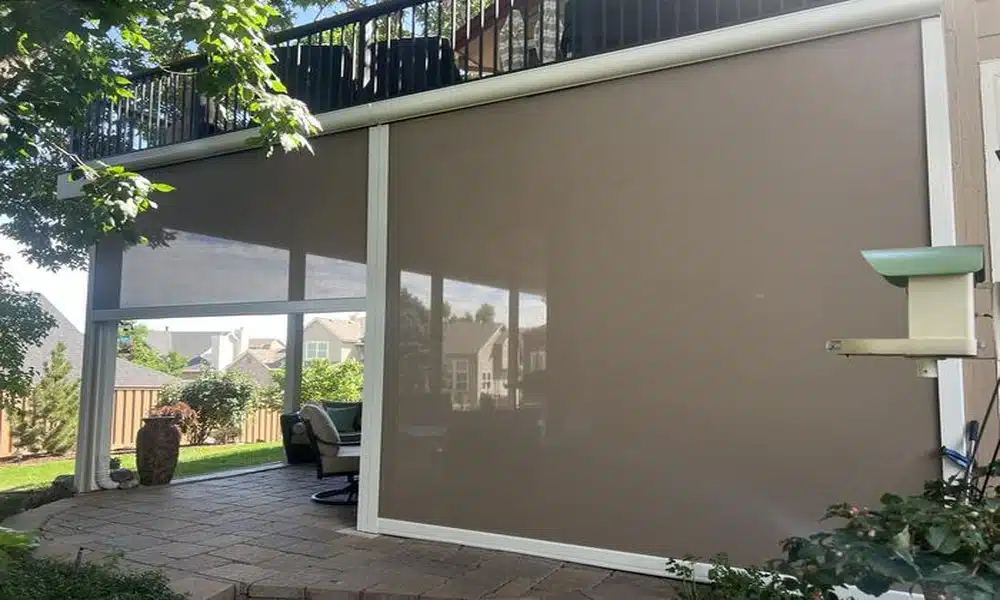
Motorized Screens Can Help Create an Outdoor Space for More Than One Season
Denver homeowners often design patios and covered outdoor areas around the idea of spending more time outside. The reality is that the same space can feel completely different as sunlight, temperatures, insects, and weather conditions change. Rather than treating a patio as either completely open or permanently enclosed, Motorized Screens give homeowners another option. Retractable screening can change how exposed the space feels while allowing the original open-air environment to return whenever conditions are comfortable.
Homeowners exploring Motorized Screens in Denver can start by thinking about when their outdoor space becomes difficult to use. The best configuration depends on more than the dimensions of the patio. Sun direction, surrounding landscaping, nearby properties, existing shade, and the activities that normally take place outside can all influence where screens may provide the most value.
Design Around the Hours You Actually Spend Outside
Before choosing screens, homeowners can spend a few days paying attention to how the patio changes.
A space used primarily for breakfast has different requirements from one where the family gathers after work. Likewise, homeowners who entertain on weekend evenings may experience conditions that are not noticeable during the middle of the day.
Identify when the patio feels least comfortable.
Perhaps glare reaches the outdoor television at a particular hour. Maybe insects become noticeable around dinner, or one side of the patio receives direct sunlight just as everyone begins using the seating area.
Planning around these specific situations can produce a more purposeful setup than screening every opening simply because it is available.
Covered Patios Can Still Need Side Protection
An overhead roof solves only one part of outdoor exposure.
Even beneath a covered patio, lower-angle sunlight can enter through open sides. Wind may carry leaves and debris into space, while insects have unrestricted access.
Vertical screening can complement the protection already provided by the roof.
Depending on the material chosen, screens may help reduce direct sunlight and glare while maintaining airflow and outward visibility. When insects are the main concern, screening creates an additional barrier around the living area.
This makes retractable screens particularly relevant for homeowners who already have an attractive covered patio and do not want to replace it with a fully enclosed addition.
Make Outdoor Entertaining Easier to Set Up
Hosting people outside often involves preparing for conditions that cannot be completely controlled.
Homeowners may rearrange furniture to escape the sun, move food indoors when insects become bothersome, or abandon an outdoor seating area when glare becomes uncomfortable.
Motorized Screens can make the environment easier to adjust before guests arrive.
Instead of attaching temporary panels or moving everything to another part of the property, homeowners can lower screens around selected openings. If conditions improve later, the screens can retract again.
The patio remains fundamentally an outdoor space, but homeowners have more control over how exposed it is during a gathering.
Preserve Views When Conditions Are Good
Denver and the surrounding region offer scenery that homeowners may not want to hide behind permanent screening.
A backyard might overlook landscaping, mature trees, open spaces, or distant mountain views. Fixed screens remain in front of those views even on days when screening provides little practical benefit.
Retractable systems solve that problem differently.
When raised, the screen material moves away from the primary opening and restores a more direct visual connection with the backyard. When additional coverage becomes useful, it can be lowered again.
This ability to preserve the view is one of the reasons homeowners may prefer retractable screening over permanently enclosing a porch or patio.
Think Carefully About Screen Material
Choosing a screen involves more than selecting a color.
Different materials can create different balances among visibility, airflow, privacy, insect protection, and solar control. Homeowners should decide which of these characteristics matters most before comparing specific options.
A patio with an attractive view may call for material that emphasizes outward visibility. Another space facing a neighboring property might prioritize privacy.
A west-facing opening that receives strong afternoon sunlight presents another set of priorities.
There may not be one screen material that maximizes every characteristic at once, so identifying the main purpose of the installation helps narrow the choices.
Use Screening to Create Temporary Privacy
Privacy is not necessarily something homeowners need every hour of the day.
A patio may feel perfectly comfortable while the backyard is quiet but more exposed when neighbors are outside or when people are walking nearby.
Retractable Motorized Screens allow privacy to become adjustable rather than permanent.
Depending on the material selected and surrounding lighting conditions, lowering a screen can create greater visual separation around a seating or dining area.
Later, homeowners can retract it and reopen the space.
This approach can be useful when homeowners want occasional privacy without installing permanent walls, fencing, or other features that continuously change the view.
Large Patio Openings Make Motorization Practical
Contemporary outdoor spaces can include wide openings between structural columns.
A screen spanning one of these openings can be substantial, which makes convenient operation particularly important.
Motorization allows homeowners to adjust large screens without manually handling the material each time conditions change.
That ease of operation can influence how frequently the screens are actually used.
A homeowner may lower one screen when afternoon sunlight reaches the patio, adjust another during dinner, and retract both when the space becomes comfortable again.
When adjustment requires minimal effort, the system can respond more naturally to everyday routines instead of remaining in one position.
Plan Around Existing Outdoor Features
A patio may already contain several permanent or semi-permanent features before screens are added.
Outdoor kitchens, grills, fireplaces, televisions, ceiling fans, lighting, speakers, doors, and furniture can all influence installation.
Screen tracks need clear operating paths. Housing placement should also account for structural columns, trim, and other architectural details.
Electrical access is another consideration for motorized operation.
Evaluating these elements before ordering the system helps avoid conflicts later. It also gives homeowners an opportunity to consider how visible components will coordinate with the existing exterior.
A successful installation should feel integrated with the space rather than added around it.
Denver Weather Makes Proper Operation Important
Adjustable outdoor products need to be used with changing weather in mind.
Denver can experience rapidly changing conditions, including periods of strong wind. Exterior screens should not be treated as structural walls capable of remaining extended regardless of weather.
Homeowners need to understand the manufacturer’s operating guidelines for the specific system installed.
Knowing when to retract screens can help reduce unnecessary stress on the fabric, tracks, housing, and motor.
Regular visual checks are worthwhile too. Tracks should remain clear, and unusual movement or noises during operation should be addressed instead of forcing the screen to continue moving.
Custom Measurements Can Improve the Finished Result
Even patios that appear similar can have meaningful structural differences.
Opening widths and heights vary, while columns, trim, mounting surfaces, and roof configurations can affect how a screen system needs to be installed.
Custom measurements allow the screens to be designed around those existing conditions.
This can reduce unnecessary gaps and help housings and tracks fit more naturally within the architecture.
Homeowners should also think about how the installation looks when the screens are retracted. Since that may be their default position during pleasant weather, the stored system should coordinate with the patio just as thoughtfully as the extended screens.
Get More Choices From the Patio You Already Have
An outdoor improvement does not always need to transform the patio permanently. Sometimes the most useful upgrade is one that gives homeowners more choices. Motorized Screens allow a covered outdoor area to remain open when conditions are pleasant and provide additional screening when sunlight, insects, or privacy concerns begin affecting the experience.
For homeowners considering Motorized Screensin Denver, Conservation Screens and Awnings of Denver can help evaluate existing openings and determine a configuration suited to the property’s layout and intended use. With thoughtful planning, retractable screening can make a patio more responsive to changing conditions without taking away the openness that made the space appealing in the first place.