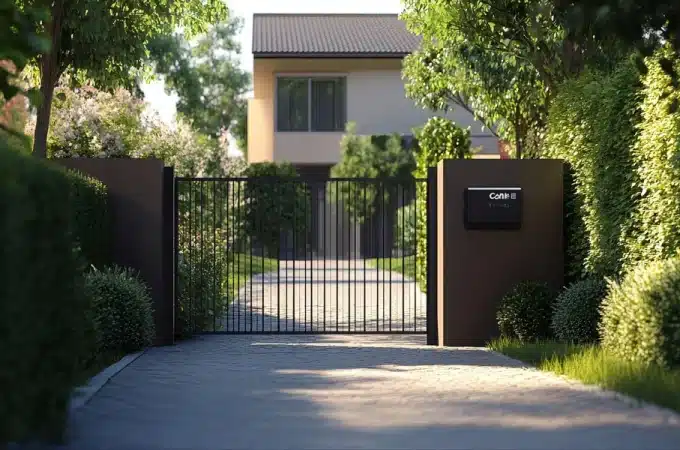

Stop Home Break-ins Before They Happen: Deterring Intruders with Monitored Alarms
Most homeowners don’t think seriously about security until something has already gone wrong. It’s usually a smashed back door. Missing electronics. A police report filed after the damage is done—and by then, it’s too late to change much.
But real home protection has to start earlier, long before forced entry becomes a reality.
That’s why monitored alarm systems change the whole equation. They’re built to discourage intrusion before a burglar commits to the break-in. In places like Dallas, where property crime often targets homes with weak perimeter security and predictable schedules, having visible alarm infrastructure can make a property a much less attractive target. Homeowners researching providers like https://paceprotections.com/dallas/alarm-company/ are shifting their focus toward prevention instead of dealing with the aftermath.
Research keeps pointing in the same direction: burglars look for easy opportunities. In studies that involved convicted offenders, around 83% said they checked for alarm systems before trying a break-in. Roughly 60% also said they’d abandon the target if they found security measures in place.
How Do Monitored Alarms Deter Break-ins?
A monitored alarm system sets up fast communication between the security devices, the monitoring center, and emergency response actions. When perimeter alarms trigger—whether it’s a perimeter sensor, motion detection, or a glass break sensor—monitoring personnel can validate the incident and start dispatch processes right away. That happens before a criminal has much time to get deeper into the home or access valuable areas inside the premises.
Layered Defense: Beyond the Basic Siren
A loud siren still matters. But modern residential security depends on layered detection, not just a single response.
- Perimeter sensors are focused on the places intruders usually try first—doors, windows, and garage access points. If forced entry is attempted, the system reacts immediately rather than waiting for interior movement.
- Glass break detectors pick up the acoustic signature of shattered windows. This is especially important during “smash-and-grab” burglaries, when criminals often bypass locked doors entirely.
- Motion sensors add another layer, too. Once movement inside is confirmed, the system can trigger verified alarm protocols that improve emergency prioritization.
- Professional systems also support dual-path communication. Signals can go through broadband plus cellular backup. That means monitoring stays active if internet service fails—or if it gets intentionally cut.
That’s a big difference compared to low-cost DIY setups.
DIY vs. Professionally Monitored Systems
| Response Logic | Depends on the homeowner checking notifications | Automatic Central Station alert |
| Connectivity | Wi-Fi dependent | Cellular backup + battery redundancy |
| Emergency Dispatch | The user has to contact authorities | Trained operators coordinate escalation |
| Power Outage Protection | Limited | Battery-supported continuity |
| Insurance Incentives | Rarely eligible | Often qualifies for premium discounts |
| False Alarm Reduction | Higher risk from user error | Professional calibration and verification |
False alarms are a serious issue in residential security. Poor sensor placement and mistakes during installation can lead to unnecessary dispatches. Research from Arizona State University’s Center for Problem-Oriented Policing identified user mistakes and weak installation practices as major contributors.
So system design matters as much as the equipment itself.
The Human Element Still Matters
Push notifications help, but they aren’t enough on their own. If someone’s asleep, away from home, or unable to respond quickly, a self-monitored system still leaves gaps.
Self-monitored setups assume the homeowner will see the alert, confirm the threat, and contact authorities right away. In real life, that doesn’t always happen the way it sounds on paper.
Professional monitoring brings human oversight during those stressful moments. Central station operators follow verification procedures, watch sensor sequences, and coordinate dispatches as the event unfolds.
And professional installation improves coverage integrity. Technicians understand line-of-sight limitations, environmental interference, sensor sensitivity, and the actual vulnerabilities at entry points. Homeowners looking for experienced installers through resources like paceprotections.com/dallas/alarm-company often prioritize reliability over flashy app features, because weak placement creates blind spots.
In security work, gaps matter.
Statistical Reality of Home Security
The data around monitored alarm lines up more often than people expect.
Studies involving incarcerated burglars showed that visible alarms, surveillance devices, and signs of active monitoring affected target selection. Homes without visible alarm systems were also reported as being more likely to experience burglary attempts in an industry-backed analysis.
There’s also the “90-second rule” many security professionals talk about. Most residential intruders want quick access, fast theft, and an immediate exit. Once a siren activates and monitoring begins, dwell time drops.
In many cases, burglars leave before they can gather valuables because the risk changes instantly. Evidence from offender interviews repeatedly shows intruders avoid staying exposed after alarm activation.
The point isn’t confrontation. It’s an interruption.
Frequently Asked Questions
Do monitored alarms work during power outages?
Yes—when the system includes battery backup and cellular communication. Professionally monitored systems are usually designed with redundancy, so protection continues even during electrical failures.
Can monitored alarms reduce homeowners’ insurance costs?
In many cases, yes. Insurance carriers often offer discounts for professionally monitored systems because monitored homes tend to show lower burglary risk and reduced loss exposure.
What’s the difference between monitored and unmonitored alarms?
An unmonitored system only sounds locally or sends phone notifications. A monitored system connects to a 24/7 central station that can verify alarms and coordinate emergency response even when the homeowner isn’t able to respond.
Final Thoughts
The best security systems don’t wait for crime to happen. They influence what comes before entry occurs.
That’s the real advantage of monitored alarms. They introduce uncertainty for the intruder, shrink the decision window, and increase the likelihood of rapid response. When paired with perimeter security, smart sensor placement, cellular backup, and professional monitoring, they create a property that criminals would rather avoid.
In residential security, deterrence is often the safest outcome available.


Benjamin Ortiz is a digital marketing expert. He currently runs an SEO agency and a survival gear review blog.