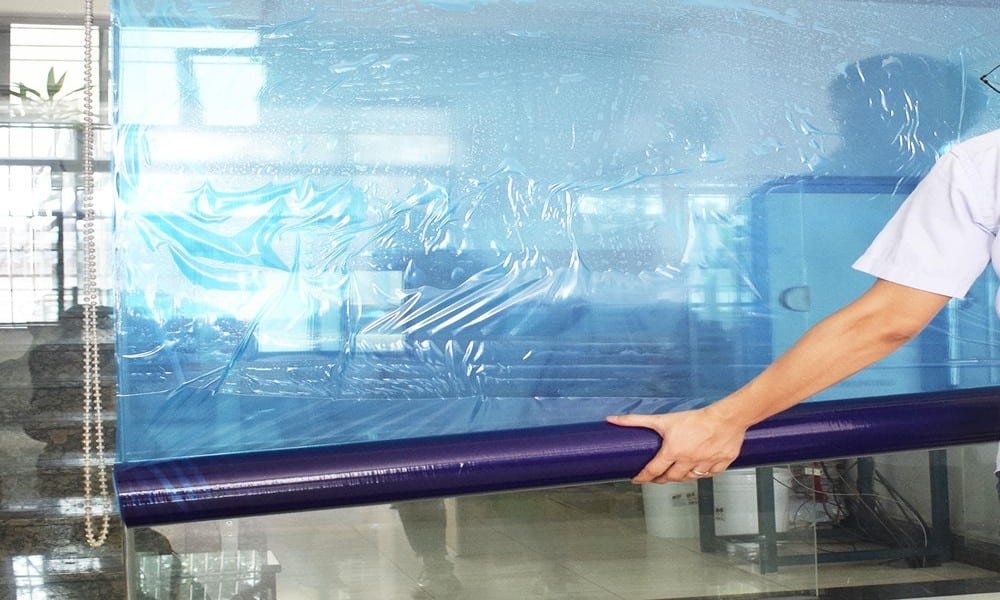
Temporary Protective Films for Windows During Construction and Renovation
Temporary window protection films have become a vital solution in today’s construction and renovation environments.
Whether in residential remodeling or large-scale commercial developments, windows are among the most vulnerable surfaces on-site. Constant exposure to dust, debris, tools, chemicals, and human activity increases the risk of scratches, stains, and costly damage.
Applying temporary window protection film is a simple yet highly effective way to safeguard these critical surfaces throughout the project lifecycle.
Why Windows Need Protection During Construction
Construction environments are inherently harsh. Even minor incidents can lead to visible damage on glass surfaces. Common risks include:
- Scratches from tools, ladders, or materials
- Paint splatter, plaster, or chemical spills
- Dust, dirt, and debris accumulation
- Fingerprints and handling marks
- Impact from moving equipment
Without protection, these issues can lead to expensive repairs, delays, or even full window replacement. Protective films help eliminate these risks by creating a durable shield over the glass.
Key Benefits of Temporary Window Protection Films
1. Prevent Surface Damage
The primary function of protective film is to guard against scratches, abrasions, and accidental impacts. It ensures that windows remain in pristine condition from installation to project completion.
2. Protection from Paint and Chemicals
During painting, sealing, or coating processes, windows are highly susceptible to splashes and chemical exposure. Glass protective films act as a waterproof barrier, preventing substances from bonding to the glass surface.
3. Reduced Cleaning Time
Construction sites generate significant dust and debris. With protective film in place, cleanup becomes effortless-simply peel off the film to reveal a clean, finished surface. This can dramatically reduce post-project labor costs.
4. Improved Work Efficiency
Workers can operate more freely without worrying about damaging exposed glass. This improves workflow efficiency and speeds up project timelines, especially in high-traffic renovation areas.
5. Residue-Free Removal
High-quality films are engineered for clean removal. They maintain strong adhesion during use but peel off easily without leaving sticky residue or marks, ensuring a flawless final presentation.
6. Maintains Natural Light
Unlike traditional coverings, transparent protective films allow natural light to pass through. This keeps interior spaces well-lit, improving visibility and maintaining a comfortable working environment.
7. Cost Savings and Risk Reduction
By preventing damage and minimizing rework, protective films significantly reduce overall project costs. They also help avoid disputes with clients over damaged finishes and enhance overall project quality.
Types of Temporary Window Protection Films
Different projects require different types of protection. Common options include:
- Standard adhesive films: Ideal for general scratch and dust protection
- UV-resistant films: Protect interiors from sun exposure and heat
- Impact-resistant films: Provide added strength against accidental hits
- Privacy or frosted films: Maintain confidentiality in occupied buildings
Selecting the right type depends on environmental conditions, project duration, and the level of protection required.
Application and Removal
Temporary window films are designed for easy installation. Typically, the surface is cleaned, the film is applied using light pressure or a squeegee, and air bubbles are smoothed out. Proper application ensures strong adhesion and optimal protection.
At the end of the project, the film can be peeled away quickly without tools or solvents. This ease of removal is a major advantage compared to traditional protection methods like tapes or boards.
Conclusion
Temporary protective films for windows are a small investment with significant returns. They protect against damage, improve efficiency, reduce cleanup time, and ensure a high-quality finish at project completion.
In today’s fast-paced construction and renovation environments, these films are no longer optional-they are a best practice for delivering professional, damage-free results.