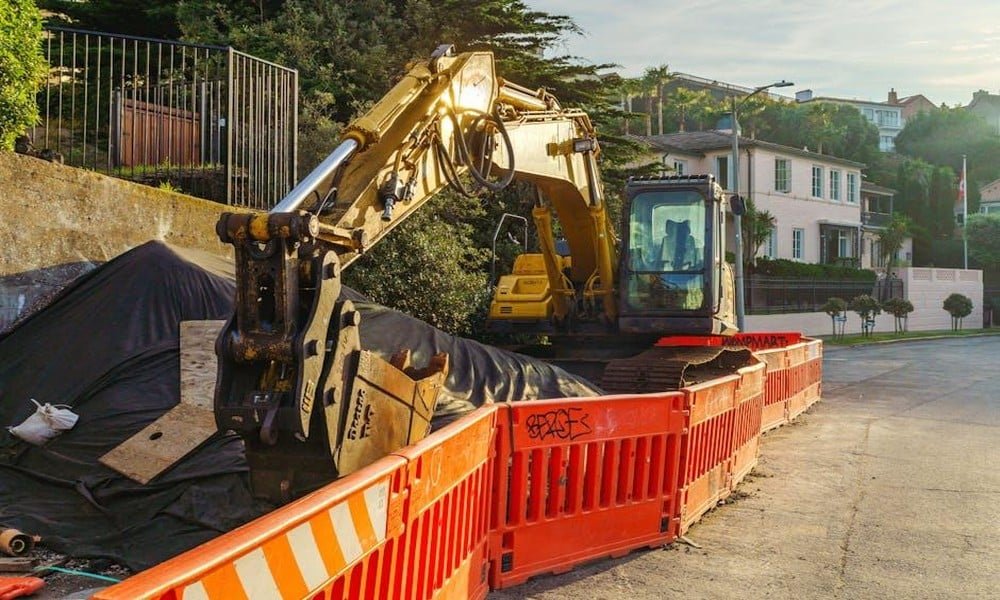
The Importance of Professional Drain and Sewer Maintenance
Understanding No-Dig Sewer Replacement Technology
The thought of a damaged sewer line can be daunting. We often picture extensive digging, ruined yards, and high costs. However, modern solutions offer a less disruptive path.
No-dig, or trenchless, sewer line replacement has changed how we approach these critical repairs. It provides effective fixes without tearing up your property.
In this comprehensive guide, we will break down the true costs of trenchless sewer line replacement. We will explore how these innovative methods work, compare their expenses to traditional digging, and identify the key factors affecting your final bill. Understanding these options is vital for smart home maintenance. We also emphasize the importance of professional Sewer maintenance and no-dig repair to prevent costly issues before they start.
When a sewer line fails, the traditional approach has long involved extensive excavation, disrupting landscapes, driveways, and sometimes even foundations. This method, while effective, can be costly and inconvenient. Fortunately, the advent of “no-dig” or trenchless sewer replacement technology has revolutionized how these critical repairs are performed. These innovative methods allow for comprehensive pipe rehabilitation and replacement with minimal disruption to your property.
At its core, trenchless sewer line replacement focuses on repairing or replacing damaged pipes from within, or by pulling new pipes through existing pathways, rather than digging a long trench along the entire sewer line. This approach significantly reduces the time, labor, and property restoration costs associated with traditional methods.
There are several primary types of trenchless sewer repair methods, each suited to different types of damage and pipe configurations:
- Cured-in-Place Pipe (CIPP) Lining:This technique involves inserting a flexible, resin-saturated felt tube into the existing damaged pipe. Once in place, the liner is inflated and then cured using hot water, steam, or UV light. The resin hardens, creating a new, seamless “pipe within a pipe” that is durable and long-lasting. This method effectively seals cracks, fills gaps, and prevents root intrusion, restoring the structural integrity of the old pipe. For a deeper dive into this specific technology, you can explore resources like what is cured-in-place pipe cipp lining sewer line rehabilitation 101.
- Pipe Bursting: When a pipe is severely damaged, collapsed, or needs to be upsized, pipe bursting is often the preferred method. This process involves pulling a new, high-density polyethylene (HDPE) pipe through the old one. A conical bursting head is attached to the new pipe, which fractures the old pipe outwards as it’s pulled through, simultaneously laying the new pipe in its place. This method typically requires small access points at either end of the sewer line, but no continuous trench.
- Spray Lining/Brush Coating: This method is generally used for smaller diameter pipes or less severe damage, such as minor leaks or corrosion. It involves spraying an epoxy, resin, or polymer coating onto the inside walls of the existing pipe. This coating hardens to create a smooth, durable surface, sealing leaks and preventing further deterioration. It’s a highly non-invasive technique that can extend the life of aging pipes.
The benefits of these no-dig methods are manifold. They offer non-intrusive access, meaning your landscaping, driveways, patios, and other hardscapes remain largely untouched. This preserves property value and significantly reduces the time and expense of post-repair restoration. Furthermore, the materials used in trenchless repairs, such as epoxy resin and HDPE, are known for their exceptional durability and long lifespans, often rated for 50 years or more, ensuring long-term structural integrity for your sewer system.
While trenchless methods offer significant advantages, it’s important to understand when they are a viable option. Severely collapsed pipes, significant grade changes, or very sharp bends can sometimes preclude trenchless solutions, making a thorough initial assessment crucial. For more information on whether this approach is right for your situation, you can refer to an article discussing What Is a No-Dig Trenchless Sewer Repair and Is It Worth It?
Cost Analysis of Drain and Sewer Maintenance and Repair
Understanding the financial implications of sewer line repair is a critical step for any homeowner. While the initial sticker shock of a trenchless repair might seem higher than a traditional dig, a comprehensive cost analysis often reveals significant long-term savings. The key is to consider the total project cost, which includes not just the plumbing work, but also any necessary property restoration.
Let’s break down the typical cost ranges for both traditional and trenchless sewer line replacement methods.
Method Cost Per Linear Foot Average Project Cost (Typical Residential) Additional Costs (Restoration, etc.) Total Potential Cost Traditional Dig-and-Replace $50 – $250 $4,000 – $13,000 $500 – $12,000+ (landscaping, driveway) Up to $25,000+ Trenchless Pipe Lining (CIPP) $80 – $250 $6,000 – $12,000 Minimal $6,000 – $20,000 Trenchless Pipe Bursting $60 – $200 $6,000 – $12,000 Minimal $6,000 – $20,000 Small-Scale Pipe Lining N/A $3,000 – $4,000 Minimal $3,000 – $4,000 Note: These figures are averages and can vary significantly based on location, pipe length, depth, material, and specific contractor rates. Costs are reflective of 2025/2026 pricing guides.
As the table illustrates, the per-linear-foot cost for trenchless methods often falls within a similar, or sometimes slightly higher, range than traditional digging for the plumbing work itself. However, the significant difference emerges when factoring in the costs of repairing your property after a traditional excavation. Traditional sewer repair can average $4,000 – $13,000 for the plumbing, but then you must add the substantial expense of repairing your yard, driveway, or other structures, which can easily add another $500 to $12,000 or more, bringing the total project cost to upwards of $25,000.
In contrast, trenchless methods virtually eliminate these restoration costs. For a typical residential project, trenchless sewer line replacement costs generally range from $6,000 to $12,000, although more complex or longer repairs can reach up to $20,000. Small-scale pipe lining, for localized damage, can even be as low as $3,000 – $4,000. This makes trenchless solutions highly competitive and often more cost-effective in the long run. For a comprehensive look at what to expect in terms of pricing, including detailed breakdowns for various scenarios, you might find valuable insights in a Sewer Line Replacement Cost in 2025: What to Expect guide.
The Role of Technology in Drain and Sewer Maintenance
Modern technology plays an indispensable role in accurately diagnosing sewer line issues and ensuring cost-effective repairs. Before any work begins, a thorough assessment is crucial. This is where advanced diagnostic tools, particularly high-definition (HD) waterproof cameras, come into play.
These specialized cameras are inserted into the sewer line through existing access points, providing a real-time, visual inspection of the pipe’s interior. This allows professionals to pinpoint the exact location and nature of the damage-whether it’s cracks, root intrusion, blockages, corrosion, or a complete collapse. The footage can often be shared directly with homeowners via mobile devices, offering transparency and clarity on the problem.
A camera inspection is not merely a diagnostic step; it’s a foundational element for accurate cost estimation. Without a clear understanding of the pipe’s condition, length, depth, and the specific type of damage, contractors can only provide rough estimates, which often lead to unexpected costs later. By providing precise data, camera inspections enable plumbers to recommend the most appropriate and efficient repair method, whether it’s a minor repair, pipe lining, or pipe bursting. This level of insight ensures that you pay for exactly what’s needed, avoiding unnecessary work.
The cost of a sewer line camera inspection typically ranges from $235 to $1,350, depending on factors such as the length and depth of the sewer line and regional pricing. While an upfront cost, this investment can save thousands by preventing misdiagnoses or unnecessary excavation. To see examples of how these technologies are applied in real-world scenarios, reviewing a sewer rehabilitation gallery can provide valuable context. Understanding the full scope of available solutions, including various trenchless sewer repair and replacement options, is vital for making informed decisions about your property’s plumbing infrastructure.
Key Factors Affecting Trenchless Replacement Pricing
The cost of trenchless sewer line replacement is not a one-size-fits-all figure. Several critical factors influence the final price, and understanding these can help homeowners better budget and anticipate expenses.
- Pipe Length and Diameter: Naturally, longer sewer lines require more material and labor, directly increasing the overall cost. Similarly, larger diameter pipes, while less common in residential settings, will also incur higher material and installation costs than standard residential lines.
- Pipe Depth and Accessibility: The deeper the sewer line, the more challenging and time-consuming the work becomes, even with trenchless methods. Deeper pipes require more specialized equipment and expertise for creating access points and managing the repair process. Similarly, accessibility plays a significant role. A pipe located under an open lawn is far easier to work on than one beneath a mature tree, a concrete slab, or a busy driveway. For a detailed breakdown of how these factors can impact your budget, resources like a Main Sewer Line Replacement Cost guide can be very helpful.
- Pipe Material and Condition: The existing pipe material can influence the repair method and, consequently, the cost. Older materials like clay, cast iron, or Orangeburg pipes may require different preparation or techniques compared to more modern PVC or ABS pipes. For instance, a severely corroded cast iron pipe might need more extensive cleaning before lining, or might be a better candidate for pipe bursting if its structural integrity is too compromised for lining alone. The overall condition of the pipe – whether it has minor cracks, significant root intrusion, or is partially collapsed – directly impacts the complexity and cost of the repair.
- Material Variations: For a 50-foot section, the cost of materials can vary significantly:
- ABS Plastic: $140 – $260
- PVC: $80 – $400
- Cast Iron: $1,200 – $3,700 These figures highlight how the choice or necessity of pipe material can impact the overall expense.
- Location and Soil Composition:Geographic location affects labor rates, permit costs, and even the type of soil. Rocky or unstable soil can make excavation for access points more difficult, increasing labor time and potentially requiring additional safety measures. Urban areas with higher costs of living generally have higher labor rates for plumbing services.
- Permit Fees and Regulatory Costs:Sewer line replacement, whether trenchless or traditional, almost always requires permits from local municipal authorities. These permits ensure the work complies with local building codes and environmental regulations. Permit fees can range from $150 to $1,000, depending on your jurisdiction. It’s crucial to ensure your contractor handles all necessary permits, as working without them can lead to fines, project delays, and even voided warranties.
- Contractor Expertise and Equipment:The experience and specialized equipment of the plumbing company performing the work can also influence pricing. Companies specializing in trenchless technology often have the advanced tools and skilled technicians necessary to execute these complex repairs efficiently. While their rates might seem higher initially, their expertise often translates to faster completion times, fewer complications, and a more durable, long-lasting solution, which can save money in the long run.
Understanding these factors is essential when evaluating quotes. A reputable contractor will provide a detailed, itemized estimate that clearly outlines all anticipated costs, allowing you to make an informed decision about whether to repair or fully replace your sewer line. For guidance on making this critical choice, consider reading up on how to tell when your sewer line needs to be repaired vs replaced.
Proactive Drain and Sewer Maintenance Strategies
While trenchless technology offers excellent solutions for existing problems, the best approach is always prevention. Proactive drain and sewer maintenance can significantly extend the life of your plumbing system, reduce the likelihood of costly emergencies, and help you avoid the need for extensive repairs in the first place.
Here are some key strategies for maintaining healthy sewer lines:
- Regular Professional Inspections:Just like you service your car, your home’s plumbing system benefits from routine check-ups. Annual or biennial sewer camera inspections can identify minor issues, such as small cracks, early signs of root intrusion, or grease buildup, before they escalate into major problems. Catching these issues early often means they can be addressed with less invasive and more affordable methods.
- Preventative Cleaning (Hydro Jetting): Hydro jetting uses high-pressure water to thoroughly clean the interior of your sewer lines, removing accumulated grease, sludge, mineral deposits, and even minor root growth. This is far more effective than snaking, which often just pokes a hole through a blockage. Regular hydro jetting can prevent clogs and keep your pipes flowing freely.
- Mindful Waste Disposal: Be cautious about what goes down your drains. Avoid pouring grease, oil, or coffee grounds down the sink, as these can solidify and cause blockages. Only flush human waste and toilet paper; never flush “flushable” wipes, feminine hygiene products, or paper towels, as these do not break down in the sewer system and are a leading cause of clogs.
- Manage Root Intrusion: Tree roots are a common culprit for sewer line damage. Consider planting trees and shrubs away from your sewer line’s path. If you have mature trees near your lines, regular root trimming or chemical root treatments (applied by a professional) can help manage their growth and prevent them from infiltrating pipes.
- Understand Your System: Knowing the age, material, and layout of your sewer lines can help you anticipate potential issues. Older homes with clay or cast iron pipes are more susceptible to deterioration and root intrusion. Understanding your system is key to effective maintenance.
By implementing these proactive strategies, homeowners can significantly reduce the risk of sewer line emergencies and the associated high costs. Regular Sewer maintenance and no-dig repair can help identify and address problems efficiently. When issues do arise, understanding the differences between methods like drain pipe lining vs replacement can guide your decision-making. Investing in preventative care for your entire sewers-drains system is an investment in your home’s long-term health and your financial peace of mind.
Long-Term Value and Lifespan of Modern Pipe Solutions
When considering a major home repair like sewer line replacement, the initial cost is naturally a primary concern. However, it’s equally important to evaluate the long-term value, durability, and lifespan of the chosen solution. Modern trenchless methods offer significant advantages in this regard, often providing a superior return on investment compared to repeated repairs or traditional replacements.
The materials used in trenchless sewer line replacement are engineered for longevity. Cured-in-place pipe (CIPP) liners, typically made from epoxy resin, are rated by most manufacturers to last 50 years or more. These liners create a new, seamless pipe within the old one, impervious to corrosion, root intrusion, and chemical degradation. Similarly, the high-density polyethylene (HDPE) pipes used in pipe bursting are incredibly durable, boasting a lifespan of 50 to 100 years under normal conditions. These materials are designed to withstand the harsh underground environment, ensuring decades of reliable service.
This extended lifespan translates directly into long-term financial savings. While the upfront cost of trenchless might sometimes be comparable to or slightly higher than traditional digging for the plumbing work itself, the absence of future repair needs and the avoidance of property restoration costs make it a highly cost-effective solution over time. Imagine avoiding another major sewer repair for half a century – that’s a significant peace of mind and financial benefit.
Beyond durability, trenchless methods also offer environmental advantages. By minimizing excavation, they reduce soil disturbance, preserve existing landscapes, and lessen the carbon footprint associated with heavy machinery and extensive material transport for restoration. This approach aligns with sustainable home maintenance practices.

Consider an example where a homeowner might face repeated issues with an aging clay sewer line. Patching a 45-year-old pipe three times over eight years could accumulate costs of $6,000, while a single trenchless replacement might cost $7,500. In this scenario, the trenchless option, though slightly higher initially, proves to be the better long-term investment, preventing future headaches and expenses.
When evaluating the overall return on investment (ROI), it’s clear that trenchless solutions provide substantial value. They offer a permanent fix, minimal disruption, and an extended lifespan, all contributing to a healthier home and a more stable budget. For a detailed perspective on pricing and the long-term implications, a Sewer Line Replacement Cost: 2026 Pricing Guide can offer valuable foresight. Many homeowners have found trenchless to be a worthwhile investment, as evidenced by discussions around whether, for example, $9000 is a reasonable price for replacing 150 feet of sewer line with … trenchless methods, highlighting the perceived value.
Frequently Asked Questions about Sewer Line Replacement
Homeowners often have many questions when faced with potential sewer line issues. Here, we address some of the most common inquiries regarding no-dig sewer line replacement.
Is trenchless repair more cost-effective than traditional digging?
In most scenarios, yes, trenchless repair proves to be more cost-effective when considering the total project expense. While the direct plumbing costs might be similar or even slightly higher for trenchless methods, the significant savings come from avoiding extensive property restoration.
Here’s why trenchless often offers superior value:
- Eliminated Landscaping Restoration:Traditional digging can destroy lawns, gardens, driveways, and even patios, incurring thousands of dollars in repair and replanting costs. Trenchless methods preserve your landscape, eliminating this expense entirely.
- Reduced Labor: Less digging means less manual labor, which can lower overall project costs.
- Faster Completion: Trenchless projects are typically completed in a day or two, minimizing disruption and labor hours compared to multi-day or multi-week traditional excavations.
- Less Equipment Overhead: While specialized, trenchless equipment often requires less site preparation and operational time than large excavators used for traditional methods.
When factoring in all these elements, trenchless methods can save homeowners up to $10,000 or more, especially for deeper pipes or those located under expensive landscaping or hardscapes.
What are the warning signs of a failing sewer line?
Recognizing the early warning signs of a sewer line problem can help you address issues before they escalate into costly emergencies. Be vigilant for any of the following indicators:
- Slow Drains Throughout the House: If multiple drains in your home (sinks, showers, tubs) are draining slowly, it’s a strong indicator of a blockage or damage in the main sewer line, not just a localized clog.
- Frequent Sewage Backups: Raw sewage backing up into your toilets, bathtubs, or showers is a clear and urgent sign of a significant blockage or collapse in the main line.
- Foul Odors: Persistent sewer gas smells inside or outside your home, particularly near drains or in your yard, can indicate a crack or break in the sewer line, allowing gases to escape.
- Lush, Green Patches in Your Yard:Unusually green or lush patches of grass appearing over your sewer line, especially during dry periods, can signal a leak that is fertilizing the vegetation.
- Wet Spots or Indentations in the Yard: Soggy areas, sinkholes, or indentations in your lawn can indicate a leaking or broken sewer pipe that is saturating the surrounding soil or causing it to erode.
- Gurgling Noises: Gurgling sounds coming from toilets or drains when water is used elsewhere in the house can suggest trapped air due to a blockage or partial collapse in the sewer line.
- Rodent or Insect Infestation: An unexplained increase in rodents or insects (especially flies or cockroaches) in your home or yard can mean they are entering through cracks or breaks in your sewer line, attracted by the waste.
If you observe any of these warning signs, it’s crucial to contact a professional plumbing service immediately for a thorough inspection. Early detection can prevent more extensive damage and help you explore solutions such as sewer-clearing-cleaning-and-repair.
How long does a no-dig sewer replacement typically take?
One of the significant advantages of no-dig sewer replacement is its efficiency. Most trenchless projects, particularly CIPP lining and pipe bursting, can be completed in a single day. This includes the setup, the actual repair process, and the initial cleanup.
For CIPP lining, while the insertion and inflation of the liner are quick, there is an additional curing time required for the resin to harden. Depending on the curing method (hot water, steam, or UV light), this can add several hours to the process, but the pipe is typically ready for use within 24 hours. Pipe bursting is often even faster, with the new pipe being installed as the old one is burst.
This rapid completion stands in stark contrast to traditional dig-and-replace methods, which can take anywhere from one to three days for the excavation and pipe replacement alone, followed by additional time for backfilling and property restoration, often extending the entire project to a week or more. The minimal disruption and project efficiency of trenchless solutions are invaluable, allowing homeowners to return to their normal routines much quicker.
Conclusion
Navigating the complexities of sewer line issues can be overwhelming, but understanding the options available empowers homeowners to make informed decisions. No-dig, or trenchless, sewer line replacement technology offers a powerful, efficient, and often more cost-effective alternative to traditional excavation methods. By preserving your property, minimizing disruption, and providing long-lasting solutions, trenchless repairs represent a smart investment in your home’s infrastructure.
We’ve explored how methods like CIPP lining and pipe bursting work, detailed the cost comparisons against traditional digging, and highlighted the crucial factors that influence pricing. From pipe depth and material to the indispensable role of camera inspections, every element contributes to an accurate assessment and a successful repair. Moreover, we’ve emphasized that proactive drain and sewer maintenance is your first line of defense, preventing minor issues from becoming major expenses.
Investing in professional sewer maintenance and opting for modern, no-dig solutions when necessary ensures the long-term structural protection of your plumbing system. It safeguards your property, maintains its value, and provides invaluable peace of mind, allowing you to avoid the stress and expense of future sewer line emergencies.