Essential Home Maintenance: Protecting Your Exterior and Climate Control Systems
The Financial and Structural Importance of Home Maintenance
Our home is more than just a place to live; it’s a significant investment that deserves careful attention. Just like a well-tended garden or a polished car, a home with consistent care maintains its beauty and value. Proactive maintenance acts as its first line of defense, guarding against costly repairs and preserving its structural integrity for years to come.
As we navigate through April 2026, understanding modern home maintenance practices is more crucial than ever. This extensive guide is designed to help you protect your property. We will cover essential tasks, from keeping your exterior pristine to ensuring your climate control systems run efficiently.
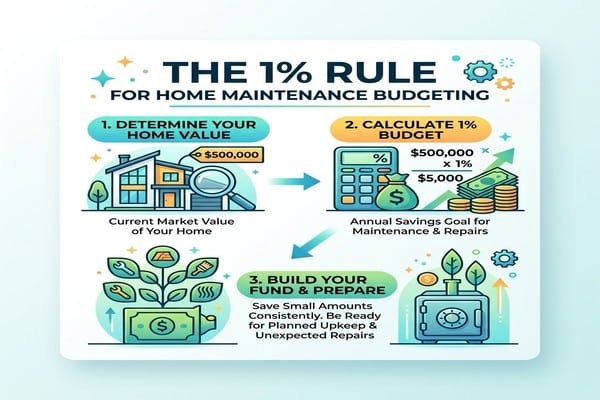
Many financial experts recommend budgeting a specific percentage of your home’s value each year for maintenance. This smart approach helps us plan for expenses and avoid unexpected burdens. By following these strategies, we can prevent small issues from becoming major problems, ultimately saving money and increasing our home’s longevity.
Maintaining a home isn’t just about aesthetics; it’s a critical financial and structural endeavor. Our homes represent one of our most substantial assets, and neglecting its upkeep can lead to a rapid decline in value and significant financial strain. Regular maintenance is a cornerstone of responsible homeownership, safeguarding our investment and ensuring a safe, comfortable living environment.
One of the most compelling arguments for consistent home maintenance is its direct impact on asset appreciation. On average, regular maintenance can increase a home’s value by 1% annually. This isn’t just about preventing depreciation; it’s about actively enhancing the property’s market appeal and long-term worth. When we consider selling our home, a well-maintained property stands out, often commanding a higher price and selling more quickly.
The financial benefits extend beyond increased value. Preventive maintenance offers an astonishing return on investment. Statistics show that for every dollar spent on proactive upkeep, we can save $100 or more in future, reactive repairs. This dramatic difference highlights the economic wisdom of addressing small issues before they escalate into catastrophic failures. Consider the cost comparison: a minor roof repair might average around $550, but if left unaddressed, it could lead to a full roof replacement costing approximately $8,500. Similarly, a small leak could be a simple fix, but unchecked, it might result in extensive water damage, mold remediation, and structural repairs totaling thousands.
Beyond the immediate financial savings, consistent maintenance plays a vital role in insurance eligibility and safety protocols. Insurance providers often require homeowners to keep their properties in good repair. Neglecting maintenance, such as failing to clear gutters or address known leaks, can lead to denied claims if damage occurs as a direct result of that neglect. More importantly, a well-maintained home is a safer home. Functioning smoke detectors, secure railings, and properly serviced HVAC systems are not just conveniences; they are essential safety measures that protect our families.
The structural integrity of our home is paramount. Foundations, roofs, walls, and essential systems like plumbing and electrical are all interconnected. A problem in one area can quickly cascade, compromising other parts of the structure. Regular inspections and timely repairs ensure that our home’s bones remain strong and resilient against the elements and the passage of time.
To effectively manage these responsibilities, budgeting is key. A common and highly recommended approach is to set aside 1% to 4% of our home’s value each year for maintenance. For newer homes, the lower end of this spectrum might suffice, while properties over 10 years old, or those with unique features, may require budgeting towards the higher end. For instance, if our home is valued at $300,000, we should aim to save between $3,000 and $12,000 annually. This fund acts as a crucial emergency buffer, ensuring that when unexpected issues arise – or when routine, larger-scale projects are due – the necessary funds are readily available without causing financial distress. This proactive financial planning is essential for the long-term sustainability and enjoyment of our home.
Essential Monthly Home Maintenance Tasks
While some maintenance tasks are seasonal or annual, a consistent monthly routine is vital for catching small problems early and keeping our home running smoothly. These regular checks and cleanings are often simple, quick, and can prevent significant headaches down the line.
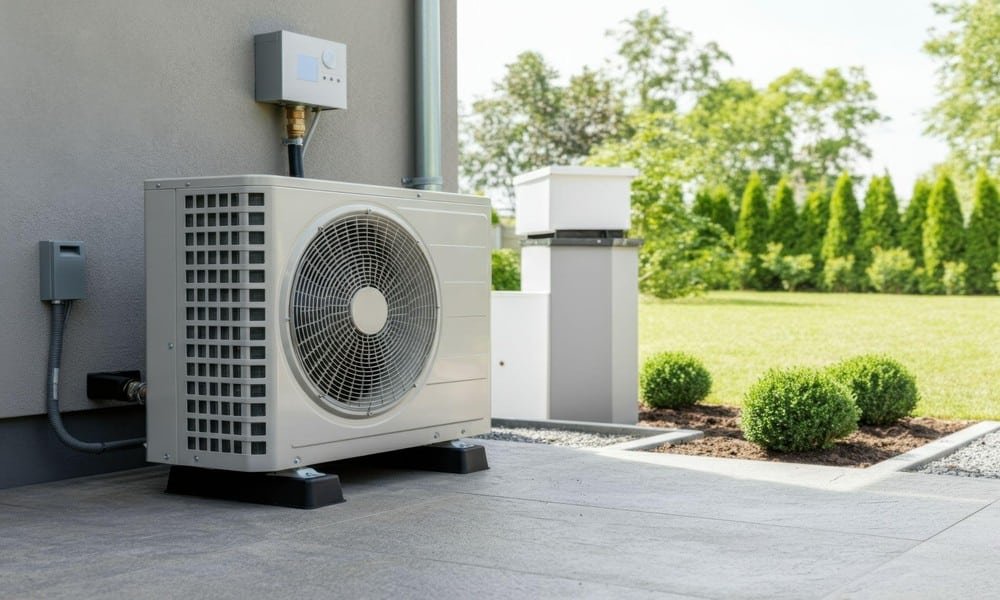
One of the most frequent and crucial tasks is changing HVAC filters. Depending on usage, pets, and allergies, filters should be swapped out at least once every three months, though monthly changes are often recommended for optimal air quality and system efficiency. A clean filter ensures our heating and cooling systems don’t work harder than necessary, extending their lifespan and reducing energy consumption. For comprehensive care and to ensure our HVAC systems are performing at their best, consulting an Expert HVAC home maintenance provider can provide invaluable insights and servicing.
Our family’s safety relies heavily on functioning smoke detectors and carbon monoxide (CO) alarms. We should test these devices monthly by pressing their test buttons. Batteries typically need to be replaced annually, and the entire units should be replaced every 10 years, regardless of battery status. Similarly, checking the pressure gauge on fire extinguishers monthly ensures they are ready for use in an emergency.
In the kitchen and bathrooms, GFCI (Ground Fault Circuit Interrupter) outlets should be tested monthly. This simple test involves pressing the “test” button, which should trip the circuit, and then the “reset” button to restore power. For the garbage disposal, running cold water through it during use and occasionally grinding ice cubes or citrus peels can help keep it clean and odor-free.
A frequently overlooked but critical task is cleaning the dryer lint trap after every load. Beyond this, the dryer duct itself should be cleaned monthly to prevent lint buildup, which is a significant fire hazard. This simple action can also save us about $20 per month on utility bills by improving dryer efficiency.
Regularly checking for water leaks, even minor drips, can prevent substantial damage and mold growth. This includes looking under sinks, around toilets, and checking appliance hoses. Finally, faucet aerators, the small screens at the end of our faucets, should be cleaned every three to four months to remove mineral buildup and maintain good water flow.
Seasonal Home Maintenance for Year-Round Protection
Beyond monthly tasks, a seasonal approach to home maintenance ensures our property is prepared for the unique challenges each part of the year brings.
Spring: As the weather warms, spring is ideal for assessing any winter damage and preparing for summer. We should schedule comprehensive roof inspections, ideally every three years by a qualified roofer, to check for loose or damaged shingles, flashing issues, or other signs of wear. This is also the perfect time to clean out gutters and downspouts, ensuring they are free of debris from fall and winter. Servicing our AC unit annually in the spring, for an average cost of $125-$175, can extend its lifespan and prevent breakdowns during peak summer heat. We should also reverse our ceiling fans to run counter-clockwise, pushing cool air down.
Summer: With longer, warmer days, summer is perfect for tackling exterior projects. This includes thorough siding checks, looking for cracks, warping, or signs of pest activity. It’s also a good time for painting, deck repairs, and ensuring our drainage systems are functioning optimally around the foundation. A detailed roof inspection can be done, and driveways can be sealed.
Fall: As temperatures drop, our focus shifts to preparing for winter. Clearing gutters and downspouts again is crucial to prevent ice dams and water damage. We should schedule our furnace tune-up, test our sump pump by pouring water into the pit to ensure it activates, and check/replace weatherstripping and caulk around windows and doors to seal against drafts. Insulating exposed pipes in unheated areas like basements or crawl spaces can prevent freezing. Reversing ceiling fans to run clockwise will help distribute warm air more effectively.
Winter: During the colder months, maintenance largely focuses on prevention and monitoring. We must remain vigilant for ice dams forming on the roof and ensure pipes are adequately insulated. Monitoring our home’s exterior for snow accumulation and potential issues is key. If we have a fireplace, it’s wise to have the chimney inspected and cleaned annually by a CSIA-certified professional, especially if used frequently.
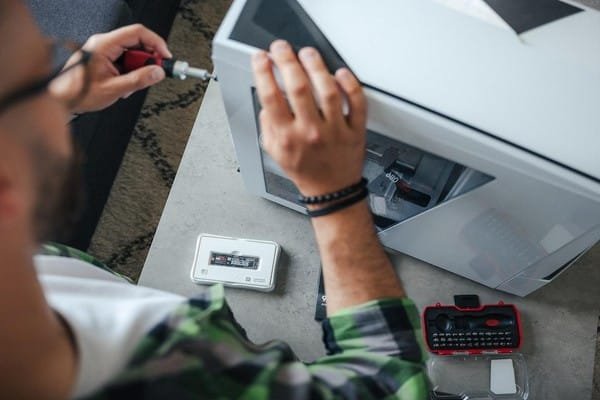
For these seasonal tasks, having a basic set of tools on hand is invaluable. Our seasonal tool requirements might include a sturdy ladder for roof and gutter access, work gloves and safety glasses for protection, a garden hose for cleaning, a caulk gun for sealing, a screwdriver set, an adjustable wrench, and various cleaning brushes.
Exterior Preservation: Roofs, Gutters, and Siding
The exterior of our home serves as its primary shield against the elements, making its preservation paramount. The roof, gutters, and siding work in concert to protect our interior from water, wind, and pests.
Our roof is arguably the most critical component of our home’s exterior. It endures the brunt of weather conditions, from scorching sun to heavy snow and driving rain. We recommend a thorough roof inspection every three years by a qualified roofer. This proactive check can identify minor issues like loose or cracked shingles, damaged flashing, or early signs of leaks before they become major problems. The financial implications are stark: an average roof repair costs around $550, while neglecting issues can lead to a full roof replacement costing about $8,500. Early detection and repair are clear money-savers.
Gutters and downspouts play a crucial role in directing rainwater away from our home’s foundation. Clogged gutters can lead to overflowing water, causing fascia damage, foundation erosion, and even basement flooding. Regular cleaning, especially in spring and fall, is essential. For those looking to minimize the effort of frequent cleaning, exploring solutions like those related to Gutter maintenance leaf guard cost can be a worthwhile investment. Ensuring downspouts extend several feet away from the foundation is equally important to prevent water from pooling near the house.
Siding, whether vinyl, wood, or fiber cement, acts as another protective layer. We should regularly inspect our siding for cracks, chips, warping, or loose panels, particularly after severe weather events. Damage to siding can compromise insulation, leading to increased energy bills and potential moisture intrusion. For homes with masonry, we might occasionally notice efflorescence – a white, powdery substance caused by crystallized soluble salts. This can typically be removed by scrubbing with water and a stiff brush. Proper masonry care also involves sealing any cracks to prevent water penetration.
Preventing pest infestations is another critical aspect of exterior maintenance. Simple actions like storing firewood outside, away from the house and off the ground, can deter pests from finding their way inside. Sealing cracks and openings in the foundation and around utilities also helps.
In colder climates, ice dam mitigation is a key winter concern. Ice dams form when heat escapes through the roof, melting snow that then refreezes at the colder eaves, creating a barrier that traps water. This trapped water can then seep under shingles and into the home. Monitoring for ice dams, ensuring proper attic insulation and ventilation, or even considering heat tape installation can help prevent this damaging phenomenon.
A well-maintained exterior not only protects our home but also significantly enhances its curb appeal and overall value. Regularly checking and replacing weatherstripping around doors and windows also contributes to both protection and energy efficiency.
Climate Control and Plumbing: Preventing Costly System Failures
Our home’s climate control and plumbing systems are integral to comfort and functionality. Neglecting these areas can lead to not only discomfort but also exorbitant repair costs and potential health hazards.
Efficient water usage is a cornerstone of modern home maintenance, offering both environmental and financial benefits. Homes that are WaterSense certified can save over 50,000 gallons of water and more than $700 in water and energy costs annually. This certification highlights the impact of water-efficient fixtures and practices throughout the home.
The water heater is a workhorse appliance that benefits immensely from regular care. We should flush our water heater annually to remove accumulated sediment, which can reduce efficiency and shorten its lifespan. Additionally, testing the temperature and pressure (T&P) relief valve quarterly is crucial for safety. This involves carefully lifting the lever to ensure a burst of water and steam is released, indicating it’s functioning correctly.
Plumbing issues, from slow drains to hidden leaks, can quickly escalate. Regularly checking for and addressing clogged drains with a plunger or plumber’s snake can prevent more serious blockages and potential sewer line problems. While some clogs are simple DIY fixes, recurring issues or complete blockages often signal a need for professional sewer line clearing.
Optimizing our home’s climate control involves more than just changing filters. Programmable thermostats allow us to efficiently manage heating and cooling schedules, reducing energy waste when we’re away or asleep. For homes with irrigation systems, scheduling an irrigation audit every three years with a certified professional ensures water is being used effectively and not wasted due to leaks or inefficient spray patterns.
Water pressure is another often-overlooked aspect of plumbing. Optimal home water pressure typically ranges between 45-60 psi. We can test our home’s water pressure using a gauge attached to an outdoor hose bib. If pressure is too high, it can prematurely wear out fixtures and appliances; if too low, it impacts performance. A pressure reducing valve (PRV) can help regulate this.
Finally, proactive leak detection is paramount for preventing water damage and mold. Beyond visible drips, silent toilet leaks can waste thousands of gallons of water annually. A simple dye test – adding food coloring to the toilet tank and waiting 10 minutes to see if color appears in the bowl – can reveal these hidden culprits. Monitoring our water meter for unexplained usage when no water is running can also indicate a leak somewhere in the system.
DIY vs. Professional Repairs: Knowing When to Call an Expert
Home maintenance empowers us to take control of our property, but it’s equally important to recognize our limitations and know when to call in the professionals. Attempting complex repairs without the proper expertise or tools can lead to further damage, safety risks, and even voided warranties.
Many basic tasks are well within the capabilities of the average homeowner and can save money. Simple plumbing clogs can often be resolved with a plunger or a basic plumber’s snake. Interior painting, replacing light bulbs or batteries in smoke detectors, and even replacing a worn washer in a leaky faucet are common DIY projects. Having a basic home toolkit, including essentials like a hammer, screwdriver set, adjustable wrench, pliers, utility knife, level, measuring tape, a cordless drill, and a shop vacuum, is a great starting point for these tasks.
However, certain areas of home maintenance and repair demand the specialized skills and knowledge of a professional. Electrical work, for instance, should almost always be left to a licensed electrician due to the inherent safety risks. Structural modifications to our home, such as removing a wall or altering a load-bearing beam, require engineering expertise and permits. Chimney sweeping and inspections should be performed annually by a CSIA-certified professional to prevent creosote buildup and ensure safe operation. Major plumbing issues, like burst pipes or sewer line repairs, also fall into the professional domain. Similarly, roof repairs beyond a simple patch, or complex HVAC system servicing (beyond changing filters), are best handled by experienced contractors.
For busy homeowners, or those who prefer a hands-off approach, home maintenance subscription services are becoming increasingly popular. These services often offer proactive check-ups, scheduled maintenance visits, on-call repairs, and even digital monitoring of home systems. This model effectively reduces the “invisible labor” of home maintenance – the mental load of remembering what needs to be done and when. It provides peace of mind by ensuring that our home receives consistent, expert care without us having to manage every detail.
When tackling DIY projects, always prioritize safety. Essential safety equipment includes work gloves, eye protection, and proper ladder safety practices. For professional services, it’s crucial to vet contractors thoroughly. We should always request multiple detailed, written estimates, verify their licensing and liability coverage, and check references or online reviews. This due diligence protects us from unqualified workers and ensures we receive quality workmanship.
Frequently Asked Questions about Home Maintenance
How much should I budget for annual home upkeep in 2026?
As of April 2026, financial experts commonly recommend budgeting between 1% and 4% of your home’s total value or its original purchase price annually for maintenance. The exact percentage depends on several factors: newer homes might require less (closer to 1%), while older homes (over 10 years), larger properties, or those with unique features (like a pool or extensive landscaping) will likely fall on the higher end of the spectrum (2-4%). This budget helps cover routine tasks, minor repairs, and contributes to a fund for larger, less frequent expenses like roof replacement or HVAC system upgrades.
How often should I replace my home’s smoke and carbon monoxide detectors?
Smoke and carbon monoxide (CO) detectors are vital safety devices with a limited lifespan. While we should test them monthly by pressing the test button and replace their batteries annually, the entire units themselves need to be replaced every 10 years. This applies to both hard-wired and battery-powered models, as their internal sensors degrade over time, reducing their effectiveness. Always check the manufacturer’s date on the back of the unit.
What are the most critical tasks to prevent water damage and mold?
Preventing water damage and mold is paramount for maintaining our home’s structural integrity and indoor air quality. The most critical tasks include:
- Gutter and Downspout Maintenance:Regularly clean gutters (at least twice a year, more if surrounded by trees) to ensure they are free of debris. Ensure downspouts direct water at least 5-10 feet away from the foundation.
- Proper Grading: Ensure the ground around our home slopes away from the foundation, preventing water from pooling and seeping into the basement or crawl space.
- Roof Inspections: Conduct regular roof inspections (every 1-3 years) to identify and repair damaged shingles, flashing, or leaks promptly.
- Plumbing Leak Checks: Periodically inspect under sinks, around toilets, and near appliances for visible leaks. Perform silent toilet leak tests (using food coloring).
- Sealing and Caulking: Annually inspect and re-caulk around windows, doors, and other exterior penetrations to prevent water intrusion.
- Water Heater Maintenance: Flush our water heater annually to prevent sediment buildup and test the T&P valve.
- Sump Pump Testing: If we have a sump pump, test it seasonally (especially before heavy rains) to ensure it’s operational.
Conclusion
Embracing a philosophy of proactive home maintenance is the hallmark of responsible homeownership. As we look ahead in April 2026, the principles remain timeless: consistent care translates directly into long-term savings, enhanced safety, and an enduring sense of pride in our property. By adhering to a regular schedule of tasks, from essential monthly checks to seasonal preparations and critical exterior preservation, we can prevent minor issues from escalating into costly emergencies. This diligent approach not only extends the life of our home’s systems and structure but also significantly boosts its value and energy efficiency. A commitment to maintenance is an investment in our peace of mind, ensuring our home remains a safe, comfortable, and valuable asset for years to come.


Syed Azeem Haider is an enthusiastic writer, loves to write on social issues, current affairs, books and T.V reviews, currently working for homepick as a digital marketer.