Do You Need Full Ergonomic Supplies or Just One Good Chair?
Key Takeaways
- Ergonomic chairs for the home provide the highest immediate impact on comfort and posture.
- Ergonomic supplies complement a chair but are not always necessary for every user.
- A full ergonomic setup is most useful for long working hours and specific physical concerns.
- Budget, space, and work habits should determine whether you invest in one chair or full ergonomic supplies.
Introduction
The shift towards working and studying at home has increased demand for ergonomic chairs for home and a wide range of ergonomic supplies. However, not every user requires a fully equipped setup. The core question is whether a single well-designed chair can deliver sufficient support, or if a complete system of ergonomic supplies is necessary to maintain comfort and prevent strain. The answer depends on usage patterns, physical needs, and the level of risk associated with prolonged sitting.
What a Good Ergonomic Chair Can Solve
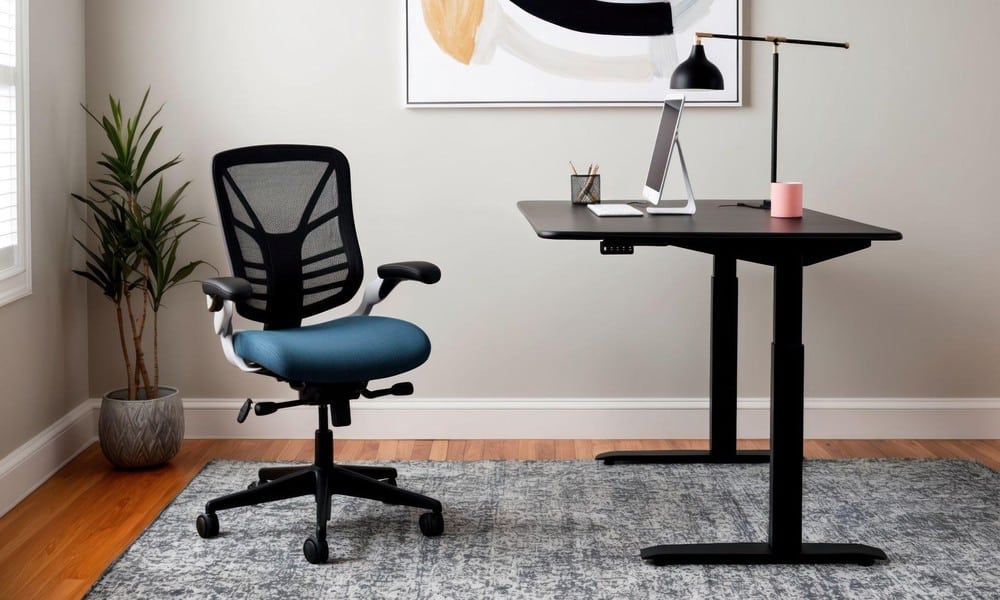
A high-quality ergonomic chair addresses the most common issues associated with prolonged desk work. These include lower back strain, poor spinal alignment, and general sitting discomfort. Ergonomic chairs for the home are designed with adjustable lumbar support, seat depth control, armrest positioning, and recline functions. These features allow users to maintain a neutral posture without relying on additional accessories.
Remember, for individuals working moderate hours, typically between four to six hours daily, a well-adjusted chair can resolve the majority of discomfort issues. It supports the natural curve of the spine and reduces pressure on key contact points such as the hips and lower back. This single investment, in many cases, eliminates the need for additional ergonomic supplies.
Where a Chair Alone Falls Short
While a good chair provides foundational support, it does not address all ergonomic risks. Issues often arise from desk height, monitor positioning, and repetitive wrist movements. Remember, without adjustments in these areas, users may still experience neck strain, eye fatigue, and wrist discomfort.
For example, if the monitor is too low, users will lean forward regardless of chair quality. Similarly, improper keyboard positioning can lead to wrist extension and long-term strain. Ergonomic supplies such as monitor risers, keyboard trays, and footrests are designed to correct these gaps. Therefore, relying solely on ergonomic chairs for home may not fully eliminate risk if the rest of the workstation is poorly configured.
When Full Ergonomic Supplies Make Sense
A complete ergonomic setup becomes necessary when users spend extended hours at their workstation or have pre-existing physical concerns. Individuals working eight or more hours daily, or those experiencing recurring discomfort, benefit from a more comprehensive approach.
Ergonomic supplies work together to create alignment across the entire body. Monitor stands bring screens to eye level, reducing neck flexion. Footrests stabilise leg positioning when the desk height is not adjustable. Wrist supports reduce strain during prolonged typing. A single chair, in such scenarios, cannot compensate for misalignment across multiple points of contact.
Additionally, users in specialised roles, such as designers, programmers, or administrative staff, often perform repetitive tasks that increase strain risk. Investing in a full range of ergonomic supplies is a practical decision for them rather than an optional upgrade.
Balancing Budget and Practicality
Cost and space constraints often influence decision-making. Ergonomic chairs for home typically represent the largest investment, while ergonomic supplies can be added incrementally. That said, for users with limited budgets, prioritising a high-quality chair is the most efficient starting point.
A phased approach is effective. Begin with a chair that offers essential adjustability. Then assess discomfort areas over time. If neck strain persists, introduce a monitor riser. If leg support is lacking, consider a footrest. This method prevents unnecessary spending on ergonomic supplies that may not be required.
Space is another factor. Compact home setups may not accommodate multiple accessories. Selecting a versatile chair with extensive adjustment features becomes even more critical in such cases.
Conclusion
A single ergonomic chair can address the majority of posture-related issues for users with moderate daily usage and a reasonably aligned workspace. However, it is not a complete solution for all scenarios. Ergonomic supplies play a critical role in correcting environmental factors that a chair alone cannot fix. The decision should be based on working hours, physical needs, and workstation limitations. Starting with a high-quality chair and gradually adding ergonomic supplies as needed offers the most practical and cost-effective approach in most cases.
Contact Ergoworks and build a workspace that actually supports how you work.