Understanding the Most Common Reasons Air Conditioners Break Down
Air conditioners have become essential for comfortable living in many homes and offices, quietly working to regulate indoor temperatures during warmer months. Yet, like any complex machine, they can fail when least expected, often leaving you sweltering and frustrated. Recognising the warning signs and underlying causes can help you act quickly. If problems persist, consulting AC repair experts ensures reliable diagnosis and lasting fixes rather than temporary patches.
Understanding why units break down not only saves money on emergency call-outs but also extends the lifespan of your system. Most failures stem from preventable issues or gradual wear that goes unnoticed until the unit stops working altogether. This article explores the most frequent culprits behind air conditioner breakdowns and offers practical advice to keep your system running smoothly.
Dirty or Clogged Air Filters
One of the simplest yet most common reasons for air conditioner failure is a neglected filter. Filters trap dust, pollen, pet dander, and other particles to maintain indoor air quality. When they become clogged, airflow is severely restricted, forcing the system to work harder.
Restricted airflow causes the evaporator coil to freeze over, reduces cooling efficiency, and can eventually trip the system’s safety mechanisms or cause the compressor to overheat. In extreme cases, this leads to complete shutdown. Homeowners often overlook filter maintenance, especially in dusty environments or households with pets.
Changing or cleaning filters every one to three months-more frequently during peak seasons makes a significant difference. It is a low-cost habit that prevents many larger issues down the line.
Refrigerant Leaks
Refrigerant is the lifeblood of any air conditioning system, absorbing and releasing heat to cool the air. A leak means the unit cannot maintain proper pressure, leading to poor cooling performance or total failure.
Leaks often develop at connection points, coils, or from corrosion over time. Beyond inefficiency, low refrigerant levels make the compressor work excessively hard, risking burnout. Importantly, refrigerant does not simply “run out”; any noticeable drop signals a leak that requires professional attention.
Trained technicians use specialized equipment to locate, repair, and recharge the system safely. Attempting DIY fixes with refrigerant is not only ineffective but can also be illegal and environmentally harmful in many regions due to strict regulations on these substances.
Electrical Component Failures
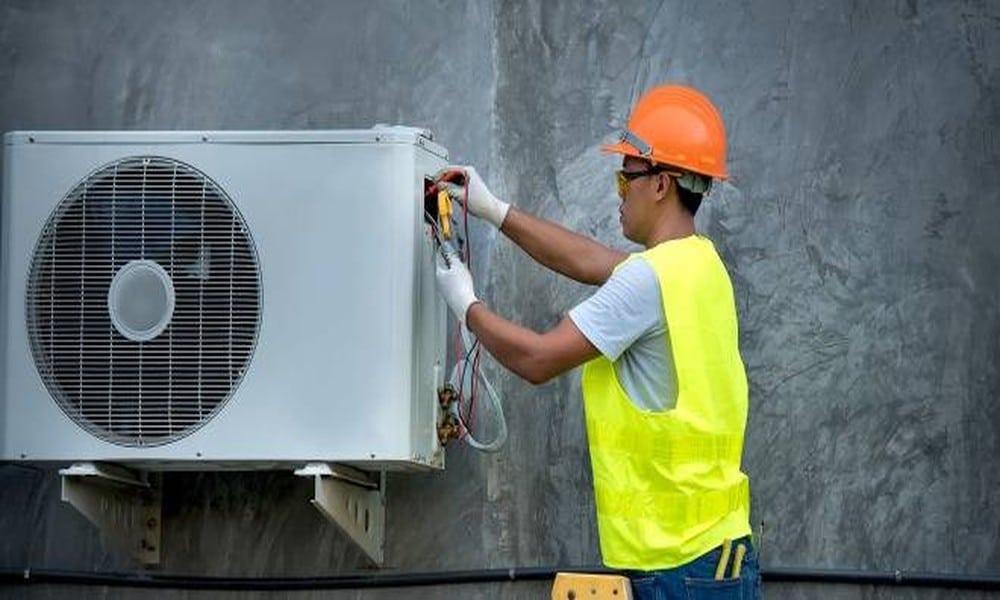
Electrical problems rank high among sudden breakdowns. Capacitors, contactors, and wiring deteriorate from constant use, voltage fluctuations, or exposure to heat and moisture. A failing capacitor, for instance, struggles to start the compressor or fan motor, producing a humming sound without actual cooling.
Power surges during storms can damage circuit boards and sensitive electronics. Loose connections may cause intermittent operation or complete power loss. These issues often manifest gradually with flickering lights on the thermostat or unusual noises before full failure occurs.
Regular professional inspections can spot frayed wires or weakening components before they cause expensive damage.
Thermostat Malfunctions
Many assume the air conditioner itself has failed when the real culprit is the thermostat. Faulty sensors, dead batteries, or outdated programmable models can send incorrect signals, causing the unit to run continuously, cycle too frequently, or not activate at all.
Modern smart thermostats offer better reliability and energy insights, but even they require proper placement away from direct sunlight or heat sources for accurate readings. Calibration and software updates matter more than many realize.
Condensate Drain Issues
Air conditioners remove humidity from the air, producing condensation that must drain away efficiently. When the drain line clogs with algae, dirt, or debris, water backs up and can leak inside the home or trigger a safety float switch that shuts down the system.
Blocked drains also promote Mold growth, affecting air quality and potentially causing structural damage. A simple annual flush or installation of a condensate pump with alarms can prevent these headaches.
Compressor and Fan Motor Problems
The compressor is often called the heart of the air conditioning system. It compresses refrigerant and circulates it through the coils. Because it works under high pressure and temperature, it endures significant stress. Over time, lack of lubrication, electrical faults, or overheating from dirty coils can cause it to seize or fail.
Outdoor fan motors, which release heat, also suffer from dust, debris, and weather exposure. A malfunctioning fan prevents proper heat exchange, rapidly increasing internal temperatures and stressing other components.
These repairs tend to be more costly, which is why addressing smaller issues early proves far more economical.
Poor Installation and Inadequate Maintenance
Even the best-quality air conditioner will struggle if installed incorrectly. Issues such as undersized units, improper ductwork, or insufficient insulation place unnecessary strain on the system from day one. Similarly, skipping annual professional tune-ups allows minor problems to compound.
Manufacturers typically recommend servicing before each cooling season. Technicians check refrigerant levels, clean coils, test electrical connections, and calibrate controls-steps that catch developing faults before they escalate.
Warning Signs to Watch For
Early detection can prevent full breakdowns. Listen for strange noises like grinding, squealing, or rattling. Notice reduced airflow, warm air from vents, higher than usual energy bills, or frequent on-off cycling. Ice on coils or unusual odours also demand immediate attention.
Ignoring these signals often results in more extensive-and expensive-repairs later.
Preventive Strategies for Longevity
Maintaining an air conditioner does not need to be complicated. Beyond regular filter changes, keep the outdoor unit clear of vegetation and debris. Trim nearby plants to ensure at least two feet of clearance. Use shade to protect the condenser from direct midday sun where possible, without blocking airflow.
Consider upgrading to a unit with better energy efficiency ratings if your current system is over ten years old. Modern inverter technology and variable-speed compressors often deliver quieter operation and lower running costs.
When to Seek Professional Help
While basic maintenance can be handled by homeowners, most electrical, refrigerant, or mechanical repairs require qualified technicians. Attempting complex fixes without proper training can void warranties, create safety hazards, or cause further damage.
AC repair experts bring diagnostic tools, manufacturer-specific knowledge, and experience that help identify root causes rather than just treating symptoms. They can also advise on whether repair or replacement offers better long-term value.
Conclusion
Air conditioners break down for many reasons, but the majority trace back to neglect, normal wear, or minor issues left unaddressed. By understanding these common problems-clogged filters, refrigerant leaks, electrical faults, drainage troubles, and component wear-you can take proactive steps to protect your investment.
Consistent maintenance, prompt attention to warning signs, and timely professional intervention remain the most effective ways to enjoy reliable cooling year after year. Rather than waiting for discomfort to strike, develop good habits now. Your future self-and your wallet will thank you when the next heatwave arrives and your system continues to perform exactly as it should.