Essential Home Maintenance: Navigating Plumbing and HVAC Upgrades
The Strategic Value of Professional Home Maintenance Services
Your home is a significant investment, a place where memories are made, and security is found. To protect this valuable asset, consistent care is essential. Ignoring small maintenance tasks can quickly lead to bigger, more expensive problems down the road. In fact, studies show that every dollar invested in prevention can save four dollars in future repairs.
This guide will walk you through the essential world of home maintenance services. We will explore the various types of services available, from routine seasonal checks to critical system upgrades for plumbing and HVAC. We’ll discuss why regular maintenance is so important, how to choose a reliable provider, and common tasks that keep your home safe and efficient. For instance, understanding the necessity of proactive safety measures like gas leak detection is key to a healthy home.
A home is more than just a structure; it’s a living system that requires ongoing attention to thrive. Professional home maintenance services offer a strategic approach to preserving your property, ensuring its longevity, and safeguarding your family’s comfort and safety. The U.S. property maintenance industry is a testament to this need, projected to reach $136.9 billion in revenue by 2026, with a steady 1.9% gain this year alone. This growth underscores a widespread recognition among homeowners of the critical role these services play.
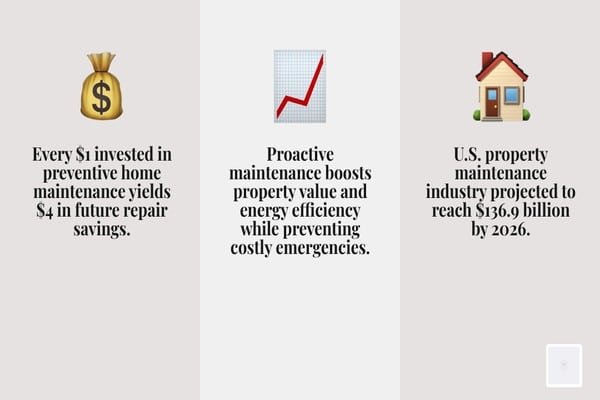
Investing in regular upkeep is not merely an expense; it’s a smart financial decision. Proactive maintenance directly contributes to increased property value and enhanced energy efficiency. By addressing minor issues before they escalate, we prevent costly emergency repairs and extend the lifespan of our home’s critical systems. This approach maintains structural integrity, protects against unforeseen damage, and ultimately provides peace of mind.
Consider the stark contrast between reactive repairs and proactive maintenance:
Feature Reactive Repairs Proactive Maintenance Cost Often high, unexpected, and potentially escalating Lower, predictable, and budget-friendly TimingUnscheduled, often during emergencies Scheduled, convenient, and preventive Stress Level High, disruptive, and urgent Low, planned, and reassuring OutcomeShort-term fix, potential for recurring issues Long-term health, system longevity, and efficiency Home Value Can decrease due to neglect or visible damage Preserves and often increases market value The adage “$1 in Prevention = $4 in Savings” isn’t just a catchy phrase; it’s a proven economic principle in home care. Over half of homeowners delay essential repairs due to perceived expense, but this delay often leads to significantly higher costs down the line. Engaging in comprehensive home maintenance services ensures that your home remains a valuable and comfortable sanctuary. For a deeper dive into the importance of maintaining your home, you might find valuable insights on general home maintenance services that cover a broad spectrum of care.
Maximizing Efficiency Through Preventive Home Maintenance Services
Preventive maintenance is the cornerstone of a well-kept home. It involves a systematic approach to identifying and addressing potential issues before they become major problems. This includes tasks such as regular filter replacement for HVAC systems and water purifiers, which improve air quality and system efficiency. Routine drain cleaning prevents clogs and backups, protecting your plumbing infrastructure.
Many professional services offer comprehensive inspections, sometimes involving 250-point checklists, to meticulously examine every aspect of your home from roof to foundation. This level of detail ensures nothing is overlooked. Seasonal preparation is also crucial; this could involve winterizing irrigation systems, clearing gutters in the fall, or performing HVAC tune-ups in spring and fall. System calibration for heating and cooling units ensures they operate at peak efficiency, saving energy and money. Furthermore, proactive moisture detection can prevent mold growth and structural damage, preserving your home’s health and integrity.
Residential vs. Commercial Maintenance Requirements
While the underlying principles of maintenance remain similar, there are distinct differences between residential and commercial home maintenance services. Residential services focus on individual homeowners, addressing the unique needs of a single-family dwelling. The goal is comfort, safety, and property value for the residents.
Commercial maintenance, on the other hand, deals with properties that often have higher occupancy loads, larger and more complex system scales, and stricter regulatory compliance. Safety protocols are typically more stringent, and specialized equipment is frequently required to handle the demands of commercial-grade systems. Commercial properties also experience higher traffic wear, necessitating more frequent and robust maintenance schedules to minimize downtime and ensure business continuity. While a residential service might replace a single light fixture, a commercial team might manage the lighting systems for an entire office building, including emergency lighting and complex wiring.
Core Components of Interior and Exterior Upkeep
Maintaining the interior and exterior of your home is crucial for both aesthetic appeal and structural integrity. The exterior acts as your home’s primary defense against the elements, making tasks like roof inspections and gutter clearing paramount. Regular checks for damaged shingles, flashing, and proper drainage prevent water intrusion, which can lead to costly foundation issues. Ensuring your gutters and downspouts are clean and free-flowing is like keeping your home’s “rain jacket” in good repair.
Inside, addressing issues like drywall repair for minor cracks or holes, and ensuring windows are properly sealed, contributes to both comfort and energy efficiency. Foundation drainage should always be directed away from the house to prevent moisture buildup. Deck preservation, through regular cleaning, staining, and repair, extends the life of outdoor living spaces. Furthermore, preventive pest control measures and checking weatherstripping around doors and windows are simple steps that yield significant benefits in terms of comfort, energy savings, and preventing infestations.
Here is a list of essential seasonal tasks that homeowners should consider:
- Spring: Inspect roof and gutters, check for winter damage, clean dryer vents, test outdoor faucets and sprinklers, service HVAC system, check smoke and carbon monoxide detectors, inspect fencing, and address landscaping needs.
- Summer: Schedule pest control, service HVAC (if not done in spring), clean garbage disposal, check sump pump, and inspect garage door.
- Fall: Clean and inspect gutters and downspouts, replace HVAC filters, check chimney/fireplace, winterize exterior plumbing, and inspect roofing for potential winter issues.
- Winter: Check water softener, ensure windows and doors are sealed, cover air-conditioning unit, and regularly test smoke and carbon monoxide detectors.
The Role of Subscription-Based Home Maintenance Services
For many busy homeowners, the idea of managing a detailed maintenance checklist can be overwhelming. This is where subscription-based home maintenance services have emerged as a popular and practical solution. These models, often featuring membership tiers, provide a structured approach to home care, similar to how we manage other essential services.
Typically, these subscriptions include regular “core visits” where dedicated technicians perform comprehensive checks and minor repairs. The benefit of a dedicated technician is consistency; they become familiar with your home’s unique needs, fostering trust and efficiency. Many services offer 24/7 support for emergencies, providing invaluable peace of mind. From a financial perspective, subscription models offer predictable budgeting, allowing homeowners to spread maintenance costs throughout the year rather than facing unexpected large bills. Some advanced services even provide project oversight for larger repairs or upgrades, coordinating with specialized contractors on your behalf. Companies like Honey Homes, for example, boast being trusted by 3,000 members with high ratings, highlighting the growing popularity and reliability of this model.
Interior Safety and Functional Inspections
Beyond aesthetics, the interior of your home demands attention to safety and functionality. Regular checks of smoke detectors and carbon monoxide alarms, including battery replacement, are non-negotiable for family safety. Electrical panel checks, ensuring breakers are functioning correctly and there are no signs of faulty wiring, prevent fire hazards and ensure a consistent power supply.
Proper appliance venting, particularly for dryer vents and range hoods, is vital for preventing fire risks and maintaining good indoor air quality. In an increasingly connected world, smart home integration offers both convenience and opportunities for maintenance. Smart thermostats, for instance, can monitor HVAC performance, while smart leak detectors can alert you to plumbing issues. Even simple lighting upgrades can improve safety and energy efficiency, contributing to a more functional and comfortable living space.
Optimizing Systems: Navigating Plumbing and HVAC Upgrades
The plumbing and HVAC systems are the lifeblood of your home, crucial for comfort, health, and daily function. Neglecting these systems can lead to significant inconvenience and expense. Regular maintenance and timely upgrades are essential to keep them running efficiently.
For plumbing, maintaining optimal water pressure, typically between 40-60 psi, is key to prolonging the life of your pipes and appliances. Too high, and you risk leaks and burst pipes; too low, and you’ll experience poor water flow. Preventative drain cleaning, including advanced techniques like hydro jetting for stubborn clogs or main sewer lines, can prevent backups and costly damage. When it comes to safety, addressing potential hazards is paramount. For example, ensuring proper Honest Home Services gas leak detection is in place and regularly checked can avert dangerous situations related to gas appliances.
On the HVAC front, regular furnace tune-ups are vital for efficiency and longevity, especially before the heating season. This ensures your system is clean, calibrated, and ready to handle the demands of colder weather. Improving air filtration is not just about keeping dust out; it’s about maintaining healthy indoor air quality and protecting your HVAC unit from debris. Duct sealing prevents conditioned air from escaping into unheated or uncooled spaces, significantly boosting energy efficiency. Don’t forget your water heater; regular flushing removes sediment buildup, extending its life and improving its efficiency. Finally, upgrading to smart thermostats offers precise temperature control, energy savings, and often remote management, making your home more comfortable and efficient. For comprehensive care of these vital systems, exploring dedicated Home HVAC services can provide expert solutions.
Selecting a Reputable Service Provider
Choosing the right home maintenance service provider is a critical decision that impacts the safety, value, and longevity of your home. It’s essential to look beyond just the price tag and focus on credentials and reputation.
First and foremost, always verify that the provider is fully licensed, bonded, and insured. Licensing ensures they meet industry standards, bonding offers financial protection if they fail to complete a job, and insurance protects you from liability in case of accidents on your property. Reputable companies also conduct thorough background checks on their technicians, ensuring trustworthy individuals are entering your home. For example, Mr. Handyman service professionals boast an average of 10 years of experience, highlighting the value of seasoned expertise.
Look for providers who offer clear service guarantees, such as the “Neighborly Done Right Promise,” which provides assurance of quality workmanship. Excellent customer support, including responsive communication and easy scheduling, is also a hallmark of a reliable service. Finally, transparent pricing, with upfront quotes rather than hourly rates that can inflate, helps you budget effectively and avoids unpleasant surprises.
Here are some vetting questions homeowners should ask:
- Are your technicians licensed, bonded, and insured?
- Do you conduct background checks and drug tests on your employees?
- What is the average experience level of your technicians?
- Do you offer a service guarantee or warranty on your work?
- Can you provide references or customer testimonials?
- How do you handle emergencies or urgent service requests?
- What is your pricing structure (hourly, flat rate, membership)?
- Do you provide written estimates before starting any work?
- What is your process for communication during a project?
- What types of ongoing training do your technicians receive?
Frequently Asked Questions about Home Maintenance
How often should professional home maintenance be scheduled?
The general consensus, supported by organizations like the International Association of Certified Home Inspectors, recommends scheduling professional home maintenance at least once a year. However, for older homes, properties with complex systems, or those in regions with extreme weather, more frequent checks (e.g., semi-annually or seasonally) might be beneficial. Many subscription services offer quarterly visits to ensure continuous, proactive care.
What are the most common signs that a home system needs immediate maintenance?
Recognizing the signs of distress in your home’s systems can prevent minor issues from becoming major emergencies. Common indicators include visible damage like peeling paint, cracked caulk, or broken shingles. Inside, look for higher-than-usual utility bills, unusual noises coming from appliances or HVAC units, slow drains, water stains on ceilings or walls, flickering lights, or odd smells near electrical outlets or gas appliances. Any of these signs warrants prompt professional attention.
How do maintenance services impact long-term property resale value?
Regular home maintenance significantly impacts long-term property resale value by preserving the home’s condition, extending the lifespan of its components, and enhancing its overall appeal. A well-maintained home signals to potential buyers that the property has been cared for, reducing their concerns about hidden problems and future expenses. This translates into a higher perceived value and often a quicker sale at a better price. Essentially, consistent maintenance protects your investment and ensures it appreciates over time.
Conclusion
Our homes are dynamic environments that demand consistent attention and care. Embracing a proactive approach to home maintenance, whether through regular DIY tasks or professional services, is an investment that pays dividends in safety, comfort, and financial security. By understanding the strategic value of professional home maintenance, the nuances between residential and commercial needs, and the critical components of interior, exterior, plumbing, and HVAC upkeep, we empower ourselves to make informed decisions.
Choosing reputable service providers, asking the right questions, and opting for solutions like subscription-based models can simplify the process, offering predictable budgeting and peace of mind. Dedicated home maintenance protects our most significant asset, ensures sustainable living, and provides long-term savings, allowing us to enjoy our homes for years to come.


Lynn Place is Vice President of Marketing for SolvChem Custom Packaging Division. She has 30 years of professional experience in the manufacturing industry and specializes in consumer packaged goods, new product development and strategic planning.