
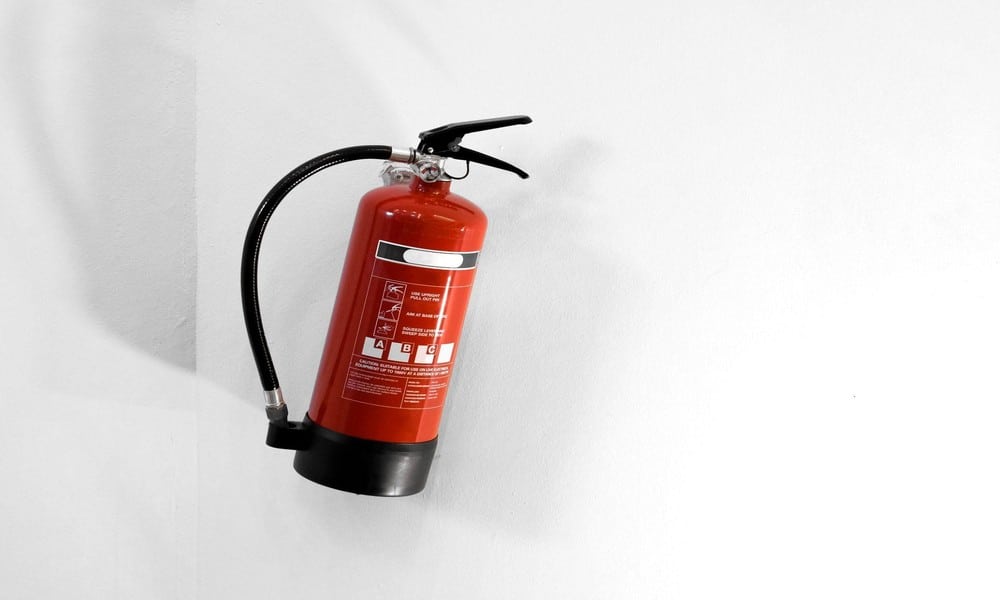
What Is a Wet Chemical Fire Extinguisher and How Does It Work?
Key Takeaways
- Wet chemical extinguishers are designed specifically for cooking oil and grease fires.
- They cool and suppress flames by forming a protective layer over burning oil.
- A kitchen extinguisher is essential for both homes and commercial kitchens.
- Using the correct extinguisher improves safety and prevents fire spread.
Introduction
Kitchen fires are more common than many people realise. A moment of distraction, a pan left unattended, and suddenly things escalate. It happens quickly.
This is where a kitchen extinguisher becomes more than just a safety item. It becomes your first line of defence.
Among the different types available, the wet chemical fire extinguisher stands out. It is specifically designed to handle fires caused by cooking oils and fats, which behave very differently from other fire types.
Understanding how it works can make all the difference when seconds matter. Let’s take a closer look.
Why Kitchen Fires Need Special Treatment
Not all fires are the same. That might sound obvious, but it is often overlooked.
Cooking oil fires, for instance, burn at very high temperatures. Pouring water on them can make things worse, causing flames to spread rapidly. It is a dangerous reaction.
That is why a kitchen extinguisher designed for grease fires is essential. It addresses the specific behaviour of oil-based flames.
In many homes, people rely on general-purpose extinguishers. While useful in certain situations, they may not be effective against cooking fires.
Understanding this difference is key. It helps you prepare properly rather than relying on guesswork during an emergency.
How a Wet Chemical Fire Extinguisher Works
The science behind it is quite interesting, though it works in a simple way when used.
A wet chemical fire extinguisher releases a fine mist that reacts with hot oil. This reaction creates a soapy layer, known as saponification. It sounds technical, but the effect is straightforward.
This layer seals the surface of the oil, cutting off oxygen and preventing the fire from reigniting. At the same time, the mist cools the temperature, reducing the intensity of the flames.
It is a two-step approach. Suppress and cool.
That combination makes it highly effective for kitchen fires, especially those involving deep frying or heavy oil use.
Where and How to Use It
Placement matters more than people think. A kitchen extinguisher should be easily accessible but not too close to the stove. You need to reach it safely without getting too near the fire.
When using a wet chemical fire extinguisher, aim at the base of the flames. Use a gentle sweeping motion. There is no need to rush, but hesitation can be risky.
It is also worth noting that training helps. Even a basic understanding of how to operate the extinguisher can improve response time.
In commercial kitchens, staff are often trained regularly. At home, a quick review of instructions can go a long way.
Making Fire Safety a Habit
Fire safety is not just about having the right equipment. It is about awareness.
Regularly checking your extinguisher ensures it is in working condition. Expired or damaged units may not perform when needed.
Simple habits, like staying attentive while cooking and keeping flammable items away from heat, also reduce risk.
A wet chemical fire extinguisher is a valuable tool, but it works best as part of a broader safety approach.
Conclusion
A wet chemical fire extinguisher is specifically designed to tackle one of the most dangerous types of fires found in kitchens. With its ability to cool and suppress flames effectively, it offers reliable protection.
Having the right kitchen extinguisher is not just a precaution. It is a practical step towards safer cooking environments.
Stay prepared and protected. Contact Brave Fire today to find the right fire safety solution for your space.