3 Reasons Why Office Carpet Shampooing Sometimes Fails
Key Takeaways
- Office carpet shampooing can fail due to poor pre-cleaning, incorrect chemical use, and inadequate drying.
- Office carpet cleaning requires methods suited to humidity and heavy foot traffic.
- Residue, recurring stains, and odours often indicate improper shampooing processes.
- Preventing failure depends on correct preparation, technique, and post-cleaning management.
Introduction
Office carpet shampooing is widely used to remove dirt, stains, and odours from workplace flooring. However, results are not always consistent. Some offices experience recurring stains, lingering smells, or carpets that look worse after cleaning. These outcomes are usually not random. They are linked to how the process is carried out, especially in environments with high usage and humidity. Knowing why office carpet shampooing fails helps businesses make better decisions and avoid repeated cleaning costs.
Reason 1: Inadequate Pre-Cleaning Preparation
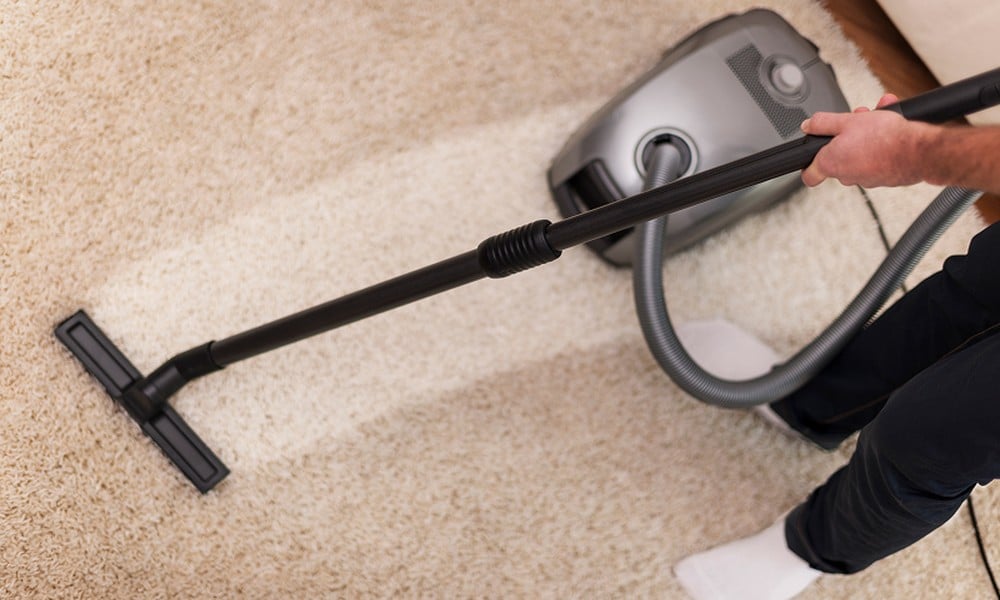
One of the most common reasons office carpet shampooing fails is skipping or rushing the preparation stage. Carpets in offices collect dry soil, dust, and debris that settle deep into the fibres. If these particles are not removed before shampooing, they turn into mud when mixed with moisture. This situation reduces the effectiveness of the cleaning solution and spreads dirt rather than extracting it. Additionally, humidity can cause particles to bind more tightly to fibres, so proper vacuuming and spot treatment are essential. Remember, without this step, shampooing becomes a surface-level process that fails to address embedded contaminants.
Another issue is ignoring high-traffic zones such as entrances and walkways. These areas require targeted pre-treatment because they hold the highest concentration of dirt and oils. Once not addressed separately, shampooing produces uneven results, with some sections appearing clean while others remain dull or stained. Proper preparation ensures that the shampooing process works on a clean base rather than competing with heavy debris.
Reason 2: Incorrect Use of Cleaning Chemicals
The effectiveness of office carpet shampooing depends heavily on the type and amount of cleaning solution used. Overuse of shampoo is a frequent mistake. Excess chemicals do not rinse out completely and leave behind residue. This residue attracts dirt quickly, causing carpets to become dirty again within a short period. In contrast, underuse of cleaning agents results in weak cleaning performance, especially on oil-based stains and embedded grime.
The choice of chemicals must also match the carpet material and local conditions. Some carpets require low-moisture or low-foam solutions to prevent saturation. Using the wrong formulation can damage fibres or lead to prolonged dampness. Residue buildup is often the reason carpets feel sticky or develop odours after cleaning. Proper dilution, correct product selection, and controlled application are necessary to achieve consistent results.
Reason 3: Poor Drying and Post-Cleaning Management
Even when office carpet shampooing is done correctly, poor drying can cause the entire process to fail. Carpets that remain damp for too long create conditions for mould growth and unpleasant smells. Office carpet shampooing must always include a drying plan, especially in enclosed spaces with limited airflow.
Failure to manage drying, especially when doing office carpet cleaning in Singapore, often leads to re-soiling. Since carpets dry slowly, remaining moisture draws dirt from the base of the fibres back to the surface, a process known as wicking. This process results in stains reappearing after cleaning. Additionally, allowing foot traffic on damp carpets compresses fibres and embeds new dirt before the cleaning process is complete. Using air movers, scheduling cleaning during low-traffic periods, and restricting access until carpets are fully dry are necessary steps.
Conclusion
Office carpet shampooing fails when preparation, chemical use, and drying are not handled correctly. These issues are preventable with proper processes and realistic expectations. Additionally, office carpet cleaning requires attention to local conditions, especially humidity and usage patterns. Remember, by addressing these factors, businesses can avoid repeated cleaning cycles and maintain carpets that remain clean for longer periods.
Contact Carpet Cleaning Services and get a cleaning plan that reduces repeat costs and keeps your office flooring consistently presentable.