Prevent Commercial Pest Problems With Pointe Pest Control: How Chicago Businesses Can Stay Protected
Commercial pest activity can interrupt operations, affect customer confidence, damage stored materials, and create ongoing concerns for property managers. Businesses in Chicago and the surrounding area need prevention that considers the building, the people who use it, and the daily demands of the operation. Pointe Pest Control provides commercial specialty services designed to help businesses identify pest pressure early and build a practical response plan.
A pest problem is rarely limited to the first insect or rodent someone sees. Pests may use gaps around doors, utility openings, food debris, moisture, clutter, dumpsters, loading areas, or storage spaces long before activity becomes obvious. A professional commercial pest control program can help businesses address those conditions before they become a larger disruption.
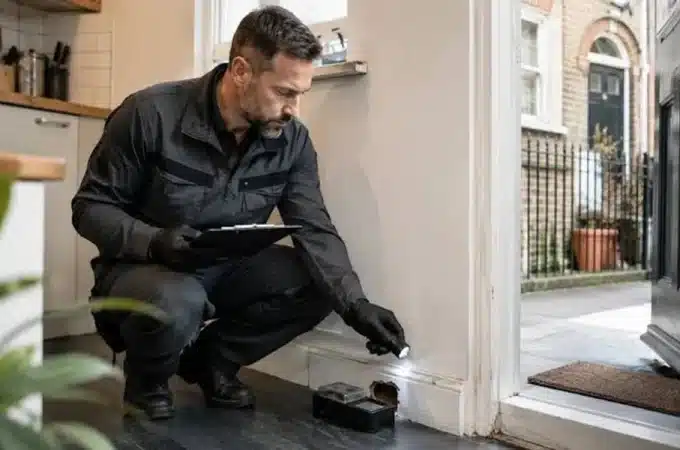
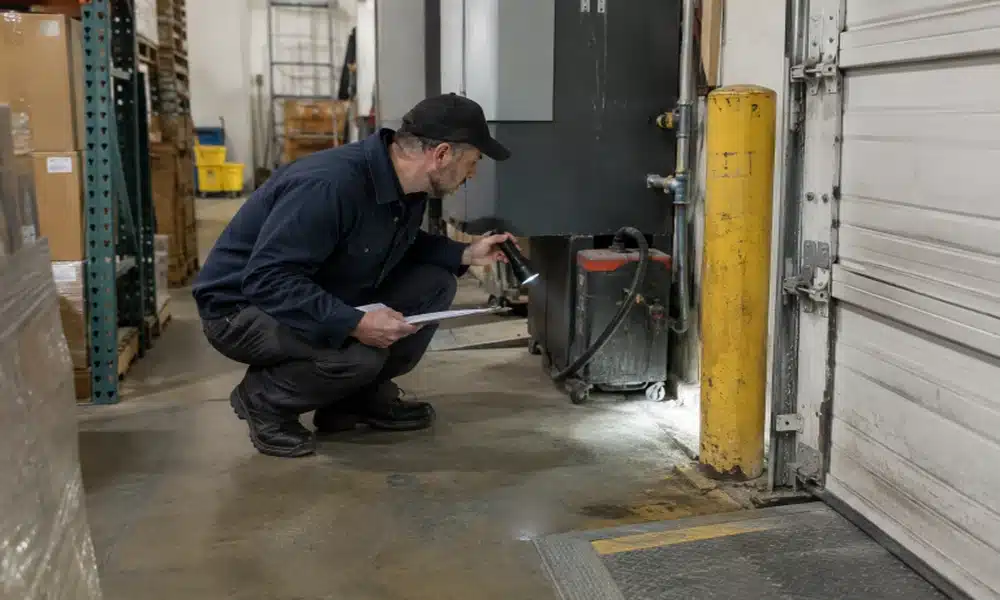
Early action matters particularly with rodents. The CDC explains that regular inspection of a home or business can reveal signs such as droppings and gnaw marks before rodents become established. For a commercial property, that means taking employee reports, maintenance observations, and subtle signs of activity seriously rather than waiting for a visible infestation.
Commercial pest prevention also protects the routines that keep a business running. Restaurants need clean food-handling areas, warehouses need protected inventory, offices need comfortable workspaces, and multifamily properties need a consistent way to respond to tenant concerns. The right service plan should support those needs without adding unnecessary disruption.
As a family-owned and operated company serving Chicago-area customers, Pointe Pest Control emphasizes clean, professional, and discreet service for commercial properties. Its commercial service page states that trained, licensed technicians create customized plans, provide ongoing service, educate on-site staff, and return for follow-up treatment when pest activity persists.
Why Commercial Pest Prevention Should Start Before Pests Become Visible
Waiting until customers, tenants, or employees notice pests can make a manageable issue more complicated. A proactive approach looks for the conditions that support pest activity, including accessible food, water, shelter, and entry points. It also creates a clear process for reporting sightings and responding quickly when conditions change.
For Chicago businesses, prevention supports both day-to-day operations and long-term property care. It can help managers address issues near kitchens, break rooms, drains, waste areas, utility rooms, receiving docks, and storage areas before those locations become repeated trouble spots.
How Pointe Pest Control Builds a Commercial Pest Prevention Plan
Commercial properties vary widely, so an effective program should not treat every building the same way. Pointe Pest Control describes a process centered on monitoring, detection, prevention, customized planning, education, and ongoing service.
- Inspection: A technician examines the property for pest activity, likely entry points, nesting areas, moisture issues, food sources, and other contributing conditions.
- Identification: Correctly identifying the pest and the affected areas helps determine the appropriate next steps.
- Customized planning: The service plan can account for the type of business, building layout, pest pressure, seasonal conditions, and operational needs.
- Treatment and prevention: Control methods are selected based on the property and activity level, along with recommendations to reduce future pest access.
- Staff education and follow-up: On-site teams can learn what to report and what prevention steps to maintain between visits.
Why Integrated Pest Management Fits Commercial Buildings
Integrated pest management is a prevention-focused approach that combines inspection, monitoring, sanitation, exclusion, education, and targeted treatment. It is especially relevant for commercial settings where food, customers, employees, tenants, inventory, equipment, or sensitive areas may be present.
The EPA describes integrated pest management as combining preventive measures with reduced-risk treatment methods to reduce reliance on chemical pesticides when possible. That principle aligns with a commercial program that addresses the reasons pests enter and remain, not simply the immediate sighting.
Commercial Properties Pointe Pest Control Can Serve
Pointe Pest Control lists a range of commercial settings on its service page. Each has distinct pest risks and practical service needs:
- Restaurants and cafes: Food storage, deliveries, drains, waste handling, and customer visibility make consistent prevention important.
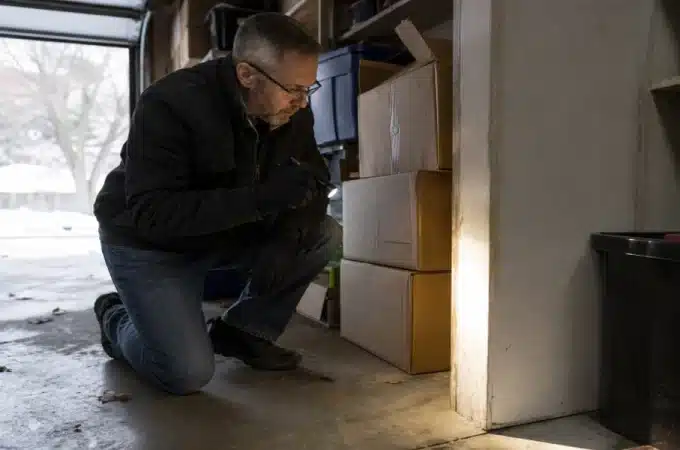
- Warehouses and storage facilities:Rodents and insects can affect packaging, stored goods, loading areas, and hard-to-reach spaces.
- Apartment complexes and rental units: Property-wide coordination helps managers respond to recurring reports and conditions across units and common areas.
- Professional offices: Ants, flies, spiders, rodents, and seasonal invaders can distract employees and visitors.
- Daycares, gyms, dental offices, government buildings, hospitals, and industrial facilities: These locations may require service planning that accounts for visitors, staff, patients, children, equipment, or inventory.
Common Commercial Pest Concerns
Different pests require different investigation and prevention measures. Pointe Pest Control can help commercial customers address concerns involving ants, cockroaches, rodents, spiders, mosquitoes, wasps, bees, and other common invaders. For example, rodent service may focus on droppings, gnaw marks, nesting material, and access points, while cockroach service may focus on sanitation, hiding areas, moisture, and routes of movement.
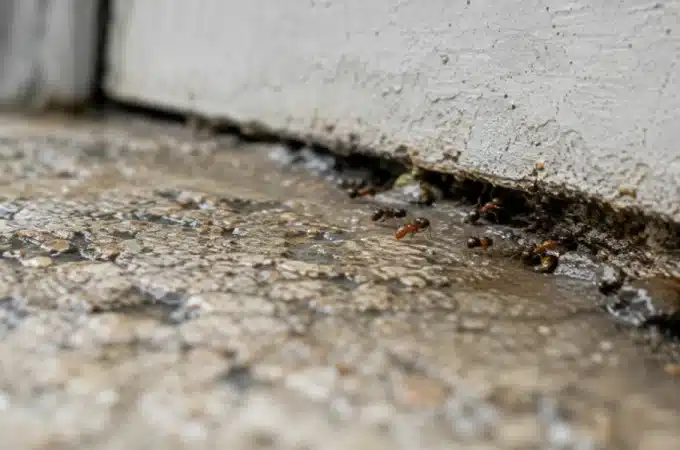
Ant activity can point to food or moisture sources. Spiders may be associated with exterior harborage areas or insect activity. Mosquito concerns often involve standing water, while wasp and bee concerns may involve nest locations near entrances, outdoor work areas, or customer spaces. An inspection helps connect the pest to the property conditions that need attention.
Seasonal Pest Control for Chicago Businesses
Pest pressure can change throughout the year, which is why ongoing monitoring is valuable. Spring and summer may bring more noticeable insect activity, including ants, flies, mosquitoes, wasps, and cockroaches. As temperatures decline, rodents and other pests may seek food, warmth, and shelter indoors. Pointe Pest Control notes that its treatment methods change with seasonal pest activity.
When to Submit a Pointe Pest Control Request
Businesses should consider requesting an inspection or estimate when they notice repeated sightings, droppings, gnaw marks, nesting material, unusual odors, damaged packaging, or activity near waste areas, loading docks, kitchens, bathrooms, storage rooms, and utility spaces. Customer or employee complaints, recurring seasonal problems, and signs of pests near inventory also warrant attention.
How to Compare Commercial Pest Control Providers
- Confirm the provider has experience with commercial property types similar to yours.
- Ask about technician licensing, training, inspection procedures, and service documentation.
- Discuss how the company handles monitoring, recurring activity, and follow-up visits.
- Request a plan that considers food areas, tenants, children, patients, employees, visitors, equipment, or stored inventory where applicable.
- Clarify the provider’s communication process, prevention recommendations, and results policy.
Frequently Asked Questions
What does commercial pest control include?
Commercial pest control can include inspection, pest identification, monitoring, customized treatment planning, prevention recommendations, staff education, ongoing service, and follow-up support.
Does Pointe Pest Control serve food businesses?
Yes. Pointe Pest Control lists restaurants and cafes among the commercial properties it serves. These businesses can benefit from attention to food storage, sanitation, waste handling, moisture, deliveries, and pest reporting procedures.
Can commercial pest service help with rodents?
Yes. A commercial rodent response can include inspection for signs of activity, identification of likely access points, recommendations for exclusion and sanitation, treatment, and follow-up based on the property’s needs.
Protect Your Business With a Structured Plan
Commercial pest control is most effective when it combines early detection, property-specific prevention, targeted service, staff communication, and continued monitoring. For Chicago-area business owners and property managers, a Pointe Pest Control request can be a practical first step toward protecting operations, property conditions, and customer confidence through a commercial plan tailored to the business.