How to Keep Your St. Louis Home Bug-Free: Year-Round Pest Prevention Guide
How to Keep Your St. Louis Home Bug-Free: Year-Round Pest Prevention GuideKey Takeaways
- Seal all potential entry points to keep pests out of your St. Louis home.
- Maintain high standards of cleanliness to remove food and water sources.
- Natural repellents and simple traps can fight bugs in eco-friendly ways.
- Frequent inspections of basements, attics, and exteriors are crucial.
- Adjust your prevention tactics according to the season and local pest trends.
Table of Contents
- Seal Entry Points
- Maintain Cleanliness
- Use Natural Repellents
- Regular Inspections
- Seasonal Pest Behaviors
- Professional Assistance
St. Louis, Missouri, with its humid summers and freezing winters, provides a perfect backdrop for a wide range of pests seeking shelter and food year-round. Understanding how to protect your St. Louis home takes more than generic advice. Effective strategies take into account regional conditions, local habits, and the unique characteristics of Missouri’s fluctuating seasons. By learning the right preventive steps and being aware of frequent St. Louis pest patterns, you can help keep your living space bug-free and comfortable. For more targeted pest management help and area-specific solutions, visit pointepestcontrol.com.
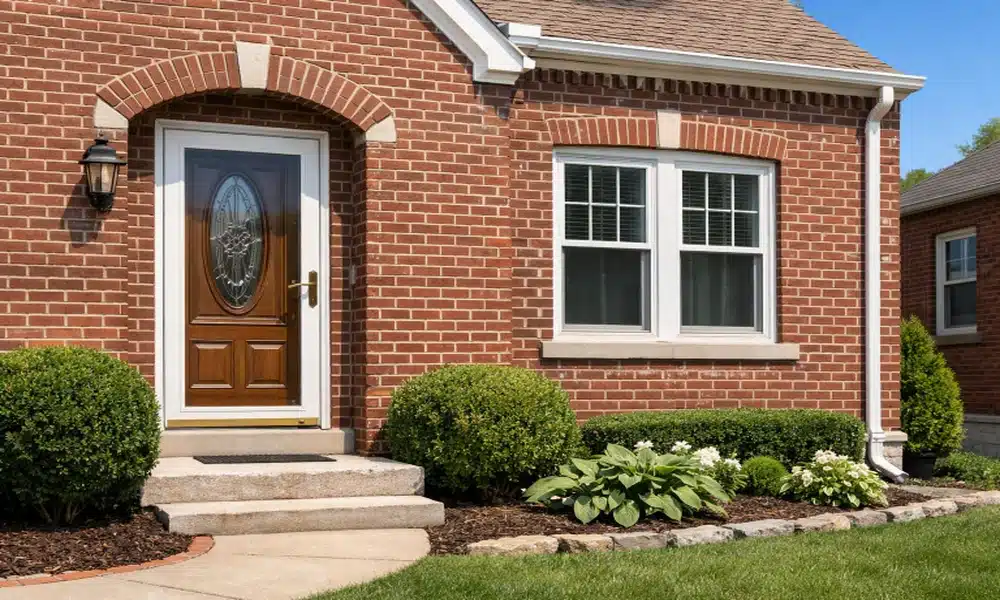
The battle against pests in St. Louis is ongoing, with each season bringing a new surge of bugs: ants and cockroaches in the spring, mosquitoes and flies in the summer, and stink bugs and spiders as the weather cools. Staying ahead requires a mix of vigilance, home maintenance, and timely, customized interventions for the Gateway City. From historic brick homes in Soulard to suburban houses in Chesterfield, smart pest prevention is essential for every St. Louis household.
To make your efforts even more effective, keep in mind how local community events, Midwest climate quirks, and city living can influence which pests you may encounter and how they behave. By weaving regional awareness into your year-round pest control plan, you can better anticipate problems and stay one step ahead.
Seal Entry Points
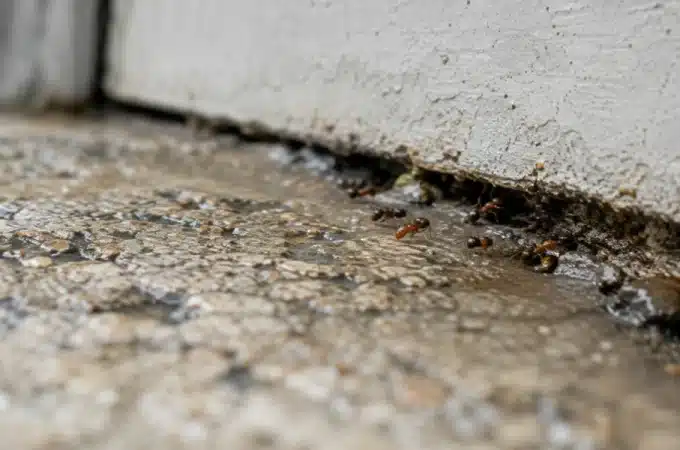
In St. Louis, older homes with historic charm can also be magnets for bugs, especially if there are cracks, gaps, or aging fixtures. Begin each spring and fall by carefully inspecting the exterior. Pay close attention to areas around windows, doors, sockets, and crawl spaces. Use weather-resistant caulk to close up any visible cracks. Check foundations for gaps, especially after St. Louis’s freeze-thaw cycles, which can create new entry points for rodents and insects. Don’t overlook garages, basements, and attic vents. Installing mesh screens keeps out larger pests, such as squirrels and raccoons, as well as insects.
Maintain Cleanliness
Cleanliness is a cornerstone in pest prevention, particularly in urban neighborhoods or city outskirts where bugs and rodents have easy access to food. Wipe down kitchen and bathroom surfaces daily. Store cereals, pasta, and other pantry foods in glass or thick plastic containers to deter mice and ants. Take out the trash regularly and never let compost or yard waste accumulate near the foundation, as these attract ants and wasps. St. Louis’s humid summers mean that spills and crumbs can quickly attract colonies of ants or fruit flies if not addressed promptly. For more tips on cleaning practices that help prevent pests, check resources from Good Housekeeping.
Use Natural Repellents
For those seeking green solutions, natural repellents are particularly useful in St. Louis neighborhoods where children and pets play. Peppermint- and eucalyptus oil-based sprays can deter spiders and ants. Mint and clove oil mixtures placed along baseboards or window sills discourage stink bugs, a notorious fall invader throughout Missouri. You can also place fresh bay leaves in pantry corners to reduce weevil activity. In addition, diatomaceous earth, readily available at most St. Louis garden shops, is safe for people and pets but deadly to many insects when dusted in crawl spaces or along floor cracks.
Regular Inspections
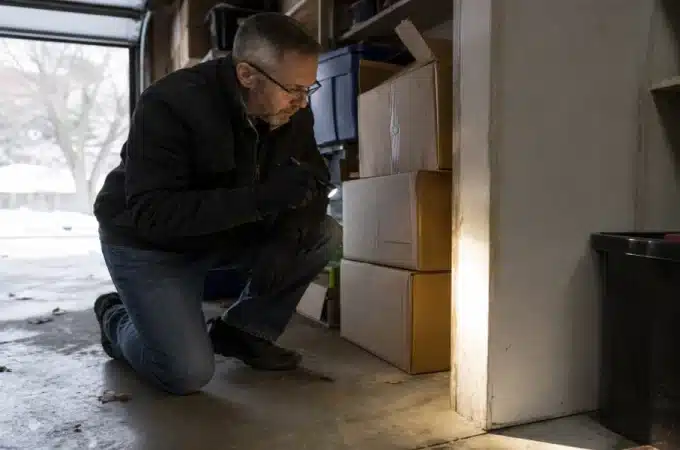
Every St. Louis homeowner should perform monthly inspections, especially during transition periods between seasons. Focus on basements, attics, and seldom-used storage areas that can harbor bugs over winter or during the hot months. Check appliances, water pipes, and under sinks for any leaks or excess moisture. St. Louis’s weather can be unpredictable, so after heavy rains or snow melts, inspect foundations and entryways for new pest pathways. Promptly clean up any detected droppings or webbing, and address leaks right away to minimize the damp spaces where pests like silverfish and centipedes thrive.
Seasonal Pest Behaviors
Pest pressures fluctuate in St. Louis with the seasons. Spring brings ants, termites, and crickets emerging as temperatures climb. Mosquitoes and wasps dominate summer, especially near parks like Forest Park or along the Missouri River. Fall sends boxelder bugs, lady beetles, and stink bugs indoors in search of warmth, especially in suburban and riverside neighborhoods. During winter, rodents such as mice and rats will squeeze through gaps as small as a dime to seek food and shelter from the cold. By recognizing these patterns, you can adjust your prevention plan and increase vigilance during high-risk months. The Consumer Reports guide offers more seasonal pest tips that are broadly applicable.
Professional Assistance
If your personal prevention measures are not enough, especially after severe infestations or persistent issues like termites, which are common in the St. Louis region, it may be time to bring in a professional pest control service experienced with local pests. Experts not only address current issues but also help identify and secure overlooked entry points and recommend pest management strategies tailored to your home’s age, size, and location.
St. Louis’s beautiful seasons and vibrant communities make pest control a must for maintaining comfort and safety in your home. By understanding the regional threats and working year-round with smart solutions, you can ensure your home remains a bug-free sanctuary.