6 Office Conditions to Assess Before Arranging Professional Commercial Cleaning
An office can appear tidy while still requiring a more structured approach to cleaning. Different areas experience different levels of use, and shared facilities can develop hygiene concerns more quickly than quieter spaces. Understanding these conditions can help businesses determine what their cleaning arrangements should cover.
Before engaging corporate office cleaning services, business owners and facilities managers should assess how employees use the workplace and where cleaning demands occur most frequently. This provides a practical basis for discussing the scope and frequency of professional cleaning.
1. Which Areas Experience the Most Foot Traffic?
Entranceways, corridors, lifts and other shared routes can accumulate dirt more quickly than areas that receive limited use. Employees, visitors and deliveries can all contribute to the amount of cleaning required in these spaces.
Assess which areas experience the greatest movement throughout the working day. Consider whether floors require more frequent attention and whether entrances need cleaning at specific points during operating hours.
A professional cleaning plan should reflect actual usage rather than apply identical attention to every part of the office.
2. How Are Shared Work Areas Maintained?
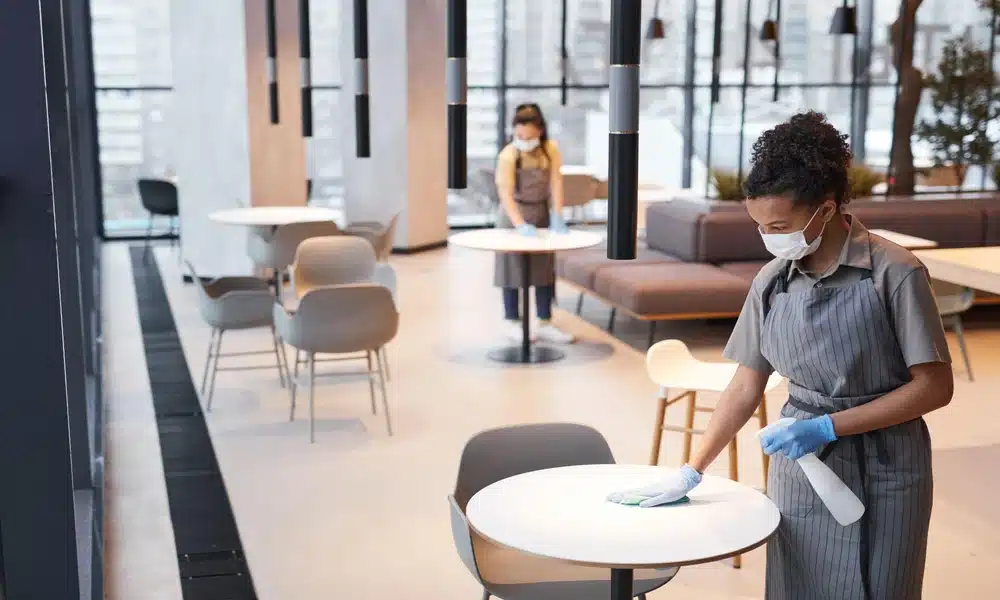
Meeting rooms, collaborative spaces and shared desks can require regular cleaning because different employees may use them throughout the day. Surfaces such as tables, chairs, handles and shared equipment can also require attention.
Observe how often these spaces are used and whether employees regularly consume food or drinks there. The assessment can help determine which areas require routine cleaning and which may need additional attention.
Businesses should also consider whether the current cleaning routine leaves these areas ready for the next working day.
Assessment Checklist
Before discussing a cleaning service, assess:
- Areas with consistently high foot traffic.
- Frequently used desks, meeting rooms and shared surfaces.
- Washrooms and handwashing facilities.
- Pantry and food preparation areas.
- Floors, carpets and other frequently contacted surfaces.
- Cleaning requirements that occur during or outside office hours.
3. Are Washrooms Receiving Sufficient Attention?
Washrooms require consistent cleaning because employees and visitors use them repeatedly throughout the day. Their condition can also influence perceptions of workplace hygiene.
Assess how frequently the facilities require cleaning and whether particular periods create heavier demand. Check floors, sinks, toilets, mirrors and other commonly used areas when reviewing the existing arrangement.
Consider whether supplies such as soap, tissue and hand-drying materials also require monitoring. These details can form part of a broader workplace cleaning plan.
4. What Condition Are the Floors and Carpets In?
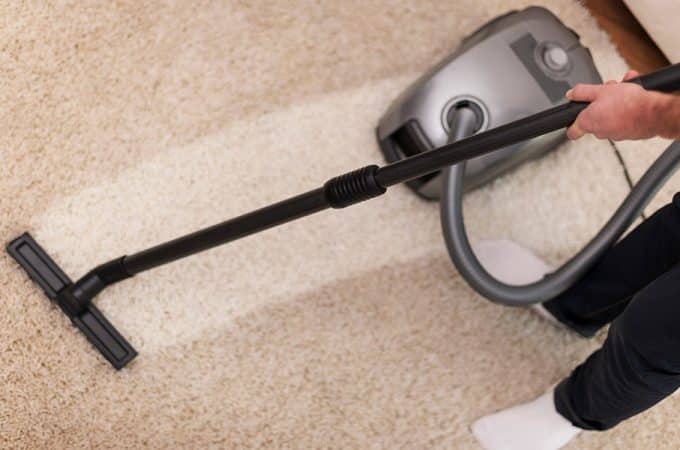
Different flooring materials require different cleaning approaches. Hard floors may accumulate visible dirt, while carpets can retain dust and debris even when their surface appears relatively clean.
Identify the types of flooring throughout the office and note areas showing staining, wear or accumulated dirt. Entrances and corridors may require more frequent attention because they receive greater traffic.
When discussing professional commercial cleaning services, provide information about the flooring materials so the cleaning approach can account for their specific requirements.
5. Does the Pantry Create Additional Cleaning Needs?
Office pantries can require more frequent cleaning than standard work areas because employees prepare, consume and dispose of food there. Spills and food residue can also create unpleasant conditions when staff do not address them promptly.
Assess the condition of counters, sinks, tables, floors and shared appliances. Consider when the pantry experiences its highest usage and whether cleaning should occur before or after particular periods.
A cleaning schedule should reflect these patterns rather than treat the pantry as another ordinary office room.
6. When Can Cleaning Take Place?
The timing of cleaning can affect how effectively a service operates within a working office. Businesses may prefer cleaning before employees arrive, after they leave or during quieter periods.
Review the office’s operating hours and identify any areas that cannot be accessed while employees are working. Consider meeting schedules, security requirements and access procedures as part of the assessment.
Clear scheduling information allows a cleaning provider to understand when work can take place without unnecessarily disrupting employees.
Define the Cleaning Requirement First
The condition of an office depends on how its spaces are used, how frequently employees occupy them and which areas require more consistent attention. Assessing these factors before engaging a service gives businesses a clearer basis for deciding what cleaning support they need.
When comparing corporate office cleaning services, look beyond a general cleaning description. Consider whether the proposed service can accommodate your office layout, usage patterns, operating hours and specific areas of concern.
Contact Doctor Clean to discuss professional commercial cleaning services and assess a cleaning arrangement suited to your office’s usage, schedule and hygiene requirements.