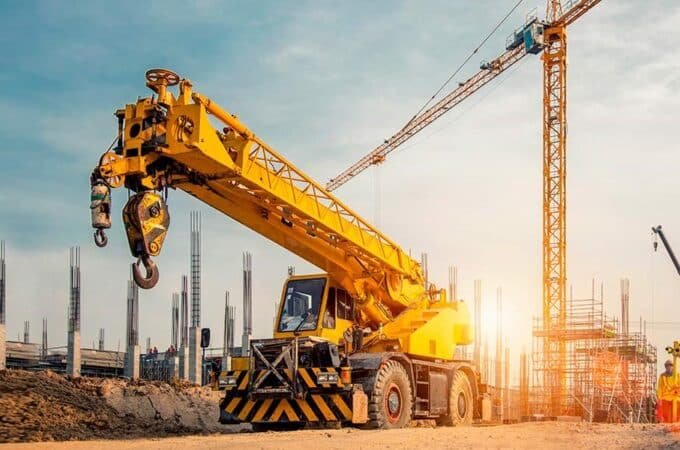

You Think They Just Deliver Steel Beams? Think Again.
Most people assume steel shows up on site, gets lifted into place, and that is the end of the story. A truck reverses in. Beams get unloaded. Everyone moves on.
But if you have managed even one serious construction project, you know that steel procurement is never that simple. Behind every successful structure stands a network of planning, certification, coordination, logistics, and risk management.
So what does a structural steel supplier actually provide? A lot more than raw metal. Let’s break it down properly.
It Starts With More Than Just Steel
Yes, a structural steel supplier provides steel sections. That is the baseline.
These typically include universal beams, universal columns, H-sections, I-beams, channels, angles, plates, hollow sections, and custom-cut profiles.
But steel supply is not about inventory alone. It is about delivering the correct grade, dimension, tolerance, and specification aligned precisely with structural drawings. A mismatch in grade or section size can delay an entire project.
Professional suppliers understand that precision is non-negotiable.
Steel Grades and Specification Advisory
Not all steel is equal. Different projects require different strength grades and compliance standards.
A competent structural steel supplier advises on suitable grades such as S275, S355, ASTM A36, or other internationally recognised standards depending on project requirements.
They ensure compliance with local building codes and international engineering specifications. This technical alignment protects structural integrity and reduces approval delays.
In short, they do not just sell steel. They ensure it meets engineering intent.
Mill Test Certificates and Quality Documentation
Quality assurance is not optional in modern construction. Every batch of steel must be traceable and verifiable.
A professional structural steel supplier provides mill test certificates, material traceability documentation, and compliance reports.
These documents confirm chemical composition, tensile strength, yield strength, and production standards.
Without proper certification, structural approval can be rejected. Documentation is as critical as the steel itself.
Cutting, Drilling, and Pre-Fabrication Services
Modern projects demand efficiency. Many suppliers go beyond raw material delivery and provide value-added processing.
This includes cutting to length, drilling bolt holes, edge preparation, and even partial fabrication.
By pre-processing steel off-site, contractors reduce on-site labour and accelerate installation.
An experienced structural steel supplier understands how to integrate supply with fabrication workflows to optimise timelines.
Inventory Management and Stock Planning
Construction schedules rarely tolerate material shortages.
Reliable suppliers maintain sufficient inventory or have secured upstream mill allocations to meet demand fluctuations.
They also assist contractors with phased delivery schedules. Instead of dumping all steel on-site at once, deliveries can be aligned with erection sequencing.
This reduces storage congestion and improves site safety.
Inventory control is not glamorous, but it is mission-critical.
Logistics and Transport Coordination
Steel beams are heavy, long, and not forgiving when mishandled.
A professional structural steel supplier coordinates transport using suitable trailers, lifting plans, and unloading procedures.
Route planning may be required for oversized loads. Delivery timing must align with crane availability on-site.
Logistics is often where inexperienced suppliers fail. The best suppliers treat transport as an engineering task, not just shipping.
Cost Forecasting and Procurement Strategy
Steel prices fluctuate based on global supply chains, raw material costs, and geopolitical factors.
An experienced structural steel supplier monitors market trends and advises clients on procurement timing.
Bulk purchasing strategies, forward contracts, and staged procurement planning can stabilise budgets.
Smart developers understand that supplier expertise in market timing can reduce overall project cost exposure.
Custom Orders and Special Sections
Standard sections cover most needs. But complex projects often require custom profiles or heavier gauges.
A capable structural steel supplier can source non-standard sections, coordinate mill rolling schedules, and manage special import requirements if necessary.
Customisation capability separates transactional vendors from strategic partners.
When design complexity increases, supplier flexibility becomes invaluable.
Corrosion Protection and Surface Treatments
Raw steel is strong but vulnerable to corrosion if unprotected.
Suppliers often provide galvanising, priming, or specialised coating services depending on environmental exposure requirements.
For coastal or industrial environments, corrosion protection specifications become stricter.
A structural steel supplier ensures surface treatment meets durability standards before delivery.
Compliance With Safety and Regulatory Standards
Construction projects must comply with local building regulations and safety frameworks.
Professional suppliers understand regulatory expectations regarding steel certification, fire performance compatibility, and traceability.
They align supply documentation with inspection and approval processes to prevent delays.
Compliance knowledge is not optional. It is foundational.
Project Coordination With Engineers and Fabricators
Steel supply rarely operates in isolation. Coordination with structural engineers, fabricators, and main contractors is constant.
Suppliers review drawings, clarify specifications, and ensure dimensional accuracy before processing.
In many projects, early collaboration between the structural steel supplier and design teams prevents costly design conflicts later.
Proactive communication protects timelines.
Sustainability and Green Procurement
Sustainability requirements are becoming stricter. Developers increasingly request recycled content data and carbon footprint disclosures.
Modern structural steel suppliers provide environmental product declarations and recycled material percentages.
Steel is highly recyclable. Responsible sourcing contributes positively to green building certifications.
Sustainability reporting is no longer optional for major projects.
Risk Management and Contingency Planning
Supply chain disruptions are not theoretical. They happen.
A strong structural steel supplier builds contingency buffers into procurement schedules. They diversify mill sources and maintain backup logistics options.
When delays occur upstream, proactive communication prevents project paralysis.
Reliability under pressure defines a professional supplier.
What Separates a Good Supplier From a Great One
A basic supplier delivers steel. A great supplier delivers certainty.
They offer technical advisory support. They anticipate pricing volatility. They align logistics with erection schedules. They provide documentation without being chased.
Most importantly, they act as long-term partners rather than transactional vendors.
When issues arise, they solve them instead of assigning blame.
Final Thoughts
On paper, a structural steel supplier provides beams, columns, plates, and sections. In reality, they provide structural reliability, procurement intelligence, compliance documentation, and logistical coordination.
They sit at the intersection of engineering precision and construction execution.
If you treat steel supply as a commodity purchase, you expose your project to unnecessary risk. If you treat your structural steel supplier as a strategic partner, you gain stability, efficiency, and long-term value.
In construction, structures stand for decades. The supply decisions behind them should be just as solid.


Originally from the U.S, Rana Tarakji is an SEO Analyst, the founder of One SEO, a multinational link building company, and the author of “Off-site SEO Guide: A Hands-on SEO Tutorial for Beginners & Dummies”, and a web content specialist who now lives in Beirut, Lebanon. Rana’s work has been published in many print and online magazines and newspapers, such as Entrepreneur, Life Hacker, Upwork, Christian Today, and many more.