

The Overlooked Benefits of Respite Care for Families
Understanding the Hidden Toll of Full-Time Caregiving
Caregiving is an act of profound love. We dedicate ourselves to the well-being of our family members. This journey, while rewarding, also brings significant emotional challenges. The constant demands can lead to immense caregiver stress and a high risk of burnout.
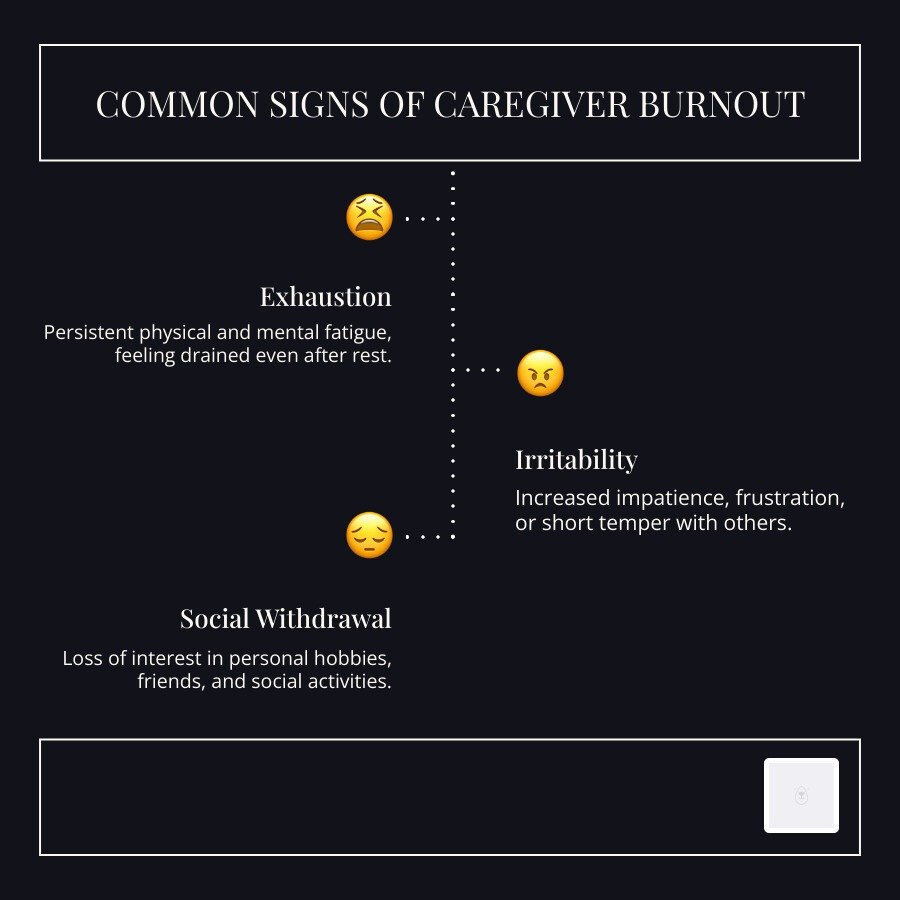
Many caregivers experience exhaustion, irritability, and social withdrawal. These are common signs that the burden is becoming too heavy.
This is where respite care becomes a vital, often overlooked, component of sustainable care. It offers essential temporary relief. We believe taking a planned break is not a luxury, but a necessity.
Throughout this article, we will explore the transformative benefits of embracing respite care. We will see how it helps both caregivers and their loved ones thrive. We’ll also cover how to find the right support, including options for Personalized respite care.
The role of a caregiver is often described as a marathon, not a sprint. It demands unwavering commitment, boundless patience, and a constant readiness to respond to needs. While deeply fulfilling, this relentless dedication can exact a heavy toll on the caregiver’s own well-being. Research consistently shows that caregivers are at a significantly higher risk for physical and mental health issues, sleep problems, and chronic conditions such as high blood pressure. Some studies even indicate an increased risk of premature death for caregivers who lack adequate support. This isn’t just anecdotal; it’s a stark reality that underscores the critical need for proactive self-care and external assistance.
The continuous demands of caregiving can leave individuals feeling perpetually overwhelmed and socially isolated. Many caregivers find themselves sacrificing their personal lives, hobbies, and social connections, leading to a profound sense of loneliness and disconnection from the world outside their caregiving responsibilities. This isolation exacerbates feelings of stress and can make it difficult to recognize when the burden has become too much to bear. It’s a silent struggle for millions, impacting not only their health but also the quality of care they can provide.

The Emotional Weight
The emotional landscape of caregiving is complex and often fraught with conflicting feelings. Caregivers frequently grapple with a heavy emotional weight that can manifest in various ways:
- Guilt: A pervasive feeling that they are not doing enough, or that taking a break is somehow abandoning their loved one. This can prevent caregivers from seeking the very help they desperately need.
- Frustration: The challenges of managing a loved one’s condition, navigating complex healthcare systems, or dealing with difficult behaviors can lead to intense frustration, which can then be followed by guilt over feeling frustrated.
- Sadness and Anxiety: Witnessing a loved one’s decline, especially with conditions like Alzheimer’s or other dementias, can evoke profound sadness. The constant worry about their loved one’s safety, health, and future can lead to chronic anxiety.
- Losing Interest in Personal Hobbies:As caregiving responsibilities consume more time and energy, caregivers often find themselves withdrawing from activities they once enjoyed. This loss of personal identity and joy contributes to feelings of emptiness and depression.
- Burnout: The culmination of these emotional stressors, coupled with physical exhaustion, can lead to caregiver burnout – a state of physical, emotional, and mental exhaustion that can make it impossible to continue providing care effectively. Caregiver support groups play a crucial role in addressing these emotional challenges by providing a safe space for sharing and validation.
The Physical Strain
Beyond the emotional burden, caregiving often involves significant physical demands. Lifting, assisting with mobility, and performing household tasks can lead to chronic physical strain. This is compounded by the neglect of their own health:
- Chronic Exhaustion: The relentless schedule, often including interrupted sleep, leaves caregivers in a constant state of fatigue. This isn’t just tiredness; it’s a deep-seated exhaustion that no amount of rest seems to alleviate.
- Disrupted Sleep: Many caregivers experience fragmented sleep due to nighttime care needs, worry, or the inability to “turn off” their minds. Lack of restorative sleep impairs cognitive function, mood, and physical health.
- Frequent Headaches and Other Physical Problems: Stress and tension often manifest as physical symptoms, including frequent headaches, muscle aches, and digestive issues.
- Neglecting Personal Health:Caregivers often postpone or skip their own doctor’s appointments, medication refills, and preventive screenings, prioritizing their loved one’s needs over their own. This neglect can lead to the worsening of existing conditions or the development of new health problems.
- Increased Risk for Illness: Chronic stress weakens the immune system, making caregivers more susceptible to infections and other illnesses.
These emotional and physical challenges are not just personal struggles; they impact the entire caregiving dynamic. When caregivers are depleted, their capacity for patience, empathy, and effective decision-making diminishes, potentially affecting the quality of care their loved ones receive. This is why recognizing these signs of stress and actively seeking solutions is paramount.
What is Respite Care? A Lifeline for Family Caregivers
Respite care, at its core, is about providing temporary relief for primary caregivers. It’s a planned, short-term break designed to give caregivers time to rest, recharge, and attend to their own needs, knowing their loved one is in capable hands. This isn’t about “giving up” on caregiving; it’s about strategically stepping back for a period to maintain balance and prevent burnout, ultimately strengthening the caregiver’s ability to continue their vital role.
The concept is simple: a professional, trained caregiver steps in to provide care for your loved one, allowing you to take a much-needed break. This can range from a few hours a day to overnight stays, or even extended periods, depending on the needs of both the caregiver and the care recipient. It’s a proactive measure that benefits everyone involved, ensuring that the primary caregiver remains healthy and capable, and the care recipient continues to receive high-quality, compassionate support.

In-Home Respite Care
One of the most popular and beneficial forms of respite care is in-home respite. This service brings professional care directly into your loved one’s familiar environment. The key advantages of in-home respite care include:
- Personalized Support: Care plans are custom to your loved one’s specific needs, ensuring they receive the exact level of assistance required for their daily activities, medication management, and personal care.
- Familiar Surroundings: Your loved one remains in the comfort and security of their own home, minimizing disruption and anxiety often associated with changes in environment, especially for individuals with cognitive impairments like dementia.
- Companionship: Beyond practical assistance, in-home respite caregivers provide valuable companionship, engaging your loved one in conversation, activities, and social interaction, which can combat feelings of loneliness and isolation.
- Assistance with Daily Tasks: From meal preparation and light housekeeping to bathing, dressing, and mobility support, professional caregivers handle the day-to-day tasks, ensuring your loved one’s needs are met comprehensively.
- Allowing Loved Ones to Age in Place:By supporting the primary caregiver and providing consistent, professional help, in-home respite care significantly contributes to the ability of older adults and those with chronic conditions to remain in their homes for longer, maintaining their independence and dignity.
In-home care provides a seamless transition for both the care recipient and the primary caregiver, offering peace of mind and continuity of care.
Community-Based Options
Beyond in-home services, a variety of community-based respite options offer different environments and experiences for care recipients:
- Adult Day Programs: These centers provide structured activities, social engagement, and supervision during daytime hours. They are excellent for individuals who benefit from routine, social interaction, and a stimulating environment outside the home. It also offers caregivers a regular schedule for their breaks.
- Social Activities: Many community centers, senior centers, and specialized organizations offer programs designed for older adults or individuals with specific conditions. These can include art classes, music therapy, exercise programs, or group outings, providing engaging activities and a change of scenery.
- Structured Engagement: These programs are typically staffed by professionals trained to work with diverse needs, ensuring a safe and supportive environment where participants can thrive.
- Safe Environment: Community-based options are designed with safety in mind, offering supervision and appropriate facilities to prevent accidents and ensure well-being.
- Peer Interaction: These settings provide opportunities for care recipients to interact with peers, fostering a sense of community and reducing feelings of isolation, which can be particularly beneficial for those who spend most of their time at home.
The choice between in-home and community-based respite often depends on the care recipient’s preferences, health status, and the caregiver’s specific needs for a break. Both options are invaluable tools in the caregiver’s toolkit, offering flexibility and diverse benefits.
5 Transformative Benefits of Embracing Respite Care
Embracing respite care is not merely about taking a break; it’s about investing in the long-term sustainability of your caregiving journey and enhancing the well-being of everyone involved. The benefits extend far beyond temporary relief, creating a positive ripple effect throughout the family.
Here are some simple, restorative activities for a caregiver’s break:
- Take a leisurely walk in nature.
- Read a book or magazine purely for pleasure.
- Meet a friend for coffee or a meal.
- Enjoy a quiet bath or shower without interruption.
- Pursue a long-neglected hobby.
- Catch up on sleep or simply rest.
- Watch a favorite movie or TV show.
- Engage in a mindfulness exercise or meditation.
1. Restore Your Own Health and Happiness
The most immediate and profound benefit of respite care is the opportunity it provides for caregivers to prioritize their own physical and mental health. This is crucial because, as discussed, caregivers often face higher risks of illness and burnout.
- Reduces Stress: Stepping away from the constant demands, even for a short period, significantly lowers stress levels. This break allows the body and mind to relax and recover from chronic tension.
- Prevents Burnout: Regular respite care acts as a preventative measure against the debilitating effects of burnout. It ensures that the emotional and physical reserves are replenished before they are completely depleted.
- Catches Up on Sleep: Many caregivers suffer from chronic sleep deprivation. Respite provides dedicated time to catch up on lost sleep, which is fundamental for cognitive function, mood regulation, and physical health.
- Attends Personal Appointments:Caregivers often neglect their own medical, dental, or therapy appointments. Respite care frees up time to schedule and attend these crucial health check-ups, ensuring their own health needs are met.
- Makes Time for Exercise: Physical activity is a powerful stress reliever and mood booster. Respite allows caregivers to engage in exercise, whether it’s a walk, a yoga class, or a swim, contributing to better physical and mental well-being.
By restoring your health and happiness, you return to your caregiving role with renewed vigor and a healthier perspective.
2. Reconnect with Your Life and Passions
Caregiving can be all-consuming, often leading to a loss of personal identity outside the caregiving role. Respite care offers a precious opportunity to reconnect with who you are beyond your responsibilities.
- Nurtures Friendships: Social connections are vital for mental health. Respite allows you to meet friends, enjoy conversations, and maintain the social bonds that often fray under the pressures of caregiving. This combats the social isolation many caregivers experience.
- Pursues Hobbies: Whether it’s painting, gardening, reading, or playing an instrument, engaging in personal hobbies brings joy and a sense of accomplishment. Respite provides the time and mental space to revisit these passions.
- Spends Time with a Partner or Children: If you have a spouse, partner, or children, respite care offers the chance to dedicate focused, quality time to these relationships, strengthening family bonds that might be strained by caregiving demands.
- Maintains a Sense of Self Outside of Caregiving: This is perhaps one of the most profound benefits. By stepping away, even briefly, you reaffirm your identity as an individual with your own needs, desires, and interests, which is essential for overall mental well-being.
Reconnecting with your life and passions helps you remember your value beyond caregiving, fostering a more balanced and fulfilling existence.
3. Improve the Quality of Care You Provide
It might seem counterintuitive, but taking a break actually makes you a better caregiver. When you are rested and recharged, your capacity for patience, empathy, and effective care significantly improves.
- Returns with More Energy: A well-rested caregiver has more physical and mental energy to dedicate to their loved one’s needs, making daily tasks less daunting and interactions more positive.
- Offers Greater Patience: Chronic fatigue and stress can lead to irritability and a shorter fuse. Respite helps restore patience, allowing for more understanding and compassionate responses to challenging situations.
- Brings a Positive Mindset: A break can shift your perspective, reducing feelings of resentment and fostering a more positive and optimistic outlook on your caregiving role. This positive energy is often contagious and can improve your loved one’s mood as well.
- Reduces Feelings of Resentment:When caregivers are constantly giving without receiving, resentment can build. Respite care helps alleviate this by providing a much-needed opportunity for self-care, reinforcing that your needs also matter.
Respite care empowers you to provide care not just out of duty, but with renewed love, energy, and genuine compassion.
How to Find and Access Quality Respite Care
Finding the right respite care can seem daunting, but numerous resources are available to guide you through the process. It’s about tapping into local and national networks, understanding your options, and making informed choices that best suit your family’s unique needs.
A great starting point for local resources is your Area Agency on Aging (AAA). These agencies are mandated to provide information and assistance to older adults and their caregivers, including details on respite care services, caregiver support programs, and training. They often organize support groups and can help you steer local services. Another invaluable tool is the Eldercare Locator, a public service of the U.S. Administration on Aging. By simply entering your zip code, you can find local resources for older adults and their caregivers, including respite providers. Physicians and other healthcare professionals can also be excellent sources of referrals, often having direct knowledge of trusted providers in your community.
Tapping into Community and National Networks
Beyond local agencies, a wealth of organizations operate at community and national levels, offering support, information, and connections to respite services:
- Family Caregiver Alliance (FCA): As a national center on caregiving, FCA provides extensive information, education, and services for family caregivers. They often facilitate and sponsor various types of support groups, both in-person and online, which can be excellent places to learn about respite options from peers or professionals.
- AARP Caregiving Resource Center:AARP offers a comprehensive hub of information, guides, and tools for caregivers, including advice on finding respite care and managing caregiving responsibilities.
- Local Senior Centers: These centers are often community hubs that not only offer activities for older adults but also provide resources and referrals for caregivers, sometimes even hosting caregiver support groups.
- Caregiver Support Groups: These groups, whether virtual or in-person, are invaluable. They offer a safe space for caregivers to share experiences, seek advice, and receive emotional support from others facing similar challenges. Crucially, these groups are often where caregivers learn about respite care services from fellow members who have used them, or from facilitators who can provide direct referrals. Many specialized support groups, such as those for caregivers of individuals with Alzheimer’s, dementia, ALS, or other chronic illnesses, frequently discuss and recommend respite care as a key strategy for managing the demands of care. For example, the Alzheimer’s Association offers peer- or professionally led groups that often cover this topic. Online communities and message boards like ALZConnected® also provide a platform for caregivers to ask questions and get advice on respite care from a broad network of peers.
Choosing the Right In-Home Support
Once you’ve explored the available options, selecting the right in-home respite care provider is a critical step. This involves careful consideration to ensure your loved one receives the best possible care and you gain genuine peace of mind.
- Asking for Recommendations: Start by asking friends, family, healthcare providers, or members of your caregiver support groups for recommendations. Personal referrals can provide valuable insights into a provider’s reliability and quality of care.
- Interviewing Providers: Don’t hesitate to interview several agencies or individual caregivers. Prepare a list of questions covering their experience, training, services offered, emergency protocols, and references.
- Checking Credentials: Verify licenses, certifications, and background checks for any agency or individual you consider. Ensure they are bonded and insured.
- Finding Personalized Respite Care:Look for providers who offer flexible, custom services that align with your loved one’s specific needs and routines. The goal is to ensure continuity and comfort during your absence. For example, a provider that offers compassionate, professional, and truly personalized respite care can make all the difference, ensuring your loved one is not just supervised but genuinely engaged and cared for.
- Ensuring a Good Personality Match for Your Loved One: This is often overlooked but incredibly important. A caregiver’s personality and approach should resonate with your loved one’s temperament and preferences. A trial period can be beneficial to assess this match.
By diligently researching and selecting your respite care provider, you can confidently take the breaks you need, knowing your loved one is in excellent hands.
Embracing Support: A Final Thought on Your Caregiving Journey
The journey of caregiving is one of the most demanding yet profoundly meaningful experiences one can undertake. It is a testament to the strength of human connection and the depth of love. However, to sustain this journey, to truly thrive in this role, and to continue providing the highest quality of care, we must acknowledge a fundamental truth: caregivers need care too.
Respite care is not a luxury; it is a necessity. It is an essential component of a holistic care plan that prioritizes the well-being of both the care recipient and the caregiver. Viewing respite as an act of love – an act of self-love that empowers you to love more fully – transforms it from an obligation into a vital practice.
Prioritizing self-care through respite is not a sign of weakness or a failure in your commitment. On the contrary, it is a demonstration of wisdom, strength, and foresight. It allows you to step back, recharge your emotional, mental, and physical batteries, and return to your caregiving role with renewed energy, patience, and a more positive outlook. This proactive approach helps combat the isolation and stress that so many caregivers face, enabling you to build stronger, healthier relationships with your loved one and your support network.
By embracing respite care, you are not just taking a break; you are strengthening your ability to provide compassionate, sustainable care for the long term. You are ensuring that your own well-being remains intact, allowing you to continue your invaluable role with resilience and grace. You are not alone on this journey. Seek out the support, resources, and breaks you deserve. It is the best gift you can give to yourself and to those you care for.