Innovative Roofing Materials for Modern Homes
Key Takeaways
- Modern roofing materials offer enhanced durability and energy efficiency, resulting in long-term savings on home maintenance and utility bills.
- Options like solar tiles and green roofs provide direct sustainability benefits by generating clean energy or improving urban air quality and stormwater management.
- Technological advancements have led to the development of smart roofing systems, which integrate sensors and automation for real-time monitoring and maintenance alerts.
Table of Contents
- Metal Roofing
- Solar Tiles
- Green Roofs
- Composite Shingles
- Synthetic Slate and Tile
- Smart Roofing Technologies
- Conclusion
Innovative Roofing Materials for Modern Homes
As modern homes continue to evolve, the selection of roofing materials has become a critical decision point for homeowners and builders who prioritize sustainability, energy efficiency, and cutting-edge style. In the past, most residences relied on conventional options like asphalt shingles, but the market is now witnessing an explosion of advanced materials that blend visual appeal with superior function. Today’s innovative roofing solutions not only meet the practical needs of shelters but also make bold design statements, reflecting the shifting values of homeowners who demand both performance and aesthetics from their homes. Whether you are constructing a new build or retrofitting an older residence, the range of choices now available is broader and more sophisticated than ever before. For residents seeking expert advice and skilled installation, partnering with a trusted provider like Pressure Point residential roofing ensures guidance through every stage of the process, from selecting suitable options to maintaining quality throughout the roof’s lifespan.
Opting for these innovative roofing materials can transform your home’s curb appeal and market value. Modern roofs are designed to deliver top-tier energy efficiency, helping your household save money on heating and cooling bills year-round. Many newer products are engineered for remarkable durability, helping homeowners avoid frequent repairs or early replacements, which can be costly and inconvenient. Environmentally conscious buyers are particularly drawn to roofing systems that incorporate recycled materials or support renewable energy generation, thereby reducing the overall ecological impact of their living spaces. By incorporating sustainable features, such as energy-absorbing coatings or materials with long reuse cycles, contemporary roofing solutions support global efforts to curb environmental degradation and encourage community health. Ultimately, these choices are about more than just top-down protection—they represent a holistic approach to modern living.
One of the most exciting aspects of today’s roofing innovations is their ability to do more than passively shield a home from the elements. The materials now entering the mainstream can actively benefit their surroundings—for instance, by reflecting solar heat away from the building, supporting solar power generation, or fostering rooftop green spaces that reduce city overheating and improve air quality. This expansion of roofing’s potential reflects forward-thinking communities and homeowners who demand both practical outcomes and positive environmental change. The result is a diverse and growing set of options that suit any home, whether it’s an urban townhome with limited space or a large suburban property seeking to maximize energy independence and outdoor living. When considering a new roof, it’s important to weigh factors such as local climate, sustainability goals, and long-term maintenance alongside initial installation costs.
Metal Roofing
Metal roofing stands out as a top choice for durability and longevity, with many installations lasting 40 to 70 years, depending on the type of metal and the quality of installation. Unlike conventional roofing, metal is highly resistant to hail, wind, and fire damage, making it especially attractive in regions prone to severe weather events. Homeowners can choose from a variety of finishes and profiles; some mimic the classic look of wood shakes, clay tiles, or even traditional shingles, offering flexibility to match different architectural styles.
According to FacilitiesNet, which explains how metal roofing can enhance energy performance, modern metal roof systems are engineered not only for strength but also for improved thermal efficiency. This additional layer of performance is a major advantage in homes and buildings seeking to reduce long-term energy use without compromising durability.
In addition to its formidable strength, metal’s reflective properties mean that it absorbs far less heat than darker, non-reflective roofs—a critical benefit in areas experiencing long, hot summers. Environmentally, metal roofs are highly sustainable, as materials like aluminum and steel are fully recyclable, and many manufacturers now use significant recycled content in new panels. Installation may require a higher up-front investment than asphalt shingles, but the reduced maintenance, infrequent replacement, and lower energy bills provide a substantial return over time.
Solar Tiles
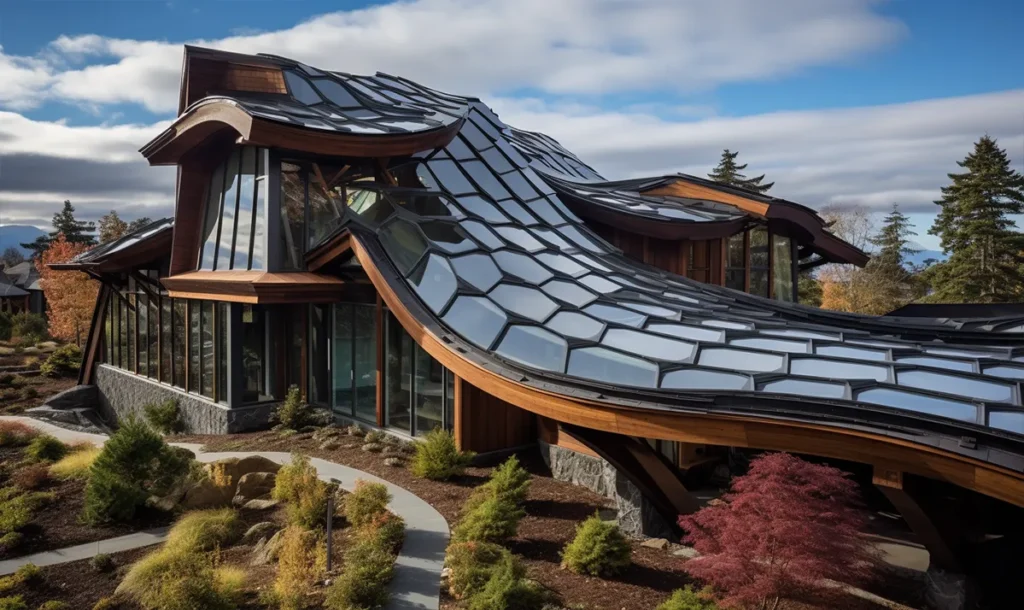
Solar tile roofing represents a watershed moment in the intersection of clean energy and home design. Unlike conventional solar panels mounted on an existing roof, solar tiles are integrated directly into the roofing structure, blending with surrounding materials for a seamless, modern look. These photovoltaic shingles convert sunlight into electricity, allowing homeowners to potentially power most or all of their domestic energy needs. This feature is rapidly becoming desirable as energy costs rise and sustainability takes center stage in construction. While installation costs for solar roofing systems can be considerably higher initially, available incentives, rebates, and tax credits in many areas can make the investment more approachable for qualified homeowners. Over time, monthly utility savings add up, especially as utility rates continue to rise. Ongoing technological progress has improved the efficiency and aesthetic flexibility of solar tiles, so they no longer sacrifice style for function. Homeowners are increasingly drawn to these systems for their potential to reduce or even eliminate reliance on grid electricity, thereby lowering monthly expenses and reducing environmental impact.
Green Roofs
Green roofs, also known as living roofs, offer a truly innovative way to combine functionality and ecological sensitivity in modern roof design. By layering drought-resistant plants, engineered soil, and drainage membranes on a rooftop, a green roof transforms a previously unused space into a living ecosystem. This design provides superior insulation, reducing heating and cooling demands and creating more stable indoor temperatures throughout the year. The foliage and substrate not only moderate building temperatures but also capture airborne pollutants and help filter rainwater, reducing runoff and the risk of flooding in dense urban areas. As cities and municipalities increasingly seek ways to combat the effects of climate change and improve residents’ quality of life, green roofs are becoming hallmarks of forward-thinking development. Maintenance for green roofs is a key consideration, as the vegetation requires occasional tending, particularly during droughts or changing seasons. Homes must be structurally evaluated before installation to ensure they can support the added weight of soil and moisture. Still, the promise of improved air quality, energy savings, and even opportunities for urban gardening has made this option increasingly popular among environmentally engaged homeowners.
Composite Shingles
Composite shingles have risen rapidly in popularity because they offer the appearance of high-end materials like cedar or slate without the significant downsides of natural products. These shingles are engineered from advanced polymers and fiberglass, delivering a lightweight but rigid material that resists cracking, splitting, and fading—even in harsh weather. Unlike cedar shakes, which can warp or rot, or traditional slate tiles, which are both brittle and heavy, composite shingles require significantly less maintenance and offer far superior resistance to impact and weathering. Many manufacturers back these products with long-term warranties, giving homeowners additional peace of mind. Composite shingles are also noted for being easier to install, which can lower overall labor costs. In regions with frequent storms or challenging weather, this type of shingle is a compelling choice, as it retains its appearance for many years with very little upkeep.
Synthetic Slate and Tile
Synthetic slate and tile combine sophisticated visual aesthetics with practical performance. These roofing materials are crafted from engineered composites that replicate the authentic look and feel of quarried stone or ceramic tile without the high cost, excessive weight, or maintenance needs of their traditional counterparts. The lighter weight makes them an excellent solution for older homes or for projects where the underlying structure can’t safely support heavy materials. Because they are manufactured using specialized polymers or rubber-based compounds, synthetic tiles resist chipping, freezing, and breakage far better than natural versions. For homeowners seeking a prestigious appearance and enduring resilience, synthetic slate is a leading contemporary roofing material. Installation still needs professional attention due to the advanced nature of these materials, but the overall result is a roof that maintains its beauty and integrity for decades.
Smart Roofing Technologies
Modern roofing doesn’t stop at physical materials—it now includes smart technology that elevates roof performance and homeowner convenience. This technology includes installing sensors within the roofing system itself, enabling real-time monitoring of issues such as moisture infiltration, ice dam build-up, and uncharacteristic temperature fluctuations. Homeowners can access this critical data instantly via smartphone apps, enabling them to address minor issues before they turn into expensive repairs or replacements. In some advanced systems, integration with home automation can even trigger responses, such as closing attic vents or automatically alerting service professionals when a problem is detected. This type of connectivity supports preventative maintenance strategies, saving homeowners time, money, and inconvenience in the long run. As smart home technology continues to advance, these features are expected to become increasingly affordable and prevalent in mainstream residential construction.
Conclusion
Innovative roofing materials are transforming the way today’s homes look, feel, and function. The expanding choices allow homeowners to prioritize what matters most to them, whether it’s minimizing their environmental impact, enjoying lower energy bills, or achieving a distinctive visual statement. Making an informed selection is undoubtedly a worthwhile investment, one that requires thoughtful consideration and, ideally, the support of knowledgeable professionals. By embracing advanced roofing options, you’re not only increasing your property’s value and comfort but also investing in a brighter, more resilient future for your community and the planet as a whole.