Handcrafted timber frame outdoor structures
The Enduring Allure of Timber Frame Outdoor Living
Handcrafted timber frame outdoor structures are far more than simple additions to a property; they are profound statements. They speak of timeless beauty, enduring strength, and a deep connection to the natural world. We see these magnificent structures as a seamless blend of old-world craftsmanship and modern living, capable of changing any outdoor space into a breathtaking haven for relaxation and entertainment.
Through thoughtful design and meticulous execution, they lift a basic patio or garden into a functional and neat extension of the home. They offer not just shelter, but a distinct style that promises to last for generations. Throughout this guide, we will explore what makes these structures such a valuable investment, delving into their inherent durability, aesthetic appeal, sustainable practices, and the significant value they add to any property.

What Defines Handcrafted Timber Frame Outdoor Structures?
This section digs into the core components that make these structures so unique and desirable, from the traditional techniques used by artisans to the premium materials that ensure their longevity. Understanding these elements is key to appreciating the artistry and engineering behind every beam and joint.
The Art of the Craft: Traditional Joinery Explained
At the heart of every handcrafted timber frame structure lies the ancient art of joinery. Unlike modern construction that often relies on metal plates, bolts, and fasteners, true timber framing employs ingenious wood-to-wood connections. These traditional joinery techniques, perfected over centuries, create structures of remarkable strength and elegance.
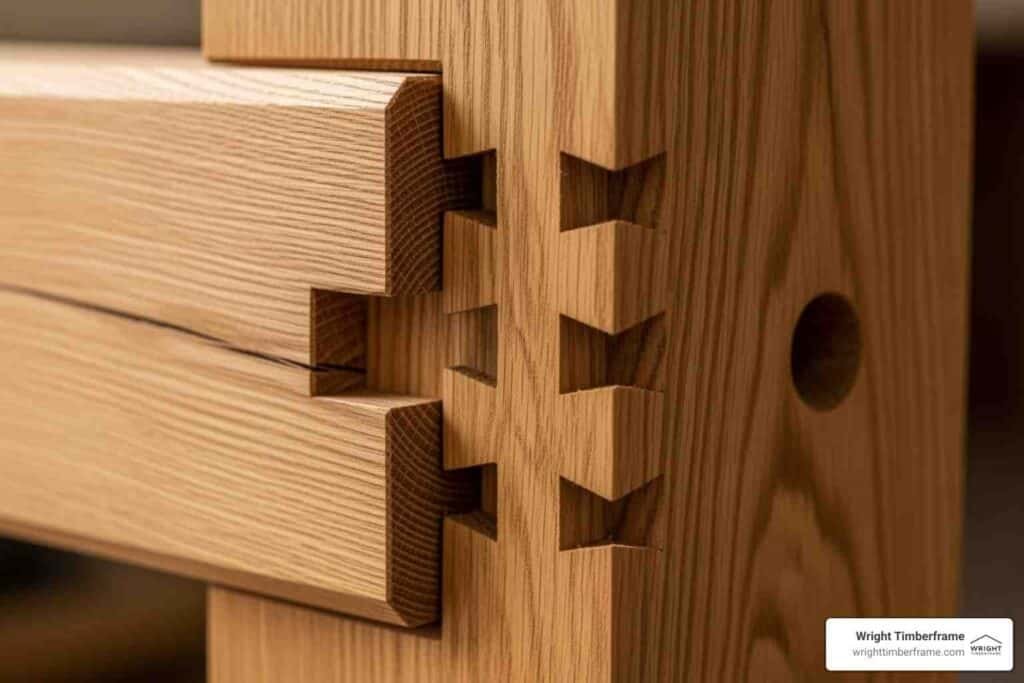
The most iconic of these is the mortise and tenon joint. This involves shaping the end of one timber (the tenon) to fit precisely into a cavity carved into another timber (the mortise). Once fitted, these joints are secured with hardwood pegs, typically made of oak, driven through the connection. This creates a bond that is not only incredibly strong but also allows the wood to expand and contract naturally with changes in humidity and temperature, minimizing stress on the structure. Another sophisticated technique is dovetail joinery, often used in connections where resistance to pulling forces is critical, such as in floor joists or tie beams. The distinctive wedge shape of the dovetail provides exceptional mechanical strength, locking components together without the need for external hardware.
This reliance on interlocking joinery offers a seamless, time-honored look with best craftsmanship, a stark contrast to the often visible metal fasteners found in post-and-beam construction. The absence of exposed metal hardware contributes significantly to the clean lines and aesthetic purity that define timber frame structures. This meticulous attention to detail and the requirement for a higher level of engineering and expertise in crafting these precise connections inherently contribute to the value and longevity of the structure. The result is a work of art that is as functional as it is beautiful, a testament to the skill of the artisans who create it. You can learn more about these intricate connections and their role in structural integrity by exploring resources on traditional timber frame joinery.
Selecting the Perfect Timber: Douglas Fir and Cedar
The choice of wood is paramount in crafting outdoor timber frame structures, influencing not only the aesthetic appeal but also the durability and longevity of the investment. We carefully consider the properties of various timber species to ensure each project meets the highest standards.
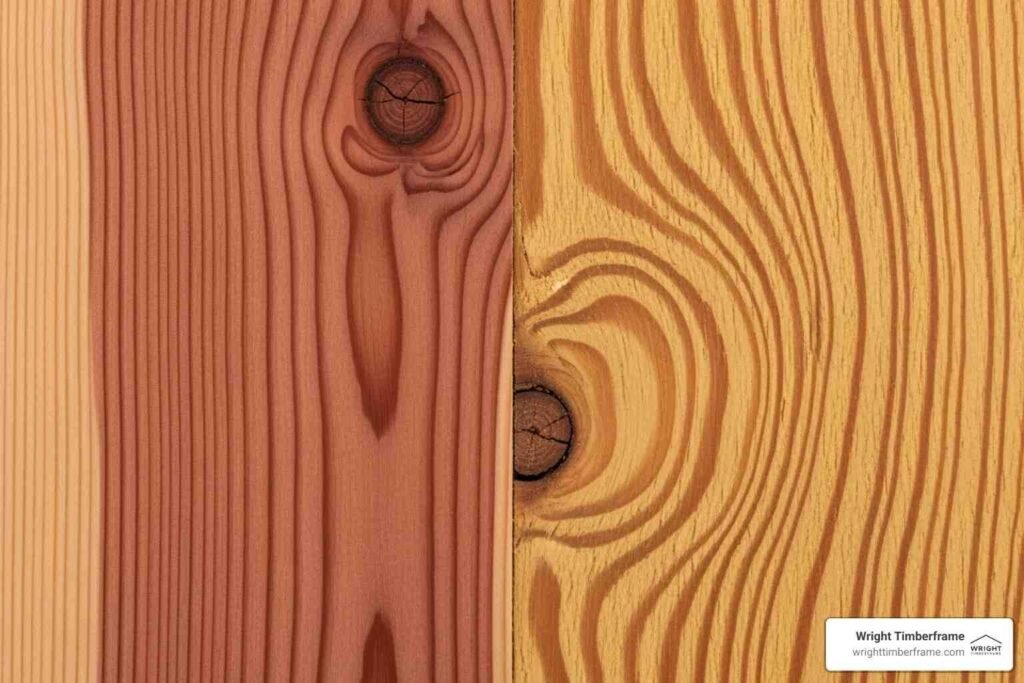
Douglas Fir stands out as a preferred choice for many reasons. Known for its exceptional strength-to-weight ratio, it provides the robust structural integrity required for large spans and heavy loads. Its dense grain and natural resistance to decay make it an excellent material for outdoor applications, capable of withstanding diverse weather conditions. Douglas Fir also offers a beautiful, consistent grain pattern and a warm, reddish-brown hue that deepens with age, adding character to any setting. When properly treated and maintained, Douglas Fir structures can endure for decades, becoming a cherished part of your property.
Western Red Cedar is another highly valued timber, particularly for its natural resistance to insects, rot, and moisture. This inherent durability, coupled with its aromatic scent and distinctive reddish-brown color, makes it an ideal choice for structures where natural beauty and low maintenance are prioritized. Cedar is also lighter than Douglas Fir, which can sometimes simplify installation for certain designs. Its cellular structure allows it to absorb and release moisture without significant warping, making it very stable in varying climates.
A unique characteristic of natural wood, especially in large timbers, is “checking” – the appearance of surface cracks as the wood dries and settles. While some might initially view this as a flaw, we accept checking as an inevitable and beautiful feature that adds to the unique character and story of each piece of wood. It’s a natural process that doesn’t compromise the structural integrity of the timber. Understanding how to choose the right wood for your specific needs, whether it’s the strength of Douglas Fir or the natural resilience of Cedar, is crucial for a successful outdoor structure project. For a deeper dive into these options, consider our insights on choosing the right wood and the specific qualities of select Douglas Fir or Cedar.
Popular Designs: From Pavilions to Pergolas and Trellises
The versatility of handcrafted timber framing allows for an impressive array of outdoor structures, each designed to improve your living space in unique ways. From grand gathering places to subtle garden accents, these designs transform ordinary backyards into extraordinary havens.
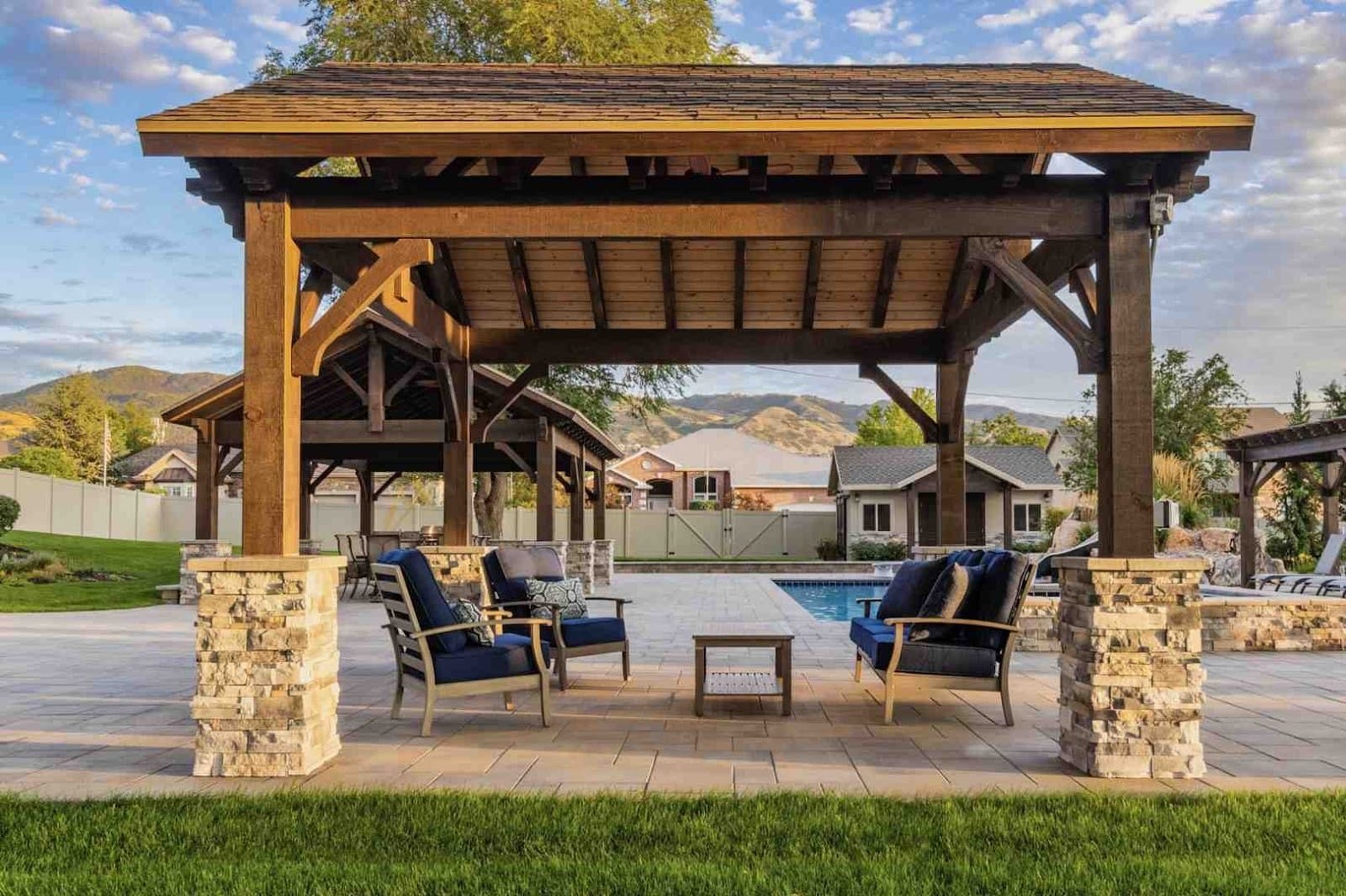
Pavilions are perhaps the most iconic and substantial of timber frame outdoor structures. Featuring a full, solid roof supported by sturdy timber posts, pavilions offer complete shelter from both sun and rain, making them ideal for outdoor dining areas, lounges, or even outdoor kitchens. They often become the centerpiece of an outdoor living space, providing a defined area for entertaining and relaxation.
Pergolas, on the other hand, are designed to offer dappled shade and define outdoor rooms without fully enclosing them. Their open rafter design allows sunlight to filter through, creating beautiful patterns of light and shadow. A standard pergola design can provide approximately 85% shade coverage, comparable to the cooling comfort of a mature shade tree, making them perfect for covering patios, walkways, or garden seating areas. They can also serve as a beautiful framework for climbing plants, further integrating the structure with nature.
Gazebos are traditionally crafted in neat polygonal forms, often hexagonal or octagonal, offering a timeless sanctuary in the garden. With a solid roof and open sides, they provide a sheltered spot for quiet reflection or intimate conversation, designed to offer picturesque views of the surrounding landscape.
Trellises and arbors are smaller, more delicate timber frame elements, primarily used to support climbing plants, define pathways, or add architectural interest to garden walls or entrances. A custom wood trellis can transform a plain fence or wall into a vibrant green feature, while an arbor can create an inviting gateway.
Beyond these common types, timber framing lends itself to highly custom designs. We can craft outdoor kitchens, pool cabanas, carports, and even unique structures like outdoor bars or garden studios. The beauty of handcrafted timber framing lies in its adaptability, allowing us to create bespoke structures that perfectly match your vision and lifestyle. For a comprehensive overview of how these structures can improve your property, we invite you to consult our main resource on Handcrafted timber frame outdoor structures.
The Benefits and Lifespan of a Timber Frame Investment
Investing in a timber frame structure is about more than immediate enjoyment; it’s about creating a lasting legacy. These structures are engineered for durability and, with proper care, can become a cherished feature of your property for decades, significantly enhancing both its usability and market value.
Durability and Maintenance for Generations of Enjoyment
One of the most compelling aspects of handcrafted timber frame outdoor structures is their remarkable durability. When properly designed and maintained, these structures are built to last for generations. Many ancient timber frame buildings around the world still stand today, a testament to the enduring strength of this construction method. While indoor timber frame structures can last over 100 years, outdoor structures without walls, exposed to the elements, typically have a lifespan of around 20-40 years, with proper care extending this significantly.
To maximize the lifespan and preserve the beauty of your timber frame investment, proactive maintenance is key. UV protection is crucial, as prolonged exposure to sunlight can degrade wood fibers and lead to discoloration. Applying a high-quality stain or sealant with UV inhibitors is highly recommended. These staining cycles should typically occur every 1-3 years on exposed sections, or as soon as you notice the original finish beginning to fade or show signs of wear. It’s always better to re-stain before the wood becomes significantly weathered.
Moisture prevention is equally vital. Water is the primary enemy of wood, leading to rot and decay. Design elements like adequate roof overhangs, proper drainage, and the use of post standoffs are essential. Post standoffs lift the base of the timber posts off the ground or patio surface, preventing direct contact with moisture and allowing air circulation. If your structure has exposed wooden posts and the patio consists of pavers with concrete footers/piers under them, post standoffs are highly recommended to ensure the bottoms of the posts do not reside beneath the patio surface. You can find a detailed guide on the importance and installation of post standoffs here. Additionally, installing rain gutters can minimize splash-back onto the timber, further protecting it.
Regular cleaning to remove debris, leaves, and dirt also contributes to the longevity of the structure. Addressing any minor issues promptly, such as loose pegs or damaged finishes, can prevent them from escalating into larger problems. For those who enjoy hands-on projects, assembling a DIY timber frame pavilion can be a rewarding experience, especially with pre-cut kits and clear instructions. You can even see our video here for a glimpse into the DIY assembly process. By following these maintenance guidelines, your timber frame structure will not only look stunning but also provide a durable, beautiful outdoor space for many generations to come. For more in-depth advice on keeping your structure in pristine condition, refer to our guide on timber frame pavilion maintenance: how to keep your structure looking great and understanding cracks in the timber of your new timber frame structure: causes and solutions.
Enhancing Property Value and Aesthetic Appeal
Beyond their functional benefits and inherent durability, handcrafted timber frame outdoor structures offer significant advantages in enhancing a property’s value and aesthetic appeal. These structures are not merely additions; they are architectural statements that lift the entire landscape.
Firstly, they dramatically boost curb appeal. The robust elegance of heavy timbers, combined with the intricate beauty of traditional joinery, creates an immediate impression of quality, craftsmanship, and timeless design. This visual impact can set a property apart, making it more attractive to potential buyers should you ever decide to sell.
Secondly, timber frame structures often lead to a measurable increased property value. By creating functional and inviting outdoor living rooms, they effectively expand the usable square footage of a home. Imagine a spacious timber frame pavilion serving as an outdoor dining room, a cozy gazebo as a reading nook, or a beautifully shaded pergola over a patio. These dedicated outdoor spaces are highly sought after, reflecting a lifestyle that values connection to nature and outdoor entertaining. They transform underused areas into valuable assets.
The architectural interest that a timber frame structure brings is undeniable. Whether it’s the soaring wooden beams of a pavilion or the delicate framework of a pergola, these designs add depth, texture, and a sense of permanence to the landscape. They can complement various architectural styles, from rustic and traditional to modern and contemporary, blending seamlessly with the existing home while adding a distinctive character. This blend of creative and professional designs ensures that each structure is a unique masterpiece.
Finally, a handcrafted timber frame structure serves as a unique selling feature. In a competitive real estate market, properties with distinctive, high-quality amenities stand out. The superior craftsmanship and lasting beauty of a timber frame pavilion or pergola are tangible assets that resonate with discerning buyers. It communicates an investment in quality and a commitment to creating an exceptional living environment. Our commitment to superior craftsmanship ensures that every structure we build is an asset for years to come.
Frequently Asked Questions
What is the main difference between timber framing and post-and-beam construction?
While both timber framing and post-and-beam construction use large wooden members, their fundamental difference lies in how these members are connected. Timber framing is a traditional method that relies on precisely cut wood-to-wood joinery, such as mortise and tenon joints, dovetails, and housed joints. These intricate connections are typically secured with wooden pegs, creating a seamless, hardware-free aesthetic. This method demands a high level of skill and precision from the craftsmen. In contrast, post-and-beam construction looks similar in its use of large timbers but often relies on metal plates, bolts, screws, and other mechanical fasteners to connect the structural elements. While efficient and strong, post-and-beam typically lacks the handcrafted artistry and the neat, unbroken lines that define true timber framing. The mortise and tenon style of building, characteristic of timber framing, requires a higher level of engineering and expertise, which contributes to its distinct craftsmanship and often a higher cost compared to standard wood or vinyl pavilions.
How does customization affect the cost of a timber frame structure?
The cost of a handcrafted timber frame outdoor structure is significantly influenced by three primary factors: size, complexity, and wood species.
- Size: Naturally, larger structures require more timber and labor, leading to a higher overall cost.
- Complexity: Intricate designs featuring unique roof lines, multiple gables, arched beams, complex joinery patterns, or detailed carvings will increase design and fabrication time, thus raising the price. Simple, standard designs will be more cost-effective.
- Wood Species: The choice of timber also plays a crucial role. Premium materials like Western Red Cedar, known for its natural resistance to decay and insects, will be more expensive than standard options like Douglas Fir. Any specialized treatments or finishes will also add to the material cost.
Essentially, the more unique and custom a structure is to your specific vision and site, the more it will cost due to the increased engineering, material selection, and specialized craftsmanship required. However, this investment ensures a one-of-a-kind structure that perfectly suits your needs and aesthetic preferences.
Can I assemble a timber frame kit myself?
Yes, for those who enjoy construction projects and possess a degree of comfort with tools and teamwork, assembling a timber frame kit yourself is absolutely possible and can be a highly rewarding experience. Many reputable companies offer pre-cut, pre-drilled, and trial-fitted timber frame kits that come with comprehensive assembly instructions. While you don’t necessarily need to be a professional carpenter, some prior experience with construction or significant DIY projects can be very beneficial. It often evokes a “barn-raising” style atmosphere, making it a fantastic project to tackle with friends, family, or a local contractor for assistance. This approach can also offer a cost-effective solution for bringing a handcrafted timber frame structure to your property.
Conclusion: Why Choose Handcrafted Timber Frame Outdoor Structures?
Choosing handcrafted timber frame outdoor structures means opting for unparalleled beauty, superior strength, and a legacy of craftsmanship. These structures are not just built; they are artfully created to harmonize with your landscape and lifestyle, offering a unique blend of historical integrity and modern functionality. From the robust elegance of a Douglas Fir pavilion providing complete shelter to the delicate shade of a cedar pergola defining an outdoor room, a timber frame is an investment in enduring quality. It adds tangible value to your property, improves its aesthetic appeal, and creates countless moments of joy and connection in your very own outdoor sanctuary. We believe these structures are more than just an addition; they are a timeless improvement to your home and life.