
From Foundation to Finish: Key Experts for Your Next Major Home Renovation
Your Guide to a Successful Home Remodel
Your home is a big investment. Dreaming of a major renovation can be both exciting and daunting. Many homeowners feel overwhelmed by the process. We understand that turning your vision into reality needs careful planning and the right team.
A successful home renovation is a complex journey. It involves many skilled professionals. From the very first steps, like getting the ground ready, to the final design touches, each stage is important. For instance, strong site preparation is key to a solid foundation.
In this guide, we will walk you through this journey. We will introduce you to the vital experts you’ll need. Our goal is to help you understand their roles. This way, you can approach your next home change with confidence. Let’s explore how to build your dream home, together.
Undertaking a home remodel is one of the most significant investments you can make in your property and quality of life. The U.S. home renovation market alone was valued at a staggering USD 484.4 billion in 2022 and is projected to grow significantly, highlighting the widespread desire among homeowners to improve their living spaces. This demand is fueled by an aging housing stock, a desire for updated amenities, and the increased time we spend in our homes.
A successful home renovation project can dramatically increase your home’s value and improve its functionality and aesthetic appeal. For example, homeowners can expect to recoup an average of 70-80% of their investment in a whole-house renovation through increased home value. Even specific projects yield impressive returns: the average cost of a major kitchen remodel in the U.S. was $65,000 in 2023, while a minor remodel averaged $25,000. Similarly, a major bathroom remodel cost around $30,000, with minor updates averaging $15,000. Beyond monetary returns, energy-efficient upgrades, such as new windows and insulation, not only provide a return on investment of 70-80% but also significantly reduce utility bills, contributing to long-term savings and comfort.
Navigating this complex process requires a clear understanding of the stages involved and the experts who will guide you. From conceptualization to completion, each phase demands specialized knowledge and skill.
This guide will explain the renovation process, helping you understand the roles of various professionals and how to collaborate with them for a smooth and successful outcome.
The Visionaries: Architects and Designers
Every great home renovation begins with a vision. This is where architects and designers step in as the initial and often most crucial experts. They are the creative minds who translate your ideas, needs, and dreams into concrete plans. Their expertise extends beyond aesthetics; they consider functionality, structural integrity, building codes, and future-proofing your home.
During the design phase, these professionals will:
- Develop Blueprints and Layouts:Creating detailed drawings that outline the proposed changes, including floor plans, elevations, and structural modifications.
- Space Planning: Optimizing the use of existing space or designing new additions to maximize comfort and efficiency.
- Material Selection: Guiding you through choices for finishes, fixtures, and fittings that align with your style, budget, and durability requirements. They stay abreast of the latest design trends and can advise on materials that offer both beauty and longevity.
- Energy Efficiency: Incorporating sustainable and energy-saving solutions into the design, which can include passive solar design, optimal insulation, and efficient window placement. This aligns with the benefit of energy-efficient upgrades providing a significant return on investment.
- Permit Acquisition: Preparing the necessary documentation and plans required for obtaining building permits, ensuring your project complies with local zoning laws and regulations.
Architects and designers are also skilled at identifying signs your home might need a renovation. These could range from outdated aesthetics and inefficient layouts to structural issues, insufficient space for a growing family, or a desire to improve energy performance. If your home feels cramped, lacks natural light, or has components nearing the end of their lifespan, a designer can help envision a transformative solution.

Understanding Different Types of Renovations
Home renovation services encompass a vast spectrum of projects, each with its own set of challenges and rewards. Understanding these types will help you articulate your needs to your design team and contractors:
- Kitchen Remodel: Often considered the heart of the home, kitchen renovations can range from minor cosmetic updates to a complete overhaul, involving new cabinetry, countertops, appliances, and layout changes.
- Bathroom Renovation: These projects focus on improving functionality, aesthetics, and sometimes accessibility, including new fixtures, tiling, showers, and vanities.
- Basement Finishing: Changing an unfinished basement into usable living space, such as an extra bedroom, family room, home office, or even a rental unit.
- Home Additions: Expanding your home’s footprint by adding new rooms, a second story, or extending existing spaces to accommodate growing needs.
- Whole-House Renovation: A comprehensive project that addresses multiple areas of the home, often involving structural changes, updated systems, and a complete aesthetic change.
- Exterior Updates: Enhancing curb appeal and structural integrity through new siding, roofing, windows, doors, and landscaping.
- Accessory Dwelling Unit (ADU):Building a separate living space on your property, either attached or detached, which can serve as a guest house, rental unit, or home office.
Key Planning Considerations and Potential Challenges
Planning is paramount for a successful renovation. Without thorough preparation, even the most exciting projects can encounter significant problems. Here are key considerations and potential challenges:
- Project Scope: Clearly defining what you want to achieve. A vague scope can lead to cost overruns and delays.
- Zoning Laws and Building Codes:Local regulations dictate what you can and cannot do. Ignorance of these can lead to fines, project stoppages, or even the need to undo completed work. Your design team will be invaluable here.
- Structural Limitations: Older homes, in particular, may have structural elements that limit design options or require extensive (and costly) reinforcement.
- Lifestyle Needs: How will the renovation impact your daily life? Consider temporary living arrangements, access to utilities, and noise levels.
- Long-Term Goals: Are you renovating to sell in a few years, or is this your forever home? This influences design choices and material investments.
- Potential for Unexpected Issues:Especially in older homes, opening walls can reveal unforeseen problems like outdated wiring, plumbing issues, mold, or structural damage. Always factor this into your budget and timeline.
- Setting Realistic Expectations:Renovations are rarely stress-free. Be prepared for disruptions, dust, and decisions. Clear communication with your team can mitigate much of this.
The Groundbreakers: Foundation and Site Work
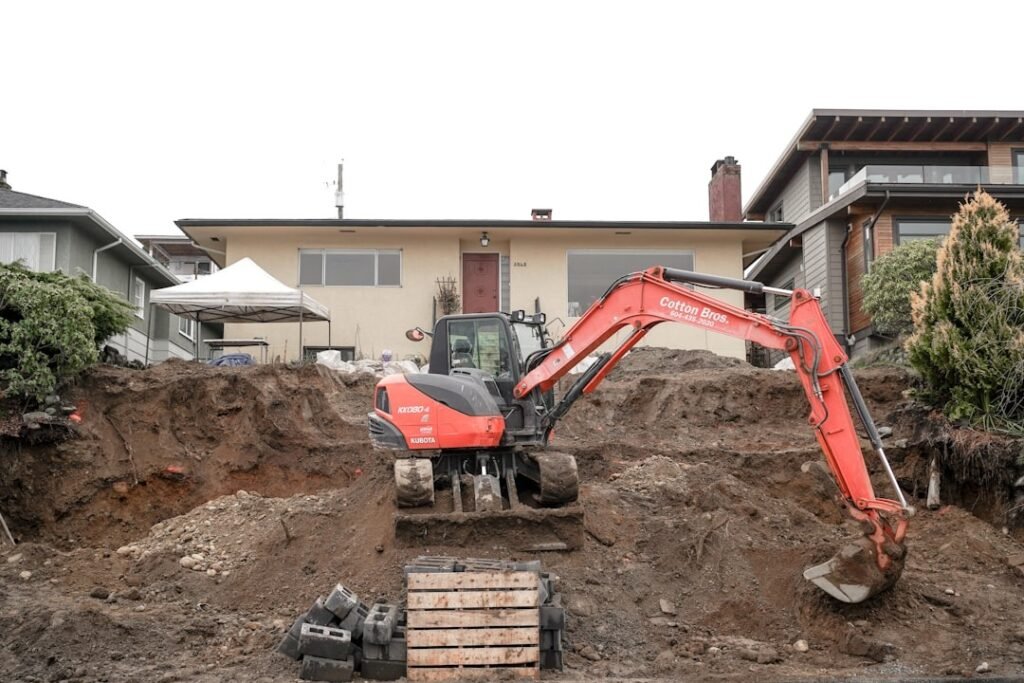
Once the vision is set and the plans are drawn, the next critical phase often involves changing the very ground your home stands on. This is the domain of earthwork and excavation specialists – the “groundbreakers.” Their meticulous work ensures a stable and secure base for any new construction or significant alteration.
For projects involving additions, new foundations, or extensive landscaping changes, their expertise is indispensable. This phase includes:
- Excavation: Digging trenches for new foundations, basements, or utility lines. This requires precision to avoid damaging existing infrastructure and to ensure proper depth and dimensions.
- Grading: Shaping the land to create a level surface for construction and to ensure proper drainage away from the home, preventing future water damage.
- Foundation Pouring: Laying the concrete foundation that will support the entire structure. This is a highly technical process requiring exact measurements and careful execution to guarantee structural integrity.
- Demolition: For renovations that involve removing existing structures, walls, or even entire buildings to make way for new designs, demolition experts are essential. They safely and efficiently dismantle unwanted elements, preparing the site for new construction.
The success of your entire renovation hinges on the quality of this foundational work. A poorly executed foundation can lead to costly problems down the line, from cracks in walls to uneven floors. It’s an area where cutting corners is never advisable. For more detailed information on proper site preparation and the various services involved in getting your ground ready, exploring resources on Site preparation can provide valuable insights into the complexities and requirements of this crucial phase.
Assembling Your Team: The Core of Professional Home Renovation Services
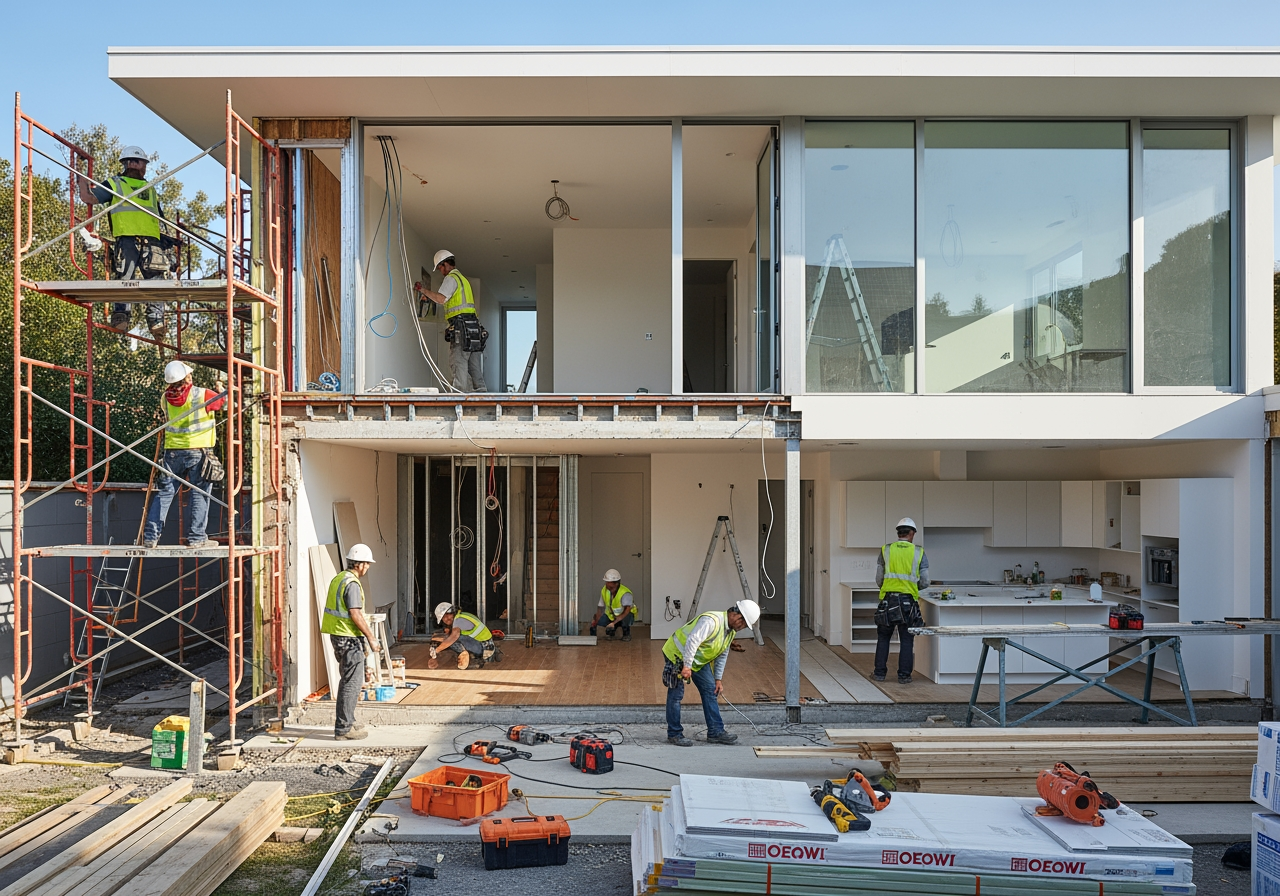
With the groundwork laid, it’s time to assemble the core team that will bring your design to life. At the center of this team is the general contractor. This expert acts as the central orchestrator, managing all aspects of the construction phase and ensuring a cohesive, efficient, and high-quality project delivery.
The general contractor’s role is multifaceted:
- Project Management: Overseeing the entire construction timeline, coordinating schedules, and managing resources to keep the project on track.
- Subcontractor Management: Hiring and supervising specialized tradespeople such as plumbers, electricians, carpenters, and roofers. They ensure each subcontractor’s work meets the required standards and integrates seamlessly with the overall project.
- Communication Hub: Serving as the primary point of contact between you, the designers, and all subcontractors. Effective communication is vital to address issues promptly and keep everyone informed.
- Quality Control: Ensuring that all work adheres to the design specifications, building codes, and industry best practices.
- Budget Oversight: Monitoring project expenses to stay within the agreed-upon budget, managing change orders, and providing financial transparency.
Vetting these professionals is crucial. A reputable general contractor will have a proven track record, excellent communication skills, and a commitment to quality. Their ability to manage complex logistics and solve problems efficiently will directly impact your renovation experience.

How to Find and Choose the Right Home Renovation Contractor
Finding the right home renovation contractor is arguably the most critical step in ensuring your project’s success. This decision impacts everything from the quality of work and adherence to budget to the overall stress level of the process.
Here’s how to steer this selection process:
- Seek Recommendations: Start by asking friends, family, and neighbors who have recently completed renovations. Personal referrals are often the most reliable.
- Online Research: Use online platforms and local directories to find contractors in your area. Websites that specialize in connecting homeowners with vetted professionals can be a great starting point. Many large home improvement retailers also offer services to connect you with local contractors.
- Check Licenses and Insurance: Verify that any potential contractor holds the necessary licenses for your state or province and carries comprehensive insurance (liability and workers’ compensation). This protects you from financial responsibility in case of accidents or damages.
- Read Reviews and Check References:Look for contractors with consistently positive reviews on independent platforms. Don’t hesitate to ask for references from past clients and follow up on them. Ask about their experience with communication, adherence to budget and timeline, and how they handled unexpected issues.
- Compare Bids: Obtain detailed bids from at least three different contractors. Ensure that each bid is based on the same scope of work and materials to allow for a fair comparison. Be wary of bids that are significantly lower than others, as they may indicate shortcuts or hidden costs.
- Look for Industry Credentials: Some contractors are part of professional associations like RenoMark (in Canada) or other local builders’ associations, which often require members to adhere to a code of conduct and provide warranties.
[LIST] Essential Questions to Ask a Potential Contractor:
- Are you licensed and insured? Can I see proof?
- How long have you been in business?
- Do you have experience with projects similar to mine? Can I see your portfolio and references?
- Who will be my primary point of contact, and how often will we communicate?
- What is your estimated timeline for the project, including start and completion dates?
- How do you handle unexpected issues or changes during the renovation?
- What is your payment schedule?
- What kind of warranty do you offer on your work?
- How do you ensure the worksite is kept clean and safe?
- Will you obtain all necessary permits?
- Do you use subcontractors, and if so, how do you vet them?
By diligently asking these questions and thoroughly vetting candidates, you significantly increase your chances of partnering with a reliable and skilled professional.
Budgeting for Your Home Renovation Services
Effective budgeting is the backbone of any successful home renovation. Without a clear financial plan, projects can quickly spiral out of control, leading to stress and unfinished work.
Here’s how to budget effectively:
- Cost Estimation: Work with your architect/designer and contractor to get detailed estimates for every aspect of the project. This should include labor, materials, permits, and any specialized services. The average cost of a major kitchen remodel can be $65,000, and a major bathroom remodel $30,000, so these figures should guide your initial expectations.
- Contingency Fund (15-20%): This is non-negotiable. Unexpected issues are almost guaranteed, especially in older homes. A contingency fund of 15-20% of your total project cost will save you from financial distress when unforeseen problems arise, such as finding outdated wiring or plumbing, or needing to modify structural elements.
- Material Costs: These can vary wildly. Decide early on whether you prioritize high-end finishes, mid-range options, or budget-friendly alternatives. Your choices will significantly impact the overall cost.
- Labor Costs: This covers the wages of your general contractor and all subcontractors. Labor is a substantial portion of any renovation budget.
- Permit Fees: Don’t forget to factor in the cost of necessary building permits, which vary by location and project scope. Your contractor should handle this, but the cost is yours.
- Financing Options: Explore various financing avenues, such as home equity loans, lines of credit, or renovation-specific loans. Understand the interest rates and repayment terms before committing.
A well-planned budget not only keeps your project on track but also ensures you get the most value for your investment. Homeowners can expect to recoup a significant portion of their renovation costs through increased home value, making careful budgeting a key component of long-term financial gain.
The Specialists: Integrating Your Home’s Core Systems
Once the main structure is in place, the next phase involves integrating the intricate network of systems that make a house a comfortable and functional home. This requires specialized tradespeople who are experts in their respective fields.
- Plumbing: Professional plumbers handle everything from installing new pipes and fixtures in kitchens and bathrooms to ensuring proper water pressure and drainage. They are critical for installing new water heaters, connecting appliances, and rerouting water lines for new layouts.
- HVAC (Heating, Ventilation, and Air Conditioning): HVAC technicians design and install heating and cooling systems, ensuring optimal climate control and air quality throughout your home. This includes furnaces, air conditioners, ductwork, and ventilation systems. Energy-efficient HVAC systems can significantly reduce utility bills, aligning with the 70-80% ROI seen in energy-efficient upgrades.
- Electrical Wiring: Licensed electricians are essential for installing new wiring, outlets, lighting fixtures, and ensuring your home’s electrical system can safely support modern demands. They also handle panel upgrades, smart home integrations, and the installation of specialized circuits for high-power appliances. For comprehensive expertise in this critical area, consider consulting resources on Home renovation electrical services.
- Smart Home Technology: Many modern renovations incorporate smart home elements, from automated lighting and thermostats to security systems and integrated entertainment. Specialists in this field ensure these systems are seamlessly installed and configured.
- Energy-Efficient Upgrades: Beyond HVAC and electrical, this can include installing new, high-performance windows and doors, adding insulation to walls and attics, and sealing air leaks. These upgrades not only improve comfort but also contribute to long-term savings on energy bills.
Throughout this phase, adherence to strict safety codes and regular inspections are paramount. Each system must be installed correctly and safely to prevent hazards and ensure long-term functionality. Your general contractor will coordinate these specialists, ensuring their work is synchronized and meets all regulatory requirements.
The Finishers: Bringing the Vision to Life
With the core systems integrated, the renovation moves into the finishing stages, where the aesthetic elements come together to create your dream space. This is where the vision truly takes shape, changing raw construction into refined living areas.
- Framing: While often done earlier, final framing adjustments for built-ins, specific wall features, or ceiling designs are completed here.
- Drywall: Installing and finishing drywall creates smooth, paint-ready surfaces for walls and ceilings. This includes taping, mudding, and sanding to perfection.
- Flooring Installation: From hardwood and tile to carpet and laminate, professional installers ensure your chosen flooring is laid correctly, providing a durable and attractive foundation for each room.
- Painting: Interior and exterior painting services add color, protection, and personality to your home. Professional painters ensure even coats, crisp lines, and proper surface preparation.
- Cabinetry: Custom or pre-fabricated cabinets are installed in kitchens, bathrooms, and other areas, providing essential storage and contributing significantly to the room’s design.
- Roofing: A critical exterior element, professional roofers ensure your home is protected from the elements. For information on selecting materials and ensuring the longevity of your home’s top layer, exploring options for Durable roofing renovations can be highly beneficial.
- Siding: Installing or replacing exterior siding not only improves curb appeal but also provides insulation and protection against weather.
- Landscaping: For projects that extend outdoors, landscapers transform yards, patios, and garden areas, integrating them seamlessly with the renovated home.
- Final Walkthrough: Before final payment, a thorough walkthrough with your contractor ensures all work is completed to your satisfaction, any deficiencies are noted, and a punch list is created for final touches.
Each of these finishing touches requires skilled craftsmanship and attention to detail. The quality of these elements significantly impacts the overall look and feel of your renovated home.
Preparing Your Home and Family for Construction
A home renovation, especially a major one, can be disruptive. Preparing your home and family beforehand can significantly reduce stress and minimize inconvenience.
- Creating a Clean Zone: Designate an area of your home that will be off-limits to construction and serve as a sanctuary. Use plastic sheeting, temporary walls, and zippered dust barriers to isolate the work area and contain dust.
- Packing Valuables: Pack away or move any valuable, fragile, or sentimental items from the renovation area. Consider temporary storage solutions for larger furniture.
- Managing Dust and Debris: Expect dust, even with the best precautions. Cover furniture in adjacent rooms, change HVAC filters frequently, and discuss daily cleanup routines with your contractor.
- Temporary Living Arrangements: For extensive renovations, consider temporary relocation. If staying at home, plan for temporary kitchen setups, alternative bathrooms, and designated quiet spaces.
- Pet Safety: Ensure pets are kept away from the construction zone for their safety and to prevent them from interfering with work. Consider boarding or arranging for them to stay with friends/family.
- Establishing Communication with the Crew: Set clear expectations for working hours, noise levels, and daily check-ins with your contractor. A good working relationship based on mutual respect and open communication is invaluable.
Frequently Asked Questions about Home Renovations
What are the biggest benefits of using professional renovation services versus DIY?
While DIY projects can offer personal satisfaction and potential cost savings on labor, professional renovation services bring a host of benefits that often outweigh these advantages, especially for major projects.
Feature Professional Services DIY (Do-It-Yourself) Expertise Access to licensed, experienced specialists Relies on personal skill, learning curve Time-savingEfficient project management, faster completion Slower pace, learning by doing, personal time commitment Licensed/InsuredContractors carry necessary licenses and insurance Homeowner assumes all risks and liabilities Warranty Work often comes with a warranty for quality assurance No warranty, personal responsibility for flaws Quality Finish High-quality, durable results, professional aesthetic Variable quality, potential for mistakes Cost Savings May have higher upfront labor costs, but avoids costly errors Saves on labor, but potential for material waste, re-dos Permits/Codes Contractor handles permits and ensures code compliance Homeowner responsible for understanding and securing permits Stress LevelManaged by professionals, less homeowner stress High, especially with unexpected issues Resale Value Often increases home value due to professional finish Variable, depends on quality of work How should I handle unexpected issues or changes during a renovation?
Unexpected issues are almost inevitable in renovations. The key is to approach them systematically and with clear communication.
- Contingency Budget: As mentioned earlier, having a 15-20% contingency fund is your first line of defense against unforeseen costs.
- Communicate Immediately: As soon as an issue arises, or you wish to make a change, discuss it with your general contractor. Don’t let problems fester.
- Change Orders: For any significant deviation from the original plan, insist on a formal “change order.” This document should detail the new work, its impact on the timeline and budget, and require signatures from both you and the contractor. This protects both parties.
- Written Documentation: Keep a written record of all discussions, decisions, and approvals related to unexpected issues or changes. Emails are excellent for this.
- Problem-Solving with Your Contractor: Work collaboratively with your contractor to find solutions. They have experience and can often suggest practical and cost-effective alternatives.
- Prioritizing Fixes: If multiple issues arise, prioritize them based on safety, structural integrity, and budget impact.
What are the long-term benefits of investing in a home renovation?
Investing in a home renovation offers a multitude of long-term benefits that extend beyond immediate gratification:
- Increased Property Value: Many renovations, especially kitchens, bathrooms, and whole-house overhauls, yield significant returns on investment, making your home more attractive and valuable in the real estate market.
- Improved Functionality: Renovations can optimize layouts, create more usable space, and tailor your home to your specific lifestyle needs, making daily living more efficient and enjoyable.
- Improved Comfort: Upgrading insulation, windows, and HVAC systems leads to better temperature control, reduced drafts, and a more comfortable living environment year-round.
- Better Energy Efficiency: Modern materials and systems can drastically reduce your home’s energy consumption, leading to lower utility bills and a smaller carbon footprint. Energy-efficient upgrades can provide a return on investment of 70-80%.
- Personal Enjoyment: A renovated home that reflects your style and meets your needs brings immense personal satisfaction and a greater sense of well-being.
Conclusion
Starting on a major home renovation is a significant undertaking, but with the right approach and the right team, it can be an incredibly rewarding experience. We’ve seen how a successful project hinges on the expertise of various professionals, from the initial visionaries—architects and designers—who translate your dreams into blueprints, to the groundbreakers who ensure a solid foundation with essential Site preparation.
Assembling your core team, led by a skilled general contractor, is paramount. This individual orchestrates the entire project, managing subcontractors, timelines, and budgets. Specialists then integrate critical systems, from Home renovation electrical services to plumbing and HVAC, ensuring your home is safe, functional, and energy-efficient. Finally, the finishers bring the aesthetic vision to life, with everything from flooring and cabinetry to Durable roofing renovations completing the change.
The value of professional oversight cannot be overstated. While DIY can be tempting, the expertise, efficiency, and quality assurance provided by licensed and insured professionals are invaluable, leading to a higher quality finish and often a better return on your investment. By understanding the roles of these key experts and engaging them thoughtfully, you can steer the complexities of renovation with confidence, ultimately changing your house into the dream home you’ve always envisioned for long-term satisfaction.