
11 Questions People Ask About Mouldy Walls at Work
Searches about mould problems usually start with urgent questions. This article answers common queries in plain language so you can brief vendors, protect staff, and schedule work without guesswork.
1. What Causes Mouldy Walls In Offices?
The usual drivers of mouldy walls are liquid water from leaks, vapour condensing on cold surfaces, or groundwater rising through materials. Poor ventilation and blocked HVAC drains add to the load. Finding the source is the first step, because paint or perfume will not resolve an active moisture pathway.
2. How Do I Tell If Stains Are Mould Or Dirt?
Look for fuzzy edges, musty odour, and spots that return after light cleaning. Discolouration around vents may be soot. A wipe test with neutral detergent helps. If marks persist, plan sampling or move to containment. Reading the discolouration of wall surfaces correctly prevents unnecessary disruption.
3. When Do I Need Commercial Mould Remediation?
Engage a professional when growth is widespread, when sensitive groups are affected, or when porous materials are colonised. Commercial mould remediation includes source control, safe removal, HEPA filtration, and documented drying targets. It also provides a sequence that tenants and teams can follow safely.
4. What Should A Site Assessment Include?
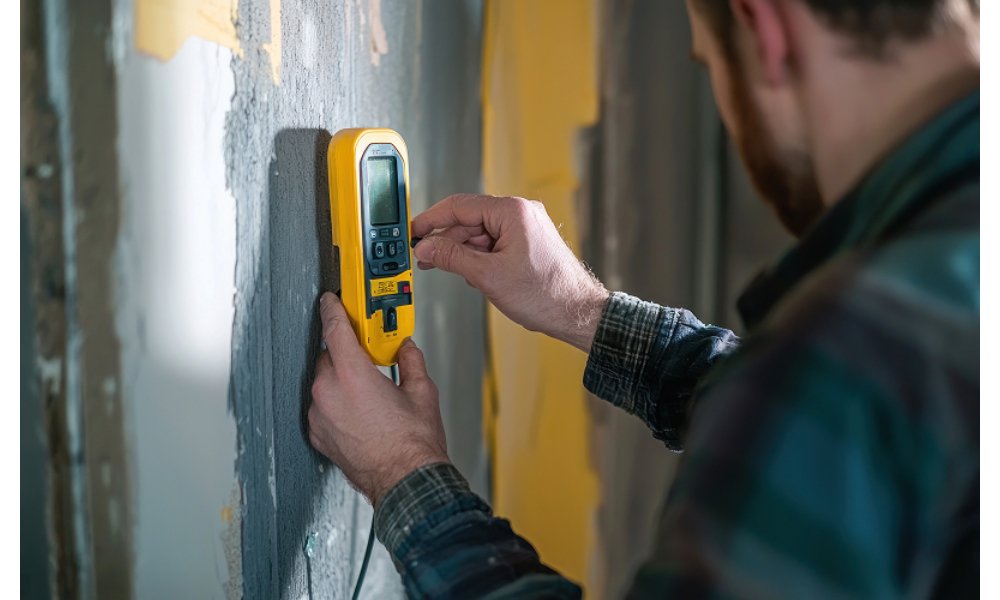
Expect moisture readings, infrared images, and a map of affected rooms. The report should separate leaks, condensation, and past flooding. It needs a clear scope that lists materials for removal or cleaning, the type of containment, and the drying targets that must be met before finishing.
5. Can I Just Paint Over Mouldy Walls?
Painting over growth traps moisture, and stains reappear. Porous, colonised materials may need removal. Hard or semi-porous surfaces can be vacuumed with HEPA tools, then damp-wiped with suitable chemistry. Finishing should wait until moisture targets are achieved and verified.
6. What Does Proper Containment Look Like?
Containment isolates work zones from occupied areas. It uses barriers, negative pressure, and HEPA air scrubbers. Routes in and out are marked. Bagging points are defined. Affected HVAC branches are shut to avoid the spread. Simple drawings and signage keep traffic orderly during the works.
7. How Long Does Drying Take?
Timelines depend on the cause, materials, and ambient conditions. Dehumidifiers, directed airflow, and temperature control shorten the process. Drying is complete when readings are stable below agreed targets, not when a surface feels dry or when discolouration of the wall appears improved. Daily logs make the call clear to managers and occupants.
8. What Products Are Safe To Use?
Chemistry should match the substrate. Bleach can damage metals and fabrics and may not penetrate porous materials. Neutral cleaners and approved agents with correct dwell times work better. Rinse where required and allow full dry back before priming and painting. Keep product safety data on file.
9. How Do I Protect Business Operations?
Plan work outside peak hours. Relocate staff from affected rooms. Mark clean routes and keep a contact list visible. Store stock away from work zones. Short, clear messages reduce anxiety and improve cooperation. A schedule that sequences leak repair, removal, drying, and finishing keeps disruption low.
10. How Do I Prevent Mould From Coming Back?
Control moisture and temperature. Fix leaks quickly, insulate cold bridges, and clear drains. Ventilate bathrooms and pantries. Monitor indoor humidity in known risk zones. Train cleaners to report new odours, blistered paint, or fresh spots. A simple monthly checklist helps you act early.
11. What Should A Quote Include, And How Do I Compare Costs?
Ask for an itemised scope that separates source repair, removal, cleaning, drying, verification, and finishing. Quotes should list containment type, number of HEPA units, expected duration, daily reporting, and target moisture values by material. Request unit rates for unexpected findings such as hidden wet insulation. Compare like with like by checking exclusions, furniture moves, and waste disposal. A low figure can rise if key steps were omitted, so weigh clarity and responsibility. Ask for references.
Conclusion
Mould control is a process, not a coat of paint. Start with source diagnosis, then plan removal, containment, and verified drying. Use documentation to manage vendors and reassure teams. With calm sequencing and routine checks, mouldy walls become a manageable facilities task rather than a recurring problem. Record readings at each visit. Share summaries with occupants and management for transparency.
To arrange an on-site inspection and a measured remediation plan, contact Mouldgone.