The Smart Buyer’s Guide to Wholesale Engineered Hardwood
What is King of Floors Wholesale Engineered Wood and Why Does it Matter?
In today’s dynamic construction and renovation market, selecting the right flooring material is crucial for both aesthetic appeal and long-term performance. We understand the challenges of sourcing high-quality materials at competitive prices. For smart buyers, wholesale engineered hardwood presents an unparalleled opportunity to achieve stunning, durable results without compromising on budget. This extensive guide will equip you with essential knowledge, from understanding engineered wood’s construction and advantages to navigating the intricacies of wholesale purchasing. We aim to help you make informed decisions, ensuring your next project benefits from the best in engineered wood. To further explore the intricacies of this versatile flooring solution, consider delving into resources like the King of Floors wholesale engineered woodinformation, which offers deeper insights into this product category.
Engineered hardwood flooring is a marvel of modern manufacturing, designed to capture the timeless beauty of solid wood while offering enhanced performance and versatility. Unlike solid hardwood, which is a single piece of timber, engineered wood is a composite product constructed from multiple layers.
At its core, engineered hardwood is comprised of a stable base, typically made from softer plywood, high-density fiberboard (HDF), or multiple layers of less expensive wood. This core is then topped with a “wear layer” – a genuine veneer of a higher-quality wood, such as oak, hickory, or maple. The multi-directional layering of the core material is key to its superior dimensional stability, making it far less susceptible to warping, twisting, and cupping than solid wood, especially in environments with fluctuating humidity or temperature.
The construction of engineered wood flooring is a sophisticated process that leverages the strengths of different materials. A common and highly regarded core material is Baltic Birch plywood, known for its exceptional strength and stability. This multi-ply construction, often featuring 6 or more layers, creates a robust and resilient plank. The thickness of the wear layer can vary significantly, ranging from 2mm to 4mm or more. A thicker wear layer allows for more refinishing opportunities, extending the life of the floor.
Technical Superiority of King of Floors Wholesale Engineered Wood
The innovative construction of engineered hardwood flooring grants it a significant technical advantage over traditional solid hardwood, particularly in challenging environments. Its cross-layer construction, where wood plies are glued together with grains running in opposing directions, provides remarkable dimensional stability. This inherent stability makes engineered wood less prone to expansion and contraction caused by changes in temperature and humidity.
This characteristic is particularly beneficial for installations in areas where solid hardwood would be problematic. For instance, engineered hardwood can be confidently installed in basements or below-grade levels, where moisture levels are typically higher. The risk of warping or buckling, a common concern with solid wood in such conditions, is significantly mitigated with engineered options.
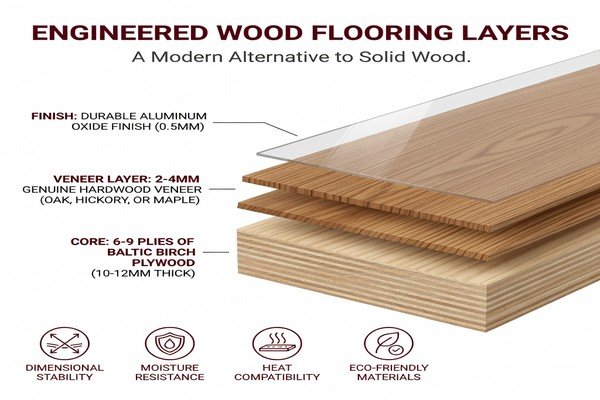
Furthermore, engineered hardwood is an excellent choice for homes or commercial spaces utilizing subfloor heating systems. While solid wooden planks can warp or dry out when exposed to radiant heat, prefinished engineered flooring is specifically designed to withstand these thermal fluctuations. Its stable composition allows for efficient heat transfer without compromising the integrity of the flooring. Many engineered products also incorporate advanced moisture barriers within their construction or are compatible with specific heat-safe adhesives, further enhancing their performance in these specialized applications.
The durability of engineered wood is also influenced by its wear layer and finish. Many high-quality engineered floors feature a robust aluminum oxide finish, offering superior scratch and abrasion resistance, making them suitable for high-traffic areas. While AC ratings are primarily used for laminate flooring to denote abrasion resistance, engineered wood relies on the quality of its wear layer, the hardness of the wood species, and the protective finish to determine its suitability for various traffic levels.
Feature Engineered Wood Flooring Laminate Flooring Construction Real wood veneer over multi-ply core (plywood, HDF) Photographic layer over fiberboard core, protective top Appearance Genuine wood grain and texture, can be refinished Realistic wood look, cannot be refinished DurabilityVery durable, good dimensional stability, can be refinished Highly durable, scratch/dent resistant (AC rating) Moisture Resist. Better than solid, some water-resistant options available Some water-resistant/waterproof options available Installation Nail, glue, or float; versatile for various subfloors Float (click-lock); generally easier DIY Cost (Relative) Mid-to-high range Low-to-mid range Lifespan20-30+ years (can be refinished) 10-25 years (cannot be refinished) Resale ValueAdds significant value to a home Adds moderate value
Selecting the Right Species and Finish for Commercial Projects
Choosing the ideal engineered hardwood for commercial projects involves balancing aesthetic appeal with practical considerations like durability and maintenance. The species of wood, its finish, and plank dimensions all play a crucial role in achieving the desired look and performance.
Popular Species:
- European Oak: A perennial favorite, European Oak offers a classic, sophisticated look with prominent grain patterns. It’s known for its durability and takes stains and finishes beautifully, making it highly versatile for various design schemes. It often comes in wider planks, enhancing the sense of space and luxury.
- Hickory: Renowned for its exceptional hardness and distinctive grain, hickory is an excellent choice for high-traffic commercial areas. Its natural variations in color and strong character can add a rustic yet refined touch.
- Maple: Maple provides a cleaner, more uniform grain with subtle variations. It’s a hard and durable wood, ideal for contemporary or minimalist designs where a light, airy feel is desired.
- Acacia: With its dramatic grain patterns and rich, contrasting colors, acacia makes a bold statement. It’s also a very hard wood, suitable for commercial settings that demand both visual impact and resilience.
Finishes and Textures: The finish not only protects the wood but also defines its aesthetic.
- Wire-brushed: This technique accentuates the natural grain of the wood, creating a textured surface that hides minor scratches and adds character. It’s a popular choice for achieving a rustic or reclaimed look.
- UV Oil: UV-cured oil finishes penetrate the wood, offering a natural, matte appearance that feels soft underfoot. They are easy to repair locally, which can be a significant advantage in commercial settings where individual planks might get damaged.
- Matte Finish: A matte or ultra-matte finish minimizes glare and provides a modern, understated elegance. It also tends to hide dust and minor imperfections better than glossier finishes.
- Satin/Semi-Gloss: These finishes offer a subtle sheen that enhances the wood’s natural beauty without being overly reflective.
Plank Sizes:
- Wide Plank: Wider planks (e.g., 7-1/2″ to 9-1/2″) are a popular trend, contributing to a more expansive and luxurious feel in commercial spaces. They reduce the number of seams, creating a cleaner, more continuous look.
- Random Length (RL): Flooring planks are often supplied in random lengths, which not only provides a more natural and authentic appearance but also simplifies installation by reducing waste and the need for excessive cutting.
When selecting for commercial projects, consider the overall design aesthetic, anticipated foot traffic, and maintenance requirements. A durable species combined with a resilient finish and appropriate plank size will ensure the flooring stands the test of time and continues to impress.
Frequently Asked Questions
What makes King of Floors wholesale engineered wood different?
When considering wholesale engineered wood, the supplier you choose is as critical as the product itself. King of Floors distinguishes itself through a commitment to quality, value, and customer satisfaction that stems from our unique business model and deep industry expertise.
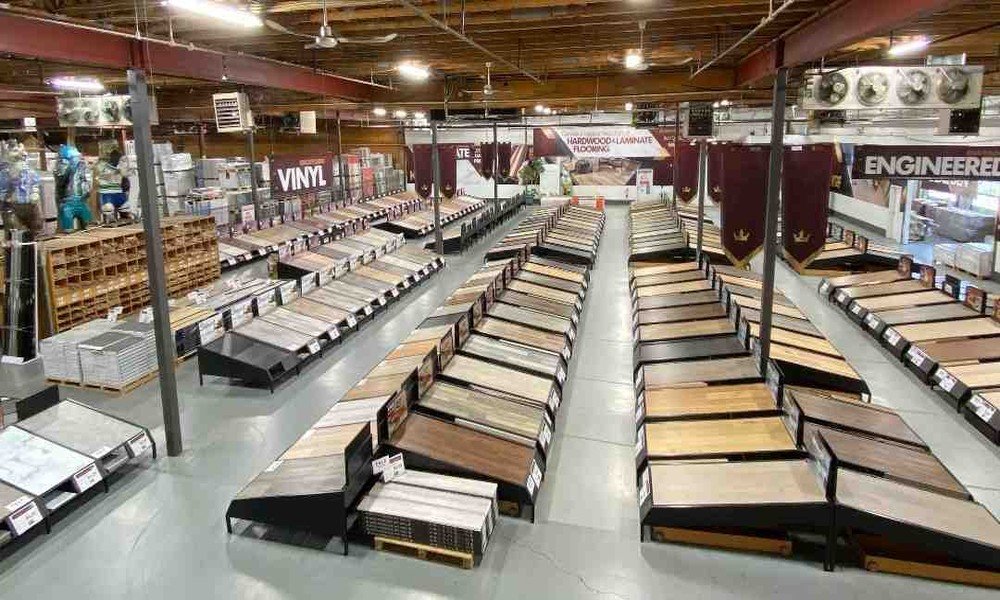
We operate as direct importers, cutting out middlemen to bring you factory-direct pricing. This means significant savings that we pass directly to our customers, ensuring you get the best possible value for your investment. Our massive 85,000 sq ft showroom, located in Surrey, BC, is not just a display space; it’s a testament to our extensive inventory, boasting over 10 million sq ft of flooring in stock. This vast selection ensures that you’ll find the perfect engineered wood to meet your project’s specifications, whether for residential or large-scale commercial applications.
As a 100% Canadian, family-owned business, we pride ourselves on a personalized approach and honest advice. Our team of expert flooring pros is dedicated to helping you navigate our extensive options, ensuring you make an informed decision. We believe in transparency and stand by our products with a 90-day refund policy. Furthermore, we offer bonded installers for seamless project execution, ensuring professional results every time. And yes, our beloved mascot, Sir Scruffy, is often around to greet visitors, embodying the warm, friendly atmosphere we cultivate. This combination of direct sourcing, massive inventory, expert advice, and customer-centric policies ensures that when you choose King of Floors, you’re not just buying flooring; you’re investing in a complete, high-quality solution.
Can engineered wood be installed in basements or over radiant heat?
Yes, absolutely! One of the significant advantages of engineered hardwood flooring is its remarkable versatility in installation locations, particularly in areas where solid hardwood would typically be unsuitable.
Its inherent dimensional stability, a result of its multi-layered construction, makes it an excellent choice for below-grade installations, such as basements. These environments often experience higher humidity levels and temperature fluctuations, which can cause solid wood to warp or buckle. Engineered wood, with its cross-ply core, resists these moisture-related movements, maintaining its integrity and appearance.
Similarly, engineered hardwood is highly compatible with radiant heat systems(subfloor heating). Solid hardwood can dry out and crack when subjected to the consistent heat from these systems. Engineered flooring, however, is designed to handle thermal stability better. Many prefinished engineered products are specifically manufactured to be installed over radiant heat sources, making them the most versatile prefinished hardwood flooring product for such applications.
When installing, you have several options:
- Floating floors: The planks are connected to each other, but not directly to the subfloor, allowing for natural movement. This is often a preferred method over radiant heat.
- Glue-down method: The planks are adhered directly to the subfloor, providing a very stable and solid feel underfoot. Specific heat-safe adhesives are used for radiant heat applications.
- Nail-down: While less common for engineered wood, some thicker engineered planks with a suitable core can be nailed down, especially over plywood subfloors.
Regardless of the method, ensuring proper subfloor compatibility and following the manufacturer’s installation guidelines are crucial for a successful and long-lasting installation. This adaptability makes engineered wood a superior choice for modern homes and commercial spaces seeking both the beauty of wood and practical functionality.
How does the wear layer affect the longevity of wholesale flooring?
The wear layer is arguably the most critical component of engineered hardwood flooring when it comes to its longevity and durability. It is the topmost layer of genuine hardwood that you see and walk on, and its thickness directly impacts how long your floor will last and whether it can be refinished.
- Veneer Thickness: Engineered wood wear layers typically range from 0.6mm (very thin) to 6mm (very thick).
- A 2mm wear layer is common in many engineered products. While it offers the beauty of real wood, it may only allow for one light sanding and refinishing over its lifetime, if any. Floors with thinner wear layers are generally more budget-friendly but have a shorter refinishing lifespan.
- A 4mm wear layer or thicker is considered premium. This substantial veneer allows for multiple sandings and refinishings, similar to solid hardwood, significantly extending the floor’s lifespan and value. This makes it an excellent investment for high-traffic residential or commercial settings.
- Refinishing Potential: The ability to refinish a floor is key to its long-term appeal. Over years of use, floors can accumulate scratches, dents, and wear. Refinishing removes a thin layer of wood and applies a new finish, restoring the floor’s original beauty. A thicker wear layer provides the material necessary for this process, making the floor essentially new again.
- High-Traffic Durability: For commercial-grade applications or busy households, a robust wear layer is essential. Coupled with a durable finish, such as an aluminum oxide coating, a thicker wear layer provides superior resistance against daily wear and tear, scratches, and abrasions. This combination contributes to a floor’s ability to maintain its appearance even under heavy foot traffic.
- Lifetime Structural Warranty: Many high-quality engineered hardwood products come with a lifetime structural warranty, which speaks to the integrity of the multi-ply core. However, the wear layer’s thickness and the quality of the finish are what determine the practical lifespan of the surface and its aesthetic durability. Investing in engineered wood with a thicker wear layer ensures not only a beautiful floor but one that offers long-term performance and the flexibility to refresh its look over decades.
What are the environmental benefits of choosing engineered products?
In an era of increasing environmental consciousness, the choice of flooring materials extends beyond aesthetics and durability to encompass sustainability. Engineered hardwood flooring offers several notable environmental benefits, making it a more eco-friendly option compared to traditional solid hardwood in many aspects.
- Efficient Timber Use: Engineered wood uses timber more efficiently. The top veneer layer, which is the only part that needs to be a premium hardwood, is sliced much thinner than a solid plank. This means that a single log can yield significantly more square footage of engineered flooring than solid flooring, conserving valuable hardwood resources.
- Sustainable Harvesting: Many reputable engineered wood manufacturers are committed to sustainable harvesting practices. They source wood from responsibly managed forests that adhere to certifications like the Forest Stewardship Council (FSC). This ensures that timber is harvested in a way that maintains biodiversity, ecological processes, and forest health for future generations.
- Use of Renewable Resources: The core layers of engineered wood often consist of fast-growing, renewable wood species or recycled wood products. This further reduces the demand for slow-growing, old-growth hardwoods.
- Reduced Waste: The manufacturing process of engineered wood is often optimized to minimize waste. Scraps and offcuts can sometimes be repurposed for the core layers or other wood products, contributing to a more circular economy.
- Indoor Air Quality: Modern engineered wood products are increasingly manufactured with low Volatile Organic Compound (VOC) adhesives and finishes. This commitment to low-VOC materials helps maintain better indoor air quality, reducing potential health concerns associated with off-gassing, making them a healthier choice for homes and commercial spaces.
- Longevity and Reduced Replacement: Due to its enhanced stability and durability, especially with thicker wear layers that allow for refinishing, engineered hardwood often boasts a long lifespan. A longer-lasting floor means less frequent replacement, which in turn reduces the environmental impact associated with manufacturing and disposing of new flooring materials.
By choosing engineered hardwood, especially from suppliers committed to eco-friendly brands and sustainable practices, you are making a conscious decision that benefits both your project and the planet.
There Is Only One King of Floors
For over a decade, we at King of Floors have been dedicated to providing unparalleled value and service in the flooring industry. Our commitment to being 100% Canadian and family-owned means we understand the needs of our community and strive to deliver the best possible experience. We’re not just selling flooring; we’re building relationships and helping you achieve your renovation dreams.
Our massive Surrey showroom, located at 15350 56 Ave, is more than just a store; it’s a destination where you can explore an incredible selection of factory-direct engineered wood options. We genuinely believe in offering you the most bang for your buck, ensuring that every purchase is an investment in quality and longevity. Don’t just take our word for it – our reputation for expert advice, honest dealings, and a vast, readily available stock makes us truly worth the drive.
Whether you’re a contractor seeking bulk orders for a large commercial project or a homeowner embarking on a personal renovation, our expert flooring pros are here to guide you every step of the way. With Sir Scruffy cheering us on, we invite you to experience the King of Floors difference. Call us today, or better yet, visit our showroom and discover why there truly is only one King of Floors for all your wholesale engineered wood needs.