The Science of Indoor Air Quality in the Pacific Northwest
Our homes are meant to be havens of comfort and health. Yet, the air we breathe indoors can often contain unseen pollutants, allergens, and irritants. Poor indoor air quality can significantly impact our respiratory health and overall well-being. Just look at the common indoor air pollutants we might encounter daily.
Understanding and improving the air quality in our living spaces is not just about comfort; it is about creating a truly healthy environment for our families. A properly functioning heating, ventilation, and air conditioning (HVAC) system is central to achieving this.
We will explore advanced solutions to enhance your home’s air health. We will cover cutting-edge filtration technologies, discuss the critical role of regular HVAC maintenance, and help you recognize when your system might need urgent attention. This includes knowing when to seek prompt assistance, such as for Tacoma emergency HVAC repair, to ensure your home’s air remains clean and safe. Join us as we uncover ways to optimize your home’s atmosphere for better health.
The Pacific Northwest, and Tacoma, WA, in particular, presents unique challenges and considerations for indoor air quality. Our region’s climate, characterized by cool, damp winters and often mild, but occasionally warm, summers, significantly influences the indoor environment. High humidity levels are a common concern, contributing to issues such as moisture control and mold prevention. Seasonal dampness can lead to increased allergen presence and the potential for microbial growth within homes if not properly managed by an efficient HVAC system.
Beyond humidity, particulate matter from various sources, including wood-burning stoves, vehicle emissions, and even natural events like wildfires, can infiltrate homes. Effective ventilation rates become paramount in these conditions to dilute indoor pollutants and bring in fresh, filtered air without compromising thermal comfort or energy efficiency. A well-maintained heat pump system plays a crucial role here, not only in providing heating and cooling but also in managing humidity and circulating air through filtration. When your system isn’t performing optimally, it can directly impact your home’s air quality. For comprehensive HVAC solutions in the Tacoma area, understanding the local climate’s impact on your system is key to maintaining a healthy indoor environment.
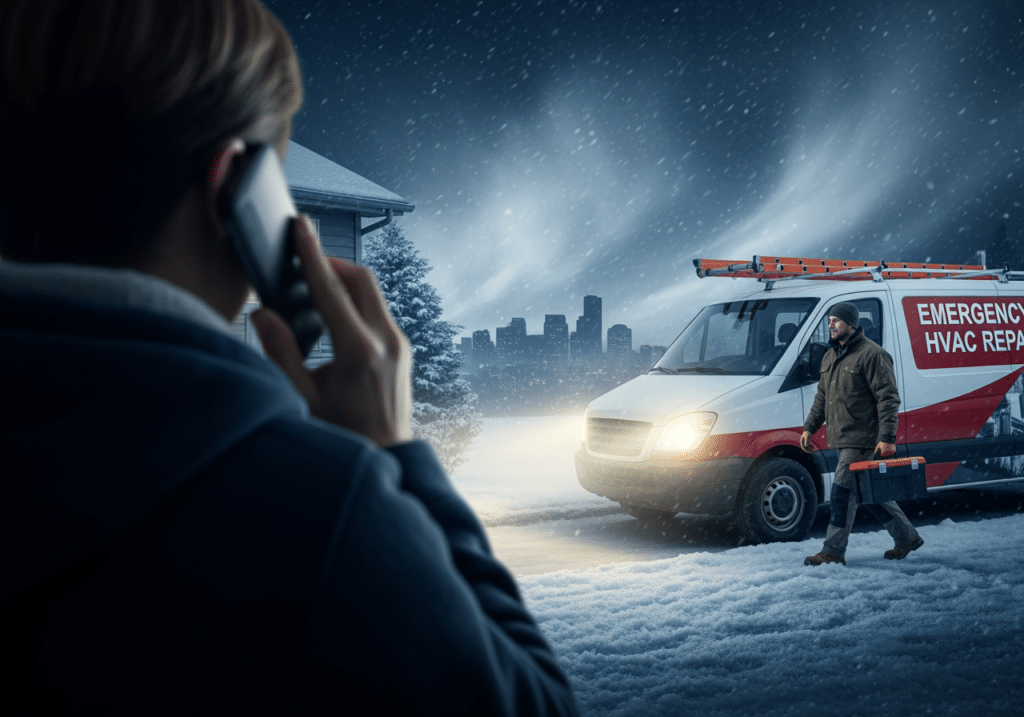
Ensuring your HVAC system is robust and responsive to these environmental factors is not just about comfort; it’s a foundational element of indoor health. When problems arise, especially with essential components like a heat pump, addressing them swiftly is critical to prevent a decline in indoor air quality.
Advanced Filtration and Purification Technologies
To truly elevate indoor air quality, we must look beyond basic HVAC functions to advanced filtration and purification technologies. These systems are designed to capture or neutralize pollutants that standard filters might miss.
Filtration Technology Primary Function Best For Key Considerations HEPA FiltersCaptures 99.97% of particles 0.3 microns or larger Allergens (pollen, pet dander), dust, mold spores, bacteria, some viruses High MERV rating, can restrict airflow if not properly sized, require regular replacement. UV Germicidal Lights Deactivates airborne viruses, bacteria, mold Pathogens, biological contaminants, odors Installed within HVAC system, requires professional installation, bulbs need annual replacement, does not filter particles. Electrostatic Air Cleaners Attracts and traps charged particles Dust, smoke, pollen, pet dander Reusable (washable) filters, can generate small amounts of ozone, effectiveness varies. Carbon Filtration Absorbs volatile organic compounds (VOCs) and odors Chemical fumes, cooking odors, pet odors, smoke Often used in conjunction with other filters, needs regular replacement as carbon becomes saturated. Beyond these, advancements in air purification include technologies that specifically target volatile organic compounds (VOCs) – gases emitted from certain solids or liquids, including paints, cleaning supplies, and building materials. Carbon filtration is particularly effective at absorbing these gaseous pollutants, significantly reducing their presence in your home.
Other innovations include ozone-free technology, which provides effective air purification without producing harmful ozone, a known respiratory irritant. Ionization, another method, works by releasing charged ions into the air that attach to airborne particles, making them heavier and easier for your HVAC system’s filter to capture, or causing them to settle out of the air.
Integrating these advanced solutions into your home’s HVAC system can create a powerful defense against a wide spectrum of indoor air pollutants, ensuring the air you breathe is as clean and healthy as possible.
The Role of HVAC Maintenance in Air Health
Regular and thorough HVAC maintenance is not merely about extending the life of your system; it’s a critical component of maintaining optimal indoor air quality and overall home health. A neglected system can become a breeding ground for mold, dust mites, and bacteria, circulating these contaminants throughout your living space. We understand that proactive care is essential.
Here is a list of essential maintenance tasks for air clarity:
- Filter Replacement Schedules: This is perhaps the simplest yet most impactful task. We recommend changing your air filters every 1 to 3 months, or more frequently if you have pets, allergies, or live in a dusty environment. High-efficiency filters, with appropriate MERV ratings, are crucial for capturing smaller particles.
- Duct Cleaning: Over time, dust, allergens, and even pests can accumulate within your ductwork. Professional duct cleaning removes these buildups, preventing them from being recirculated into your home. This is especially important after renovations or if you’ve recently moved into an older home.
- Coil Sanitation: The evaporator and condenser coils in your heat pump can accumulate dirt and moisture, creating an ideal environment for mold and mildew growth. Regular cleaning and sanitation of these coils prevent the spread of spores and ensure efficient heat transfer.
- Refrigerant Levels Check: Proper refrigerant levels are vital for your heat pump’s efficiency and its ability to dehumidify the air. Low refrigerant can lead to reduced cooling/heating capacity and increased humidity, impacting air quality.
- Airflow Balancing: An unbalanced system can lead to uneven heating or cooling and poor air circulation, creating stagnant zones where pollutants can concentrate. Technicians can adjust dampers and fan speeds to ensure optimal airflow throughout your home.
- Drain Pan and Line Cleaning: The condensate drain pan and line can become clogged with algae and debris, leading to water overflow and potential mold growth within your HVAC unit. Regular cleaning prevents these blockages and ensures proper moisture removal.
By adhering to a consistent maintenance schedule, we ensure that your heat pump and entire HVAC system operate efficiently, effectively filter the air, and actively contribute to a healthier indoor environment. This preventative approach minimizes the chances of system failures that could compromise air quality and necessitate emergency repairs.
Recognizing Air Quality Emergencies and System Failures
Sometimes, issues with your heating and cooling system go beyond routine maintenance and indicate an immediate threat to your home’s air quality or safety. Recognizing these signs quickly can prevent serious health risks and further damage to your system. We urge homeowners to be vigilant for the following indicators:
- Carbon Monoxide (CO) Alarms: If your carbon monoxide detector sounds, this is an absolute emergency. Carbon monoxide is a colorless, odorless gas that can be deadly. If the alarm goes off, evacuate your home immediately and call 911. After ensuring safety, your HVAC system, especially any fuel-burning components, will need professional inspection.
- Burning Smells: A persistent burning smell coming from your vents or HVAC unit can indicate overheating electrical components, burning dust, or even a fire hazard. While a slight burning smell might occur when a furnace is first turned on after a long dormant period, any strong or continuous burning odor warrants immediate investigation.
- Yellow Burner Flames: For furnaces, a healthy burner flame should be blue. A yellow or flickering yellow flame can be a sign of incomplete combustion, which can produce carbon monoxide. This is a serious safety concern that requires professional attention.
- Stagnant Air: If your home feels stuffy, humid, or generally uncomfortable, and the air seems to hang heavy, it could be a sign of poor ventilation or a malfunctioning system that isn’t effectively circulating or filtering air. This can lead to increased concentrations of pollutants.
- Unusual System Noises: Loud banging, grinding, squealing, or persistent rattling noises from your heat pump or furnace often indicate mechanical problems. These issues can range from loose components to failing motors, which could eventually lead to a complete system breakdown and compromised air circulation.
- Rapid Cycling (Short Cycling): If your heat pump or furnace turns on and off frequently without completing a full heating or cooling cycle, it’s known as short cycling. This can be due to a variety of issues, including an incorrectly sized system, thermostat problems, or low refrigerant. Short cycling is inefficient and can lead to inadequate temperature control and poor dehumidification, impacting air quality.
- Electrical Malfunctions: Flickering lights when your HVAC system kicks on, tripped circuit breakers, or the smell of ozone (a metallic scent) can point to electrical issues within your unit. These are not only safety hazards but can also lead to system failure.
When you encounter any of these signs, especially those related to safety like carbon monoxide or burning smells, immediate action is crucial. Delaying repair can escalate the problem, leading to more extensive damage, higher repair costs, and, most importantly, a less healthy and potentially unsafe living environment.
Frequently Asked Questions about Home Environment
When considering the health of your home and the efficiency of your heating and cooling system, many questions often arise, particularly concerning emergency situations and the role of your heat pump. We’ve compiled answers to some of the most common inquiries to help you navigate these important aspects of home comfort and safety.
What are the signs that indicate a heat pump needs emergency repair?
Recognizing the signs of a heat pump in distress can prevent minor issues from escalating into major emergencies. We consider several indicators as red flags for immediate professional attention:
- Complete Loss of Heating or Cooling:If your heat pump stops producing warm or cool air entirely, especially during extreme temperatures, this is a clear emergency.
- Loud, Unusual Noises: Banging, grinding, squealing, or persistent rattling sounds often point to serious mechanical failures, such as a failing motor or compressor.
- Burning Smells or Electrical Odors:Any smell of burning wires, plastic, or a metallic (ozone) scent indicates an electrical problem that could be a fire hazard.
- Significant Leaks or Icing: While some condensation is normal, excessive water pooling around the indoor unit or significant ice buildup on the outdoor unit (beyond normal defrost cycles) suggests a serious issue like a refrigerant leak or a defrost system malfunction.
- Short Cycling: If your heat pump turns on and off frequently without completing a full cycle, it’s inefficient and can indicate issues like low refrigerant, a faulty thermostat, or an undersized unit.
- No Power to the Unit: If your thermostat is on but the heat pump isn’t responding, and you’ve checked the circuit breaker, there might be an electrical issue requiring immediate repair.
- Yellow or Flickering Pilot Light (if applicable for hybrid systems): For systems that combine a heat pump with a gas furnace, a yellow or flickering pilot light on the furnace indicates incomplete combustion and potential carbon monoxide production, requiring urgent attention.
Any of these signs suggest that your heat pump is struggling and requires prompt diagnosis and repair to restore comfort and ensure safety.
What are the operating hours for emergency heat pump repair services in Tacoma, WA?
For residents in Tacoma, WA, facing a heat pump emergency, we understand that issues don’t adhere to a 9-to-5 schedule. Many reputable heating and air conditioning services in the Puget Sound area offer 24/7 availability for emergency repairs. This means whether your heat pump fails in the middle of the night, on a weekend, or during a holiday, you can typically find a service provider ready to assist. Companies like AAA Heating & Air Conditioning, Fuse Service, and Sound Heating and Air Conditioning Inc. are known for their round-the-clock emergency services, ensuring that help is available whenever an unexpected breakdown occurs. We prioritize ensuring that you can reach a qualified technician at any time to address urgent heating or cooling needs.
What information should I have ready when calling for emergency heat pump repair?
When contacting a service for emergency heat pump repair, having key information readily available can significantly expedite the process and help the technician prepare. We recommend having the following details at hand:
- Your Contact Information: Full name, address, and a reliable phone number.
- Description of the Problem: Be as specific as possible. What are the symptoms? (e.g., “no heat,” “loud banging noise,” “iced-up outdoor unit,” “burning smell”). When did the problem start?
- Heat Pump Make and Model: If you know it, providing the brand and model number (usually found on a sticker on the outdoor or indoor unit) can help the technician anticipate parts needed.
- Last Maintenance Date: Knowing when your system was last serviced can provide context for the current issue.
- Thermostat Settings: Confirm your thermostat is set to the correct mode (heat/cool) and temperature.
- Power Status: Have you checked the circuit breaker? Is the unit receiving power?
- Any Recent Changes: Have you recently replaced filters, had other work done, or noticed anything unusual before the breakdown?
Providing these details upfront allows the service coordinator to dispatch the most appropriate technician and ensures they arrive better prepared to diagnose and resolve your heat pump issue efficiently.
What are the typical costs associated with emergency heat pump repair in Tacoma, WA?
While we cannot provide specific pricing information due to the varying nature of repairs and service providers, we can explain that emergency heat pump repair costs in Tacoma, WA, are influenced by several factors. Generally, emergency services may incur a higher service call fee compared to standard appointments, reflecting the immediate dispatch and after-hours labor. The overall cost will depend significantly on the nature and complexity of the repair, the specific parts required (e.g., refrigerant, compressor, reversing valve, electrical components), and the labor involved.
More complex issues, such as a compressor replacement, will naturally be more expensive than simpler fixes like a capacitor replacement. The age and warranty status of your unit can also play a role, as newer units might still be under warranty for parts. We always recommend obtaining a detailed estimate from the technician after a thorough diagnosis before any work begins. Many companies also offer financing options to help manage unexpected repair expenses.
What should I do to prepare my home for an emergency heat pump repair technician?
Preparing your home for an emergency heat pump repair technician can help them work more efficiently and safely. We suggest the following steps:
- Clear the Area Around the Unit:Ensure easy access to both your indoor (air handler/furnace) and outdoor heat pump units. Remove any clutter, furniture, or debris that might obstruct the technician’s path or workspace.
- Secure Pets: For the safety of your pets and the technician, please secure any animals in a separate room or outdoors.
- Provide Clear Access to Electrical Panel: The technician may need to access your home’s electrical panel to check breakers or disconnect power to the unit.
- Be Available: Try to be home or arrange for someone to be there when the technician arrives to answer any questions and provide access.
- Gather Information: Have the information you prepared for the call (make/model, symptoms, etc.) readily available for the technician.
- Clear Pathways: Ensure pathways from the entrance to the heat pump units are clear and well-lit, especially if it’s dark outside or if the indoor unit is in a crawl space or attic.
These preparations allow the technician to focus directly on the repair, potentially reducing the time required to diagnose and fix the problem.
Are there any preventative measures I can take to avoid future emergency heat pump issues?
Absolutely. Proactive maintenance is the best defense against unexpected heat pump emergencies. We strongly advocate for the following preventative measures:
- Regular Professional Maintenance:Schedule annual professional tune-ups for your heat pump. A certified technician can identify potential issues early, clean components, check refrigerant levels, and ensure all parts are functioning correctly. Many companies offer maintenance plans that include regular inspections.
- Change Air Filters Regularly: As discussed, replace your air filters every 1 to 3 months, or more often if you have pets or allergies. A clogged filter restricts airflow, forcing your heat pump to work harder and increasing the risk of breakdown.
- Keep Outdoor Unit Clear: Ensure the outdoor condenser unit is free from leaves, grass clippings, dirt, and other debris. Maintain at least two feet of clearance around the unit for proper airflow.
- Monitor Thermostat Settings: Use a programmable or smart thermostat to optimize settings and avoid sudden, drastic temperature changes that can strain your system.
- Listen and Observe: Pay attention to any unusual noises, smells, or changes in your heat pump’s performance. Early detection of minor issues can prevent them from becoming major emergencies.
- Clean Drain Lines: Periodically check and clear the condensate drain line to prevent clogs that can lead to water damage and mold growth.
By integrating these practices into your home care routine, you can significantly extend the lifespan of your heat pump, improve its efficiency, and reduce the likelihood of costly emergency repairs.
What qualifications or certifications should I look for in an emergency heat pump repair service?
When selecting a service for emergency heat pump repair, we advise looking for technicians and companies that demonstrate a commitment to professionalism and expertise. Key qualifications and certifications include:
- NATE Certification: North American Technician Excellence (NATE) certification is a widely recognized standard for HVAC technicians, indicating a high level of knowledge and skill in heating, ventilation, air conditioning, and refrigeration.
- EPA Certification: Technicians who handle refrigerants must be certified by the Environmental Protection Agency (EPA) to ensure they follow proper procedures for refrigerant recovery and disposal, protecting the environment.
- BPI Certification: Building Performance Institute (BPI) certification focuses on whole-home energy efficiency, which can be beneficial for understanding how your heat pump integrates with your home’s overall performance.
- Licensed and Insured: Ensure the company and its technicians are fully licensed to operate in Washington State and are adequately insured. This protects you from liability in case of accidents or damage during the repair.
- Experience and Reputation: Look for companies with a long-standing presence in the Tacoma area and positive customer reviews, indicating a track record of reliable service.
- Ongoing Training: Reputable companies invest in continuous training for their technicians to keep them updated on the latest heat pump technologies and repair techniques.
Choosing a service with these credentials provides assurance that you are receiving high-quality, knowledgeable, and safe repair work.
How quickly can I expect a technician to arrive for an emergency heat pump repair in Tacoma, WA?
For emergency heat pump repairs in Tacoma, WA, we recognize that time is of the essence, especially during extreme weather conditions. While exact arrival times can vary based on demand, traffic, and your specific location within the Puget Sound area, many emergency service providers pride themselves on prompt response. Companies like Dynamic Services emphasize getting to customers quickly, even during cold fronts, and others like AAA Heating & Air Conditioning and Sound Heating and Air Conditioning Inc. offer 24/7 emergency services with the goal of restoring comfort as swiftly as possible.
Typically, for a true emergency, you can expect a technician to be dispatched within a few hours of your call. During peak seasons or severe weather events, response times might be slightly longer due to high call volumes, but reputable services will keep you informed of their estimated arrival. We recommend clearly stating the urgency of your situation when you call to help prioritize your service request.
What are the potential risks of delaying emergency heat pump repair?
Delaying an emergency heat pump repair can lead to a cascade of negative consequences, affecting both your home and your health. We caution against procrastination due to these potential risks:
- Increased Damage and Higher Costs:A small, fixable issue can quickly escalate into a major component failure if left unaddressed, leading to more extensive repairs and significantly higher expenses. For example, a minor refrigerant leak can eventually lead to compressor failure.
- Complete System Breakdown: What starts as an emergency repair need can become a complete system breakdown, leaving you without heating or cooling for an extended period, which can be dangerous in extreme temperatures.
- Compromised Indoor Air Quality: A malfunctioning heat pump may not properly filter air or manage humidity, leading to an increase in allergens, dust, mold spores, and other pollutants circulated throughout your home.
- Safety Hazards: Issues like electrical malfunctions, refrigerant leaks, or, in hybrid systems, incomplete combustion can pose serious safety risks, including fire, carbon monoxide poisoning, or refrigerant exposure.
- Reduced Efficiency and Higher Energy Bills: A struggling heat pump will work harder to maintain your desired temperature, consuming more energy and driving up your utility bills unnecessarily.
- Discomfort and Health Impacts:Prolonged periods without proper heating or cooling can lead to significant discomfort, stress, and potential health issues, especially for vulnerable individuals like the elderly, young children, or those with respiratory conditions.
Addressing emergency repairs promptly is crucial for maintaining your home’s comfort, safety, and the long-term health of your HVAC system.
What services are typically included in an emergency heat pump repair call?
When you call for an emergency heat pump repair, you can expect a comprehensive approach focused on quickly diagnosing and resolving the immediate issue. We typically include the following services:
- Emergency Dispatch and Arrival:Prompt response and dispatch of a qualified technician, often outside of standard business hours.
- System Diagnostics: A thorough inspection and diagnostic process to identify the root cause of the heat pump failure. This involves checking electrical components, refrigerant levels, fan motors, coils, thermostat function, and safety controls.
- Troubleshooting and Repair: Once the problem is identified, the technician will perform the necessary repairs using specialized tools and, if possible, on-hand parts. This could involve fixing electrical connections, sealing refrigerant leaks, replacing faulty components (e.g., capacitors, contactors, reversing valves), or addressing airflow issues.
- Safety Checks: After the repair, the technician will conduct critical safety checks to ensure the heat pump operates safely and efficiently, including testing for proper electrical function and, if applicable, carbon monoxide levels.
- Performance Verification: The system will be tested to ensure it is heating or cooling effectively and maintaining the desired temperature.
- Explanation and Recommendations:The technician will explain the problem, the repair performed, and any further recommendations for preventative maintenance or future considerations.
The primary goal of an emergency call is to restore your heat pump’s essential function and ensure your home’s comfort and safety as quickly as possible.
How does a heat pump affect indoor air quality?
A heat pump plays a significant role in your home’s indoor air quality (IAQ) through several mechanisms. Firstly, its continuous operation involves air circulation, which pulls air through filters, effectively removing dust, pollen, pet dander, and other airborne particles. The quality of these filters (measured by MERV rating) directly impacts how well your heat pump cleans the air. Secondly, heat pumps are excellent at moisture removal during cooling cycles. By dehumidifying the air, they prevent the conditions favorable for mold and mildew growth, which are major contributors to poor IAQ and respiratory issues.
Thirdly, heat transfer is the core function of a heat pump. By moving heat rather than generating it (as a furnace does), it generally avoids combustion byproducts that can impact air quality. Lastly, proper circulation patterns ensure that conditioned and filtered air reaches all areas of your home, preventing stagnant zones where pollutants can accumulate. When a heat pump is well-maintained and operating efficiently, it acts as a powerful tool for maintaining balanced humidity and cleaner air.
What are the signs of poor indoor air quality?
Recognizing the signs of poor indoor air quality is crucial for protecting your health. We often observe several common indicators:
- Persistent Coughing, Sneezing, or Respiratory Irritation: If residents frequently experience allergy-like symptoms, throat irritation, or difficulty breathing when indoors, but these symptoms improve when they go outside, poor IAQ could be a factor.
- Visible Mold Growth: Any visible mold on walls, ceilings, or around vents is a clear sign of excessive moisture and a significant IAQ problem.
- Lingering or Unusual Odors:Persistent stale, musty, chemical, or pet odors that don’t dissipate, even after cleaning, indicate the presence of pollutants or mold.
- Excessive Dust Accumulation: If you find yourself dusting more frequently than usual, or notice a visible layer of dust quickly reappearing, your air filtration might be insufficient, or your ductwork could be dirty.
- Condensation on Windows or Walls:Excessive condensation, especially when not due to extreme outdoor humidity, can signal high indoor humidity levels, which contribute to mold and mildew.
- Headaches, Fatigue, or Dizziness:While these symptoms can have many causes, if they consistently occur or worsen when inside your home, they might be linked to poor IAQ, possibly from carbon monoxide or VOCs.
If you notice any of these signs, investigating your home’s air quality and HVAC system is a wise step.
How often should high-efficiency filters be changed?
For high-efficiency filters, the frequency of replacement largely depends on several factors, though a general guideline is every 1 to 3 months. We emphasize that the MERV (Minimum Efficiency Reporting Value) rating of your filter, which indicates its effectiveness at trapping small particles, plays a role. Higher MERV ratings mean more efficient filtration but can also lead to quicker clogging.
Factors that necessitate more frequent changes (monthly) include:
- Presence of Pets: Pet dander and hair can rapidly clog filters.
- Allergies or Respiratory Issues: If anyone in your household suffers from allergies, asthma, or other respiratory conditions, more frequent changes ensure cleaner air.
- High Local Pollen Counts: During peak allergy seasons, filters will capture more pollen.
- Construction or Renovation: Dust and debris from nearby or in-home construction will quickly dirty filters.
- Heavy Occupancy: More people in the home can mean more airborne particles.
- Smoking Indoors: Smoke particles quickly clog filters.
Delaying filter changes, regardless of efficiency, can lead to increased system strain, reduced airflow, diminished air quality, and potentially higher energy bills. It’s a small but significant task that makes a big difference in both your HVAC system’s health and your home’s air quality.
Conclusion
Our homes are sanctuaries, and the air within them should be as clean and healthy as possible. By understanding the unique environmental factors of the Pacific Northwest, embracing advanced filtration technologies, and committing to diligent HVAC maintenance, we can significantly enhance our indoor air quality. Recognizing the signs of an emergency heat pump issue and knowing when to seek prompt, professional repair are equally vital steps in safeguarding your home’s comfort and the well-being of its occupants.
Preventative care is the cornerstone of long-term wellness for both your family and your heat pump system. Integrating technological solutions with regular upkeep ensures optimal environmental control and home comfort optimization. By taking these proactive measures, we can ensure our homes remain healthy, comfortable, and safe havens for years to come.