The Most Overlooked Heating Maintenance Tasks for Homeowners
Homeowners prioritise their heating system only when temperatures begin to fall, but regular maintenance should be a year-round responsibility. While booking an annual service is an important step, several smaller maintenance tasks are often overlooked despite their significant impact on heating efficiency, system reliability, and long-term performance. Ignoring these simple checks can lead to higher energy bills, uneven heating, and avoidable repairs over time.
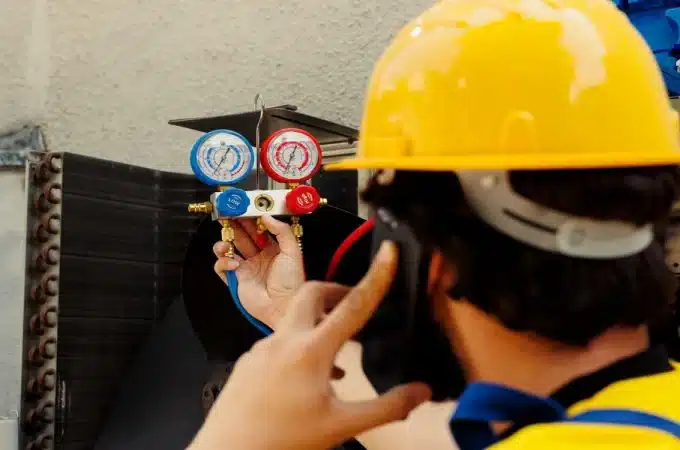
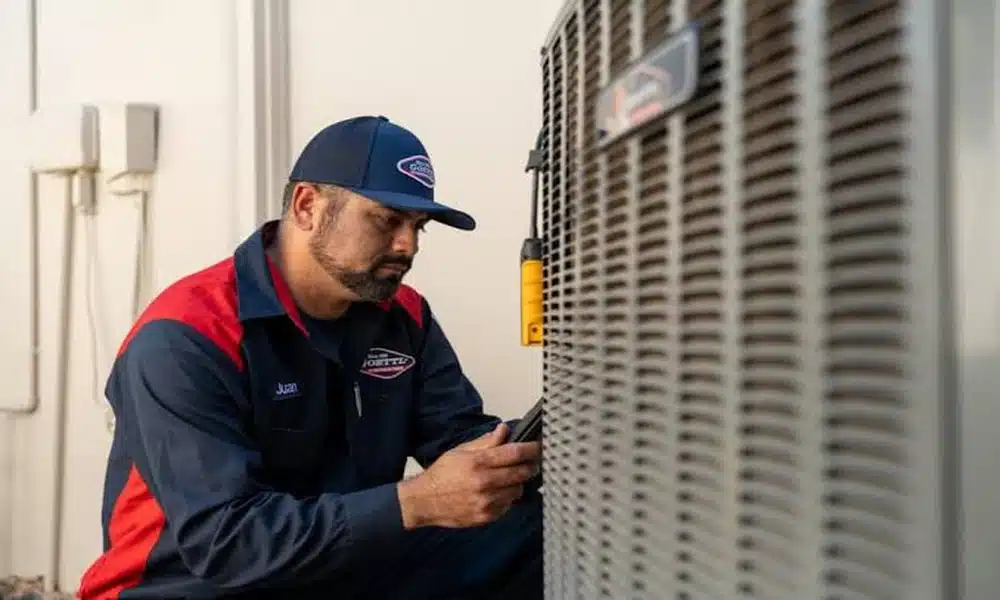
When unexpected issues do arise, professional services such as heater repair Bartlett, TN can help restore your system quickly. However, taking a proactive approach through routine maintenance remains the best way to minimise breakdowns, extend the life of your heating system, and keep your home warm and comfortable. Below are some of the most commonly overlooked heating maintenance tasks every homeowner should add to their regular home care routine.
Replace Air Filters Regularly
One of the simplest yet most frequently neglected maintenance tasks is replacing the air filter. A clogged filter restricts airflow, forcing the heating system to work harder than necessary. This not only increases energy consumption but also places unnecessary strain on components that may wear out prematurely.
Most disposable filters should be checked every month during periods of heavy use and replaced every one to three months, depending on the type of filter, household conditions, and whether pets are present.
A clean filter improves indoor air quality while helping the system maintain consistent temperatures throughout the home.
Keep Air Vents and Registers Clear
Furniture, rugs, curtains, and household items often end up blocking heating vents without homeowners realizing it. Even partially obstructed vents reduce airflow and prevent rooms from heating evenly.
Walk through your home periodically to ensure every vent remains fully open and unobstructed. Dust should also be removed from registers, as accumulated debris can reduce airflow over time.
Maintaining unrestricted airflow allows the heating system to operate more efficiently and helps prevent unnecessary wear.
Inspect Your Thermostat
The thermostat acts as the control centre for your heating system, yet many people rarely check whether it is operating accurately.
If temperatures inside the home feel inconsistent, compare the thermostat reading with a separate room thermometer. If there is a noticeable difference, recalibration or replacement may be necessary.
Homeowners using programmable or smart thermostats should also review seasonal schedules. Adjusting heating times to match your daily routine can improve comfort while reducing unnecessary energy use.
Check for Air Leaks Around Doors and Windows
Heating maintenance extends beyond the equipment itself. Warm air escaping through gaps around doors, windows, loft hatches, or poorly sealed areas forces the heating system to run longer to maintain comfortable temperatures.
Inspect seals and weatherstripping before winter arrives. Replacing worn seals or applying draught-proofing materials is an inexpensive improvement that can significantly reduce heat loss.
Better insulation also reduces the workload placed on the heating system throughout the colder months.
Clean Around the Heating Unit
Many homeowners unintentionally allow storage boxes, cleaning supplies, or household clutter to accumulate around their furnace or boiler.
Keeping the surrounding area clean serves two important purposes. First, it improves airflow around the equipment. Second, it reduces potential fire hazards and makes inspections easier for technicians during servicing appointments.
Dust should also be removed carefully from accessible exterior surfaces using a soft cloth or vacuum attachment.
Listen for Unusual Sounds
Heating systems rarely fail without warning. Strange noises often provide early signs that something requires attention.
Be alert for sounds such as the following:
- Banging
- Rattling
- Squealing
- Grinding
- Whistling
These noises could indicate loose components, worn bearings, airflow restrictions, or developing mechanical problems.
Addressing unusual sounds early often prevents more expensive repairs later.
Inspect Visible Ductwork
In homes with forced-air heating systems, ductwork plays an essential role in distributing warm air throughout the property.
Visible ducts should be checked occasionally for loose joints, disconnected sections, dents, or obvious air leaks. Small gaps can allow heated air to escape into unused spaces such as lofts, basements, or crawl spaces.
Professional duct sealing may improve both comfort and heating efficiency if significant leaks are discovered.
Test Safety Devices
Safety features deserve just as much attention as performance.
Carbon monoxide detectors should be tested monthly, particularly in homes with gas, oil, or propane heating systems. Batteries should be replaced according to manufacturer recommendations.
Smoke alarms should also be tested regularly, and every member of the household should understand emergency procedures in the unlikely event of a heating-related issue.
Schedule Annual Professional Servicing
While homeowners can complete many routine maintenance tasks themselves, annual professional servicing remains one of the most valuable investments in a heating system.
A qualified technician can:
- Inspect burners and heat exchangers
- Check electrical connections
- Lubricate moving parts where required
- Test safety controls
- Measure system efficiency
- Identify developing problems before they become major failures
Regular servicing not only improves reliability but may also help maintain manufacturer warranty requirements.
Don’t Ignore Small Warning Signs
One of the biggest mistakes homeowners make is assuming minor heating issues will resolve themselves.
Signs that deserve prompt attention include:
These symptoms often indicate small issues that become more expensive if ignored.
Final Thoughts
Heating systems work hardest when temperatures drop, making preventative maintenance one of the smartest ways to avoid unexpected breakdowns. Many overlooked tasks, from replacing filters and checking thermostats to inspecting vents and sealing draughts, require little time but can have a noticeable impact on efficiency and comfort.
Combining these simple homeowner checks with annual professional servicing helps keep heating equipment operating safely and reliably for years to come. Rather than waiting until a problem interrupts your comfort during the coldest part of the year, adopting a proactive maintenance routine can save money, improve energy efficiency, and provide greater peace of mind throughout every heating season.
=========================================================