Protecting Your HVAC System in a Coastal Climate
How Salt and Humidity Damage Coastal HVAC Systems
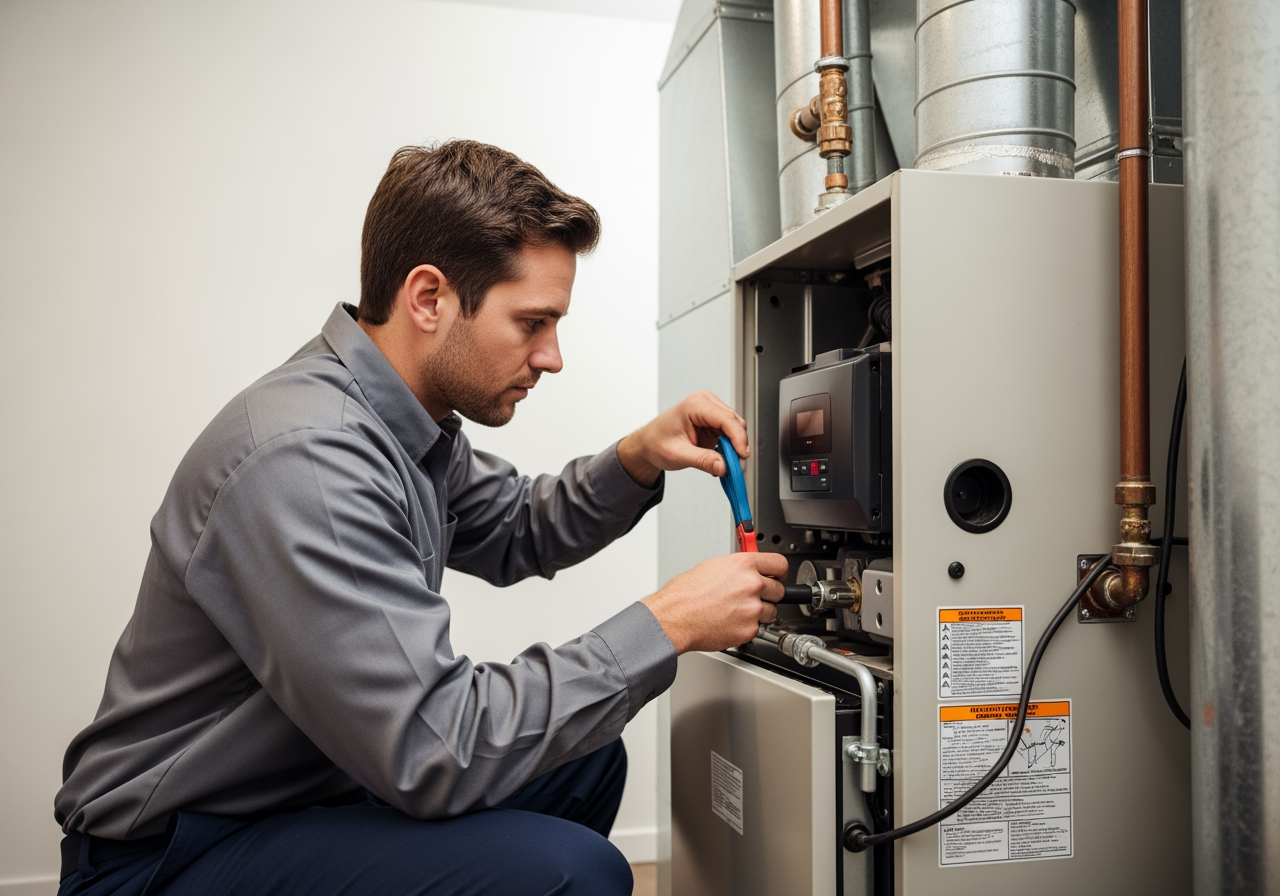
Living in Hampstead, NC, offers beautiful coastal views and a unique climate. However, this environment also brings specific challenges for our homes’ heating, ventilation, and air conditioning (HVAC) systems. Salt air, high humidity, and coastal storms can take a toll, often leading to unexpected breakdowns. When our furnace struggles, finding reliable furnace repair services in Hampstead, NC, becomes essential. We know how crucial a well-functioning furnace is for your comfort, especially during cooler months. This guide will help us understand the impact of coastal living on our HVAC, common signs of trouble, and how to protect our systems from these unique elements.
Coastal living truly is a dream for many. We enjoy stunning scenery and a relaxed pace. Yet, this idyllic setting comes with unique home maintenance challenges. Our HVAC systems face constant exposure to salt air and high humidity. These elements are major threats. They combine with sand, debris, and occasional severe storms. We will explore how these factors impact our HVAC units. We will also learn what we can do to ensure their longevity and efficiency. This often means looking for Specialized coastal HVAC services that understand our local climate.
The coastal environment, while beautiful, presents a formidable adversary to our HVAC systems. The combination of salt-laden air and persistent high humidity creates a perfect storm for accelerated wear and tear. This constant exposure can lead to reduced efficiency, a shorter system lifespan, and even compromise our indoor air quality.
The Corrosive Effect of Salt Air on Outdoor Units
Salt corrosion is arguably the most significant threat to outdoor HVAC units in Hampstead, NC. Microscopic salt particles carried by the sea breeze land on and adhere to various components of the system. Over time, these salt deposits combine with moisture to create an electrolytic reaction, leading to rust and corrosion. This process is relentless and can affect even the most robust materials.
The condenser coils, which are vital for heat exchange, are particularly vulnerable. As they corrode, their ability to transfer heat diminishes, forcing the system to work harder and consume more energy. Metal casings, often made of steel, can rust through, exposing internal components to further damage. Electrical connections, crucial for the system’s operation, can corrode, leading to intermittent failures or complete system shutdowns. Even the fan motors, responsible for drawing air through the coils, can suffer from corrosion on their bearings and electrical windings.
Here are the components most vulnerable to salt corrosion:
- Condenser Coils: Directly exposed to the elements, their thin fins and tubing are prime targets for salt accumulation and subsequent corrosion, impairing heat transfer.
- Metal Casings and Cabinets: The outer shell of the unit provides protection, but once compromised by rust, it leaves the internal mechanisms exposed.
- Electrical Connections and Wiring:Corrosion on terminals and wiring can lead to poor conductivity, short circuits, and system malfunctions.
- Fan Motors and Blades: Salt can pit fan blades and corrode motor housings and internal components, leading to reduced performance or failure.
- Fasteners and Screws: Small but critical, corroded fasteners can weaken the structural integrity of the unit.
- Refrigerant Lines: While usually insulated, exposed sections or compromised insulation can lead to corrosion and potential refrigerant leaks.
Managing Indoor Humidity and Air Quality
Beyond the outdoor unit, high humidity, characteristic of Hampstead’s climate (summers are hot and muggy, with average temperatures around 89°), poses a significant challenge to the indoor components of our HVAC systems and overall indoor air quality. Furnaces and air conditioners play a dual role in both heating/cooling and managing humidity.
When humidity levels are consistently high, our systems work harder to dehumidify the air. This can lead to issues such as clogged condensate drain lines, where the excess moisture removed from the air has nowhere to go. A clogged drain line can cause water to back up, potentially leading to leaks, water damage, and an environment ripe for mold growth within the unit or ductwork.
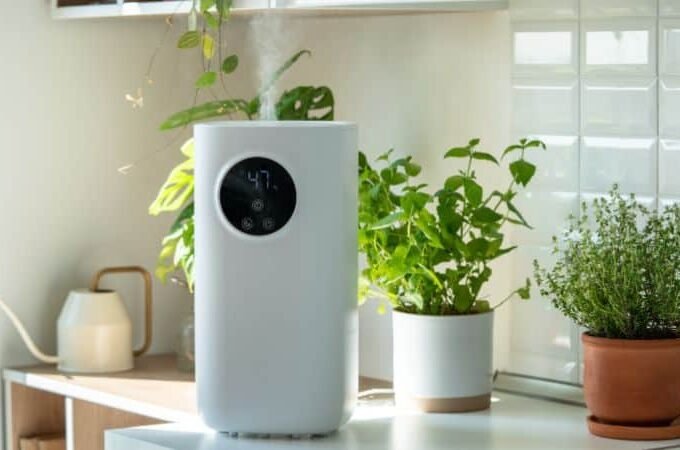
Ductwork contamination is another concern. High humidity can foster the growth of mold and mildew inside ducts, which then circulates spores and allergens throughout our homes. This leads to musty odors and can exacerbate respiratory issues for occupants. In such cases, professional duct cleaning may be necessary. For homes struggling with persistent high indoor humidity, especially during the muggy summers, a whole-home dehumidifier integrated into the HVAC system can be an effective solution, working in conjunction with our furnace or AC to maintain optimal indoor air quality and comfort.
Essential Maintenance for a Long-Lasting Coastal HVAC
Given the harsh coastal environment, proactive maintenance is not just recommended; it’s essential for ensuring a long-lasting and efficient HVAC system. Regular care can prevent unexpected breakdowns, maintain optimal efficiency, and ultimately protect our significant investment in home comfort.
DIY Maintenance Checklist for Coastal Homeowners
While professional service is critical, there are several simple tasks we can perform as homeowners to support our HVAC system’s health and longevity. These DIY steps can help mitigate the effects of salt, sand, and humidity.
- Regular Filter Changes: This is perhaps the easiest and most impactful task. Filters should be checked monthly and replaced every 1-3 months, or more frequently in dusty coastal environments. A clean filter ensures proper airflow and prevents dust and allergens from circulating.
- Cleaning the Outdoor Unit:Periodically, gently rinse the outdoor condenser unit with a garden hose. This helps wash away salt buildup, sand, and other debris that can accumulate on the coils and casing. Avoid using high-pressure washers, which can bend delicate fins.
- Clearing Away Sand and Debris:Ensure the area around the outdoor unit is free from sand, leaves, grass clippings, and other debris. Maintain at least two feet of clear space around the unit for optimal airflow.
- Visually Inspecting for Rust: Regularly check the metal casing, screws, and visible components for any signs of rust or corrosion. Addressing small spots early with rust-inhibiting paint can prevent them from spreading.
- Checking the Condensate Line:During the humid months, ensure the condensate drain line is clear and draining properly. If you notice standing water near the indoor unit or a musty smell, the line might be clogged. A mixture of distilled vinegar and water can often clear minor clogs.
These simple steps can significantly extend the life of our HVAC system and reduce the need for emergency furnace repair services in Hampstead, NC.
Why Professional Tune-Ups Are Non-Negotiable
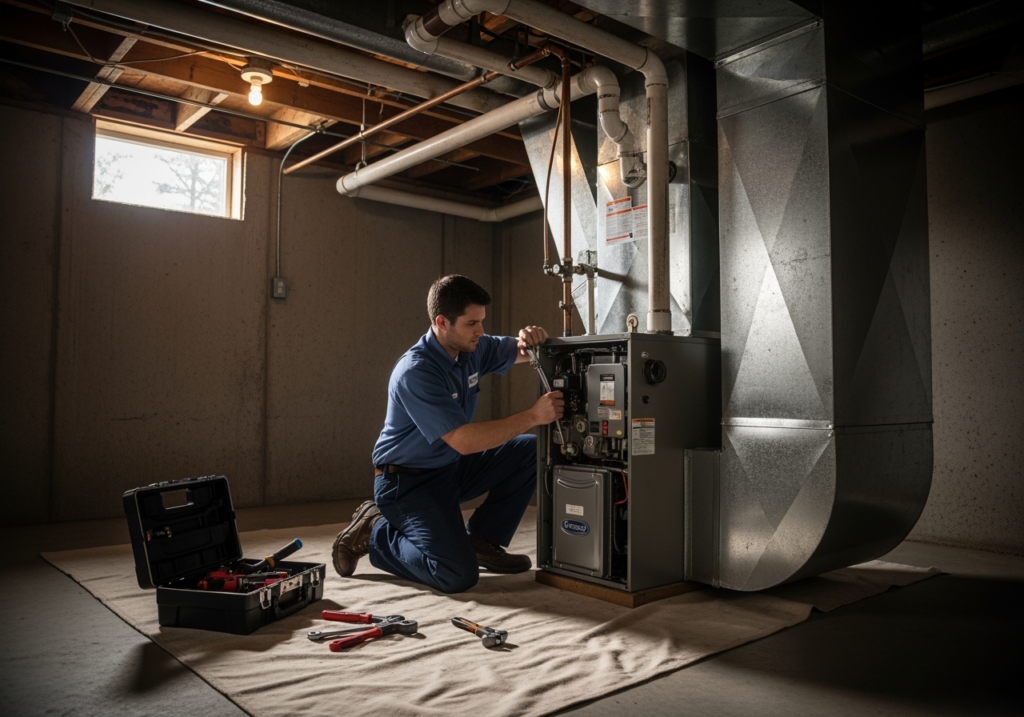
While DIY maintenance is helpful, it cannot replace the thoroughness and expertise of a professional HVAC tune-up. Given the unique challenges of the Hampstead, NC climate, annual or even bi-annual professional maintenance is crucial. Most HVAC systems last between 15 and 20 years, but this lifespan can be significantly shortened in coastal areas without proper care.
A professional tune-up typically includes:
- Thorough Coil Cleaning: Technicians have specialized tools and cleaning solutions to deep clean condenser and evaporator coils, removing stubborn salt, dirt, and grime that homeowners cannot reach.
- Electrical Connection Checks: They will inspect and tighten all electrical connections, which are prone to corrosion in salty environments, preventing potential fire hazards and system failures.
- Refrigerant Level Verification: Proper refrigerant levels are essential for efficient operation. Technicians will check and, if necessary, adjust levels, also looking for any leaks.
- Lubricating Moving Parts: Motors and fans have moving parts that require lubrication to reduce friction and wear, extending their lifespan.
- System Calibration for Peak Performance: Professionals will calibrate thermostats, check airflow, and ensure all components are working together optimally, which is vital for energy efficiency and comfort. This also includes checking the furnace’s heat exchanger for cracks, a critical safety check for gas furnaces.
For residents of Hampstead, NC, scheduling HVAC tune-ups in the spring (for AC) and fall (for heating) is a best practice. This ensures our systems are ready for the extreme temperatures, whether it’s the 89° summer heat or the 36° winter chill. Regular check-ups can identify minor issues before they escalate into major, costly repairs, keeping our homes comfortable year-round.
The Importance of Specialized Coastal HVAC Services
In a coastal community like Hampstead, NC, standard HVAC practices often fall short. The unique environmental stressors demand a specialized approach to installation, maintenance, and repair. Relying on companies that truly understand the local climate and its impact on heating and cooling systems is paramount.
Choosing Equipment Built for the Coast
When it comes to HVAC systems in coastal areas, not all equipment is created equal. Manufacturers offer specialized units designed to withstand corrosive environments. Investing in these can significantly prolong your system’s life and reduce maintenance needs.
Key features to look for include:
- Corrosion-Resistant Coils: These often feature epoxy or polymer coatings that create a barrier against salt and moisture. Some advanced coils are made from aluminum alloys or copper-nickel, which naturally resist corrosion better than standard copper or aluminum.
- Stainless Steel Hardware: Fasteners, screws, and other small metallic parts are upgraded to stainless steel to prevent rust that can compromise structural integrity.
- Composite Base Pans: The base pan of the outdoor unit, where moisture can collect, should be made of a non-corrosive composite material rather than metal.
- Factory-Applied, Weather-Resistant Coatings: Many coastal-grade units come with improved protective coatings on their cabinets and internal components, offering an additional layer of defense against the elements.
Choosing the right equipment upfront can save homeowners in Hampstead from frequent repair calls and premature system replacement.
Finding Expert Coastal HVAC Services for Installation and Repair
Even the best coastal-grade equipment needs expert handling. This is where the value of a local HVAC company with specific experience in coastal environments truly shines. They understand that proper installation techniques are crucial. This includes using liftd platforms to protect outdoor units from potential flooding and storm surges, as well as ensuring secure anchoring against high winds.
When seeking furnace repair services in Hampstead, NC, or considering a new installation, look for companies that demonstrate expertise in:
- Proper System Sizing: An HVAC system that is too large or too small for your home can lead to inefficiencies, uneven temperatures, and increased wear and tear. Coastal experts perform thorough load calculations, considering factors like insulation, window efficiency, and local climate data to ensure your furnace or AC is perfectly matched to your home’s needs.
- Storm-Proofing Techniques: This involves more than just anchoring. It includes proper electrical connections, protecting vulnerable components, and advising on landscaping or barriers that can shield units from wind-blown debris and salt spray.
- Specialized Maintenance Protocols:Coastal HVAC professionals will have specific maintenance routines custom to address corrosion and humidity issues. This goes beyond standard cleaning to include specialized treatments for coils and electrical components.
- Understanding Local Building Codes and Regulations: Local experts are familiar with Hampstead’s specific building codes, which may include requirements for HVAC installations in coastal zones.
Choosing a local HVAC company for furnace repair in Hampstead, NC, offers numerous benefits. They are often more responsive to emergency calls, understand the nuances of the local climate, and have a vested interest in the community. Companies that offer expertise in coastal HVAC services are invaluable resources, providing insights and solutions specifically designed for our unique environment. They can also offer preventative maintenance plans that are customized for coastal living, helping to avoid costly repairs and extend the life of our systems.
Frequently Asked Questions About Coastal HVAC Services
Living in Hampstead, NC, often brings specific questions about how to best care for our HVAC systems. We’ve compiled some frequently asked questions to help you steer the challenges of coastal heating and cooling.
How often should I have my system serviced in a coastal area?
Given the harsh coastal environment, we recommend having your HVAC system serviced at least twice a year. This typically means a spring AC tune-up to prepare for the hot and muggy summers (average 89° in Hampstead) and a fall heating tune-up to ensure your furnace is ready for the short, cold, and somewhat windy winters (typical temperature of 36°). This bi-annual service schedule allows technicians to identify and address potential issues caused by salt corrosion and humidity before they lead to major breakdowns. It also helps maintain efficiency, which is crucial for managing energy bills in our climate.
What are the best ways to protect my outdoor unit from salt?
Protecting your outdoor unit from salt is critical for its longevity. Here are some effective strategies:
- Regular Gentle Rinsing: As mentioned earlier, periodically rinsing the outdoor condenser unit with a garden hose helps wash away salt buildup. Do this especially after strong winds or storms.
- Protective Coatings: Consider applying professional-grade protective wax coatings specifically designed for HVAC units in coastal areas. Some new units also come with factory-applied corrosion-resistant coatings.
- Professional Cleaning: During your bi-annual maintenance, ensure your technician performs a thorough cleaning of the coils using specialized solutions that target salt and grime.
- Strategic Placement and Barriers: If possible, consider the placement of your unit during installation to minimize direct exposure to prevailing sea breezes. Landscaping features or non-restrictive barriers can also help deflect salt spray, but ensure they don’t impede airflow.
What makes coastal HVAC services different from standard ones?
Coastal HVAC services differ significantly from standard offerings because they are specifically custom to combat the unique environmental challenges presented by living near the ocean.
- Focus on Corrosion Prevention:Unlike inland services, coastal HVAC companies prioritize and specialize in techniques and products designed to prevent and mitigate salt corrosion on all metal components.
- Advanced Moisture Control Expertise: They have a deeper understanding of how high humidity affects HVAC systems, including issues like mold growth in ductwork, clogged condensate lines, and the need for whole-home dehumidification solutions.
- Storm-Proofing Knowledge: Coastal technicians are knowledgeable about securing units against high winds, protecting them from storm surges, and ensuring electrical connections are robust enough to withstand severe weather events.
- Specific Material and Equipment Recommendations: They guide homeowners toward HVAC systems and components (e.g., corrosion-resistant coils, stainless steel hardware) that are built to endure the coastal climate, rather than recommending standard equipment that may fail prematurely.
- Rapid Response to Weather-Related Issues: Local coastal companies often have protocols in place for responding to HVAC emergencies that arise from hurricanes or other severe weather, understanding the urgency of restoring comfort and safety in such situations.
These specialized considerations ensure that your HVAC system, including your furnace, receives the precise care it needs to operate efficiently and reliably in Hampstead, NC’s unique environment.
Conclusion
Living in Hampstead, NC, offers an unparalleled lifestyle, but it also demands a proactive approach to home maintenance, especially concerning our HVAC systems. The constant battle against salt air, high humidity, and the occasional severe storm can significantly impact the longevity and efficiency of our furnaces and air conditioners.
We’ve explored the corrosive effects of salt on outdoor units and the challenges high humidity poses to indoor air quality. The key to mitigating these issues lies in a combination of diligent homeowner care and, crucially, specialized professional expertise. Regular DIY maintenance, such as changing filters and rinsing outdoor units, plays a vital role. However, it is the bi-annual professional tune-ups that truly ensure our systems are inspected, cleaned, and calibrated to withstand the coastal environment.
Choosing the right equipment—systems designed with corrosion-resistant materials—and partnering with a local HVAC company that offers specialized coastal HVAC services are paramount. These experts understand the nuances of our climate, from proper system sizing and storm-proofing techniques to advanced maintenance protocols. Their local knowledge and commitment to the community ensure that when we need furnace repair services in Hampstead, NC, we receive prompt, effective, and custom solutions.
By embracing proactive maintenance, making smart equipment choices, and valuing the expertise of local professionals, we can ensure our homes remain comfortable, our indoor air quality stays healthy, and our HVAC systems continue to operate efficiently for years to come, protecting our investment and enhancing our coastal living experience.
Contact Us Today! | Furnace Repair Services| Furnace Installation