Pool Lights for a Brighter Backyard
The Advantages of Clear Tech LED Pool Lights
Choosing LED pool lights represents a significant upgrade for any pool owner, offering a compelling blend of efficiency, longevity, and aesthetic appeal that traditional incandescent or halogen bulbs simply cannot match. When we consider the advantages, the decision to switch becomes clear.
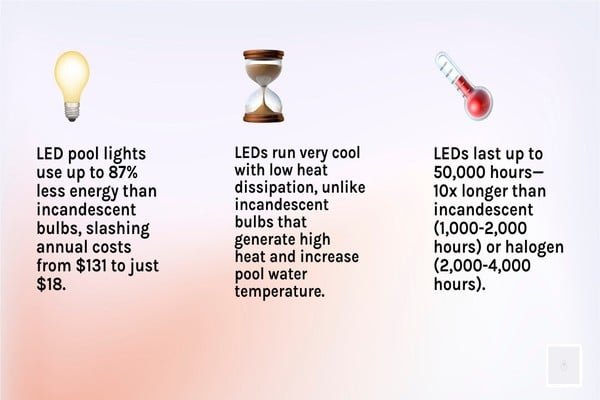
One of the most striking benefits is the dramatic reduction in energy consumption. While traditional 300W incandescent bulbs can incur substantial annual operating costs, a comparable 42W LED light operates at a significantly lower annual cost. This translates to substantial savings on your electricity bill year after year.
Beyond the immediate energy savings, LED lights boast an impressive lifespan. They can last up to 10 times longer than incandescent alternatives, often exceeding 50,000 hours of operation. This extended lifespan means less frequent bulb replacements, reducing both maintenance effort and cost, especially for bulbs located in hard-to-reach niches. The robust, solid-state nature of LEDs also contributes to their durability, making them less susceptible to damage from vibrations or minor impacts.
The quality of light produced by LEDs is also superior. They offer high Color Rendering Index (CRI), ensuring that the colors in your pool and surrounding landscape appear vivid and true. Unlike incandescent bulbs that primarily generate heat, LEDs are far more efficient at converting electricity into light, resulting in cooler operation and a reduced environmental impact.
To illustrate these benefits, consider the following comparison:
Feature LED Pool Lights Halogen Pool Lights Incandescent Pool Lights Energy Use Up to 87% less energy Up to 75% less energy than incandescent High (e.g., 300W-500W) Lifespan Up to 50,000 hours (10x longer) 2,000-4,000 hours 1,000-2,000 hours Heat Dissipation Very low, runs cool Moderate, runs hot High, runs very hot Lumen OutputHigh lumens per watt, efficient Good, but less efficient than LED Lower lumens per watt Color Options Wide range (RGBW), dynamic shows Limited (typically warm white) Limited (typically warm white) Environmental Impact Low carbon footprint, less waste Moderate Higher carbon footprint, more waste DurabilityHigh (solid-state, shock-resistant) Moderate (filament can break) Low (fragile filament) For those looking to enhance their pool’s ambiance, improve safety, and embrace modern, efficient technology, exploring options like those offered by Clear Tech LED pool lights is a wise investment.
Understanding Different Types of Clear Tech LED Pool Lights
The world of LED pool lighting offers a diverse range of options, each designed to meet specific needs and aesthetic preferences. Understanding these types is crucial for making an informed decision for your pool or spa.
The primary distinction lies between nichedand nicheless lights. Niched lights are the traditional standard, requiring a dedicated housing (niche) built into the pool wall during construction. These are typically larger fixtures that fit into pre-existing receptacles. While effective, they offer less flexibility in placement and often require the pool to be drained for bulb replacement.
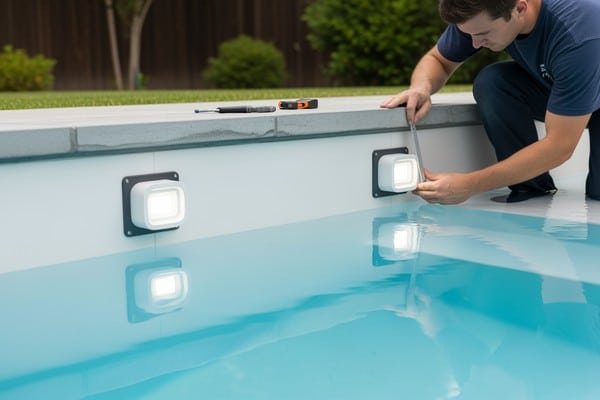
In contrast, nicheless designs represent a modern innovation. These lights are compact and mount directly to the pool wall, often without the need for a large, recessed niche. This design allows for greater flexibility in placement, making them ideal for illuminating specific features like steps, sun shelves, or swim-outs. Multiple nicheless lights can be strategically placed to achieve more even light distribution and create intricate lighting designs.
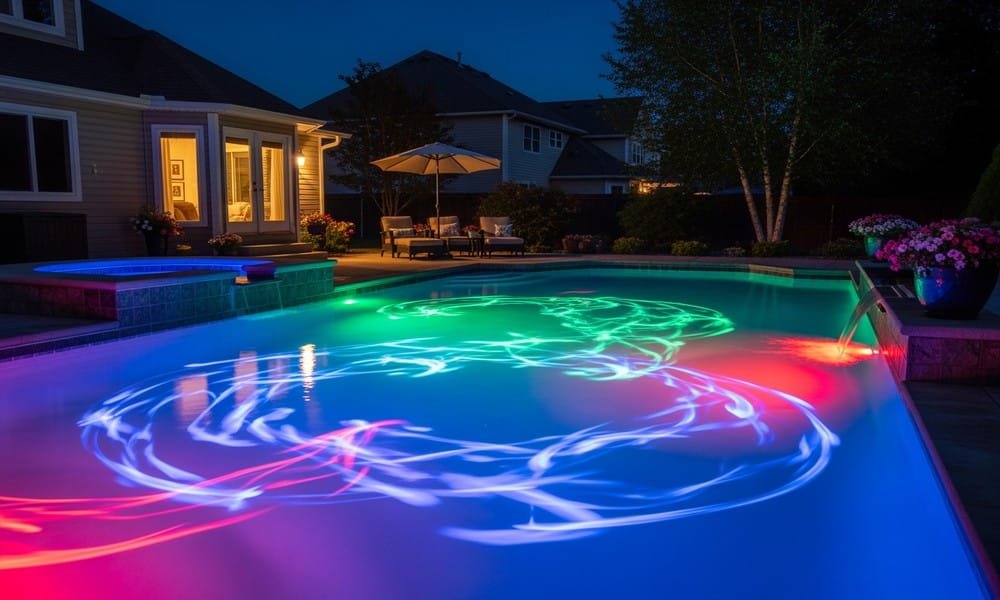
Another key consideration is the color capability. RGBW color-changing LED lights are incredibly popular, allowing you to cycle through a vast spectrum of colors, create dynamic light shows, or set a specific mood for any occasion. The “W” in RGBW indicates a dedicated white LED, which provides a purer, brighter white light compared to older RGB-only systems that mix colors to create white. For those who prefer a classic, crisp look, pure white LED lights are also available, offering bright, consistent illumination with excellent energy efficiency.
Finally, consider the application: pool vs. spa lighting. While many LED lights are suitable for both, some are specifically designed for the smaller, often warmer environments of spas. Spa lights are typically more compact and can be installed in greater numbers to create a more intimate and therapeutic ambiance.
When selecting, consider the beam spreadand light distribution capabilities. Some lights offer a wide beam for general illumination, while others provide a narrower, more focused beam to highlight specific architectural features or water effects. The ability to control different lighting zones independently also adds a layer of sophistication, allowing you to create varied atmospheres within your pool and spa area.
Maximizing Efficiency with Clear Tech LED Pool Lights
The inherent design of LED technology makes it a champion of energy efficiency, a benefit that translates directly into significant operational savings for pool owners. By upgrading to LED pool lights, we can expect an energy reduction of up to 80% compared to older incandescent systems. This remarkable efficiency stems from the fact that LEDs convert a much higher percentage of electrical energy into light, rather than wasted heat.
These operational savings accrue over time, contributing to a strong return on investment (ROI) for your lighting upgrade. While the initial cost of LED lights might be slightly higher than traditional bulbs, the long-term savings on electricity bills and reduced maintenance quickly offset this difference. The solid-state technology of LED lights ensures consistent performance and reliability, minimizing the need for frequent replacements or repairs.
Beyond financial benefits, choosing energy-efficient LED pool lights also significantly reduces your carbon footprint. By consuming less power, you contribute to a lower demand for electricity generated from fossil fuels, making your pool a more environmentally friendly feature of your home. Many local utility companies even offer rebates or incentives for homeowners who upgrade to energy-efficient lighting, further enhancing the financial appeal.
Here are some key energy-saving metrics that highlight the efficiency of LED pool lights:
- Wattage Reduction: A 42-watt LED light can produce the same amount of light as a 300-watt incandescent bulb, representing a massive decrease in power draw.
- Annual Cost Savings: The difference in annual operating costs between LED and incandescent can be substantial, leading to hundreds of dollars in savings over the lifespan of the lights.
- Reduced Heat Output: LEDs generate very little heat, which can also slightly reduce the load on your pool’s cooling or ventilation systems in enclosed spaces.
- Longer Lifespan, Less Waste: The extended lifespan means fewer bulbs end up in landfills, contributing to less waste and a smaller environmental impact.
- Lower Maintenance Costs: Less frequent bulb changes mean reduced labor costs for replacement, especially if professional service is required.
By maximizing efficiency with LED pool lights, we not only enhance our backyard experience but also make a smart financial and environmental choice.
Installation and Maintenance for Long-Term Performance
Proper installation and diligent maintenance are paramount to ensuring the longevity, safety, and optimal performance of your LED pool lights. While LED technology is inherently durable, adherence to best practices during setup and ongoing care will protect your investment and keep your pool brilliantly lit for years to come.
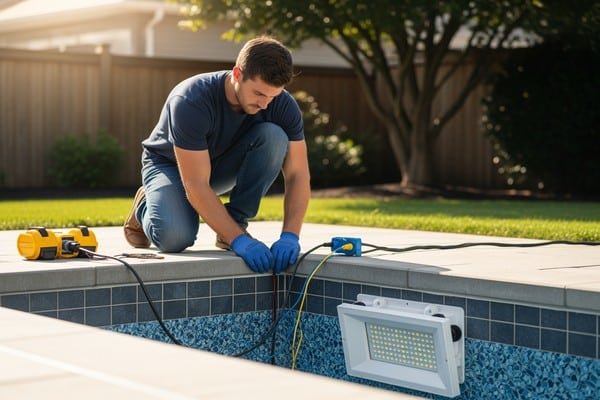
Professional installation is highly recommended, especially for inground pool lights, due to the critical electrical and waterproofing requirements. This involves ensuring all connections are secure, waterproof seals are perfectly intact, and the system is properly grounded. All underwater lighting circuits must be protected by a Ground Fault Circuit Interrupter (GFCI) to prevent electrical hazards. Professional wiring ensures compliance with local electrical codes and maximizes safety.
Many high-quality LED pool lights incorporate advanced cooling technologyto dissipate heat efficiently, which is crucial for extending the lifespan of the LED components. Always confirm that your chosen lights carry a reputable UL listing or other relevant safety certifications, guaranteeing they meet stringent safety standards for underwater use.
Regarding warranties, most reputable manufacturers offer comprehensive coverage. For instance, some systems may offer a 3-year extended protection plan when paired with compatible pool equipment, providing added peace of mind. Understanding the terms of your warranty is important for long-term planning and support.
Technical Specifications: Voltage, Wattage, and Safety
Understanding the technical specifications of LED pool lights is vital for both safety and performance. The two primary voltage options you’ll encounter are 12V (low voltage) and 120V (line voltage).
- 12V systems are generally considered safer for underwater applications because of the lower electrical current. They require a transformer to reduce the household 120V power down to 12V before it reaches the light fixture. This setup minimizes the risk of severe electrical shock in the unlikely event of a fault.
- 120V systems operate directly from your home’s main electrical supply. While these systems are also designed with safety features like GFCI protection, the higher voltage means any malfunction could pose a greater risk.
Regardless of voltage, all pool lights must have an appropriate IP68 waterproof rating. This rating signifies that the fixture is completely dust-tight and can withstand continuous immersion in water under pressure, making it suitable for underwater use. Many modern LED pool lights also feature polycarbonate insulation or other robust materials to prevent current leakageand enhance durability in the harsh pool environment.
Cord lengths are another practical consideration, typically ranging from 15 to 150 feet to accommodate various pool sizes and equipment locations. It’s crucial to select a cord length that is sufficient to reach the power source without requiring splices underwater, which would compromise the waterproof integrity. If using 12V lights, ensure your transformer requirements are met, as an undersized transformer can lead to dimming or flickering lights.
Always look for products with UL listing or other recognized safety certifications(e.g., ETL) to ensure they have been independently tested and meet strict safety standards for use in swimming pools. These certifications are your assurance that the light has been manufactured to prevent electrical hazards.
Retrofitting and Choosing the Right Setup for Your Pool
Whether you have an inground pool or an above-ground pool, there are LED lighting solutions available, and often, existing setups can be upgraded.
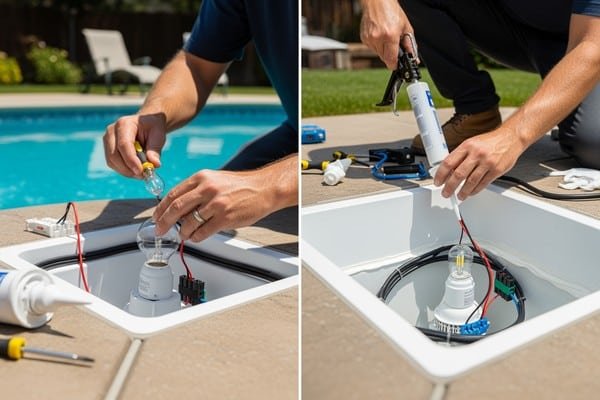
For inground pools, the most common scenario involves retrofitting existing incandescent or halogen fixtures. Many manufacturers offer retrofit kits that allow you to simply replace the bulb and internal components of your old light with an LED equivalent, often without needing to replace the entire fixture or drain the pool. It’s crucial to check niche compatibility to ensure the LED replacement fits your existing housing. This makes the transition to LED surprisingly straightforward for many homeowners. For a deeper dive into inground pool lighting options, we recommend consulting expert resources like this article on In Ground Pool Lighting Options.
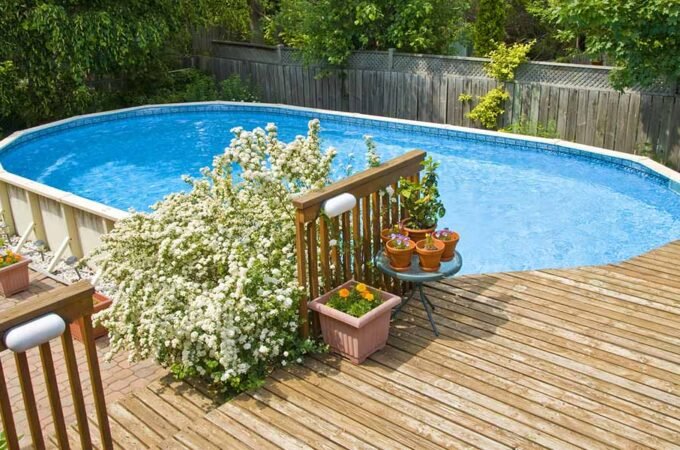
Above-ground pools typically don’t have built-in niches, but they offer a variety of LED lighting solutions. These can include lights that clamp onto the pool wall, magnetic lights, or even floating solar-powered options. For more information on lighting specific to above-ground pools, explore resources such as this guide on Above Ground Pool Lighting Options.
Beyond compatibility, strategic placement is key to effective illumination. Consider the beam angles of your chosen lights. A common recommendation is a 60-degree spread for general illumination, but narrower beams can highlight specific features. For optimal brightness and to minimize shadows, lights are often placed approximately 9-12 inches below the waterline in the main body of the pool. For shallower areas like tanning shelf lightingor steps, lights may be positioned higher, around 4 inches below the surface, to provide focused illumination without glare. For pools with curves or unique shapes, a pool designer can help determine the best placement to achieve even lighting.
Advanced Features and Smart Control Integration
Modern LED pool lights go far beyond simple on/off functionality, offering a suite of advanced features and smart control options that elevate your pool experience. The ability to integrate your lighting with existing pool automation compatibilitysystems is a game-changer. This allows for centralized control of your entire pool environment, from pumps and heaters to waterfalls and, of course, your lights.
One of the most popular advancements is smartphone app control. Imagine effortlessly changing your pool’s color scheme, setting dynamic light shows, or simply turning the lights on before you even step outside, all from the palm of your hand. Apps like the iAquaLink app provide comprehensive control, allowing you to manage lighting timers, adjust colors, and even synchronize lights with other pool equipment. This level of remote operationoffers unparalleled convenience.
Beyond remote access, LED pool lights offer incredible customization. You can create custom color palettes to match your mood, a special event, or even your favorite sports team’s colors. Many systems come with a variety of pre-programmed light shows that cycle through different colors and patterns, adding a “wow factor” to your evening swims. Dimming capabilities allow you to adjust the brightness, creating a subtle, romantic glow or a vibrant, party atmosphere.
For larger pools or those with multiple lighting zones (e.g., main pool, spa, sun shelf), multi-zone synchronizationensures that all lights work together harmoniously or can be controlled independently. Technologies like Smart Sync further simplify this integration, allowing different types of lights and pool features to communicate seamlessly, creating a truly unified and spectacular lighting display. These advanced features transform your pool into a dynamic, personalized oasis.
Longevity and Troubleshooting Tips
While LED pool lights are celebrated for their exceptional longevity, a proactive approach to maintenance and an understanding of common issues can further extend their lifespan and ensure consistent performance. With a minimum expected lifespan of around 5.7 years (and often much longer, up to 50,000 hours), these lights are built to last, but they still benefit from occasional care.
Regular lens cleaning is important to maintain optimal light output. Over time, algae, mineral deposits, or debris can accumulate on the lens, diminishing brightness. Gently cleaning the lens with a soft brush or cloth during routine pool maintenance can prevent this. Periodically inspecting the light’s seal inspection is also crucial. The integrity of the waterproof seal is paramount; any cracks or degradation could lead to water intrusion, which can damage the internal electronics.
For 12V systems, ensuring proper voltage drop management is key. If the cable run from the transformer to the light is too long or the gauge of the wire is insufficient, a voltage drop can occur, leading to dimmer lights or reduced lifespan. Consulting with a professional during installation can prevent this.
Proper winterization procedures are also important in colder climates. While LEDs are more resilient to temperature changes than traditional bulbs, ensuring the light fixture is properly secured and protected from ice expansion can prevent damage.
Common troubleshooting areas include:
- Moisture prevention: If you notice water inside the lens, immediately disconnect power and have a professional inspect and reseal or replace the light.
- Signal interference: If your remote or smart control isn’t working, check for obstructions or other electronic devices that might be causing interference. Repositioning the receiver or remote might help.
- Flickering lights: This could indicate a loose connection, a failing power supply, or a voltage drop issue.
- Partial illumination: If only some LEDs are working, it might point to an internal component failure, requiring professional assessment.
For those considering converting or replacing older pool lights with new LED units, specialized resources like PoolLights.com offer valuable guidance on conversion and replacement options. By following these maintenance and troubleshooting tips, we can ensure our LED pool lights continue to provide brilliant, reliable illumination for many years to come.