Optimizing Indoor Comfort: Modern Solutions for Heating and Cooling
Understanding the Pillars of HVAC Service Excellence
When the cold winds sweep across Aurora, a reliable furnace isn’t just a luxury; it’s a necessity. The foundation of a comfortable home rests on a well-maintained and efficiently operating HVAC system. For homeowners in Aurora, understanding the core principles of HVAC service excellence is crucial, especially when facing an unexpected breakdown. This includes appreciating the importance of thorough system diagnostics, the reassurance of 24/7 availability for urgent needs, and a steadfast safety-first approach. We believe in the value of licensed professionals equipped with technical expertise to ensure residential comfort and swift emergency response protocols.
Recognizing Signs of System Malfunction and HVAC Service Excellence
Your furnace often communicates its distress before a complete breakdown. Being attuned to these warning signs can save you from a full-blown emergency and potentially costly repairs. Common indicators that your furnace may be struggling include:
- Strange Noises: Banging, rattling, squealing, or grinding sounds can signal loose components, a failing motor, or issues with the blower fan.
- Burning Smells: While a slight burning odor might be normal when turning on the furnace for the first time in the season (due to dust burning off), a persistent or strong burning smell, especially like plastic or electrical wiring, demands immediate attention.
- Unresponsive Thermostats: If your thermostat settings aren’t translating into the desired temperature changes, or if the display is blank, it could indicate a thermostat malfunction, wiring issue, or a deeper problem within the furnace itself.
- Blower Motor Failure: If the furnace runs but no air comes out, or if the airflow is weak, the blower motor might be failing, impacting heat distribution throughout your home.
- Ignition Issues: For gas furnaces, problems with the pilot light or electronic ignition system can prevent the furnace from starting or staying lit, leading to no heat.
- Frequent Cycling: If your furnace turns on and off too frequently (short-cycling), it could be a sign of an oversized unit, a clogged filter, or a faulty thermostat, leading to inefficiency and premature wear.
Recognizing these signs early is paramount. Ignoring them can escalate minor issues into major emergencies, particularly when Aurora’s average winter temperatures can plummet to 4 degrees Fahrenheit. For reliable and prompt assistance when these issues arise, seeking Quality emergency furnace repair is always our recommendation. Professional technicians can accurately diagnose the root cause and provide effective solutions to restore your home’s warmth and safety.
Maintenance Strategies for HVAC Service Excellence
Preventative maintenance is the cornerstone of HVAC service excellence, significantly reducing the likelihood of emergency repairs. Regular upkeep ensures your furnace operates efficiently, safely, and extends its lifespan. Our comprehensive maintenance strategies typically include:
- Burner Cleaning: Keeping burners free of dust and debris ensures efficient combustion and prevents potential safety hazards.
- Airflow Testing: Verifying proper airflow is essential for even heat distribution and optimal system performance.
- Duct Inspection: Checking ducts for leaks, blockages, or damage helps maintain efficiency and indoor air quality.
- Seasonal Inspections: A pre-winter inspection is critical to prepare your furnace for the demands of the cold season, identifying potential issues before they become emergencies.
- Component Lubrication: Moving parts require lubrication to reduce friction and wear, preventing premature failure.
- System Stress Testing: Running the furnace through its paces helps confirm all components are working correctly under load.
- Energy Efficiency Checks:Technicians can identify areas where your furnace might be losing efficiency, helping you save on energy bills.
By proactively addressing these areas, we help ensure your furnace is ready to tackle Aurora’s winter weather without drama. Regular maintenance not only prolongs the life of your system but also contributes to consistent indoor comfort and safety.
Identifying Critical Indicators for Emergency Furnace Repair
While some furnace issues can wait for a scheduled service call, others demand immediate attention. An emergency furnace repair situation typically involves a complete loss of heat, a potential safety hazard, or a risk of further damage to your home. In Aurora, where winter temperatures are unforgiving, these situations are critical.
Here are the critical indicators that necessitate emergency furnace repair:
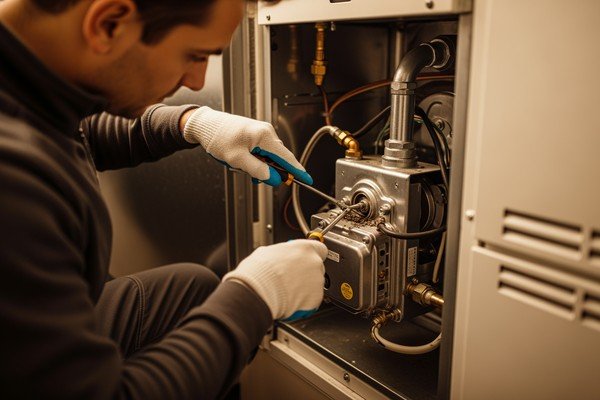
- No Heat: This is the most obvious and urgent sign. If your furnace isn’t producing any heat, especially when outdoor temperatures are low, it’s an emergency. Prolonged exposure to cold can be dangerous, leading to frozen pipes and health risks.
- Short Cycling: While mentioned as a sign of malfunction, if short cycling is severe and prevents your home from reaching a comfortable temperature, it can quickly become an emergency. The furnace constantly turning on and off without adequately heating your space indicates a serious underlying problem.
- Yellow Pilot Light (for gas furnaces):A healthy pilot light should be blue. A yellow or orange flame indicates incomplete combustion, which can produce dangerous carbon monoxide. This is a serious safety concern requiring immediate professional intervention.
- Carbon Monoxide Risks: Any indication from a carbon monoxide detector (which every home with a gas furnace should have) is an absolute emergency. Carbon monoxide is an odorless, colorless gas that can be fatal. If your detector alarms, evacuate immediately and call emergency services.
- Gas Leaks: A distinct smell of rotten eggs is the tell-tale sign of a gas leak. If you detect this, turn off the gas supply if safe to do so, evacuate your home, and contact your gas company and an emergency HVAC technician immediately. Gas leaks pose a severe risk of explosion and carbon monoxide poisoning.
- Frozen Coils: Although more common with air conditioners, if your furnace has a heat pump component or if there’s an issue with the evaporator coil (which can sometimes be part of the heating system), frozen coils can indicate severe airflow problems or refrigerant issues, hindering heating capacity.
To help you distinguish between normal operation and emergency situations, consider the following comparison:
Normal Furnace Operation Emergency Warning Signs Consistent, even heat distribution No heat whatsoever, especially in cold weather Quiet operation with minimal fan noise Loud banging, grinding, or screeching noises Blue pilot light (for gas furnaces) Yellow or flickering pilot light Regular, moderate cycling Frequent short-cycling, inability to maintain temperature No unusual odors Strong burning smell, rotten egg smell (gas leak) Thermostat responds accurately to settings Thermostat unresponsive, blank display No carbon monoxide detector alarms Carbon monoxide detector alarming Steady, strong airflow from vents Weak or no airflow, even if furnace seems to be running No visible ice or moisture around unit Ice formation on coils or refrigerant lines When faced with these critical indicators, time is of the essence. Finding a qualified professional is key to resolving the issue safely and efficiently. For instance, if you’re looking for local expertise, you can Find a Rheem HVAC Contractor in Aurora, CO through specialized directories, ensuring you connect with certified professionals who understand your specific heating system needs.
Proactive Measures to Prevent Heating Emergencies in Aurora
Preventing emergency furnace repairs is always preferable to reacting to one. By taking proactive steps, Aurora homeowners can significantly reduce the risk of unexpected breakdowns, ensure optimal system performance, and extend the lifespan of their heating equipment. Our approach emphasizes consistent care and smart home management.
Key proactive measures include:
- Regular Filter Changes: This is perhaps the simplest yet most effective maintenance task. A dirty filter restricts airflow, forcing your furnace to work harder, which can lead to inefficiency, overheating, and premature component failure. We recommend changing your furnace filter every 1 to 3 months, or more frequently if you have pets or allergies.
- Annual Tune-ups: Scheduling a professional furnace tune-up each fall is crucial. During a tune-up, technicians clean, inspect, and test all vital components, ensuring everything is operating safely and efficiently. This preventive service can catch small issues before they escalate into major problems.
- Home Insulation: Proper insulation in your attic, walls, and around windows and doors helps retain heat, reducing the workload on your furnace. This not only prevents wear and tear but also significantly lowers energy bills.
- Smart Thermostats: Upgrading to a smart or programmable thermostat allows for precise temperature control and scheduling, optimizing furnace operation. Many smart thermostats can also alert you to potential system issues, providing an early warning system.
- Ductwork Upkeep: Leaky or uninsulated ducts can lose a significant amount of heat before it reaches your living spaces. Regular inspection and sealing of ductwork ensure that heated air is delivered efficiently, preventing your furnace from overworking.
Taking these steps helps maintain your system’s health. For example, understanding how to properly care for your furnace’s internal components is vital. You can Learn about furnace cleaning to gain insights into how professional cleaning contributes to preventing emergencies and maintaining system efficiency. By integrating these practices into your home maintenance routine, you’re not just preventing emergencies; you’re investing in your home’s long-term comfort and safety.
Safety Protocols and Immediate Actions During a Heating Failure
When your furnace unexpectedly fails, especially during Aurora’s harsh winters, knowing how to react immediately can ensure safety and minimize discomfort. Our priority is always your well-being. Here are the essential safety protocols and immediate actions we recommend:
- System Shutdown: If you suspect a gas leak (rotten egg smell), or if you hear loud banging noises, or see sparks, immediately turn off your furnace at the thermostat and, if possible and safe, at the main power switch or gas valve. This prevents further damage and mitigates potential hazards.
- Ensure Ventilation (for gas concerns): If you smell gas, open windows and doors to ventilate your home. Evacuate everyone, including pets, and call your gas provider and emergency services from a safe distance. Do not use electrical switches, phones, or anything that could create a spark inside the house.
- Use Alternative Heating Safely: While waiting for professional help, you might consider alternative heating sources. Use electric space heaters with caution, ensuring they are placed on a stable, non-flammable surface, away from curtains, furniture, and children. Never use gas ovens, grills, or unvented combustion heaters indoors, as they pose a severe risk of carbon monoxide poisoning and fire.
- Clear the Workspace: Before the technician arrives, ensure the area around your furnace is clear and easily accessible. Remove any clutter, boxes, or flammable materials to allow the professional to work safely and efficiently.
- Pet Safety: Keep pets in a separate, warm area of the house or with a neighbor if possible. This ensures their safety and prevents them from interfering with the repair process.
- Carbon Monoxide Detector Alerts: If your carbon monoxide detector alarms, treat it as an immediate emergency. Evacuate your home and call 911 or your local emergency services from outside. Do not re-enter until emergency personnel have deemed it safe.
Understanding the risks associated with gas appliances is paramount. For comprehensive information on how to handle potential dangers, we encourage you to review resources on Understanding the effects of gas leaks. These steps are designed to protect you and your family while we work to restore your home’s heating.
Frequently Asked Questions about Emergency Heating Solutions
Homeowners often have urgent questions when faced with a furnace emergency. We’ve compiled answers to some of the most common concerns to provide clarity and guidance during these stressful times.
What are the risks of delaying furnace repair?
Delaying furnace repair, especially when critical issues arise, carries significant risks that extend beyond mere discomfort:
- Carbon Monoxide Poisoning: A malfunctioning gas furnace can produce carbon monoxide (CO), an odorless, colorless, and deadly gas. Issues like a cracked heat exchanger or a yellow pilot light are serious indicators. Delaying repair can expose your household to this silent killer.
- Fire Hazards: Electrical malfunctions, gas leaks, or overheating components within a faulty furnace can ignite flammable materials in your home, leading to devastating fires.
- Property Damage: In freezing temperatures, a lack of heat can cause water pipes to freeze and burst, leading to extensive water damage, mold growth, and costly repairs.
- System Failure: Minor issues, if left unaddressed, can put undue strain on other furnace components, leading to a complete system breakdown and potentially requiring a more expensive replacement rather than a repair.
- Increased Energy Bills: A struggling furnace operates inefficiently, consuming more energy to produce less heat, resulting in higher utility costs.
Addressing heating issues promptly is crucial for safety and cost-effectiveness. For more detailed information on why timely repairs are essential, you can read about various Emergency Heating Repairs – Blue Sky Plumbing and the potential consequences of neglecting them.
How quickly can I expect a technician to arrive?
When you’re facing a heating emergency in Aurora, rapid response is paramount. Many reputable service providers understand this urgency and strive to offer:
- Same-Day Service: For true emergencies, many companies prioritize calls to ensure a technician can be dispatched on the same day you call.
- 24-Hour Dispatch: Emergency services operate around the clock, meaning you can typically reach a live person and get help any time of day or night, including weekends and holidays.
- Emergency Priority: Your call will be flagged as an emergency, placing you at the top of the service queue.
- Aurora Service Area: Local companies are strategically located to serve the Aurora area efficiently, aiming to minimize travel time.
While exact arrival times can vary based on factors like current call volume, technician availability, and your specific location within Aurora, our goal is always to get a qualified professional to your home as quickly as possible to diagnose and resolve the issue, especially given the challenging Colorado weather.
Are there assistance programs for heating repairs in Colorado?
Yes, Colorado recognizes the critical need for heating, especially for vulnerable populations. Several assistance programs can help income-qualified households with emergency heating system repairs or even replacements:
- Crisis Intervention Program (CIP):This program, often administered through Energy Outreach Colorado, provides free emergency repairs and replacements of non-working heating systems for income-qualified Colorado households. Eligibility typically requires that your heating system is not working and that you are approved for the Low-Income Energy Assistance Program (LEAP). CIP coordinates licensed, certified HVAC contractors and may even provide temporary heating solutions until repairs are complete, often aiming for assistance within 24 hours for emergencies.
- LEAP (Low-Income Energy Assistance Program): While primarily focused on helping with winter heating costs, LEAP approval is often a prerequisite for accessing other crisis intervention programs like CIP. It’s a federal program that helps eligible households pay a portion of their winter home heating costs.
These programs are invaluable resources for ensuring everyone in Aurora can stay warm and safe during the colder months. To learn more about these and other available resources, we strongly encourage you to Visit the LEAP website to learn about available resources. It provides comprehensive information on eligibility and how to apply for assistance.
Conclusion
Navigating the challenges of winter in Aurora, CO, requires a reliable heating system and the knowledge to address emergencies swiftly and effectively. Our guide has aimed to empower you with crucial information, from recognizing the subtle signs of a struggling furnace to understanding the critical indicators that demand immediate professional attention. We’ve emphasized the importance of proactive maintenance, outlining steps like regular filter changes and annual tune-ups that are essential for preventing breakdowns and ensuring long-term reliability.
Prioritizing home safety, especially concerning carbon monoxide and gas leaks, is paramount. Knowing the immediate actions to take during a heating failure can protect your family and property. Furthermore, being aware of assistance programs available in Colorado can provide a vital safety net for those in need.
Maintaining optimal indoor air quality and ensuring your furnace is in peak condition provides not just warmth but also peace of mind. By combining diligent homeowner practices with the expertise of qualified professionals, Aurora residents can face winter prepared, confident in their home’s comfort and safety. Let’s work together to keep your home warm and secure, optimizing your indoor comfort for years to come.


Michelle Joe is a blogger by choice. She loves to discover the world around her. She likes to share her discoveries, experiences, and express herself through her blogs.