Modern Safety Upgrades for Residential & Commercial Swimming Pools
Essential Safety Standards in Pool Renovation and Construction
When considering any addition to a swimming pool, especially features like jumping platforms, safety must be our paramount concern. This is particularly true during comprehensive pool renovation and construction projects, where opportunities exist to integrate safety features from the ground up. Adhering to established safety standards, such as those set by organizations like the Lifesaving Society and NSPI (National Spa and Pool Institute), is not merely a recommendation; it’s a critical step in mitigating risks and ensuring a safe environment for all users. These standards cover everything from water depth and platform design to structural integrity and proper signage, all aimed at preventing injuries and enhancing aquatic safety.
Minimum Depth Requirements for Jumping Platforms
One of the most critical safety considerations for any jumping platform is the water depth. The statistics are stark: a 7-foot depth is not deep enough for safe diving from a platform, posing a significant risk of severe head and spinal injuries. While jumping might seem less risky than diving, the impact forces can still be substantial, especially when users enter the water feet-first from a height.
For recreational jumping, a minimum water depth of 8 feet is generally recommended. However, for commercial jump towers, the safety guidelines become even more stringent, requiring a minimum water depth of 12 feet for safe use. This increased depth accounts for higher platforms and potentially more vigorous entries. Even starting blocks, typically used for competitive training and often less than 1 meter in height, require a water depth of at least 2.75 meters (approximately 9 feet).
It’s crucial to differentiate between “diving” and “jumping.” Diving implies a head-first entry, which demands significantly greater depth and specific pool profiles to ensure the diver does not hit the bottom. Jumping, typically feet-first, still requires ample depth to absorb the impact and prevent contact with the pool floor. For a comprehensive understanding of specific guidelines, we often refer to resources such as the Safe Use of Diving Boards, Platforms, and Starting Blocks from the Lifesaving Society, which outlines tiered safety standards based on platform height and user competency. Ignoring these depth requirements not only endangers users but also exposes pool owners to substantial liability.
Structural Integrity in Modern Pool Renovation and Construction
Beyond water depth, the structural integrity of both the jumping platform and the pool itself is paramount. This is especially pertinent for above-ground pools, whose designs differ significantly from those of in-ground pools. The pool wall thickness, liner protection, and overall load-bearing capacity must be carefully assessed. A jumping platform introduces dynamic loads , the force exerted by a person jumping , which can be considerable.
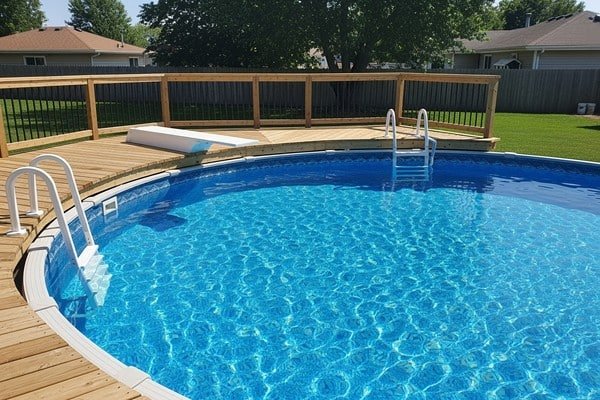
For above-ground pools, we must ensure that any platform attachment does not compromise the pool’s frame or liner. This means avoiding direct drilling into the pool wall or coping in ways that could weaken its structure or puncture the liner. Instead, solutions that cantilever over the pool edge or are supported independently from the surrounding deck are often preferred. The platform itself must be robust, designed to withstand repeated impacts and the weight of multiple users. Materials should be durable and resistant to corrosion, UV radiation, and water exposure. In the context of a comprehensive pool renovation and construction project, these structural considerations are integrated into the initial design phase, ensuring that any added features are built to last and perform safely.
Integrating Above-Ground Pool Jumping Platforms
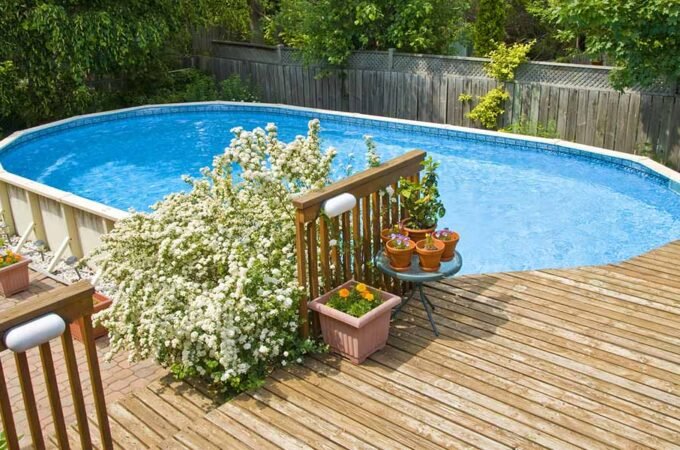
Integrating a jumping platform into an above-ground pool presents unique challenges and opportunities compared to in-ground pools. Above-ground pools often have less deck space, varying wall construction, and different structural support systems. Therefore, the chosen platform type, its installation method, and its compatibility with the existing pool structure are critical factors. Our goal is to enhance the pool experience without compromising safety or the pool’s longevity.
Types of Jumping Platforms for AAbove-GroundPools
The market offers several types of jumping platforms, each with its own advantages and considerations for above-ground pools:
- Portable Platforms: These are typically smaller, freestanding units that can be moved or stored when not in use. They often feature a sturdy base that rests on the pool deck and a cantilevered platform extending over the water. Their portability makes them a flexible option for residential above-ground pools where permanent structures might not be desired.
- Inflatable Platforms/Trampolines:These are popular for their fun factor and ease of setup. Large inflatable water trampolines, like the Supertramp 23 (Includes Swimstep), offer a buoyant, bouncy surface for jumping, launching, and lounging. They require significant water depth (e.g., 8 feet for the Supertramp 23) and robust anchoring systems in the water, making them more suitable for larger pools or open water bodies than for direct attachment to the edge of a typical above-ground pool.
- Modular Platforms: These systems allow for customization, with various components that can be assembled to create a desired size and configuration. They can often be adapted to different deck heights and pool shapes, offering more flexibility than fixed units.
- Fixed Platforms: These are permanently installed structures, often integrated into a surrounding deck or built as a standalone unit with dedicated supports. While less common in basic above-ground pools, custom-built decks can incorporate fixed jumping areas, providing a stable, durable solution.
Feature Inflatable Water Trampolines (e.g., Supertramp) Fixed/Rigid Platforms (Deck-Mounted) Portability High (can be deflated and stored) Low (permanent or semi-permanent) InstallationInflate, anchor in water Assemble, bolt to deck/structure Water Depth Req. High (e.g., 8 ft minimum) Moderate (e.g., 8 ft minimum) Capacity Multiple users (e.g., 3-5 adults) Typically 1-2 users, high weight cap. Integration:Free-floating, or connect to other inflatables.Integrates with the deck structure. Liner Protection: No direct contact with pool liner. Requires careful design to protect. Cost: Generally higher for large units. Varies widely by material/design. Key Safety Features and Weight Capacities
Regardless of the type, certain safety features are non-negotiable for any above-ground pool jumping platform.
- Non-Slip Surfaces: The platform’s surface must provide excellent traction, even when wet, to prevent slips and falls. Textured aluminum, rubberized coatings, or specialized anti-slip mats are standard solutions.
- Weight Capacity: Platforms must be designed to support the intended users’ weight safely. For example, the Kaiwrxin Pool Diving Platform boasts a 600 lb capacity, while larger inflatable trampolines like the Supertramp 23 can support up to 1,000 lb (454 kg) for multiple users. Always check the manufacturer’s specifications.
- Anchoring Systems: Stable anchoring is crucial. For deck-mounted platforms, this involves secure fastening to a robust deck structure. For inflatable options, heavy-duty mooring lines and anchor weights (e.g., a minimum of 2,200 lb for a Supertramp) are essential to prevent drifting.
- Design Elements: A slight 10-degree tilt, often seen on competition training platforms, can optimize entry. Handrails, guardrails, and clear access points also contribute to safety. The Supertramp 17 (Includes Swimstep) highlights how integrated boarding platforms can improve safe access.
Installation and Maintenance of Aquatic Entry Systems
Proper installation is the bedrock of a safe and enjoyable jumping platform. For above-ground pools, this often means creative solutions that don’t compromise the pool’s structure. Once installed, regular maintenance ensures longevity and continued safety.
Best Practices for Secure Anchoring and Stability in Pool Renovation and Construction
When installing a jumping platform for an above-ground pool, our primary concern is stability without damaging the pool. Direct drilling into the pool coping or wall is generally discouraged due to the risk of cracking, weakening the structure, or puncturing the liner. Instead, we recommend methods that transfer the load to a robust surrounding deck or provide independent support.
- Cantilever Mounting: This involves mounting the platform’s support structure to a sturdy deck behind the pool coping, allowing the platform itself to extend over the water without putting direct stress on the pool wall. This often requires significant deck reinforcement.
- X-Bracing and Stability Frames: For freestanding or deck-supported platforms, incorporating X-bracing and a solid bottom frame ensures lateral stability and prevents wobbling, especially with dynamic loads.
- Deck Blocks and Concrete Reinforcement: If a platform is not directly bolted to a deck, placing its posts in heavy concrete blocks on the decking can provide sufficient stability, especially if these blocks are interlocked or braced. In some cases, a dedicated concrete pad might be poured for a more permanent installation.
- Professional Assessment: Given the complexities and potential liabilities, we strongly advise against purely DIY approaches for structural elements. Consulting with professionals experienced in pool renovation and construction ensures that the installation meets safety standards and structural requirements. As one user noted in a forum, “I Tried the Ultimate Jump Platform for Pools and Here’s Why It’s a Must-Have!” – but the “must-have” aspect relies heavily on safe, professional installation.
Protecting the Pool Liner and Frame
The delicate nature of an above-ground pool liner and frame requires careful consideration during platform installation. Any abrasive contact or uneven weight distribution can lead to premature wear, tears, or structural fatigue.
- Gasket Placement and Protective Padding: Where any part of the platform system may come into contact with the pool’s edge or frame, use protective gaskets or padding (e.g., thick rubber or durable foam). This creates a buffer, preventing friction and cushioning impacts.
- Weight Distribution: The design should distribute weight evenly rather than concentrating it at a few points. This minimizes stress on the pool frame and deck. Cantilevered designs, for instance, spread the load back onto the deck structure.
- Structural Support: Ensure the platform’s support system is entirely independent of the pool wall itself, or, if it interacts with the pool wall, that it does so with specialized, non-damaging attachments designed for above-ground pools. This prevents the forces from jumping from being transferred directly to the pool’s structural components.
Maintenance Requirements and Expected Lifespan
Regular maintenance is key to extending the lifespan of your jumping platform and ensuring its ongoing safety.
- Routine Inspections: We recommend inspecting the platform regularly for signs of wear and tear, including cracks, warps, loose fasteners, or corrosion. Pay close attention to attachment points, non-slip surfaces, and structural components.
- Cleaning: Keep non-slip surfaces clean to maintain their effectiveness. Algae, dirt, or debris can reduce traction.
- Hardware Check: Periodically check all bolts, screws, and anchoring systems for tightness and signs of rust or corrosion. Replace any compromised hardware immediately.
- Seasonal Storage: For portable or inflatable platforms, proper seasonal storage (cleaning, drying, and storing in a protected area) will significantly extend their lifespan.
- Expected Lifespan: With proper maintenance, a well-constructed fixed jumping platform can last 10-15 years, similar to the lifespan of a quality diving board. Inflatable platforms may have a shorter lifespan depending on material quality and usage, but durable commercial-grade options are built for years of heavy use.
Alternatives and Liability in Pool Renovation and Construction
While jumping platforms offer exciting possibilities, consider alternatives and, critically, the legal and insurance implications of adding such features to your pool. Our commitment is to provide a safe and enjoyable aquatic environment, which means understanding and mitigating all potential risks.
Innovative Alternatives to Fixed Platforms
For those seeking the thrill of water entry without the complexities of a fixed jumping platform, several innovative alternatives exist:
- Inflatable Trampolines and Water Bouncers: As discussed, these offer a dynamic and fun experience on the water. They are typically free-floating and require significant water depth and anchoring, making them ideal for larger above-ground pools or natural water bodies.
- Starting Blocks: Primarily designed for competitive swimming training, these low-height platforms allow controlled, shallow-entry dives or jumps. They require specific water depths (at least 2.75 meters or 9 feet for training) and are generally installed at the edge of a pool, often integrated into a deck.
- Tanning Ledges/Baja Shelves: While not for jumping, these shallow, submerged platforms are a popular feature in modern pool design, offering a space for lounging, sunbathing, or for young children to play safely. They are typically integrated during the initial phase of pool renovation and construction.
- Swimsteps: These are integrated steps or small platforms that provide easy entry and exit from the water, often seen as part of larger inflatable waterparks or as standalone accessories.
Mitigating Risks in DIY Pool Renovation and Construction
The allure of a DIY jumping platform can be strong, but the potential risks and liabilities are substantial. We cannot overstate the importance of professional guidance.
- Engineering Requirements: Any structure designed to bear dynamic loads, especially over water, requires sound engineering. A DIY platform, lacking professional design and construction, may fail structurally, leading to serious injury.
- Permit Compliance: Depending on your location, adding a permanent structure, such as a jumping platform, may require permits and inspections to ensure it meets local codes. Ignoring these can lead to fines or forced removal.
- Insurance Voidance: Perhaps the most significant risk for homeowners is the possibility that their insurance policies will be voided. Most homeowner’s insurance policies have clauses regarding “attractive nuisances” and may explicitly exclude coverage for injuries sustained from unapproved or unengineered diving/jumping structures. In the event of an injury, you could be held personally liable for medical costs, rehabilitation, and long-term care.
- Gross Negligence: Online forum discussions, such as those found when searching for DIY ideas, can inadvertently create a “paper trail” that could be used to prove gross negligence in a lawsuit if safety warnings are disregarded.
- Professional Installation: Hiring qualified professionals for design and installation ensures adherence to safety standards, proper structural integration, and compliance with local regulations, significantly mitigating liability.
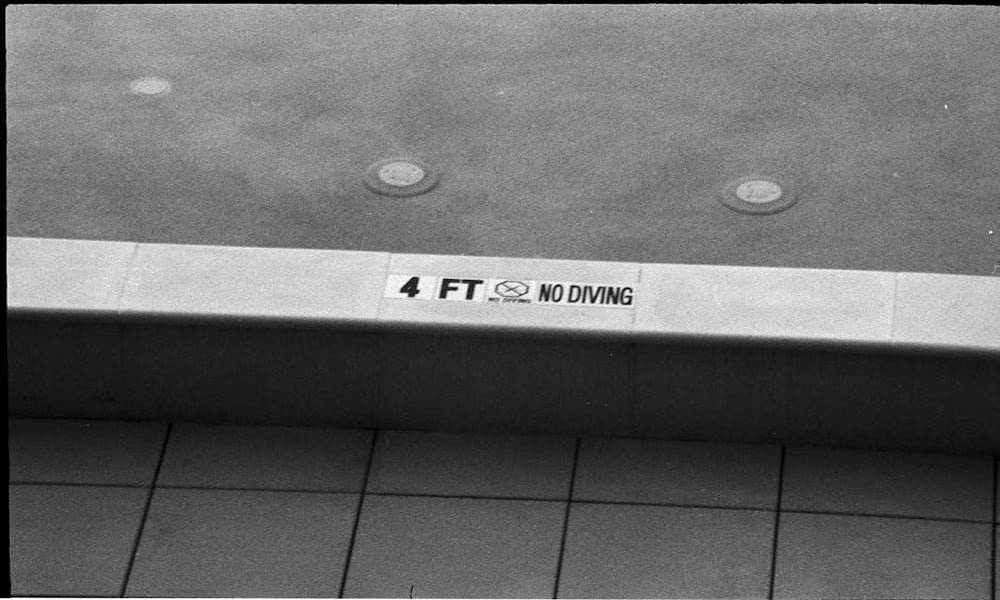
- Safety Signage: Regardless of professional installation, clear signage indicating water depth, “no diving” rules (if applicable), and other safety instructions is crucial. Additionally, be aware of warnings, such as those on www.P65Warnings.ca.gov, for products that may contain certain chemicals so that you can make informed choices.
Frequently Asked Questions about Pool Jumping Platforms
Is 7 feet of water depth safe for a jumping platform?
No, 7 feet of water depth is generally insufficient for safe jumping from a platform, and definitely not safe for diving. The force of impact, even from a feet-first jump, can cause a person to hit the bottom, leading to severe head, neck, or spinal injuries. Industry standards recommend a minimum of 8 feet for recreational jumping and at least 12 feet for commercial jump towers. For competitive starting blocks, a minimum of 2.75 meters (approximately 9 feet) is required. Always prioritize deeper water to ensure a safe margin for error.
How do I prevent a platform from damaging my above-ground pool?
To prevent damage, we recommend several key strategies:
- Cantilever Design: Opt for platforms that mount to a sturdy surrounding deck rather than directly to the pool wall. This allows the platform to extend over the water without stressing the pool’s structure.
- Weight Distribution: Ensure the platform’s design distributes weight broadly across the deck or supporting structure, avoiding concentrated pressure points on the pool frame or coping.
- Protective Barriers: Use thick, durable padding or gaskets between any part of the platform’s support system and the pool liner or frame. This prevents abrasion, friction, and direct impact.
- Independent Support: Ideally, the platform should have its own robust, independent support system that does not rely on the integrity of the above-ground pool wall for stability.
- Professional Installation: Consult with professionals experienced in above-ground pool structures to ensure the platform is installed correctly and safely, without compromising the pool’s integrity.
What maintenance is required for a pool jumping platform?
Regular maintenance is crucial for safety and longevity. We advise the following:
- Inspect Regularly: Conduct routine visual inspections for any signs of wear, such as cracks, splinters, rust, or loose connections. Pay special attention to the platform surface, support structure, and anchoring points.
- Check Anchoring: Periodically verify that all bolts, screws, and anchoring hardware are tight and free from corrosion. Tighten any loose fasteners immediately.
- Clean Non-Slip Surfaces: Keep the platform’s non-slip surfaces clean from algae, dirt, and debris to maintain optimal traction and prevent slips.
- Assess Structural Stability: Annually, or before the start of each swim season, perform a thorough check of the entire structure to ensure it remains stable and rigid under load.
- Seasonal Care: For portable or inflatable platforms, ensure they are thoroughly cleaned, dried, and properly stored during the off-season to prevent material degradation.
- Expected Lifespan: With diligent maintenance, a quality fixed jumping platform can provide 10-15 years of service. Inflatable options may vary, but they can also last many years with proper care.
Conclusion
Modernizing your above-ground pool with a jumping platform can undoubtedly elevate its recreational appeal, turning it into a dynamic hub of fun and activity. However, this enhancement must be approached with an unwavering commitment to safety, structural integrity, and informed decision-making. We’ve explored the critical importance of adhering to minimum water-depth requirements, understanding the various platform types available, and implementing best practices for secure installation and ongoing maintenance.
Our collective goal is to ensure that any addition to your pool enhances its value and enjoyment without introducing undue risk. By prioritizing safety, seeking professional consultation for complex installations, and understanding the potential liabilities, you can create a vibrant and secure aquatic environment. Whether you’re embarking on a full-scale pool renovation and construction project or simply looking to add a new feature, a thoughtful approach will ensure long-term satisfaction and countless memorable moments by the water.