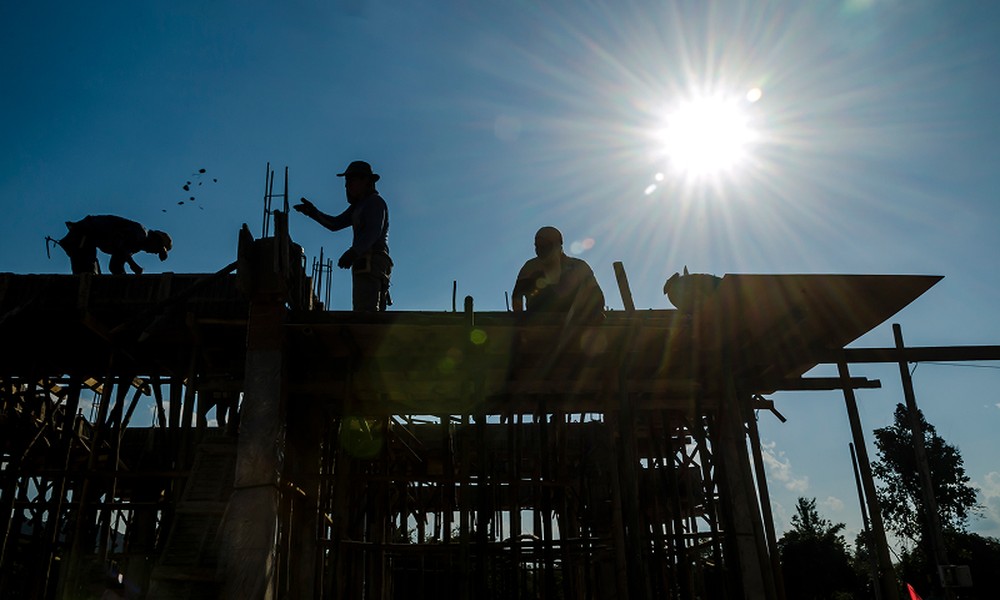
How Climate Affects Your Choice of Building Materials
Key Takeaways
- Climate affects material behaviour, so early planning helps avoid long-term repair issues later.
- Heat, moisture, and wind exposure shape durability, appearance, and overall material lifespan.
- Matching materials to site conditions helps maintain performance with fewer ongoing adjustments.
- Supplier input helps refine choices, keeping materials aligned with real environmental demands.
Introduction
Planning a build without factoring in climate can feel like picking clothes without checking the weather. Everything might look fine at first, then slowly fall out of sync with real conditions. Heat, moisture, wind, and temperature shifts quietly influence how materials behave over time. To narrow down options that suit real conditions, a building material supplier in Singapore can point you in the right direction before issues start showing up later.
Heat and Sun Exposure Shape Material Performance
Surface Expansion and Material Stress
Strong sunlight pushes materials to expand during the day and contract once temperatures drop. Repeated cycles build stress that may show up as small cracks or slight distortion, even when surfaces seem solid early on. Choosing the right mix becomes easier when advice from a building and construction materials supplier is part of the process, helping surfaces stay consistent even when the heat refuses to ease.
UV Exposure and Colour Fading
Sunlight does not stop at heat, as UV rays slowly strip colour from exposed surfaces. Bright finishes can dull, and coatings may lose their original tone after long exposure. Finishes with better resistance can be sourced through a building material supplier in Singapore, helping surfaces hold their colour longer without constant repainting.
Moisture and Rain Influence Material Lifespan
Water Absorption and Structural Impact
Rain introduces a different kind of pressure, where water finds its way into porous materials and stays longer than expected. Over time, that trapped moisture can weaken internal structure or lead to swelling. Treated concrete, sealed stone, or engineered options suggested by a building and construction materials supplier help reduce absorption and limit long-term damage.
Mould, Rot, and Surface Deterioration
Humidity creates the kind of environment where mould settles in and decay begins to form quietly. Organic materials can show patches that spread if moisture remains trapped for too long. With input from a building material supplier in Singapore, treated finishes and coatings can be selected to keep surfaces drier and reduce ongoing maintenance work.
Wind and Air Movement Affect Structural Choices
Load Resistance and Stability
Wind pressure builds force against walls and roofing, which means materials must stay firmly in place under shifting conditions. Lighter components may seem easier to install, yet they can struggle once wind speeds rise. Material selection improves when guided by a building and construction materials supplier, where weight and fixing compatibility help maintain stability.
Dust, Debris, and Surface Wear
Air movement carries fine particles that slowly wear down exposed surfaces. Over time, scratches, dullness, and surface marks start to show, particularly on softer finishes. Harder finishes and tighter surfaces reduce visible wear, helping exposed areas stay presentable after repeated exposure.
Temperature Shifts and Seasonal Changes
Expansion and Contraction Cycles
Daily temperature swings might seem minor, yet repeated expansion and contraction gradually loosen joints and create uneven finishes. Materials that handle movement well reduce the chances of gaps forming over time. For projects dealing with constant shifts, recommendations from a building and construction materials supplier can help guide the selection of flexible sealants and compatible systems.
Compatibility Between Materials
Combining materials without checking how each reacts to temperature can lead to tension at connection points. One may expand quickly, while another remains rigid, creating stress that leads to separation. Better pairing decisions can be made when a building material supplier in Singapore is consulted early, helping maintain alignment and reduce the need for repeated fixes.
Conclusion
Climate quietly shapes how every material performs, from surface appearance to long-term durability. Heat, moisture, and temperature shifts can slowly affect surfaces and connections, even when changes are not obvious at first. Factoring in climate early helps reduce avoidable repairs and keeps materials performing as expected over time.
Contact Chi Han Trading today to find materials suited to your site conditions and keep your build steady from start to finish.


Michelle Joe is a blogger by choice. She loves to discover the world around her. She likes to share her discoveries, experiences, and express herself through her blogs.