How Architecture Firms in Singapore Are Leading the Way in Sustainable Design
In today’s fast-evolving world, sustainability isn’t just a trend; it’s a responsibility. As urban environments continue to expand and the need for smarter, greener spaces grows, architecture firms in Singapore are stepping up to create innovative, eco-friendly designs that help shape the future of the city-state. But what does sustainable design really mean, and how are these firms pushing the boundaries of green innovation?
In this blog post, we’ll explore how architecture firms in Singapore are leading the charge in sustainable design, the strategies they’re using, and why it’s crucial for the future of urban development. Whether you’re a homeowner, developer, or architecture enthusiast, you’ll gain valuable insights into how sustainable practices are transforming Singapore’s architectural landscape.
What is Sustainable Design and Why Does It Matter?
Sustainable design is all about creating buildings and spaces that have minimal negative impacts on the environment, while maximizing energy efficiency, reducing waste, and using resources responsibly. In the context of architecture firms in Singapore, sustainable design incorporates a variety of strategies, from energy-efficient systems to the use of eco-friendly materials, all aimed at reducing the environmental footprint of buildings.
The urgency for sustainable architecture has never been greater. As the global climate crisis worsens, the construction industry has a significant role to play in reducing carbon emissions, conserving resources, and creating healthier living environments. In Singapore, where land is limited, sustainability is a key driver for innovation in architecture, shaping a future where buildings work in harmony with nature.
1. Green Building Certifications: A Standard for Excellence
One of the main ways architecture firms in Singapore are embracing sustainable design is through the pursuit of green building certifications. These certifications ensure that buildings meet rigorous environmental standards and provide a roadmap for sustainable construction practices.
Building and Construction Authority (BCA) Green Mark
The BCA Green Mark is Singapore’s benchmark for assessing the environmental impact of buildings. Architecture firms striving for sustainability often aim to achieve Green Mark certification for their projects, which evaluates factors such as energy efficiency, water conservation, indoor environmental quality, and environmental impact.
The Green Mark is a reflection of Singapore’s commitment to building a more sustainable, eco-friendly city. Architecture firms that incorporate these standards into their projects help reduce energy consumption and carbon emissions while providing spaces that enhance the wellbeing of their occupants.
Leadership in Energy and Environmental Design (LEED)
In addition to the BCA Green Mark, many architecture firms in Singapore pursue LEED certification, an international standard for green buildings. LEED focuses on energy efficiency, water usage, and the use of sustainable materials, and it’s often seen as a prestigious certification for high-performance buildings.
With Singapore’s global standing as a business hub, many developers and firms choose to target both local and international green standards, ensuring their buildings are recognized for their environmental achievements.
2. Energy-Efficient Building Designs: A Path to Lower Carbon Footprints
As Singapore’s urban landscape grows, architecture firms in Singapore are increasingly focusing on energy-efficient building designs. With rising energy costs and the country’s commitment to achieving net-zero carbon emissions by 2050, energy-efficient buildings are becoming a top priority.
Passive Design Strategies
One of the key approaches to energy-efficient design is passive design, which relies on natural resources, such as sunlight, wind, and shade, to regulate temperature. Architecture firms in Singapore use passive design strategies to reduce the reliance on mechanical cooling systems like air conditioning, which significantly lowers energy consumption.
For example, many buildings in Singapore are designed with high-performance glazing that minimizes heat gain while maximizing natural light, reducing the need for artificial lighting. Architects also carefully position windows, balconies, and shading devices to control the amount of sunlight entering the building, thereby optimizing the indoor climate throughout the day.
Energy-Efficient Building Materials
The choice of building materials is another way architecture firms in Singapore reduce energy consumption. Sustainable materials such as low-emissivity glass, green roofs, and recycled concrete help reduce the environmental impact of construction while enhancing energy efficiency.
Green roofs, for example, not only provide insulation and reduce the heat island effect but also promote biodiversity and improve air quality. By incorporating such materials into their designs, architecture firms in Singapore are able to create buildings that are both aesthetically pleasing and energy-efficient.
3. Integrating Nature: Biophilic Design in Architecture
In recent years, biophilic design has become a prominent trend in sustainable architecture. Biophilic design emphasizes the integration of nature into the built environment, creating spaces that connect people to the natural world and improve their quality of life.
Bringing Green Spaces into the Urban Environment
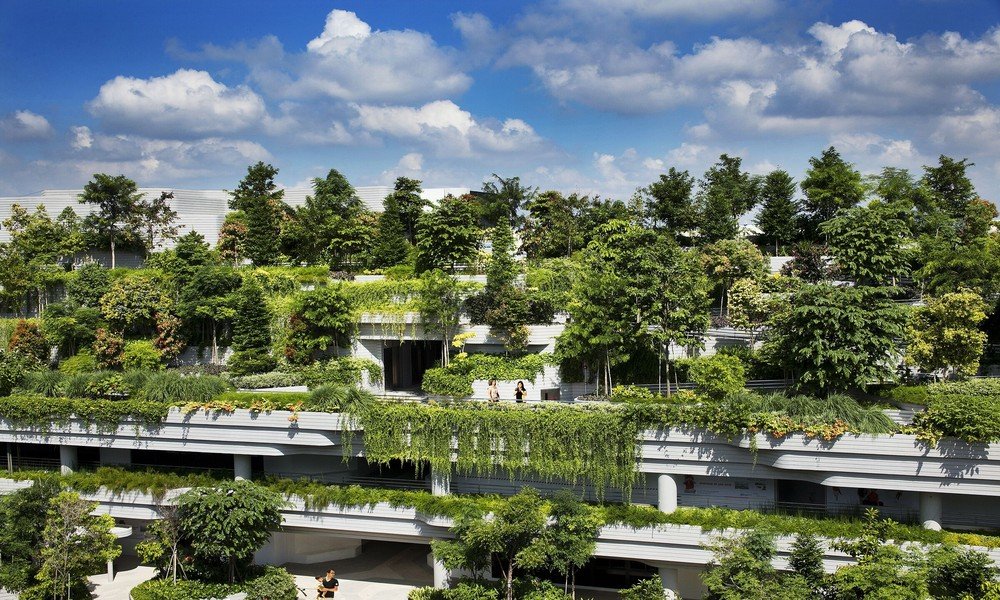
In Singapore, where greenery is a crucial part of the city’s identity, architecture firms in Singapore are incorporating plants, trees, and green spaces into their designs to create environments that enhance both ecological sustainability and human wellbeing.
The PARKROYAL on Pickering, designed by WOHA Architects, is one of the most notable examples of biophilic design in Singapore. The building features a stunning green façade with lush gardens, sky terraces, and vertical greenery, creating a seamless blend between nature and architecture. This integration of nature not only reduces the building’s carbon footprint but also provides a refreshing environment for residents and workers.
Urban Farming and Green Roofs
Urban farming has become another key component of sustainable architecture in Singapore. Some firms are designing buildings with green roofs that support urban farming initiatives, allowing buildings to contribute to local food production. This reduces the environmental cost of transporting food and supports Singapore’s goal of producing 30% of its nutritional needs locally by 2030.
By incorporating green spaces, vertical gardens, and even small-scale urban farms into their designs, architecture firms in Singapore are making buildings more sustainable, self-sufficient, and healthier for their occupants.
4. Water Conservation: Sustainable Solutions for a Limited Resource
Singapore has long faced the challenge of water scarcity, which is why water conservation is a key priority for sustainable design. Architecture firms are integrating advanced systems and technologies to minimize water consumption and reduce the environmental impact of their buildings.
Rainwater Harvesting Systems
One of the most effective ways to conserve water is through rainwater harvesting. Many sustainable buildings in Singapore now feature rainwater collection systems that store rainwater for use in irrigation, landscaping, or even for flushing toilets. This reduces reliance on potable water and helps conserve valuable resources.
Water-Efficient Fixtures and Systems
In addition to rainwater harvesting, architecture firms in Singapore are also incorporating water-efficient fixtures, such as low-flow faucets and showerheads, and water-saving irrigation systems. These systems significantly reduce water consumption without compromising the comfort or functionality of the building.
By embracing water-efficient technologies, architects and developers are playing a vital role in Singapore’s goal to become more self-sufficient in water management and conservation.
5. Smart Technology: The Future of Sustainable Architecture
As technology continues to advance, architecture firms in Singapore are embracing smart building technology to optimize energy usage, improve efficiency, and reduce the environmental impact of their designs. From automated lighting systems to advanced energy management systems, smart technology is helping buildings become more sustainable and user-friendly.
Smart Energy Management Systems
Buildings equipped with smart energy management systems can monitor and control energy consumption in real-time, ensuring that lights, heating, cooling, and other systems are used efficiently. These systems can automatically adjust settings based on occupancy, weather conditions, and time of day, reducing energy waste and lowering carbon emissions.
Intelligent Water Management
Smart water management systems can also help monitor water usage and detect leaks in real-time, preventing waste and ensuring that resources are used efficiently. By integrating these systems into their designs, architecture firms in Singapore are making buildings more responsive to environmental needs while enhancing their overall sustainability.
Final Thoughts
Sustainable design is not just a trend – it’s the future of architecture. As architecture firms in Singapore continue to embrace green innovation, the city-state is becoming a model for environmentally responsible and sustainable urban development. From energy-efficient buildings to biophilic design and water conservation solutions, these firms are pushing the boundaries of what’s possible in sustainable architecture.
By integrating sustainable practices into their designs, architecture firms in Singapore are not only improving the environment but also creating spaces that enhance the quality of life for their occupants. As we move towards a greener future, these firms will continue to lead the charge in building smarter, more sustainable cities for generations to come.