
Choosing and Maintaining the Right HVAC System for Your Home
Understanding the Core Components of HVAC Systems
To truly appreciate the importance of furnace repair in Highlands Ranch, CO, it helps to understand the foundational components of our home comfort systems. HVAC stands for Heating, Ventilation, and Air Conditioning, and these systems work together to maintain a comfortable, healthy indoor environment year-round.
At its core, an HVAC system typically includes:
- Furnaces: The primary heating unit, often powered by natural gas or electricity, that warms air and distributes it throughout the home.
- Air Conditioners: Units responsible for cooling the indoor air, usually located outside the home, working in tandem with the indoor furnace or air handler.
- Heat Pumps: Versatile systems that can provide both heating and cooling by transferring heat, rather than generating it.
- Ductwork: A network of channels that carries heated or cooled air to and from various rooms.
- Thermostats: The control center for your HVAC system, allowing you to set and maintain desired temperatures.
Types of Heating Systems
Highlands Ranch homes use various heating systems, each with its own operational characteristics and maintenance needs:
- Gas Furnace: The most common type, burning natural gas to heat air. These are efficient and powerful, crucial for our cold winters.
- Electric Furnace: Uses electric heating elements to warm air. While generally less expensive to install, they can be more costly to operate in areas with high electricity prices.
- Heat Pump (heating mode): Extracts heat from the outdoor air (even in cold temperatures) and transfers it indoors. In milder winter conditions, these are highly energy-efficient.
- Boiler: Heats water to produce steam or hot water, which then circulates through radiators or radiant floor systems. Less common in newer Highlands Ranch homes but found in some older properties.
- Radiant Heat: Delivers warmth directly to objects and people via heated surfaces, often floors, providing a very even and comfortable heat.
Types of Cooling Systems
While our focus is on heating, many homes in Highlands Ranch also rely on cooling systems during the warmer months:
- Central Air Conditioner: The most prevalent type, using a split system with an outdoor condenser and an indoor evaporator coil to cool and dehumidify air.
- Ductless Mini-Split Systems: Ideal for homes without existing ductwork or for zoning specific areas, these systems offer flexible heating and cooling for individual rooms.
- Heat Pump (cooling mode): Operates similarly to a central AC, moving heat from indoors to outdoors.
- Window Units: Self-contained units that cool a single room, typically used as a supplementary cooling solution.
Ventilation and Air Quality in HVAC Systems
Beyond temperature control, HVAC systems play a vital role in maintaining indoor air quality, which is especially important in Highlands Ranch given our dry climate and potential for allergens.
- Air Filters: Essential for trapping dust, pollen, pet dander, and other airborne particles, protecting both the system and indoor air quality.
- Ductwork: Not just for air delivery, proper duct sealing and design prevent air leakage and ensure efficient distribution.
- Vents and Registers: The outlets and inlets for air distribution, requiring regular cleaning to prevent blockages.
- Humidifiers: Add moisture to the dry indoor air, improving comfort and health, particularly during the winter months.
- Dehumidifiers: Remove excess moisture from the air, often integrated with cooling systems.
- Air Purifiers: Advanced filtration systems that can remove microscopic contaminants, odors, and VOCs.
- UV Germicidal Lamps: Installed within the HVAC system to kill bacteria, viruses, and mold spores as air passes through.
Common Signs Your System Needs Professional Attention
Even the most robust HVAC systems will eventually show signs of wear and tear. Recognizing these indicators early can prevent minor issues from escalating into costly repairs or even dangerous situations. For homeowners in Highlands Ranch, where reliable heating is non-negotiable during cold winters, knowing these signs is paramount. The average cost of a furnace repair in Highlands Ranch, CO, can range significantly depending on the issue, making early detection a smart financial move.

Audible and Olfactory Warning Signs
Your furnace often communicates problems through your senses. Pay attention to:
- Strange Noises: Banging, grinding, squealing, rattling, or clanking sounds are rarely normal. Banging might indicate dirty burners or an expanding/contracting heat exchanger. Grinding or squealing often points to issues with the blower motor or bearings.
- Unusual Smells: While a slight burning dust smell is common when turning on the furnace for the first time in the season, persistent or strong odors are a red flag. A burning odor could signal electrical issues or overheating. A musty smell might indicate mold growth in the ductwork. Most critically, a smell like rotten eggs indicates a gas leak, which requires immediate evacuation and contacting emergency services.
Performance-Related Red Flags
Beyond what you hear or smell, your furnace’s performance can tell you a lot about its health:
- Uneven Heating or Cooling: If some rooms are too hot while others remain cold, it could be due to ductwork issues, a malfunctioning blower, or an improperly sized system.
- Weak Airflow: Reduced air coming from your vents can be caused by clogged filters, duct leaks, or a failing blower motor.
- Frequent Cycling or Short-Cycling: If your furnace turns on and off too frequently (short-cycling) or runs for unusually long periods, it’s struggling to maintain the set temperature. This wastes energy and puts undue stress on components.
- Increased Utility Bills: A sudden or gradual spike in your heating bills without a corresponding change in usage or weather often means your furnace is working harder than it should, indicating inefficiency.
- Thermostat Malfunctions: An unresponsive or inaccurate thermostat can lead to discomfort and inefficient operation. Sometimes the issue is with the thermostat itself, other times it’s a symptom of a larger furnace problem.
Visual Indicators and Safety Alerts
Some problems are visible, and others are critical safety concerns:
- Water Pooling or Leaks: Water accumulating around the base of your furnace, especially in high-efficiency models, can indicate a clogged condensate drain line or a more serious issue like a cracked heat exchanger.
- Ice Buildup on Coils: While more common with AC units, ice on the evaporator coil can occur if the furnace’s blower isn’t moving enough air, leading to freezing.
- Yellow Pilot Light: A healthy pilot light should burn blue. A yellow or orange flame indicates incomplete combustion, which can produce dangerous carbon monoxide.
- Tripped Breakers: If your furnace repeatedly trips the circuit breaker, there’s an electrical problem that needs immediate professional attention.
- Carbon Monoxide Detector Alarms:This is a critical safety alert. If your carbon monoxide detector sounds, evacuate your home immediately and call emergency services. Furnace malfunctions, particularly a cracked heat exchanger, are a common cause of CO leaks. Highlands Ranch repair companies prioritize safety inspections and carbon monoxide testing during service calls to address these serious implications of furnace malfunctions.
The Importance of Regular Maintenance and Upgrades
In a climate like Highlands Ranch, where winter temperatures can average around 30°F in January, a reliable heating system isn’t just about comfort—it’s about safety and protecting your home. Regular furnace maintenance is not merely a suggestion; it’s a critical investment in your home’s well-being. Annual furnace maintenance can improve energy efficiency by up to 15%, leading to significant savings on utility bills. Furnace tune-ups in Highlands Ranch, CO, typically cost between $100 and $200 and are recommended annually to prevent costly repairs.
Proactive Care for Your HVAC Systems
Many homeowners can perform simple, proactive maintenance tasks to keep their systems running smoothly between professional visits:
- Changing Air Filters: This is perhaps the most crucial DIY task. We recommend checking your furnace filter monthly and replacing it every 1 to 3 months, or more frequently if you have pets, allergies, or during periods of heavy use. A clean filter ensures good airflow and prevents dust buildup.
- Clearing Vents: Ensure all supply and return vents are unobstructed by furniture, rugs, or other items. Blocked vents restrict airflow and reduce efficiency.
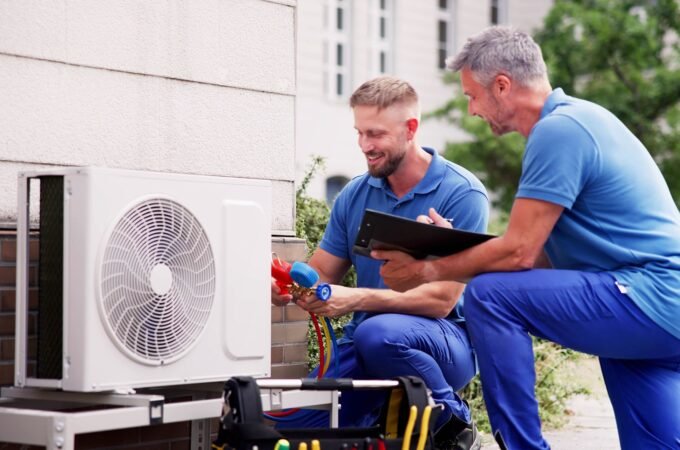
- Cleaning Outdoor Unit: For systems with an outdoor unit (like ACs or heat pumps), keep the area around it clear of debris, leaves, and snow. This ensures proper airflow for optimal operation.
- Checking Thermostat Batteries:Replace batteries in your programmable or smart thermostat annually to avoid unexpected power loss and system control issues.
Deciding Between Repair and Replacement
One of the most challenging decisions for homeowners is whether to repair a malfunctioning furnace or invest in a new one. This decision often hinges on several factors:
- System Age: The average lifespan of a furnace is 15-20 years. If your furnace is nearing or exceeding this age, replacement often becomes a more cost-effective option than frequent repairs.
- Repair Frequency: If your furnace requires multiple repairs every heating season, the cumulative cost can quickly outweigh the investment in a new, more efficient unit.
- Performance Decline: A furnace that can no longer adequately heat your home, struggles to maintain consistent temperatures, or causes significantly higher utility bills is a strong candidate for replacement.
- When to Consult Professionals: When faced with a significant repair, especially for an older unit, it’s always best to consult with a qualified HVAC technician. They can assess the overall condition of your system, provide an honest evaluation of the repair’s longevity, and offer insights into the benefits of a new installation. Expert advice on whether to repair or install new Colorado Bear HVAC systems is crucial for making an informed decision that aligns with your long-term home comfort and budget.
Upgrading for Better Performance and Efficiency
Investing in a new furnace or HVAC system can bring substantial benefits, especially with modern advancements:
- High-Efficiency Models: Newer furnaces boast significantly higher AFUE (Annual Fuel Utilization Efficiency) ratings, meaning they convert more fuel into usable heat, leading to lower energy consumption and reduced utility bills. Similarly, modern air conditioners and heat pumps have higher SEER (Seasonal Energy Efficiency Ratio) ratings.
- Smart Thermostat Integration:Upgrading to a smart thermostat allows for precise temperature control, remote access, and learning capabilities, further optimizing energy use and comfort.
- Indoor Air Quality Improvements:New systems can be integrated with advanced air purification technologies, humidifiers, and dehumidifiers to create a healthier and more comfortable indoor environment, particularly beneficial for Highlands Ranch residents dealing with dry air or seasonal allergens.
Are there any specific energy efficiency considerations or rebates for furnace upgrades in Highlands Ranch? While specific programs can vary, many utility companies and manufacturers offer rebates or incentives for installing high-efficiency HVAC equipment. We encourage homeowners to inquire about current opportunities when considering an upgrade.
Frequently Asked Questions about Home HVAC
We often encounter similar questions from homeowners in Highlands Ranch regarding their heating and cooling systems. Here, we address some of the most common inquiries to help you better understand and maintain your home’s comfort.
How often should I change my HVAC air filter?
The frequency of air filter replacement depends on several factors:
- Filter Type: Basic fiberglass filters should be changed monthly, while pleated filters can last 2-3 months. High-efficiency HEPA filters might last 6 months or more, but require professional installation.
- Home Environment: Homes in dusty areas or those undergoing renovation may need more frequent changes. Highlands Ranch’s dry climate can contribute to dust, potentially requiring more regular filter checks.
- Pets: Homes with furry friends typically need filter changes every 1-2 months due to increased pet dander.
- Allergies: If anyone in your household suffers from allergies or respiratory issues, more frequent filter changes (monthly) are advisable to maintain optimal indoor air quality.
As a general recommendation, we advise checking your filter monthly and replacing it at least every 1-3 months.
What is the average lifespan of a furnace or air conditioner?
The average lifespan for most furnaces and air conditioners is typically 15-20 years. However, this can vary based on:
- Maintenance Impact: Systems that receive annual professional maintenance tend to last longer and operate more efficiently than those that are neglected.
- Climate Factors: In Highlands Ranch, where heating systems work hard during extended cold winters, regular maintenance is even more crucial to ensure longevity.
- Usage Patterns: Furnaces that run almost continuously in very cold climates or air conditioners that are heavily used in hot summers may experience more wear and tear.
Beyond this age, we often see that the cost of repairs begins to outweigh the value, making replacement a more sensible option.
Can a malfunctioning furnace affect my home’s air quality?
Absolutely. A malfunctioning furnace can significantly impact your home’s indoor air quality in several ways:
- Dust Circulation: A dirty or clogged filter will not effectively trap airborne particles, leading to increased dust, allergens, and pollutants circulating throughout your home.
- Cracked Heat Exchanger Risk: This is a serious safety concern. A cracked heat exchanger can allow combustion byproducts, including deadly carbon monoxide, to leak into your home’s air supply. This is why Highlands Ranch repair companies prioritize carbon monoxide testing during any service call.
- Carbon Monoxide: As mentioned, incomplete combustion or a faulty exhaust system can lead to carbon monoxide buildup, which is colorless, odorless, and highly toxic.
- Importance of Clean Filters: Regular filter replacement is your first line of defense against poor indoor air quality related to your furnace.
How does the Highlands Ranch climate and altitude affect furnace performance and repair needs?
The unique climate and altitude of Highlands Ranch present specific challenges and considerations for furnace performance and repair:
- Altitude and Combustion: At higher altitudes, the air is thinner, meaning there’s less oxygen available for combustion. Furnaces need to be properly calibrated and adjusted for these conditions to ensure efficient and safe operation. Improper calibration can lead to incomplete combustion, reduced efficiency, and even carbon monoxide production.
- Cold Winters: With average January temperatures around 30°F, furnaces in Highlands Ranch work hard for extended periods. This increased workload can lead to faster wear and tear on components, making robust systems and regular maintenance even more critical.
- Dry Air: Our dry climate can exacerbate issues like static electricity, dry skin, and can impact the lifespan of some furnace components. It also highlights the importance of humidifiers for indoor comfort.
- Dust and Allergens: The dry conditions and surrounding natural environment can contribute to dust and allergens, which can quickly clog furnace filters and reduce indoor air quality.
These factors underscore the importance of choosing a qualified Highlands Ranch furnace repair company that understands local conditions and can properly service and maintain your system.
What are the typical costs associated with furnace repair and replacement in Highlands Ranch?
While we cannot provide specific pricing, we can offer general ranges for furnace services in Highlands Ranch:
- Furnace Repair: Minor issues, such as a faulty sensor or ignition problem, might range from a few hundred dollars. More significant component replacements, like a blower motor or control board, could be higher. Very major repairs, such as a heat exchanger replacement, can be quite expensive, sometimes leading homeowners to consider replacement.
- Furnace Replacement: The cost of a new furnace varies widely based on the type (gas, electric, high-efficiency), brand, size, and complexity of installation. This is a significant investment, but it often comes with improved energy efficiency, reliability, and a manufacturer’s warranty.
These are general estimates, and a professional technician will provide a detailed quote after diagnosing your specific situation.
Are there any specific energy efficiency considerations or rebates for furnace upgrades in Highlands Ranch?
Yes, energy efficiency is a significant consideration for furnace upgrades in Highlands Ranch.
- High-Efficiency Models: We strongly recommend considering high-AFUE (Annual Fuel Utilization Efficiency) furnaces. These models convert a higher percentage of fuel into heat, leading to substantial energy savings over their lifespan, which is particularly beneficial in a cold climate.
- Utility Rebates: Local utility companies (like Xcel Energy) often offer rebates or incentives for homeowners who upgrade to qualifying high-efficiency furnaces and other HVAC equipment. These programs are designed to encourage energy conservation and can help offset the initial cost of a new system.
- Federal Tax Credits: Federal tax credits for energy-efficient home improvements are also periodically available. We advise homeowners to check current federal and local programs when planning an upgrade.
What is the typical process for scheduling and receiving furnace repair services in Highlands Ranch?
The process for scheduling and receiving furnace repair services in Highlands Ranch is generally straightforward:
- Initial Contact: You typically call a local HVAC company or submit an online service request, describing the problem you’re experiencing.
- Scheduling: A customer service representative will schedule a convenient time for a technician to visit your home. Many companies offer emergency services for urgent breakdowns, especially during cold weather.
- On-Site Diagnosis: A qualified technician arrives at your home, performs a thorough inspection and diagnostic tests to identify the root cause of the furnace malfunction.
- Explanation and Estimate: The technician explains the problem, outlines the necessary repairs, and provides a detailed estimate of costs.
- Repair and Testing: Upon your approval, the technician performs the repair, using quality parts. After the repair, they test the furnace to ensure it’s operating correctly and safely.
- Follow-Up: Many companies provide a follow-up to ensure your satisfaction and that the furnace continues to perform optimally.
What are the safety implications of furnace malfunctions, and how do Highlands Ranch repair companies address them?
Furnace malfunctions can have serious safety implications for homeowners:
- Carbon Monoxide (CO) Leaks: As discussed, a cracked heat exchanger or improper venting can release CO, a silent killer, into your home.
- Fire Hazards: Electrical issues, gas leaks, or overheating components can pose a significant fire risk.
- Gas Leaks: Natural gas leaks are highly flammable and can lead to explosions if ignited.
Highlands Ranch repair companies address these safety concerns rigorously:
- CO Testing: Technicians routinely perform carbon monoxide tests as part of their diagnostic and post-repair procedures.
- Thorough Inspections: They conduct comprehensive visual and operational inspections to identify potential fire hazards, gas leaks, or other safety risks.
- Adherence to Codes: Repairs and installations are performed in strict adherence to local building codes and safety regulations.
- Emergency Response: Many companies offer 24/7 emergency services to promptly address critical safety issues like gas leaks or complete system failures.
- Qualified Technicians: Reputable companies employ certified and trained technicians who understand the complexities and potential dangers of furnace systems.
Conclusion
Understanding your home’s HVAC system, recognizing the early warning signs of trouble, and committing to regular maintenance are key to ensuring comfort, safety, and efficiency in your Highlands Ranch home. From the essential role of furnaces in our cold winters to the specific challenges posed by our altitude and dry climate, being informed empowers us to make smart decisions. Whether it’s a timely repair, a strategic upgrade to a high-efficiency model, or simply remembering to change that air filter, proactive care is a long-term investment in your home and your family’s well-being.