

Planning a Major Home Renovation: Integrating Construction and HVAC
The Ultimate Guide to Home Renovation Planning
Renovating your home can be one of the most exciting projects you undertake. It offers a chance to create spaces that truly fit your dreams and lifestyle. But without careful thought, it can also become stressful and costly. We believe that thorough planning is the true blueprint for success.
This guide will walk you through every key step. We will cover everything from setting a realistic budget to choosing the right professionals. We will also discuss how to handle permits and inspections. Even specialized projects, like creating beautiful custom decks and renovations, need careful thought from the start.
We will show you how smart planning helps you avoid common pitfalls. It also ensures your project adds real value to your home. Let’s make your renovation journey smooth and rewarding.
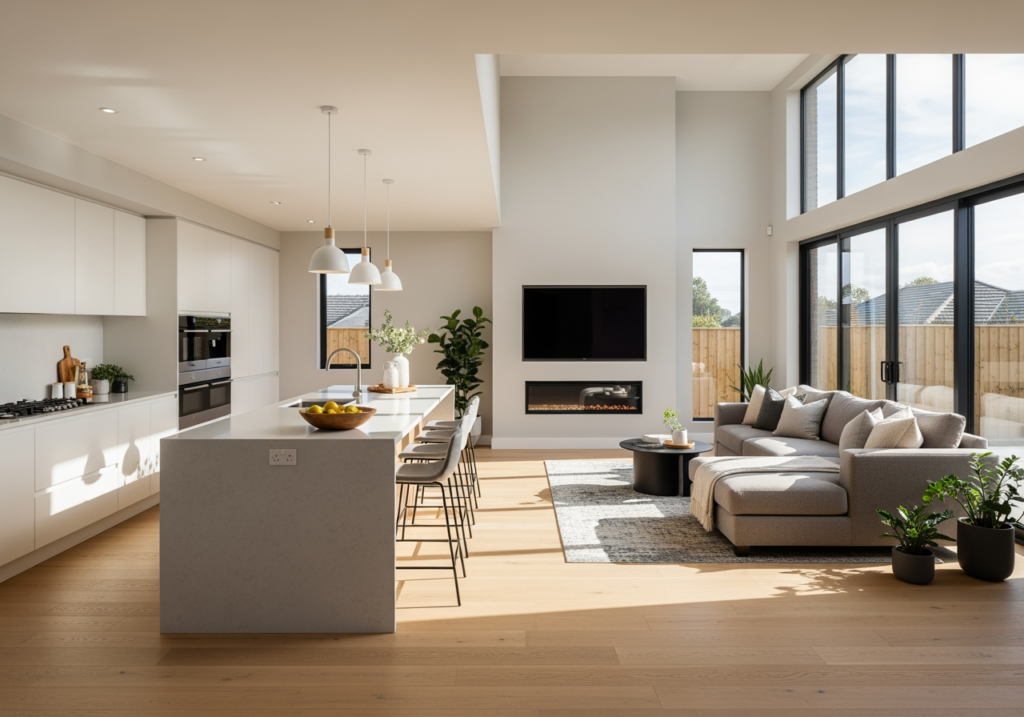
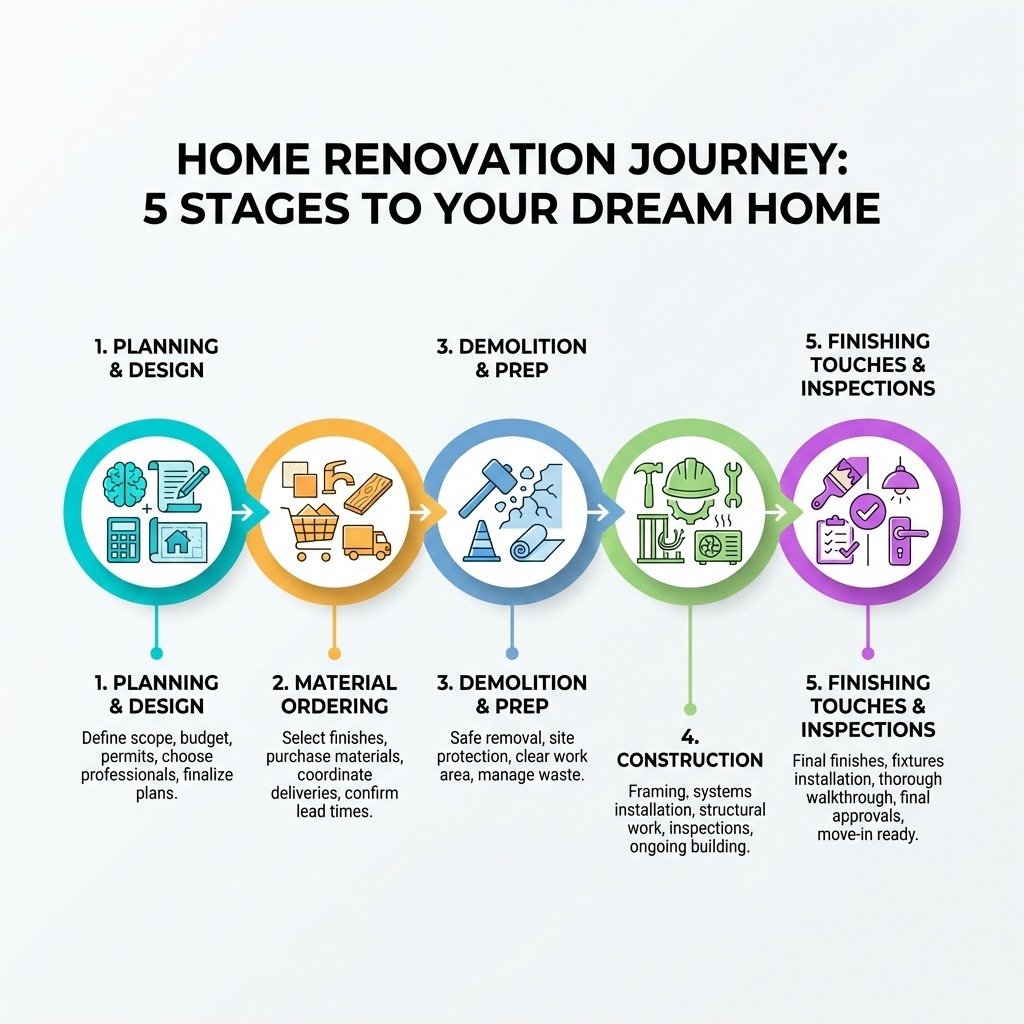
Starting on a home renovation is a significant undertaking, one that promises to transform your living space and potentially improve your property’s value. However, the path to a successful renovation is paved with meticulous planning. Without a solid blueprint, even the most ambitious visions can crumble under unexpected costs, delays, and frustrations. Our goal is to equip you with the knowledge to steer this journey confidently, ensuring your project is a rewarding experience from start to finish.
Key Steps in Your Initial Home Renovation Planning
The foundation of any successful renovation lies in the initial planning stages. This is where dreams begin to take concrete form, and crucial decisions are made that will shape the entire project.
First, we must define the scope of your renovation. Are you looking for a minor cosmetic update, a major structural overhaul, or an addition? Clearly outlining what you want to achieve is paramount. This involves asking critical questions: Why are you renovating? What problems do you want to solve? Which areas of your home need the most attention? For instance, an outdated kitchen might be purely aesthetic, while a growing family might necessitate an additional bedroom.
Next, prioritizing your goals is essential. Not everything can be a “must-have,” especially when working within a budget. Distinguish between your ‘must-haves’ versus ‘nice-to-haves’. Must-haves are the non-negotiable elements that are critical to the project’s success and your satisfaction. Nice-to-haves are features you’d love to have but can be sacrificed if budget or other constraints arise. This prioritization will be your guiding star when making tough decisions later on.
Gathering inspiration is the exciting part. Look at magazines, browse online platforms, and visit showrooms. Collect pictures and ideas of homes or remodeling projects that resonate with you. Pay attention to elements like room volume, materials, lighting, and views. This helps you articulate your vision to professionals and ensures everyone is on the same page. Your taste is unique, and a renovation should reflect your personal style and how you live.
Finally, consider the resale value (ROI) of your renovation. While personal enjoyment is a primary driver, understanding which projects offer the best return on investment can guide your choices, especially if you plan to sell in the future. Kitchen and bathroom upgrades consistently offer high ROI, as do energy-efficient improvements. Enhancing curb appeal and adding legal suites (where applicable) can also significantly boost property value.
Here are some of the top renovations with the best ROI:
- Kitchen Remodel (Minor): Focus on updating cabinets, countertops, and appliances without changing the layout.
- Bathroom Remodel: Improves functionality and aesthetics, often a key selling point.
- Deck Addition: Creates valuable outdoor living space, especially in regions with good weather.
While the exterior of your home protects it and improves curb appeal, interior renovations like kitchens and bathrooms are often where the most significant value is added.
Assembling Your Dream Team
Once your vision is clear, the next crucial step is to assemble the right team to bring it to life. This typically involves hiring contractors and other professionals. This is not a step to rush; a good contractor can make or break your renovation experience.
We recommend a thorough vetting process. Don’t just rely on a few references. As Mike Holmes, a trusted name in home renovations, advises, get at least 10-20 references and speak to past clients. Ask to see their work, including projects completed 5-10 years ago, to assess the longevity and quality of their craftsmanship. Perform background checks, verify licenses and insurance, and ensure they have a solid reputation. Bad contractors can change company names to evade a poor reputation, so due diligence is key.
Depending on the complexity of your project, you might need various professionals:
- Architects: For structural changes, additions, or complex layout redesigns.
- Designers: To help with aesthetic choices, material selection, and space planning.
- Engineers: For structural calculations or specialized systems.
- General Contractors: To manage the entire project, coordinating sub-trades and ensuring timely completion.
When you’re ready to engage a contractor, getting multiple bids is standard practice. This allows you to compare not just pricing, but also the proposed scope of work, timelines, and communication styles. Be wary of bids that are significantly lower than others, as they might indicate shortcuts or hidden costs.
The importance of a detailed contractcannot be overstated. This document should describe every single thing that will be done, specifying materials, timelines, payment schedules, and responsibilities for permits. It should also include buffers for unexpected delays and a clear process for change orders. Ensure the contract clearly states who is responsible for obtaining all necessary permits. A well-written contract protects both you and your contractor, minimizing misunderstandings down the line.
For those looking for an extra layer of assurance, programs like Holmes Approved Homes connect homeowners with vetted builders and renovators who adhere to high standards of quality and best practices. These programs aim to ensure that projects are built right the first time, using quality materials and skilled tradespeople. Whether you’re planning a full home remodel or specialized projects like creating beautiful outdoor living spaces, such as custom decks and renovations, choosing a reputable and experienced professional is paramount to achieving a successful outcome.
Financial Aspects of Home Renovation Planning
Once you have a clear vision and a potential team in mind, the next critical step is to confront the financial realities of your renovation. Setting a realistic budget is arguably the most challenging, yet most important, aspect of planning. Home renovations regularly cost more than anticipated, so be prepared.
Your budget needs to encompass all potential costs:
- Labor costs: This is often the largest component, making up about 50% to 60% of the total renovation cost. This includes wages for the general contractor, electricians, plumbers, carpenters, and other trades.
- Material costs: From flooring and tiles to lighting fixtures and appliances, materials can vary widely in price. Choosing quality, durable materials can be a significant investment but often pays off in longevity and aesthetics.
- Permit and inspection fees: These are mandatory for most significant renovations and vary by municipality. We’ll dig deeper into permits later, but ensure they are accounted for in your budget.
- Design or architectural fees: If you’re working with professionals for design and planning, their fees will be a part of your initial outlay.
- Contingency fund: This is non-negotiable. Experts universally recommend padding your budget by at least 10-15% for unexpected costs. For larger or older homes, some even suggest up to 25%. Common culprits for unexpected expenses include hidden structural issues (like mold or outdated wiring found behind walls), material shortages, or unforeseen permit delays.

When considering financing options, explore what makes the most sense for your financial situation.
- Savings: Using cash is ideal as it avoids interest payments.
- Home equity loans or lines of credit (HELOCs): These are popular choices as they leverage the equity in your home, often with lower interest rates than personal loans.
- Renovation loans: Specific loans designed for home improvements.
- Cash-out refinance: Refinancing your mortgage for a larger amount and taking the difference in cash.
Before committing to a contractor or starting any work, we strongly advise obtaining a loan pre-approval for your estimated renovation cost. This establishes a firm maximum budget, protects your savings, and gives you a clear understanding of what you can realistically afford. Avoid using high-interest options like credit cards for major renovations, as the interest can quickly erode any perceived savings. Planning your finances carefully before construction begins is the cornerstone of a stress-free and successful renovation.
Integrating Major Systems: Beyond the Aesthetics
While the visual change of a renovation is often the most anticipated, the true success and longevity of your project depend heavily on the integration and upgrade of your home’s core systems. These are the elements that function behind the walls, under the floors, and above the ceilings, ensuring comfort, safety, and efficiency.
Why HVAC, Plumbing, and Electrical Come First
Before any new drywall goes up or a fresh coat of paint is applied, the critical infrastructure of your home—HVAC, plumbing, and electrical—must be addressed. This is not just a matter of convenience; it’s fundamental for safety, functionality, and long-term efficiency.
Safety considerations are paramount. Faulty wiring can lead to fires, and outdated plumbing can cause leaks and water damage, fostering mold growth. Gas lines, if not handled by licensed professionals, pose severe explosion risks. This is why westrongly advise avoiding DIY on specialized trades like plumbing, electrical, and gas work. In many regions, these tasks are legally mandated to be performed by licensed contractors, and for good reason. Work involving electricity and gas service carries significant safety hazards if done incorrectly and almost always requires permits and inspections. Even exterior work involving heights, such as roofing, necessitates proper safety equipment and knowledge of its use to prevent serious injury.
Upgrading systems in older homes is particularly crucial. An older electrical system might struggle to support modern appliances and technology, leading to tripped breakers and potential hazards. Similarly, old plumbing might not meet current codes or might be nearing the end of its lifespan, prone to leaks and low water pressure. A renovation provides the perfect opportunity to bring these systems up to modern standards, ensuring they can handle the demands of contemporary living.
The benefits extend to long-term efficiency. New, energy-efficient HVAC systems, updated electrical wiring, and modern plumbing fixtures can significantly reduce utility bills and improve your home’s overall performance. Addressing these core systems early in the renovation process prevents costly and disruptive retrofits later on. It’s far easier and more cost-effective to install new pipes or wires when the walls are open than to tear them down again once the aesthetic finishes are in place.
The Critical Role of Expert HVAC Renovation Planning
Among the essential systems, your Heating, Ventilation, and Air Conditioning (HVAC) system plays a pivotal role in your home’s comfort, air quality, and energy consumption. Expert HVAC renovation planning is therefore non-negotiable.
This planning begins with assessing existing systems. A professional will evaluate your current furnace, air conditioner, and ductwork to determine if they are adequate for your renovated space. If you’re adding square footage, changing room layouts, or improving insulation, your existing system might be undersized or inefficient for the new demands.
Sizing new units correctly is critical. An HVAC system that’s too small won’t adequately heat or cool your home, running constantly and inefficiently. One that’s too large will cycle on and off too frequently, leading to uneven temperatures, higher humidity, and premature wear. Proper sizing ensures optimal comfort and energy savings.
Ductwork modifications are also often necessary. If you’re moving walls or reconfiguring spaces, the existing ductwork might need to be rerouted, expanded, or sealed to ensure efficient airflow throughout the renovated areas. Poorly designed or leaky ductwork can waste a significant amount of energy.
We are increasingly focused on improving energy efficiency and incorporating green renovations. Modern HVAC systems, such as high-efficiency furnaces, heat pumps, and energy recovery ventilators, can drastically reduce your carbon footprint and operating costs. Integrating features like smart thermostats allows for precise temperature control, learning your habits and optimizing energy usage. Furthermore, improved filtration systems and proper ventilation contribute to better air quality improvements, a growing concern for many homeowners. For comprehensive guidance on optimizing your home’s climate control during a renovation, including assessing existing systems and selecting energy-efficient solutions, consider consulting a specialist in expert HVAC renovation planning. They can help ensure your new system is perfectly custom to your renovated space.
Choosing Quality Materials and Finishes
While the underlying systems provide the functionality, the materials and finishes are what define the aesthetic appeal and tactile experience of your renovated home. This is where your vision truly comes to life, but choices here also have significant implications for durability, maintenance, and long-term value.
It’s a constant balance between durability versus cost. High-quality materials often come with a higher upfront price tag but offer superior longevity, requiring less frequent replacement and maintenance. For high-traffic areas like kitchens and bathrooms, investing in durable finishes like quartz countertops, porcelain tiles, or engineered hardwood can be a wise decision. Cheaper alternatives might save money initially but could wear out quickly, leading to additional costs down the line.
The longevity of materials should be a key consideration. Think about how long you plan to live in the home and how much wear and tear the surfaces will endure. For example, solid wood cabinetry, while more expensive, can last for decades with proper care, whereas laminate might need replacing sooner.
Sourcing materials also plays a role. Locally sourced materials can sometimes reduce costs and lead times, and also support local businesses. However, for specialized items, you might need to look further afield. Understanding lead times for specific materials is crucial for timeline management. Custom cabinetry, unique tiles, or imported fixtures can have lead times of several weeks or even months. Ordering these items well in advance, as soon as design decisions are finalized, is essential to avoid project delays.
When making your selections, consider the overall design aesthetic you’re aiming for, the functionality of each space, and your lifestyle. A family with young children might prioritize stain-resistant and easy-to-clean surfaces, while a minimalist might opt for sleek, low-maintenance finishes. The choices you make here will not only impact the beauty of your home but also its comfort, functionality, and how well it stands the test of time.
Navigating the Build Phase: From Permits to Punch List
With your detailed plans, dream team, and budget in place, and major systems thoughtfully integrated, you’re ready to move into the build phase. This stage, however, is not simply about construction; it involves critical administrative steps and ongoing management to ensure a smooth and compliant process.
Explaining Permits and Inspections
One of the most overlooked, yet vital, aspects of home renovation is understanding and securing the necessary permits and inspections. Skipping this step can lead to significant fines, rework, and even necessitate tearing down completed work, not to mention potential safety hazards.
When permits are required is a common question. Generally, permits are needed for any project that involves:
- Structural changes: Moving or removing load-bearing walls, adding additions, or altering the foundation.
- Electrical work: Adding new circuits, upgrading your electrical panel, or major rewiring.
- Plumbing work: Rerouting pipes, adding new fixtures, or altering drainage systems.
- Gas line work: Installing new gas appliances or modifying gas lines.
- Creating new spaces: Finishing a basement, adding a deck over a certain height, or building a new garage.
- Exterior changes: Significant changes to the building envelope, such as new windows or siding (depending on local regulations), or roofing.
Minor cosmetic changes like painting, replacing existing fixtures, or installing new flooring typically do not require permits. However, it’s always best to check with your local municipality.
Local regulations vary significantly by region. For instance, in areas like Metro Vancouver, specific rules apply, including requirements for green home renovation rebates, heritage property permits, and even regulations for moving soil to prevent the spread of pests like the Japanese beetle. You may also need to apply for permits if your project involves plumbing, electrical, or structural changes. In Canada, permits can take anywhere from a few days to a few months, depending on the city and the complexity of the project.
The typical timelines for approval can range from a week for simple projects under a “Residential Renovation Fast Track” (RRFT) program (like some in Vancouver for projects under $250,000) to several months for more complex structural changes. This is why applying for permits early in your planning process is crucial to avoid delays.
The inspection process is designed to ensure that the work being done complies with local building codes and safety standards. Inspectors will typically visit at various stages of construction (e.g., footing, framing, electrical rough-in, plumbing rough-in, and final completion). It’s your contractor’s responsibility to schedule these inspections and ensure the site is ready. Always have a printed copy of the City-approved permit and drawings available at the job site for inspectors to review. This rigorous process, while sometimes perceived as a hurdle, is ultimately for your protection, ensuring your home is safe and compliant.
Creating a Realistic Timeline and Sticking to It
Just as important as budgeting is establishing a realistic timeline for your home renovation. Underestimating the duration of a project is a common pitfall that can lead to frustration and increased costs.
The typical project durations vary widely based on scope and size. Most full home remodel projects typically take between 4 and 8 months from start to finish. Larger homes or major layout changes can push timelines closer to a year, especially if structural work, wall removal, or square footage additions are involved. For more specific projects:
- Bathroom Renovation: 3-6 weeks
- Kitchen Renovation: 6-10 weeks
- Basement Finishing: 8-12 weeks
- Condominium Remodeling: 3-5 months
We cannot stress enough the importance of adding a contingency buffer to your schedule, just as you do with your budget. Plan for an additional 10-20% of time to account for unforeseen issues.
Common causes of delays include:
- Permit delays: As mentioned, these can range from days to months.
- Material shortages: Supply chain issues or long lead times for custom items can hold up a project.
- Unexpected structural issues: Finding mold, outdated wiring, or old plumbing behind walls can necessitate additional work and inspections.
- Design changes: Changing your mind mid-renovation adds time, labor, and cost, and is a frequent culprit for timeline extensions.
Effective communication with your contractor is key to staying on track. Establish a clear communication plan from the outset, including how often you’ll meet or talk, and what method of communication will be used. Weekly check-ins are often recommended to discuss progress, upcoming tasks, and any potential issues. Approving all design decisions and material selections before construction begins is vital. Good renovation contractors book out months in advance, so you should hire home remodeling contractors at least 2–4 months before your desired start date to allow ample time for planning, material ordering, and permit acquisition.
Here’s a table comparing typical timelines for common renovations:
Renovation Type Typical Timeline Bathroom Remodel 3 – 6 Weeks Kitchen Remodel 6 – 10 Weeks Basement Finishing 8 – 12 Weeks Full Home Remodel 4 – 8 Months Deck Addition 1 – 3 Weeks Sticking to the plan and being prepared for the inevitable bumps in the road will help keep your project moving forward efficiently.
Living Through the Renovation
Deciding whether to remain in your home during a renovation is a significant consideration, impacting your comfort, safety, and daily routine. While cosmetic updates are generally manageable, full-scale gut jobs, especially those involving major utilities, might make temporary relocation a more appealing option.
If you choose to stay, managing dust and debris becomes a top priority. Construction generates an incredible amount of dust, which can permeate every corner of your home. Contractors should use plastic sheeting, zip doors, and negative air pressure machines to contain dust to the work areas. We recommend covering furniture, valuables, and air vents in adjacent rooms. Regular cleaning, both by the renovation crew and yourself, will be necessary.
Safety for kids and pets is another critical concern. Construction sites are inherently dangerous, with tools, exposed wiring, and debris. Ensure work areas are strictly off-limits and secured. Consider boarding pets or creating child-proof zones far away from the construction. Hazardous materials like asbestos, mold, or lead paint, if disturbed, can pose serious health risks, necessitating professional removal and potentially requiring you to vacate the premises until clearance.
Deciding whether to move out depends on the scope of work, your tolerance for disruption, and the presence of vulnerable family members. For major renovations involving plumbing, electrical, or HVAC shutdowns, or extensive demolition and drywall work, temporarily relocating can significantly reduce stress and improve safety.
If staying, setting up temporary living zones is essential. For a kitchen renovation, this might mean creating a makeshift cooking station with a microwave, hot plate, and mini-fridge in another room. For bathroom renovations, planning access to an alternative bathroom (if available) or even a gym membership for showers becomes necessary. The key is to anticipate disruptions and plan practical solutions to maintain some semblance of normalcy. Clear communication with your contractor about daily work hours and potential utility interruptions will help you prepare.
Frequently Asked Questions about Home Renovations
We understand that home renovation planning can raise many questions. Here, we address some of the most common inquiries to provide clarity and confidence as you start on your project.
How do you create a realistic renovation budget?
Creating a realistic renovation budget involves a multi-faceted approach. First, detail all anticipated costs, including labor, materials, permit fees, and any design or architectural fees. Research local pricing for these components to get accurate estimates. It’s crucial to distinguish between ‘must-haves’ and ‘nice-to-haves’ to prioritize spending. Most importantly, always include a contingency fund of 10-20% of the total budget. This buffer is vital for unexpected issues that commonly arise, such as finding hidden mold, outdated wiring, or structural problems once demolition begins. Without this cushion, unforeseen problems can quickly derail your project and lead to significant financial stress.
What should be included in a renovation contract?
A comprehensive renovation contract is your primary protection and should leave no room for ambiguity. It must include:
- Detailed Scope of Work: A thorough description of every task to be performed, including specific areas of the home and the work involved.
- Clear Payment Schedule: Outline milestone-based payments, where payments are tied to the completion of specific project stages (e.g., rough-in, drywall, completion), often linked to inspector approval.
- Specific Materials: A list of all materials and finishes to be used, including brand names, models, and specifications.
- Start and Completion Dates: Agreed-upon project commencement and estimated completion dates, with provisions for delays.
- Procedures for Change Orders: A clear process for how any changes to the original plan will be documented, approved, and priced.
- Proof of Liability Insurance: The contractor’s insurance details to protect you from accidents or damage during the project.
- Lien Waivers: Documents that protect you from subcontractors or suppliers placing a lien on your property if the contractor fails to pay them.
- Permit Responsibilities: Clearly state who is responsible for obtaining and managing all necessary permits.
What are the most common pitfalls to avoid?
The most common pitfalls in home renovation planning and execution often stem from a lack of preparation and communication:
- Under-budgeting: Failing to account for all costs, especially the crucial contingency fund, is a primary cause of stress and project abandonment.
- Not vetting contractors thoroughly:Hiring an unqualified or unreliable contractor can lead to poor workmanship, delays, and legal issues. Always check references, licenses, and insurance.
- Changing your mind mid-project (scope creep): Frequent design changes after construction has started will inevitably add time, labor, and significant costs to your renovation. Finalize all decisions beforehand.
- Underestimating timelines: Failing to account for permit delays, material lead times, and unforeseen issues can lead to frustration and disruption. Build in buffer time.
- Failing to secure the proper permits:Starting work without necessary permits can result in fines, forced demolition, and difficulties when selling your home. Always check local regulations and obtain all required approvals before construction begins.
Conclusion: Turning Your Vision into a Well-Planned Reality
Starting on a major home renovation is a journey filled with potential and excitement. By embracing thorough planning, we can transform what might otherwise be a stressful endeavor into a rewarding experience. The value of preparation cannot be overstated—it is the bedrock upon which a successful, on-budget, and on-time project is built.
From carefully defining your vision and assembling a dream team of professionals to diligently managing your finances and understanding the intricate world of permits and inspections, every step in the planning process contributes to a smoother build. Integrating critical systems like HVAC, plumbing, and electrical early ensures not just aesthetic appeal, but also safety, efficiency, and longevity for your home.
We encourage you to take the time to plan it right. The satisfaction of stepping into a beautifully renovated space, knowing it was achieved through careful thought and strategic execution, is truly unparalleled. Let your renovation journey be a testament to the power of thoughtful planning, turning your vision into a well-planned reality that you and your family will cherish for years to come.