
Optimizing Backend Operations for Home Service Contractors
The Core Pillars of Home Service Operations and Management
At its heart, effective home service operations are grounded in the principles of Service Operations Management (SOM). This theoretical framework helps us understand and optimize the unique challenges inherent in service delivery. Unlike manufacturing, services possess distinct characteristics: intangibility, meaning they cannot be touched or stored; heterogeneity, as each service interaction can vary; and inseparability, as production and consumption often occur simultaneously with the customer present. These traits make quality control and standardization particularly complex.
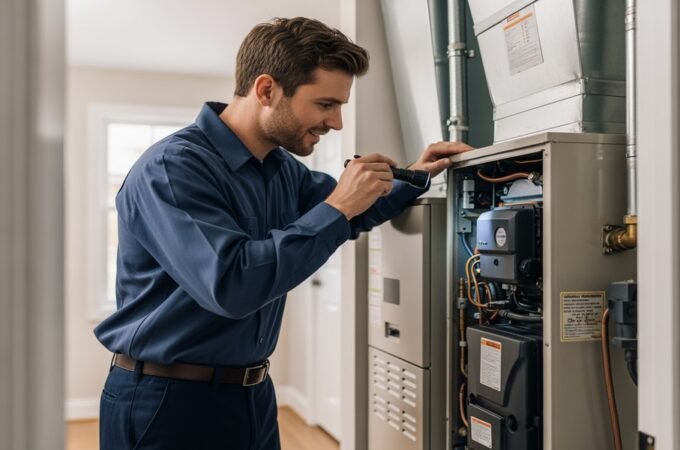
Consider the HVAC technician arriving at a customer’s home. The service itself—a repair or maintenance—is intangible. The quality of that service can vary based on the technician’s skill, the specific issue, and even the customer’s mood (heterogeneity). The service happens right there, in the customer’s living space, making them part of the “production” process (inseparability).
To navigate these complexities, SOM introduces powerful tools like blueprintingand fail point analysis. Blueprinting involves meticulously mapping out every step of a service process, distinguishing between what the customer sees (front-stage) and what happens behind the scenes (back-stage). This visual representation helps identify potential fail points—critical junctures where service breakdowns can occur, leading to customer dissatisfaction or operational inefficiencies. By proactively designing fail-safe sub-processes and empowering front-line employees to address issues, businesses can significantly improve service consistency and recovery.
Capacity planning is another vital SOM concept. It involves matching service supply (technician availability, equipment, time slots) with customer demand. In home services, this means optimizing routes, managing technician schedules, and understanding peak demand periods to avoid overbooking or underutilization. When demand fluctuates, yield managementstrategies come into play, allowing businesses to adjust pricing or capacity to maximize revenue. For instance, offering discounts during off-peak hours or prioritizing emergency calls at premium rates.
Effective home service operations also rely heavily on workflow standardization and resource allocation. Standardized procedures ensure that every job, from initial call to final invoice, follows a consistent, efficient path. This reduces errors, improves training, and helps maintain service quality even as the business grows. Proper resource allocation ensures that the right technician with the right skills and equipment is assigned to the right job at the right time.
Service recovery strategies are equally crucial. Despite best efforts, service failures can happen. How a business responds to these failures often defines customer loyalty. Empowering technicians and customer service representatives to resolve issues swiftly and effectively can turn a negative experience into a positive one. This proactive approach, much like the precise and detailed planning required in complex environments such as Marine operations management, ensures that potential disruptions are managed with minimal impact on the overall customer journey and business reputation. Through these core pillars, we build a foundation for operational excellence that can withstand the dynamic nature of the home service industry.
Leveraging Technology for Seamless Field Service
In today’s environment, technology is not just an advantage; it’s a necessity for seamless home service operations. Manual processes, paper invoices, and disconnected communication lead to inefficiencies, errors, and frustrated customers. Modern field service management (FSM) software bridges the gap between the office and the field, creating a cohesive and efficient ecosystem.

One of the most transformative aspects of FSM software is CRM integration. By linking customer relationship management (CRM) tools directly with operational software, every customer interaction, service history, installed equipment, and preference is centralized. This provides technicians with crucial context before they even arrive, enabling personalized service and informed upselling opportunities.
GPS routing and real-time updates are game-changers for dispatch and efficiency. Dispatchers can visualize technician locations, assign jobs based on proximity and skill, and optimize routes to minimize travel time and fuel costs. Technicians, in turn, receive job details, customer information, and navigation directly on their mobile devices. Real-time updates from the field mean office staff always know job status, allowing for proactive communication with customers regarding arrival times or delays. This level of transparency dramatically reduces the “where is my technician?” calls that plague many businesses.
Digital invoicing and payment processing streamline the financial aspects of service delivery. Technicians can generate professional invoices, present options for repairs or upgrades, and collect payments on-site via mobile apps. This not only improves cash flow but also reduces administrative burdens and errors associated with manual data entry. The ability to email receipts and service reports instantly enhances professionalism and customer satisfaction.
Mobile accessibility is paramount. Technicians need robust mobile apps that work offline, allowing them to access customer data, complete checklists, order parts, and capture signatures and photos directly from the job site. This ensures accurate documentation, compliance, and a smooth workflow, eliminating the need for mountains of paperwork.
Cloud-based data storage underpins these technological advancements, ensuring that all information—customer records, job histories, inventory, and financial data—is securely backed up and accessible from anywhere, at any time. This resilience is critical for business continuity and scalability.
Enhancing Home Service Operations and Management Through Automation
The true power of FSM software lies in its automation capabilities, transforming routine tasks into streamlined processes.
Scheduling becomes dynamic and intelligent. Instead of juggling spreadsheets and phone calls, dispatchers can use drag-and-drop interfaces to assign jobs, factoring in technician availability, skill sets, and geographic zones. The system can automatically suggest optimal schedules, reducing double-bookings and maximizing technician utilization.
Dispatching is no longer a reactive scramble but a proactive, data-driven process. When an emergency call comes in, dispatchers can instantly identify the closest, most qualified technician, minimizing response times and improving customer satisfaction.
Customer notifications are automated, keeping clients informed every step of the way. From appointment confirmations and reminders to “on the way” texts with technician photos and tracking links, these communications build trust and reduce no-shows. As statistics show, 35% of customers prefer to make appointments after business hours, highlighting the need for systems that don’t rely on office staff availability.
Online booking portals cater to the modern consumer’s demand for convenience. Customers can schedule service appointments directly through a website or app, choosing available slots that fit their schedule. This not only improves customer experience but also captures leads 24/7, even when the office is closed.
Automation also extends to lead captureand follow-up, ensuring that no potential customer falls through the cracks. New inquiries from online forms or calls can automatically trigger follow-up tasks for sales teams.
By optimizing workflows and automating repetitive tasks, businesses can significantly reduce technician idle time—time spent traveling unnecessarily, waiting for information, or performing administrative duties. This directly translates to more billable hours, increased productivity, and a healthier bottom line. The shift from manual to automated systems is clear:
Feature Manual Administrative Workflows Automated Digital Systems SchedulingPhone calls, paper calendars, whiteboards, prone to errors Drag-and-drop interface, real-time availability, conflict alerts Dispatching Manual communication, limited visibility, inefficient routing GPS tracking, optimized routing, skill-based assignments, instant updates Customer Info Disparate notes, paper files, inconsistent data Centralized CRM, comprehensive service history, accessible to field Invoicing & Payments Paper invoices, mail, manual payment processing, delayed cash flow Digital invoices, on-site payments, instant receipts, improved cash flow Documentation Paper forms, handwritten notes, lost paperwork Mobile forms, photo/video capture, digital signatures, cloud storage Communication Phone calls, texts, emails, potential for miscommunication Integrated chat, automated notifications, consistent messaging Reporting & Analytics Manual data compilation, time-consuming, limited insights Real-time dashboards, automated reports, actionable insights This comprehensive approach to leveraging technology transforms home service operations from a chaotic juggling act into a well-orchestrated, highly efficient system. For businesses looking to refine their administrative and operational processes, a proven approach is working with a specialized team like Minneapolis contractor admin.
Data-Driven Strategies for Scalable Growth
Growth in the home service sector isn’t just about getting more jobs; it’s about smart, sustainable expansion fueled by data. Implementing a robust FSM system provides an unprecedented wealth of information that, when analyzed correctly, can unlock significant opportunities for scalability and profitability.
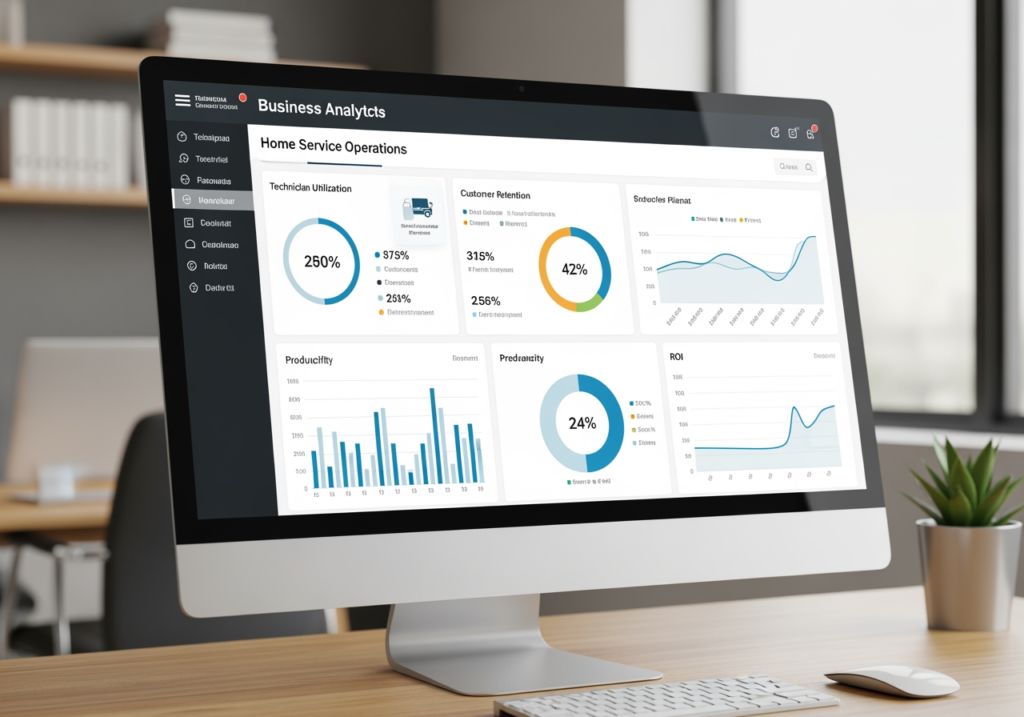
The foundation of data-driven growth lies in tracking Key Performance Indicators (KPIs). These metrics offer a clear picture of business health and operational efficiency. For instance, monitoring productivity metrics like technician utilization rates (the percentage of time technicians spend on billable work) helps identify bottlenecks and optimize scheduling. If technicians are spending too much time traveling or waiting for parts, the data will highlight these inefficiencies, prompting adjustments to routing or inventory management.
Customer retention rates are another critical KPI. As we know, it costs five times more to replace a customer than to retain one. FSM software helps track customer loyalty, identify at-risk clients, and implement proactive retention strategies like maintenance plan reminders or personalized follow-ups. Understanding the ROI analysisof various marketing efforts is also essential. By tracking lead sources and conversion rates, businesses can allocate their marketing budget more effectively, focusing on channels that deliver the highest return.
Marketing integration with FSM software allows for a seamless loop between lead generation and service delivery. When a new customer books a service online, their information flows directly into the CRM, initiating a service workflow. This integration also enables sophisticated performance tracking of marketing campaigns, allowing us to see which ads or promotions are generating the most profitable jobs.
Consider metrics like revenue per technician, which provides insight into individual and team performance, or call conversion rates, indicating the effectiveness of customer service representatives in turning inquiries into booked appointments. By continually measuring and analyzing these KPIs, businesses can make informed decisions, whether it’s investing in more training for technicians, refining marketing messages, or optimizing pricing strategies. For a deeper dive into specific metrics, exploring resources on Key KPIs in Your Plumbing Business can provide valuable insights. This data-driven approach transforms reactive management into proactive strategic planning, paving the way for predictable and scalable growth.
Adapting to Modern Consumer Demands and Market Trends
The home service landscape is continually evolving, driven by shifting consumer expectations and technological advancements. To remain competitive, businesses must adapt to these modern demands.
One significant demographic trend is the rise of Millennial homebuyers. This generation, now a dominant force in the housing market, has different expectations than previous generations. They are often less inclined to perform DIY home repairs—statistics show that 33% of millennial homeowners hire services for six or more household needs, compared to 18% for Generation X. They expect convenience, digital interaction, and transparency.
This preference for digital interaction extends to online reputation management. With 98% of consumers reading online reviews for local businesses, a strong online presence and positive feedback are non-negotiable. FSM software often includes features to solicit reviews automatically after job completion, helping businesses proactively manage their reputation.
The proliferation of smart appliances and home automation systems is creating new service opportunities and complexities. HVAC systems, water heaters, and security devices are increasingly connected, offering data for predictive maintenance and remote diagnostics. Home service companies need to adapt their expertise and integrate with these smart technologies to offer comprehensive solutions. The U.S. smart appliances market is projected to grow at a 19.5% CAGR, reaching $10.4 billion by 2025, underscoring the importance of this trend.
Customers increasingly expect a digital-first service experience. This means easy online booking, automated reminders, and the ability to track their technician’s arrival. They also value visual proof of work, such as before-and-after photos or videos of repairs, which builds trust and provides clear documentation.
Personalized communication is key. Modern consumers appreciate being recognized and having their service history understood. CRM integration allows for tailored interactions, whether it’s a technician recalling previous service details or a customer service representative addressing them by name and referencing past issues.
Finally, the demand for 24/7 availability is growing. While not every service can be performed around the clock, having systems in place for online booking, automated inquiries, or even virtual receptionist services ensures that customer needs are addressed promptly, regardless of business hours. This commitment to convenience and responsiveness is crucial for meeting contemporary customer expectations.
Future-Proofing Home Service Operations and Management
Looking ahead, several macro trends will continue to shape the home service industry, requiring businesses to be agile and forward-thinking.
Climate change impacts are increasing the demand for specific home services. More frequent and intense weather events, such as extreme heat or cold, floods, and storms, place greater stress on home infrastructure. This drives demand for HVAC repairs, roofing, plumbing, and energy efficiency upgrades. Businesses that can offer resilient and sustainable solutions will gain a competitive edge.
Market consolidation trends are also noteworthy. The fragmented nature of the home service industry, where 36% of tradespeople are sole proprietors, is giving way to larger, scaled players. These larger entities leverage standardization in branding, training, and operational processes to acquire smaller businesses and expand their footprint. For smaller businesses, this means either finding a niche, excelling in customer service, or considering strategic partnerships or acquisitions to compete.
The ongoing digitalization of the value chain will continue to transform every aspect of home service delivery. From online booking and AI-powered customer service to IoT monitoring and predictive maintenance, technology will drive efficiency and enhance customer experience. This includes evolving energy codes and regulations that push for greater energy efficiency in homes, creating new service lines for contractors specializing in insulation, smart thermostats, and high-efficiency equipment.
The overarching theme is on-demand convenience and scalability. Customers expect services to be as easy to access as ordering food or a ride-share. Businesses must invest in platforms that support this convenience while also being able to scale operations efficiently, whether through expanding service areas, adding new service lines, or increasing technician capacity. IoT monitoring can provide real-time data on appliance performance, enabling predictive maintenance that prevents breakdowns before they occur, offering a proactive service model that delights customers and stabilizes revenue.
Frequently Asked Questions about Home Service Operations
What are the primary challenges in managing field service teams?
Managing field service teams comes with a unique set of challenges rooted in the mobile and customer-facing nature of the work. Scheduling conflicts are a constant hurdle, arising from unexpected job durations, emergency calls, and technician availability. Technician dispatchingrequires a delicate balance of proximity, skill set, and workload to ensure efficiency and timely service. Maintaining service consistency across different technicians and job sites is difficult due to the inherent heterogeneity of services. Furthermore, communication gaps often emerge between office staff and field technicians, leading to miscommunications, delays, and frustration. Finally, managing the intangible service quality means that the customer’s perception of the service can be subjective, making it harder to standardize and quality control compared to tangible products.
How does software improve customer satisfaction?
Home service management software dramatically improves customer satisfaction by addressing key pain points in the service journey. It enables proactive communication through automated appointment confirmations, reminders, and “on the way” notifications, keeping customers informed and reducing anxiety. Real-time technician tracking allows customers to see their technician’s estimated arrival time, just like a ride-share service. Online booking convenienceempowers customers to schedule services at their leisure, aligning with modern digital expectations. Transparent digital documentation, including detailed invoices, service reports, and before-and-after photos, builds trust and clarity. Faster response times, reduced errors, and a more professional overall experience contribute to higher customer satisfaction and loyalty.
Which KPIs are most critical for service business growth?
While many metrics are valuable, several KPIs are particularly critical for driving and measuring home service business growth. Sales revenue and gross profit margin are fundamental financial indicators, revealing the overall health and profitability of operations. Customer acquisition cost (CAC) helps evaluate the efficiency of marketing efforts, while the customer retention rate highlights loyalty and the effectiveness of post-service engagement. The technician utilization rate (or billable hours percentage) is a key operational KPI, indicating how efficiently your field team is deployed. Monitoring these metrics provides actionable insights for strategic decision-making, from optimizing marketing spend to improving operational workflows and technician training.
Conclusion
The journey to operational excellence in home service operations and management is continuous, yet profoundly rewarding. By embracing the foundational theories of Service Operations Management, leveraging cutting-edge technology, and adopting data-driven strategies, businesses can not only overcome inherent industry challenges but also achieve remarkable operational stability and a significant competitive advantage.
The modern home service provider must be agile, responsive, and deeply attuned to evolving customer demands for convenience, transparency, and digital interaction. From streamlining back-office functions to empowering field technicians with mobile tools, every step towards greater efficiency contributes to enhanced customer satisfaction and a stronger bottom line.
Success in this dynamic industry hinges on a commitment to long-term scalability and systematized growth. By continuously optimizing processes, integrating smart technologies, and making informed decisions based on robust data, home service businesses can confidently navigate future trends, ensuring they remain leaders in modernizing service delivery. The goal is not just to get the job done, but to do it better, faster, and more profitably, building lasting customer relationships and a thriving enterprise.