Mid-Winter Roof Damage: Why Only Professionals Should Assess the Risks
Winter is often viewed as a quiet season for roofing—until problems surface suddenly and expensively. Mid-winter roof damage is rarely obvious, frequently misunderstood, and often far more serious than it appears. Industry professionals consistently warn that assessing roof conditions during winter is not only complex, but dangerous for untrained individuals.
The Silent Impact of Winter on Roofing Systems
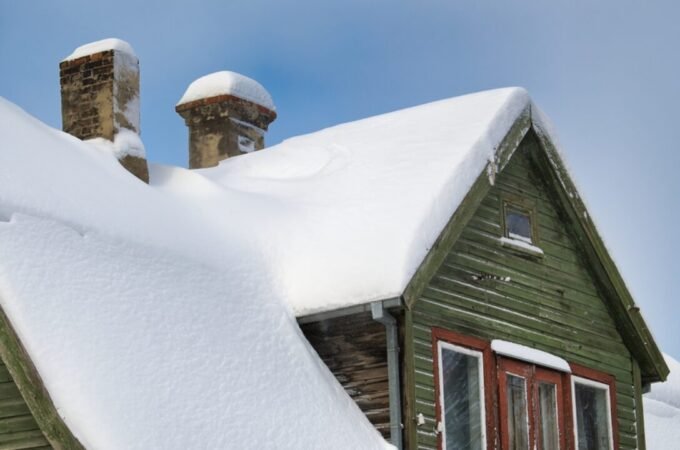
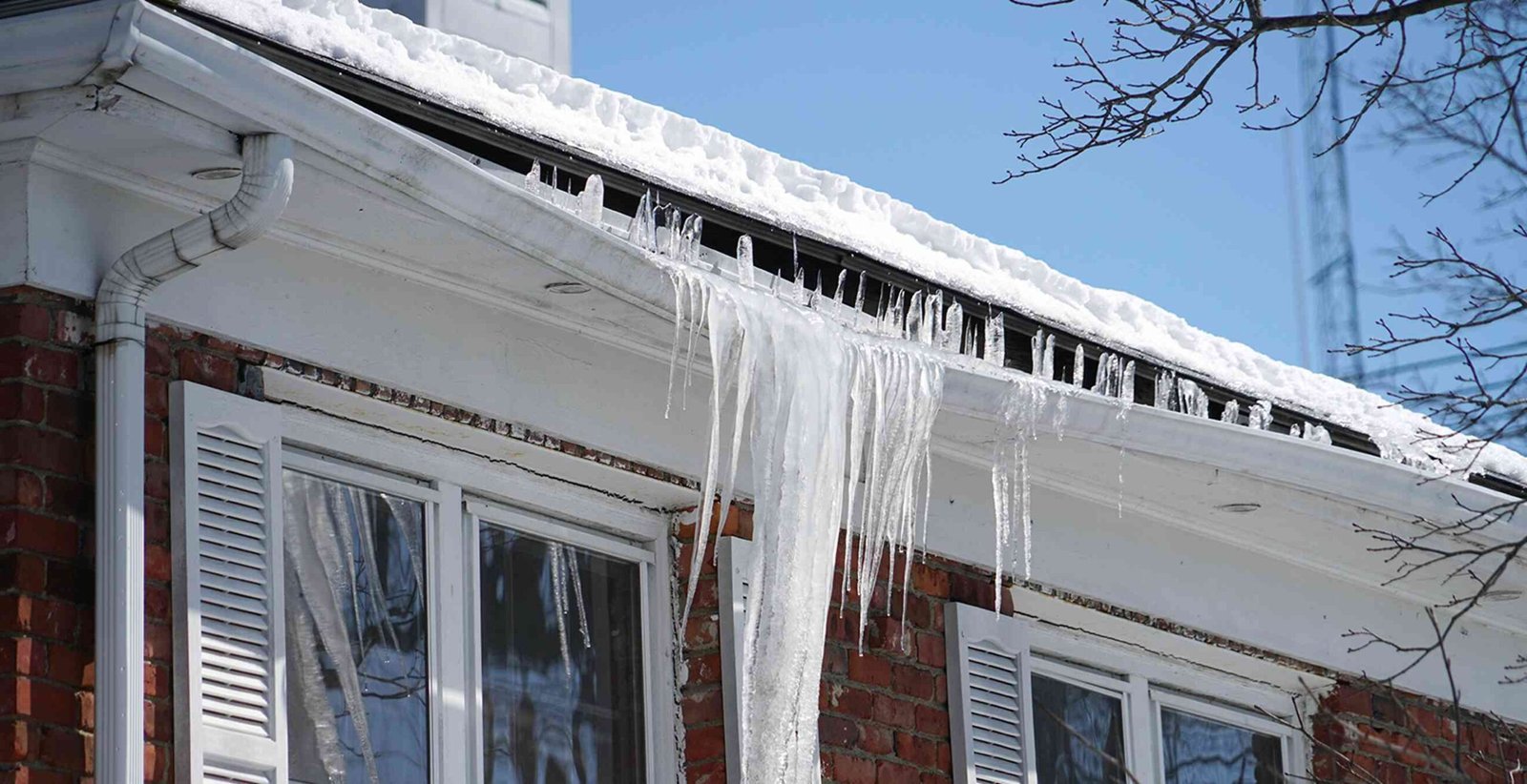
Snow-covered rooftops may look peaceful from the ground, but beneath the surface, winter conditions place extraordinary stress on roofing systems. Heavy snow accumulation adds weight that structures were never intended to bear continuously, while ice buildup restricts proper drainage. Add fluctuating temperatures into the mix, and roofing materials are forced to expand and contract repeatedly—often leading to micro-damage that goes unnoticed until spring.
According to the owner of Armour Shield Roofing, winter is one of the most deceptive times of year for homeowners. “Most winter roof issues aren’t dramatic or visible right away,” he explains. “They’re slow-developing problems that show up months later, when the damage is already done.”
Why Winter Roof Damage Is So Hard to Detect
Unlike storm damage in warmer seasons, mid-winter roof damage is often concealed. Snow and ice hide cracked shingles, lifted flashing, and compromised seals. In many cases, leaks remain frozen in place, temporarily blocking water intrusion and giving homeowners a false sense of security.
As soon as temperatures rise, however, trapped moisture begins to move—often finding its way into attics, insulation, and interior ceilings. By that point, what could have been a manageable repair may escalate into structural deterioration, mold concerns, or interior restoration work.
The Risks of DIY Roof Inspections in Winter
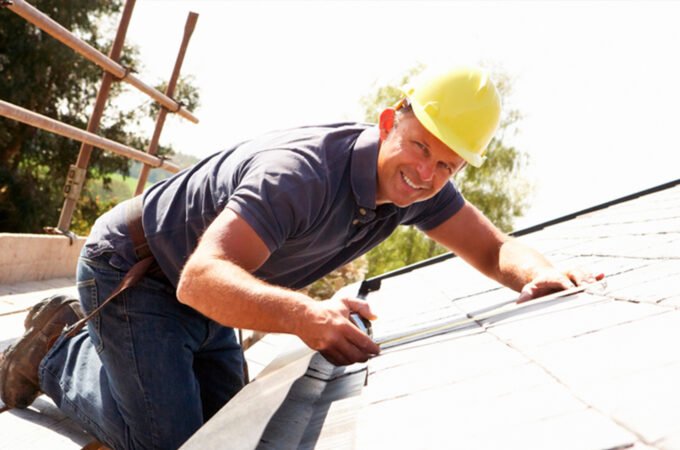
Industry professionals strongly discourage homeowners from accessing their roofs during winter months. Snow-covered surfaces are unpredictable, ice reduces traction, and underlying structural weaknesses may not be visible from above.
“Even experienced contractors treat winter roof access with extreme caution,” notes the Armour Shield Roofing owner. “For homeowners, the risks far outweigh any potential benefit. A single misstep can result in serious injury.”
Beyond personal safety, improper inspections can inadvertently cause further damage. Walking on frozen shingles can crack materials, dislodge protective granules, or compromise seals that were otherwise intact.
How Professional Roofers Assess Winter Damage Safely
Professional roofing assessments during winter rely on training, specialized equipment, and system-level understanding. Rather than relying solely on surface visibility, certified roofers evaluate ventilation performance, attic moisture levels, flashing integrity, and drainage pathways.
Thermal imaging, moisture detection tools, and interior inspections allow professionals to identify problems without unnecessary roof access. “We’re looking at the roof as a complete system,” explains the Armour Shield Roofing owner. “Winter issues almost always involve airflow, insulation, and drainage—not just shingles.”
Why Early Professional Assessment Saves Money
Waiting until spring to address winter roof damage can significantly increase repair costs. Moisture intrusion often spreads unseen, affecting framing, drywall, and insulation. Mold growth may also develop in poorly ventilated attic spaces.
Early professional assessments help homeowners plan repairs proactively, avoid emergency calls during peak spring demand, and preserve manufacturer warranties and insurance eligibility. In many cases, identifying issues mid-winter prevents full roof replacements later.
When a Mid-Winter Roof Inspection Is Especially Important
- After heavy snow or ice storms
- Following rapid freeze-thaw temperature swings
- When ice dams or interior moisture become visible
- For older roofing systems or recently repaired roofs
Professional roofers understand how regional winter conditions affect different materials, slopes, and building designs—knowledge that simply can’t be replicated without hands-on experience.
The Long-Term Value of Professional Winter Roof Evaluations
A professional winter roof assessment is not just about immediate repairs—it’s about long-term performance. Documented inspections support maintenance planning, extend roof lifespan, and help protect overall property value.
“A roof that survives winter without inspection is often a roof that surprises homeowners later,” says the Armour Shield Roofing owner. “Preventive assessment is always the smarter investment.”
Choosing the Right Roofing Professional
Homeowners are encouraged to work with established, experienced contractors who understand winter-specific roofing challenges. An Award-winning roofing company serving Ontario residences brings not only technical expertise, but also the safety protocols and regional insight required for cold-weather evaluations.
Reputable professionals focus on assessment first—never pressure tactics—and provide clear explanations of findings, risks, and recommended next steps.
Professional Safety Disclaimer: Leave Winter Roof Risk Assessment to the Experts
Mid-winter roof damage is rarely obvious and never simple. Snow and ice conceal serious risks that demand professional insight, proper equipment, and system-level understanding. While homeowners may be tempted to wait or investigate on their own, industry experts agree that winter roofing assessments should always be left to trained professionals.