
Maximizing Home Comfort Through Strategic HVAC Management
The Foundation: Why Regular HVAC Maintenance is Non-Negotiable
The average household spends over $2,200 a year on energy bills. Nearly half of this money goes to heating and cooling our homes. This fact alone shows how important our Heating, Ventilation, and Air Conditioning (HVAC) systems are to our daily lives.
We often take our HVAC systems for granted. But these complex machines are central to our comfort, health, and budget. Regular care and smart choices can make a big difference. They help our systems run better and last longer. This also saves us money and helps the environment.
In this guide, we will explore how to manage your HVAC system effectively. We will share important tips for maintenance, efficiency upgrades, and knowing when it’s time for a change. Our goal is to help you keep your home comfortable, your air clean, and your energy bills low. We will cover everything from simple tasks you can do yourself to what to expect from professional check-ups.
Our HVAC system is often the unsung hero of our homes, diligently working year-round to maintain comfortable indoor temperatures. From the scorching heat of summer to the biting cold of winter, these systems bear a significant load. The sheer scale of their operation is staggering: statistics show that about two-thirds of the energy used in the average Canadian home is dedicated to space heating and cooling. In the U.S., homeowners spend between $1,900 and $2,200 annually on energy bills, with almost half of that sum going toward heating and cooling costs. These figures underscore a critical point: our HVAC systems are major energy consumers, and their efficiency directly impacts our wallets and the environment.
The primary reason for prioritizing regular HVAC maintenance is two key benefits: efficiency and cost savings. A well-maintained system operates at its peak, consuming less energy to achieve the desired indoor climate. Conversely, a neglected system struggles, leading to higher energy bills and diminished performance. Industry experts consistently highlight that dirt and neglect are the leading causes of heating and cooling system failures and inefficiencies. Just as a car needs regular oil changes and tune-ups to run smoothly and extend its lifespan, your HVAC system requires consistent care.
Beyond the immediate financial savings, routine maintenance offers numerous advantages. It significantly extends the lifespan of your equipment, delaying the need for costly replacements. It helps prevent unexpected breakdowns, which often occur during peak demand when temperatures are extreme, and repair services are stretched thin. Regular check-ups also improve indoor air quality by ensuring filters are clean and components are free from dust and contaminants. Investing in maintenance is an investment in consistent comfort, peace of mind, and a healthier home environment.
The Professional Touch: What an Annual Check-Up Entails
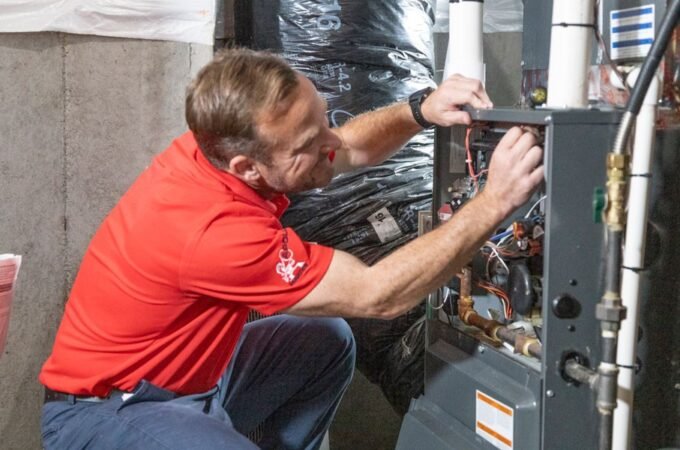
While homeowners can handle many tasks themselves, certain aspects of HVAC care require the expertise of a professional. An annual, pre-season check-up by a certified HVAC contractor is crucial. We recommend scheduling this service in the spring for your cooling system (ideally in April, before the summer heat sets in) and in the fall for your heating system (preferably in August or September, before the winter chill arrives). This proactive approach ensures your system is ready to perform optimally when you need it most, helping you avoid inconvenient breakdowns and potentially higher energy bills.
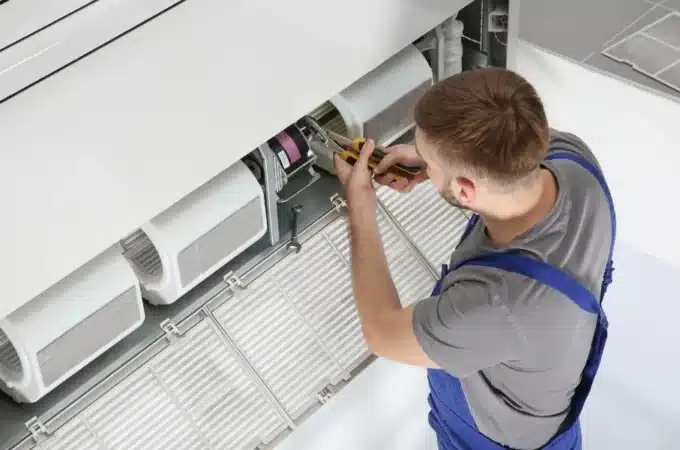
During a comprehensive professional check-up, a technician will perform a series of vital tasks designed to enhance efficiency, ensure safety, and extend the life of your unit. These tasks typically include:
- Thermostat Settings Verification:Ensuring your thermostat is calibrated correctly and programmed for optimal energy savings.
- Electrical Connections Tightening:Loose connections can cause safety hazards and reduce efficiency. The technician will also measure the voltage and current of the motors to ensure proper operation.
- Lubrication of Moving Parts:Reducing friction in components like fan motors and bearings minimizes wear and tear, lowering energy consumption.
- Condensate Drain Inspection:Clearing any blockages in the condensate drain prevents water damage, controls indoor humidity, and avoids potential system shutdowns.
- System Controls Verification:Checking that the starting cycle, operating cycle, and shutdown sequence are functioning correctly.
- Evaporator and Condenser Coil Cleaning: Dirty coils force your system to work harder, run longer, and increase energy costs. Cleaning them ensures efficient heat transfer.
- Refrigerant Level Check: Ensuring the refrigerant charge is accurate. Low levels often indicate a leak, which can severely impact cooling performance and efficiency.
- Blower Components Cleaning and Adjustment: Proper airflow is critical for efficiency. The technician will inspect and adjust blower components as needed.
- Heating-Specific Checks (for furnaces/boilers): This includes inspecting gas/oil connections, gas pressure, burner combustion, and the heat exchanger for cracks or damage that could pose carbon monoxide risks.
These detailed inspections go beyond what a homeowner can typically do, providing a thorough assessment of your system’s health. A professional’s expertise can identify minor issues before they escalate into major, costly repairs. For reliable, comprehensive service, many homeowners trust providers that offer Doggone Good HVAC maintenance. Such services ensure that every component is meticulously checked, calibrated, and cleaned, guaranteeing your system operates safely and efficiently throughout the season.
Your Role: DIY Maintenance for Peak Performance
While professional tune-ups are indispensable, homeowners play a crucial role in maintaining their HVAC system’s efficiency. The most impactful and easiest DIY task you can perform is regularly inspecting, cleaning, or changing your HVAC air filters. A dirty filter is the single biggest enemy of your HVAC system. It restricts airflow, forcing the unit to work harder, consuming more energy, and shortening its lifespan. In fact, a dirty filter can increase energy costs and even damage your equipment.
We recommend checking your air filter once a month, especially during peak heating and cooling seasons. If it looks dirty, either clean it (if it’s reusable) or replace it. For most homes, changing disposable filters every 1 to 3 months is a good rule of thumb, but homes with pets, allergies, or heavy usage might require more frequent changes. When replacing, ensure the filter is correctly oriented, with the arrows pointing towards the furnace or blower. For a visual guide on this essential task, you can often find helpful resources, such as this video example on locating and changing your HVAC filter.
Beyond filters, a few other simple DIY tasks can significantly contribute to your system’s efficiency:
- Keep Vents and Registers Clear:Ensure that furniture, rugs, or curtains aren’t blocking any supply or return vents. Restricted airflow can lead to uneven heating or cooling and increased energy consumption.
- Maintain Outdoor Unit Clearance: For central air conditioners and heat pumps, keep the outdoor unit free of debris such as leaves, grass clippings, and overgrown shrubs. Maintain at least two feet of clearance around the unit to ensure proper airflow and heat exchange.
- Flush the Condensate Drain: Every few months, you can flush a small amount of distilled water mixed with a cup of white vinegar down the condensate drain line. This helps prevent algae and mold growth that can lead to clogs and water leaks.
- Monitor Your Energy Bills: Keep an eye on your monthly energy statements. Sudden spikes in consumption, without a corresponding change in weather or usage, can be an early indicator of an HVAC efficiency problem.
- Listen for Unusual Noises: Your HVAC system should operate relatively quietly. Any new or unusual sounds, such as grinding, squealing, or banging, could signal a developing mechanical issue that warrants attention.
By consistently performing these basic maintenance steps, you can significantly reduce your energy consumption, prolong the life of your equipment, and ensure a more comfortable home environment.
Beyond the Unit: Optimizing Your Home’s Envelope
Even the most efficient HVAC system can struggle if your home isn’t properly sealed and insulated. The home’s envelope – its walls, ceiling, floor, windows, and doors – acts as a barrier between your conditioned indoor air and the outdoor elements. Leaks and insufficient insulation in this barrier can lead to substantial energy loss, making your HVAC system work harder than necessary.
One of the biggest culprits of energy waste is leaky ductwork. In a typical house, about 20 to 30 percent of the air that moves through the duct system is lost due to leaks, holes, and poorly connected ducts. The U.S. Department of Energy estimates that this duct leakage can lead to a loss of up to 30% of the air moving through your system. This means you’re paying to heat or cool air that never reaches its intended destination, escaping into unconditioned spaces like attics, crawl spaces, or basements.
The good news is that sealing and insulating ducts can dramatically improve your HVAC system’s efficiency by up to 20%, and sometimes even more. This involves using mastic sealant or metal foil tape (not standard duct tape, which degrades over time) to seal all seams and connections, especially in ducts running through unconditioned areas. Once sealed, insulating these ducts further prevents winter heat loss and summer heat gain, ensuring more of your conditioned air reaches your living spaces at the desired temperature.
Proper home insulation and air sealing complement HVAC maintenance efforts by creating a more stable indoor environment. Sealing air leaks around windows, doors, electrical outlets, and plumbing penetrations with caulk, spray foam, or weatherstripping prevents drafts and reduces the infiltration of unconditioned outdoor air. Adequate insulation in your attic, walls, and basement also minimizes heat transfer, keeping your home warmer in winter and cooler in summer. Together, these measures reduce the workload on your HVAC system, leading to lower energy bills and enhanced comfort. Studies show that a well-sealed, well-insulated home can save up to 20% on heating and cooling costs.
Smart Control: The Power of Programmable and Smart Thermostats
In the quest for HVAC efficiency, the thermostat often acts as the brain of the operation. Upgrading from an old manual thermostat to a programmable or smart model can unlock significant energy savings and enhance your home comfort. These devices let you precisely control your heating and cooling schedules, ensuring your system runs only when needed.
Programmable thermostats let you set different temperatures for different times of day or week, aligning with your family’s routine. For instance, you can program the temperature to setback when you’re at work or sleeping, and then return to a comfortable level before you wake up or arrive home. The U.S. Department of Energy suggests that you can save approximately 1% on your heating bill for every degree Fahrenheit you lower your thermostat for eight hours a day.
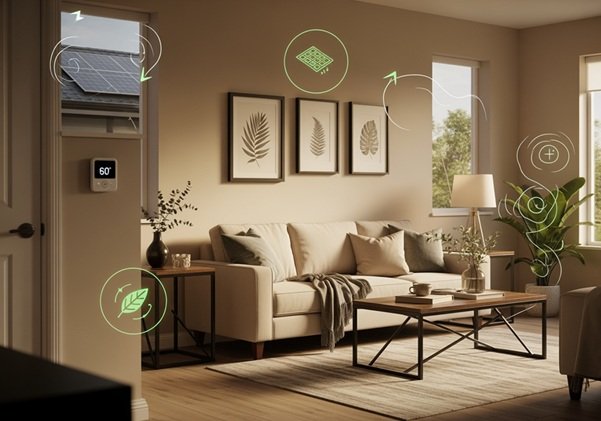
Smart thermostats take this concept even further. Many models are Wi-Fi enabled, allowing you to control your HVAC system remotely via a smartphone app, no matter where you are. This means you can adjust the temperature on your way home from vacation or simply fine-tune settings from your couch. Some advanced smart thermostats even feature “learning algorithms” that observe your habits and preferences and automatically create an optimized schedule for you. They can also integrate with other smart home devices and provide detailed energy usage reports, helping you identify further saving opportunities.
The financial benefits are tangible: homes with high heating and cooling bills can save approximately $100 a year with an ENERGY STAR-certified smart thermostat. Some estimates even suggest savings up to $180 annually. These thermostats are especially beneficial for homes that are unoccupied for significant periods during the day or night, allowing for greater temperature setbacks without sacrificing comfort upon return. By intelligently managing your HVAC system’s operation, smart thermostats prevent unnecessary energy consumption, making them a wise investment for any homeowner focused on efficiency.
Knowing When to Upgrade: Signs It’s Time for a New System
Even with diligent maintenance and smart home optimization, every HVAC system eventually reaches the end of its useful life. Recognizing the signs that it’s time to replace an old system with a more energy-efficient model is crucial for both your budget and your comfort.
Here are key indicators that an upgrade might be warranted:
- Age of the System: Most HVAC systems have a lifespan of 10 to 15 years. If your furnace or air conditioner is older than 10 years, it’s likely operating at significantly lower efficiency compared to modern units. Replacing old heating and cooling equipment with ENERGY STAR-certified equipment can cut your annual energy bill by nearly $140.
- Frequent Repairs and Breakdowns: If you’re calling for repairs multiple times a year, the cumulative cost of these fixes might soon outweigh the investment in a new, reliable system. Frequent issues also signal that components are wearing out and the system is nearing its end.
- Rising Energy Bills: A noticeable and consistent increase in your heating and cooling costs, without a corresponding change in usage or energy prices, often points to declining system efficiency. An older system simply has to work harder to achieve the same results, consuming more energy in the process.
- Inconsistent Comfort: Are some rooms too hot while others are too cold? Does your system struggle to maintain your desired temperature on extreme weather days? These are signs that your HVAC unit is no longer adequately conditioning your home.
- Unusual Noises: While some noises are normal, grinding, squealing, banging, or persistent rattling could indicate serious mechanical problems that are expensive to repair.
- Poor Indoor Air Quality: An aging system might not be filtering your air effectively, leading to increased dust, allergens, or humidity.
When considering a replacement, focus on energy efficiency ratings. For air conditioners, look at the Seasonal Energy Efficiency Ratio (SEER); for furnaces, the Annual Fuel Utilization Efficiency (AFUE); and for heat pumps, the Heating Seasonal Performance Factor (HSPF). ENERGY STAR certified models meet strict efficiency guidelines set by the EPA and can offer substantial savings.
It’s also vital to remember that proper installation is paramount. Even the most energy-efficient new system can underperform if not installed correctly. Industry data suggests that improper installation can reduce system efficiency by up to 30 percent, negating many of the benefits of upgrading. When it comes to significant investments like a new AC unit, ensuring a professional and precise installation is key to unlocking its full potential. Homeowners in the Glenview area often seek out expert services for their new systems. For example, a reputable Peak Glenview AC installation ensures that your new unit performs as designed from day one.
Choosing Your Partner: Hiring a Licensed HVAC Contractor
Selecting the right HVAC contractor is one of the most critical decisions you’ll make regarding your home’s comfort and energy efficiency. A qualified professional not only performs maintenance and repairs but also guides you through complex decisions, such as system upgrades. Given the intricate nature of HVAC systems and the significant investment involved, settling for anything less than a reputable, licensed, and experienced contractor can lead to costly mistakes and ongoing problems.
Here’s what we recommend homeowners look for when hiring an HVAC contractor:
- Licensing and Insurance: Always verify that the contractor is fully licensed to operate in your area and that they carry adequate liability and workers’ compensation insurance. This protects you from financial liability in the event of accidents or damage during service.
- Certifications: Look for technicians who hold certifications from recognized industry organizations, such as NATE (North American Technician Excellence). NATE-certified technicians have demonstrated a high level of knowledge and skill in HVAC repair and installation.
- Local Experience and Reputation: A contractor with a strong local presence and positive reviews indicates reliability and familiarity with regional climate demands. Ask for references and check online reviews.
- Detailed Bids and Transparency: A good contractor will provide a clear, written estimate that details all costs, including parts, labor, and any potential contingencies. They should be transparent about their processes and willing to answer all your questions.
- Adherence to ENERGY STAR Quality Installation (ESQI): If you’re installing a new system, inquire if the contractor follows ESQI guidelines. This ensures proper sizing, duct sealing, correct refrigerant charge, and adequate airflow-all critical factors for maximizing efficiency and longevity.
- Maintenance Plans: Many reputable contractors offer annual maintenance plans that can save you money on regular tune-ups and provide priority service.
The lowest bid isn’t always the best value. An improperly installed or poorly maintained system will cost you more in the long run through higher energy bills, frequent repairs, and premature replacement. Your HVAC system is a long-term investment, and partnering with a skilled, trustworthy contractor is essential to protecting it.
The Long-Term View: Home Energy Audits and Continuous Improvement
For homeowners committed to maximizing comfort and efficiency, a home energy audit serves as a powerful diagnostic tool. Think of it as a comprehensive health check-up for your entire home, designed to identify hidden inefficiencies that impact your HVAC system’s performance and your energy bills. These audits go beyond just the HVAC unit, examining how all components of your home’s envelope and systems interact to consume energy.
A certified energy auditor will typically review your past energy bills, conduct a thorough visual inspection of your home, and use specialized equipment like infrared cameras and blower doors. Infrared cameras can pinpoint areas of heat loss or gain, revealing insufficient insulation or air leaks in walls, ceilings, and around windows. Blower doors depressurize your home to exaggerate air leaks, making them easier to detect and quantify.
The insights gained from an energy audit are invaluable. They can reveal issues such as:
- Undetected Duct Leaks: Even after initial sealing, an audit can find smaller, persistent leaks.
- Insufficient Insulation: Identifying areas where adding insulation (e.g., in the attic or walls) would significantly reduce heat transfer.
- Air Infiltration Points: Pinpointing specific gaps and cracks that allow unconditioned air to enter or escape your living space.
- Inefficient Appliances: Beyond HVAC, audits can identify other energy hogs in your home.
Implementing the recommendations from a home energy audit can lead to substantial savings. Studies show that homeowners can save 30% or more on monthly utility bills by addressing the issues identified in an audit. Furthermore, for every dollar spent on energy efficiency improvements, there’s an average return of four dollars in savings. These audits provide actionable steps, allowing you to prioritize improvements based on their cost-effectiveness and potential impact.
We recommend considering a home energy audit every 3-5 years, or whenever you undertake major renovations. This proactive approach ensures that your home continues to operate as an integrated, energy-efficient system, complementing all your HVAC maintenance efforts. By taking a holistic view of your home’s energy consumption, you’re not just fixing problems; you’re investing in continuous improvement for lasting comfort and savings.
Conclusion
Strategic HVAC management is about more than just fixing problems when they arise; it’s about a proactive approach to maintaining comfort, controlling costs, and improving the environment. By understanding the importance of regular professional maintenance, committing to simple DIY tasks, optimizing your home’s envelope, and embracing smart technology, you empower yourself to make informed decisions. Knowing when to upgrade and choosing the right contractor further secures your investment in home comfort.
The journey to maximizing your home’s comfort and efficiency is ongoing. It involves a partnership between you, your home, and trusted HVAC professionals. By integrating these strategies into your homeownership routine, you’ll not only enjoy a consistently comfortable living space but also benefit from significant energy savings for years to come.