How Professional Roofers Handle Snow Load and Ice-Related Issues Safely
Winter presents some of the most demanding and hazardous conditions for residential roofing. Snow accumulation, ice buildup, and freezing temperatures all place additional strain on roof systems while also creating serious safety risks for anyone working at height. Professional roofers are trained to approach these challenges carefully, using experience, planning, and controlled techniques to manage snow load and ice-related issues without putting themselves or the home at risk.
Unlike warmer seasons, winter roofing work requires a methodical approach. Every step, from assessing the roof to deciding whether work should proceed at all, is guided by safety and structural protection.
Evaluating Snow Load Before Any Work Begins
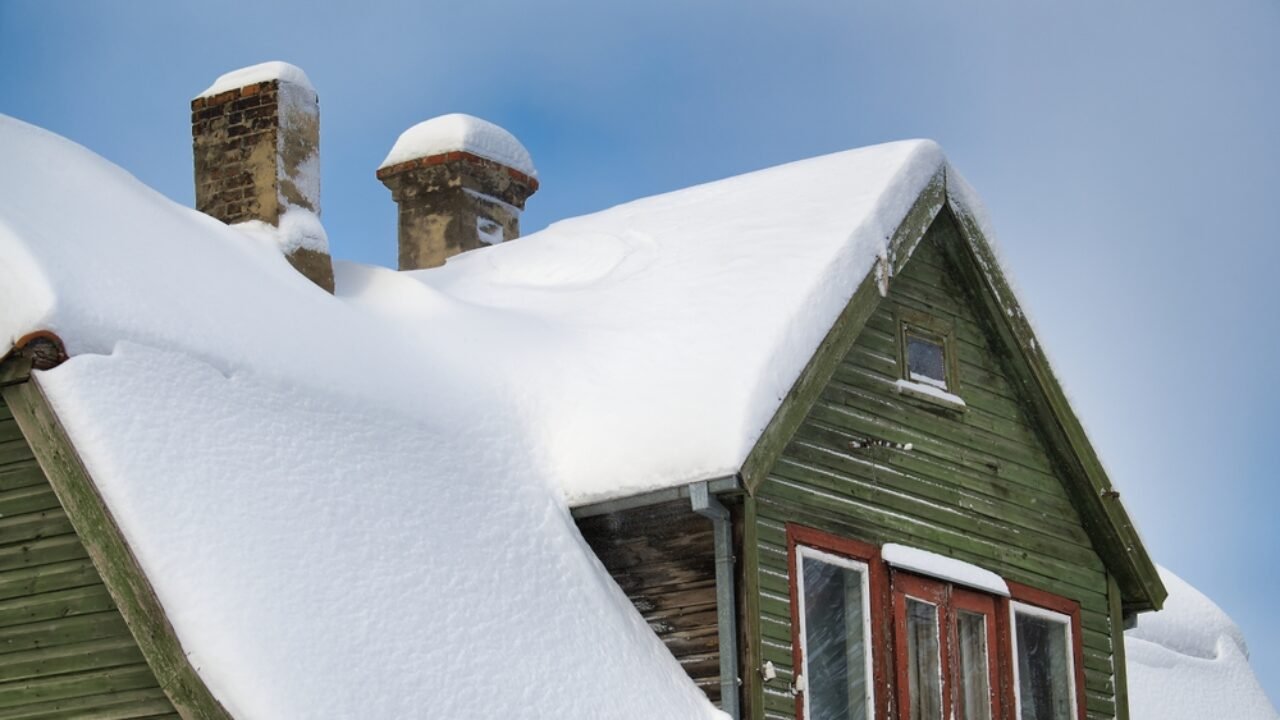
One of the first considerations professional roofers make in winter is the amount and type of snow on the roof. Snow may look light and harmless, but its weight adds up quickly, especially when it becomes wet or compacted. Prolonged snow accumulation can place significant stress on roof decking, trusses, and framing, particularly on older or aging residential roofs.
Before stepping onto the roof or recommending action, professionals assess the roof’s pitch, construction, age, and overall condition. They also consider weather patterns, including recent snowfall, temperature fluctuations, and forecasted changes. This evaluation helps determine whether immediate snow removal is necessary or if monitoring is the safer option. In some cases, unnecessary intervention can be just as risky as doing nothing, particularly if it causes sudden shifts in weight or damages roofing materials.
“Snow and ice may shorten the lifespan of a roof because winter is one of the worst seasons for them. Understanding how this may impact your roof’s structural stability can help you maintain your roof in excellent shape for years to come.”
— Armour Shield Roofing, Trusted Roofing Company based in London, Ontario
Safety Comes First in Winter Roofing Conditions
Working on a roof during winter is inherently dangerous, which is why professional roofers rely on strict safety protocols. Snow and ice significantly increase the risk of slips and falls, making proper equipment and preparation essential.
Professionals use fall protection systems such as harnesses and anchor points, along with stabilized ladders and footwear designed to maintain traction in icy conditions. Cold-weather gloves that preserve grip and dexterity are also standard. These precautions are not about speed or convenience — they are about ensuring every movement is controlled and deliberate.
Equally important is knowing when conditions are simply too unsafe. High winds, extreme cold, or heavy ice buildup can make even routine work dangerous. In these situations, experienced roofers may postpone action and advise homeowners on safer alternatives until conditions improve.
Removing Snow Without Damaging the Roof
When snow removal is necessary, professional roofers take a controlled, gradual approach. Removing snow too quickly or unevenly can cause sudden load shifts that stress the roof structure. Aggressive methods can also damage shingles, flashing, vents, and other roof components.
Instead of clearing entire sections at once, professionals work in stages, evenly reducing snow load across the roof. They use tools specifically designed for roofing applications, avoiding metal shovels or sharp instruments that could compromise the roofing surface. This careful process helps relieve pressure while preserving the integrity of the roof system.
The goal is never to strip the roof completely bare in one pass, but to reduce excessive weight safely and strategically.
Addressing Ice Dams Without Causing Further Harm
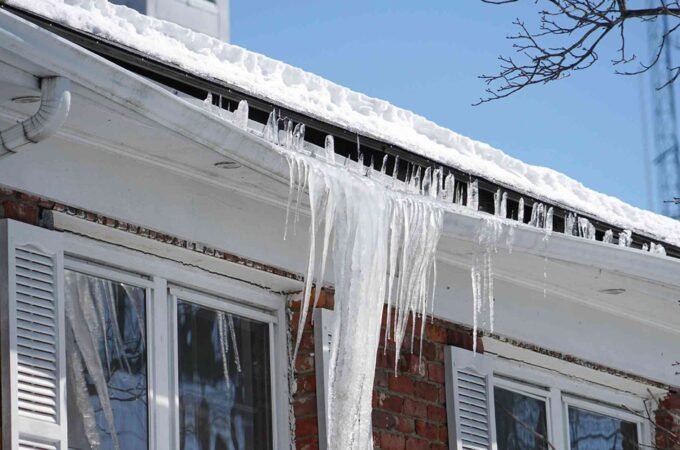
Ice dams are among the most common winter roofing concerns and one of the most misunderstood. They form when heat escapes through the roof, causing snow to melt and refreeze near the eaves. Over time, this creates a barrier that traps water, forcing it back under shingles and into the roof system.
Professional roofers do not treat ice dams as a simple surface issue. Chipping away ice aggressively can damage shingles and worsen the problem. Instead, professionals use safer methods to manage ice buildup while identifying the underlying causes.
This often involves controlled melting techniques designed for roofing systems and an assessment of attic insulation and ventilation. Addressing these contributing factors helps reduce recurring ice dam formation and minimizes the risk of water intrusion during future freeze–thaw cycles.
Protecting the Roof Decking and Structural Components
Snow and ice don’t just affect what’s visible on the roof surface. Moisture infiltration and prolonged exposure to winter conditions can compromise the decking and structural components beneath the shingles. Professional roofers are trained to recognize early signs of structural stress, such as uneven surfaces or soft areas underfoot.
During winter work, roofers move carefully to distribute weight evenly and avoid placing unnecessary pressure on vulnerable sections. This awareness helps prevent further damage while ensuring that the roof remains stable throughout the process.
If structural concerns are identified, professionals may recommend a more comprehensive evaluation rather than temporary measures, prioritizing safety and long-term protection over short-term fixes.
Understanding When Action Should Be Delayed
One of the most important aspects of professional winter roofing is judgment. Not every snow or ice issue requires immediate action, and not every situation can be addressed safely during winter months.
Experienced roofers understand when delaying work is the responsible choice. In some cases, monitoring conditions, reducing interior moisture, or planning future work is safer than attempting on-roof solutions in hazardous conditions. This decision-making process protects both workers and homeowners while preventing accidental damage to the roof system.
Preventive Strategies That Reduce Winter Risks
Professional roofers also focus on prevention. Many snow load and ice-related issues stem from underlying problems such as inadequate insulation or poor ventilation. Addressing these factors helps regulate roof temperatures and reduce uneven melting, which is a major contributor to ice dam formation.
Well-designed residential roofing systems are built to withstand winter conditions, but proactive measures can significantly extend their lifespan. By identifying vulnerabilities early, professionals help homeowners avoid repeated winter-related issues and reduce long-term structural stress.
Why Professional Handling Matters
Snow load and ice-related roofing issues are not suitable for untrained or improvised solutions. Without proper safety equipment, experience, and understanding of roof systems, attempts to manage winter conditions can lead to injury or costly damage.
Professional roofers approach winter challenges with a focus on safety, structure, and long-term performance. By carefully evaluating conditions, using controlled methods, and knowing when to act — or when not to — they help protect homes during one of the most demanding seasons of the year.
Handling snow and ice safely isn’t just about removing what’s visible; it’s about preserving the roof system as a whole and ensuring it continues to protect the home well beyond winter.


Lynn Place is Vice President of Marketing for SolvChem Custom Packaging Division. She has 30 years of professional experience in the manufacturing industry and specializes in consumer packaged goods, new product development and strategic planning.