Find Your Perfect Pavers: A San Francisco Homeowner’s Handbook
Selecting Pavers for Local Conditions in the San Francisco Bay Area
Dreaming of an outdoor space that truly enhances your San Francisco Bay Area home? Pavers offer a beautiful and durable solution for driveways, patios, and walkways. They can dramatically boost your home’s curb appeal and property value. We know that choosing the right hardscaping is a big decision, especially with our region’s unique climate and soil challenges.
This handbook is your essential guide to navigating pavers. We will explore the best material options, from classic concrete to elegant natural stone. For a wide selection of Unique Bay Area pavers, checking with local suppliers can provide quality choices. We will also cover professional installation standards, long-term maintenance, and how to find a reputable contractor. Our goal is to help you create an outdoor living area you will love for years.
The San Francisco Bay Area is renowned for its diverse landscapes and vibrant communities, but it also presents unique challenges for outdoor construction. When considering pavers for your home, it’s crucial to understand how local factors such as soil composition, microclimates, and seismic activity can influence your choices and the installation process. Ignoring these elements can lead to costly repairs and a diminished lifespan for your beautiful new hardscape.
Many parts of the Bay Area, particularly the East Bay and South Bay, are characterized by expansive clay soil. This type of soil can swell significantly when wet and shrink when dry, leading to ground movement that can crack or shift traditional poured concrete surfaces. Pavers, with their interlocking system and flexible joints, are inherently more resilient to this soil expansion and contraction. They can accommodate minor ground movement without cracking, maintaining their integrity and aesthetic appeal far longer than rigid alternatives. Proper base preparation, including adequate compaction and potentially the use of geo-textile fabrics, is paramount in these areas to ensure stability.
Our region’s microclimates also play a significant role. From the foggy, salt-laden air along the coast to the warmer, drier inland valleys, pavers must withstand a variety of environmental stresses. Coastal areas, for instance, benefit from pavers that are naturally resistant to salt degradation, preventing erosion and discoloration over time. Inland areas might prioritize materials that retain less heat to keep outdoor spaces comfortable during warmer months.
Drainage is another critical consideration. The Bay Area experiences distinct wet and dry seasons, and managing stormwater runoff is increasingly important for both environmental reasons and preventing property damage. Permeable paver systems are an excellent solution here. These specialized pavers allow rainwater to infiltrate the ground naturally, reducing runoff, recharging groundwater, and minimizing the strain on municipal drainage systems. This eco-friendly approach not only benefits the environment but can also help homeowners comply with local stormwater management regulations.
Furthermore, the Bay Area’s seismic resilience is a constant concern. While no construction can be entirely earthquake-proof, the flexible nature of interlocking paver systems offers an advantage over rigid surfaces. Their ability to move slightly with ground shifts helps prevent the widespread cracking and damage often seen in monolithic concrete slabs during seismic events. This inherent flexibility contributes to the long-term durability and safety of paver installations in our earthquake-prone region.
By carefully considering these local conditions, homeowners can make informed decisions that ensure their paver investment is both beautiful and built to last in the unique San Francisco Bay Area environment.
Material Options for Unique Bay Area Pavers
The world of pavers offers a rich tapestry of materials, each with its own set of characteristics, advantages, and aesthetic appeal. For San Francisco Bay Area homeowners, selecting the right material involves balancing durability, maintenance, style, and suitability for local conditions.
Concrete Pavers: These are perhaps the most popular and versatile option. Manufactured from a blend of cement, aggregates, and water, concrete pavers come in an astonishing array of shapes, sizes, colors, and textures. Their manufacturing process allows for consistent quality and strength, making them highly durable for driveways, patios, and walkways. They are also generally more affordable than natural stone, offering excellent value. Many Bay Area contractors trust brands like Belgard, Calstone, and Basalite for their concrete paver projects, known for their quality and extensive product lines. High-density concrete pavers are particularly effective at minimizing surface stains and resisting wear.
Natural Stone: For a touch of timeless elegance and organic beauty, natural stone pavers are an unparalleled choice. Options include:
- Travertine: Known for its soft, earthy tones and porous texture, travertine offers a luxurious, non-slip surface, especially when tumbled. It’s excellent for pool decks and patios, providing a cool surface underfoot.
- Limestone: Similar to travertine in its natural appeal, limestone offers a more subdued, sophisticated look. It’s durable and can be cut into various shapes, though it may require sealing to prevent staining.
- Granite: Extremely hard and dense, granite pavers are ideal for high-traffic areas like driveways where ultimate durability is desired. They are resistant to scratches, stains, and weathering, offering a premium, long-lasting surface.
- Flagstone: These irregular, flat pieces of natural stone (often sandstone, slate, or limestone) create a rustic and organic aesthetic, perfect for garden paths or informal patios. Natural stone pavers often boast inherent slip resistance, a valuable quality in the Bay Area’s occasionally damp climate. For homeowners seeking a wide selection of unique Bay Area pavers, exploring local suppliers can reveal a diverse range of natural stone options that resonate with the region’s aesthetic.
Porcelain Pavers: Representing the newest trend in hardscaping, porcelain pavers are gaining rapid popularity. Made from highly refined clay and fired at extreme temperatures, they are incredibly dense, non-porous, and exceptionally durable. Key benefits include:
- Low Maintenance: They resist stains, fading, and moss growth.
- Strength: Stronger than concrete, making them suitable for various applications.
- Aesthetic Variety: Can mimic the look of natural wood, stone, or even concrete with remarkable realism, offering sleek, modern aesthetics.
- Slip Resistance: Many porcelain pavers are designed with textured surfaces to provide excellent slip resistance, even when wet. Brands like MSI and Belgard offer extensive lines of porcelain pavers, providing Bay Area homeowners with cutting-edge design possibilities.
When making your selection, consider the intended use of the area (driveway, patio, walkway, pool deck), the level of traffic it will endure, your desired aesthetic, and the maintenance commitment you’re comfortable with. For coastal properties, prioritizing salt resistance is wise. For areas prone to moisture, excellent slip resistance is a must. By understanding the properties of each material, you can choose pavers that not only look stunning but also perform exceptionally well in the Bay Area’s distinct environment.
Design Trends and Paver Aesthetics in the San Francisco Bay Area
The aesthetic appeal of your outdoor space is just as important as its functionality and durability. Pavers offer an incredible palette for design, allowing homeowners to create environments that perfectly complement their home’s architecture and personal style. In the San Francisco Bay Area, design trends often blend modern sophistication with a reverence for natural elements and historical charm.
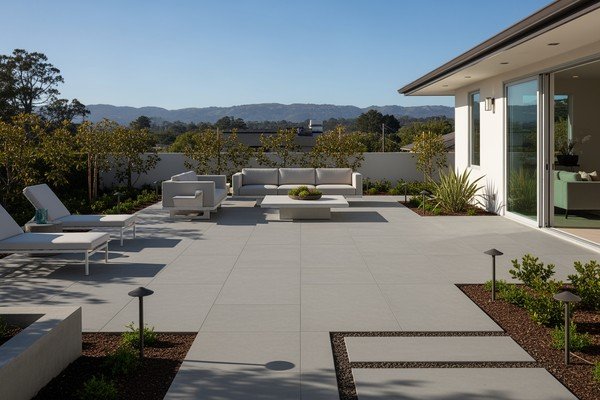
Modern Aesthetics: For contemporary homes, sleek, large-format porcelain pavers or smooth-finish concrete pavers are often favored. These can create expansive, minimalist patios and walkways that exude clean lines and an uncluttered feel. Colors tend towards grays, charcoals, and creams, providing a sophisticated backdrop for modern outdoor furniture and landscaping. Plank pavers, which mimic the look of wood decking but offer the durability of concrete or porcelain, are also a popular choice for achieving a contemporary, linear design. These designs often focus on creating seamless transitions between indoor and outdoor living spaces, enhancing the overall flow and perceived size of the home.
Old World Charm: Many Bay Area homes, particularly in older neighborhoods, boast a more traditional or Mediterranean architectural style. For these properties, pavers that evoke Old World charm are ideal. Tumbled concrete pavers, often in warm earth tones like terracotta, reds, and browns, can replicate the look of antique brick or natural stone cobblestone. Intricate patterns, such as herringbone or basket weave, further enhance this classic appeal for driveways and courtyards. The goal here is to create a sense of history and warmth, inviting residents and guests into a cozy, established outdoor sanctuary.
Visual Harmony and Texture: Beyond specific styles, successful paver design hinges on achieving visual harmony with your home and existing landscape. This involves careful consideration of color matching and texture. Pavers should ideally complement your home’s exterior colors whether it’s the siding, stucco, or roof rather than clashing with them. Texture also plays a crucial role; a rough-hewn paver might suit a rustic garden, while a smooth, polished surface is better for a sleek urban patio. The interplay of light and shadow on different textures can add depth and interest to your hardscape.
Integrating paver lighting systems is another trend that enhances both safety and ambiance. Subtle, recessed lights along pathways or embedded within patio pavers can highlight architectural features, illuminate seating areas, and create a magical evening atmosphere. This thoughtful addition extends the usability of your outdoor spaces well into the night.
The best design for your Bay Area home will be one that reflects your personal taste while also considering the practical aspects of local conditions. Whether you envision a minimalist outdoor lounge or a charming, vine-covered courtyard, pavers provide the foundation for creating your ideal outdoor living environment.
Professional Standards and Long-Term Maintenance
Investing in a paver installation is a significant enhancement to your home, and ensuring its longevity and performance hinges on two critical factors: professional installation quality and consistent long-term maintenance. In the San Francisco Bay Area, where environmental factors can be particularly demanding, adhering to high standards in both areas is non-negotiable.
The foundation of any durable paver project lies in its installation. A properly installed paver system isn’t just about laying stones; it’s about meticulous base preparation. This involves excavating to the correct depth, ensuring proper sub-grade compaction, and laying down a robust base of gravel aggregate and decomposed granite. This base provides crucial stability and drainage, preventing settling or shifting over time. Many reputable Bay Area contractors emphasize building these “firm foundations” to guarantee the structural integrity of your hardscape for decades. For instance, some leading contractors offer impressive 25-year or even 30-year labor warranties on new installations, a testament to their confidence in their installation methods.
Joint sand, often polymeric sand, is another vital component. It fills the gaps between pavers, locking them into place, preventing weed growth, and deterring insect infestation. Without proper joint sand, pavers can shift, become uneven, and allow unwanted vegetation to sprout, compromising both aesthetics and stability.
Warranties and material guarantees are hallmarks of a reputable paver installation. While many manufacturers offer lifetime warranties on the pavers themselves, the labor warranty from your contractor is equally important. This covers the installation workmanship. Some Bay Area companies, like Atlas Pavers Co, offer a lifetime warranty on materials and a 25-year warranty on labor for their installations, providing homeowners with significant peace of mind. When choosing a contractor, always inquire about the specifics of their warranty coverage.
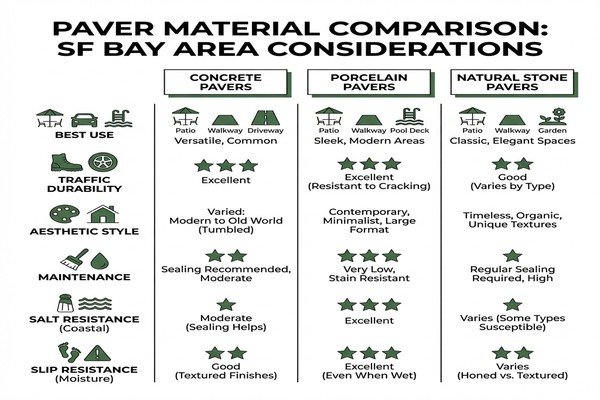
Choosing the right paver material also involves understanding its inherent durability and maintenance needs. Here’s a general comparison:
Understanding the Installation Process and Timelines
A successful paver project is a carefully orchestrated process, from initial design to the final sweep. Understanding these steps can help homeowners appreciate the craftsmanship involved and set realistic expectations for timelines.
1. Design and Planning: This initial phase involves consultations with your chosen contractor to discuss your vision, material preferences, and budget. Professional contractors often provide design consultations, sometimes even offering 2D or 3D conceptual designs to help you visualize the finished project. This is where site-specific needs, drainage requirements, and aesthetic goals are thoroughly planned.
2. Site Preparation and Excavation: Once the design is finalized, the physical work begins. This involves marking out the area, removing existing surfaces (like old concrete or grass), and excavating the soil to the specified depth. The depth depends on the type of paver and the intended use – driveways require a deeper, more robust base than walkways. This stage might also involve demolition and removal of existing structures, like old retaining walls, as offered by comprehensive service providers.
3. Sub-grade Compaction and Drainage Systems: The exposed soil (sub-grade) is then compacted to create a stable foundation. If necessary, a geo-textile fabric may be laid to prevent soil migration and enhance stability, especially in areas with expansive clay soils. For areas requiring enhanced drainage or permeable paver systems, advanced drainage solutions, such as trench drains or underground reservoirs, are installed at this stage.
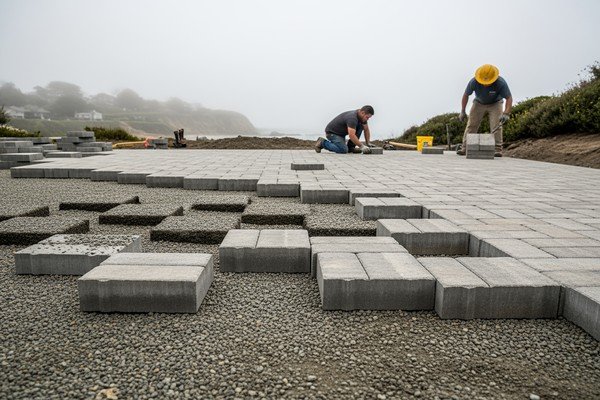
4. Base Installation: A layer of crushed gravel or aggregate is spread over the compacted sub-grade, followed by a layer of decomposed granite or bedding sand. Each layer is meticulously leveled and compacted using specialized equipment to achieve the precise slope and stability required for proper water runoff and paver support. This robust base is crucial for preventing settling and ensuring the longevity of the installation.
5. Paver Laying: With the base perfectly prepared, the pavers are carefully laid in the chosen pattern. This is where the artistry comes into play, as skilled installers ensure tight joints, consistent alignment, and accurate cuts around edges or obstacles.
6. Edge Restraints and Joint Sand Application: Once all pavers are in place, edge restraints (typically made of plastic or concrete) are installed around the perimeter to prevent the pavers from shifting laterally. Finally, polymeric sand is swept into the joints between the pavers. This sand, when activated with water, hardens to create a flexible, durable bond that locks the pavers together, inhibits weed growth, and deters ants.
7. Final Compaction and Cleanup: The entire paved area is then compacted again using a vibratory plate compactor. This further settles the pavers into the bedding layer and helps activate the polymeric sand. The site is then thoroughly cleaned, removing any debris and ensuring the finished product is pristine.
Timelines: The duration of a paver installation project can vary significantly based on its size, complexity, and site conditions. A small patio or walkway might take a few days, while a large driveway or a comprehensive outdoor living space could take one to two weeks, or even longer for extensive projects involving retaining walls, outdoor kitchens, or intricate designs. Many contractors pride themselves on timely completion, with efficient teams and dedicated project managers overseeing the process from start to finish.
Essential Maintenance for Coastal Climates
Maintaining your pavers in the San Francisco Bay Area’s unique coastal and foggy climate requires specific attention to ensure their beauty and structural integrity for years to come. While pavers are generally low-maintenance, a proactive approach can significantly extend their lifespan and keep them looking pristine.
1. Sealing: This is arguably the most crucial maintenance step for pavers in the Bay Area. A high-quality sealant protects pavers from moisture penetration, oil stains, and UV fading, which can be particularly harsh in sunny areas or cause discoloration in foggy conditions. Sealants also enhance the paver’s natural color and can make cleaning easier. For coastal properties, a sealant can offer an extra layer of protection against salt air corrosion. It’s generally recommended to reseal pavers every 2-5 years, depending on traffic, exposure, and the type of sealant used.
2. Weed Prevention and Joint Stabilization: The Bay Area’s damp climate can encourage moss and weed growth in paver joints. The polymeric sand used during installation helps, but over time, it can degrade or wash out. Regular sweeping and occasional spot treatments for weeds are necessary. If joints become compromised, re-sanding with fresh polymeric sand can restore stability and weed resistance. For areas with persistent moisture, a specialized joint stabilizer might be considered.
3. Cleaning: Regular cleaning helps remove dirt, grime, and organic matter (like leaves or pollen) that can accumulate and lead to staining or moss growth. A simple sweep with a broom or a rinse with a garden hose is often sufficient for routine maintenance. For tougher stains or accumulated grime, a pressure washer with a wide-angle nozzle can be used, but always exercise caution to avoid dislodging joint sand or damaging the paver surface. Environmentally friendly cleaning solutions are available for stubborn spots.
4. Addressing Fog Impact: The Bay Area’s characteristic fog, while iconic, introduces consistent moisture that can promote mildew and algae growth on shaded paver surfaces. Regular cleaning, especially in shadier areas, can prevent this buildup. Ensuring good drainage around paver installations also helps reduce prolonged moisture exposure.
5. Salt Resistance (Coastal Areas): For homes directly exposed to salt air, choosing pavers with inherent salt resistance (like some natural stones or high-density concrete and porcelain pavers) is beneficial. Regular rinsing with fresh water can help wash away salt deposits and prevent long-term damage.
By incorporating these essential maintenance practices, Bay Area homeowners can protect their paver investment, ensuring their outdoor spaces remain beautiful, functional, and durable against the specific challenges of our local climate.
Choosing a Qualified Hardscape Contractor in the San Francisco Bay Area
Selecting the right paver contractor is arguably the most critical decision in your outdoor living project. The quality of installation directly impacts the longevity, aesthetics, and overall value of your investment. In a competitive market like the San Francisco Bay Area, knowing what to look for can make all the difference.
1. Licensing and Insurance: Always verify that the contractor holds a valid California State License Board (CSLB) license for the appropriate classification (e.g., C-27 Landscaping or C-8 Concrete). This ensures they meet state-mandated standards for competency and financial responsibility. Equally important is proof of comprehensive general liability and workers’ compensation insurance. This protects you from financial responsibility in case of accidents or damage during the project.
2. Certifications and Industry Affiliations:Look for contractors with industry-recognized certifications. The Interlocking Concrete Pavement Institute (ICPI) offers a highly respected certification program for paver installers, indicating a commitment to best practices and quality workmanship. Affiliations with organizations like the National Concrete Masonry Association (NCMA) also suggest a contractor is dedicated to professional standards. These certifications often mean the contractor is up-to-date on the latest installation techniques and materials.
3. Workmanship Guarantees and Warranties: Reputable contractors stand behind their work. Inquire about the length and scope of their labor warranty. As mentioned, some Bay Area companies offer substantial warranties, such as 25 or even 30 years on labor, in addition to manufacturer warranties on materials. A strong warranty indicates confidence in their installation quality.
4. Design Consultations and Local Expertise: A good contractor doesn’t just install; they design. They should offer thorough design consultations, helping you choose the right paver types, colors, and patterns that complement your home and suit your lifestyle. Crucially, they should demonstrate local expertise, understanding how Bay Area soil, climate, and drainage conditions impact installation and material choices. They should be able to advise on permeable paver options or seismic resilience considerations specific to our region.
5. Portfolio Review and References: Ask to see a portfolio of their completed projects, ideally in your local area. This allows you to assess the quality of their craftsmanship and see if their style aligns with your vision. Don’t hesitate to ask for references from past clients, and follow up on them. Real customer experiences and testimonials can provide invaluable insights into a contractor’s professionalism, communication, and ability to deliver on promises. Many top-rated contractors in the Bay Area have extensive positive reviews on platforms like Yelp, Diamond Certified, or BBB.
6. Transparent Communication and Project Management: A reliable contractor will maintain clear and consistent communication throughout the project, from the initial quote to final inspection. They should provide a detailed proposal outlining the scope of work, materials, timeline, and payment schedule. Some companies assign a single project manager to oversee your entire project, ensuring a seamless experience and a consistent point of contact.
7. Showrooms and Material Selection:Some of the best contractors in the Bay Area offer showrooms where you can see and touch various paver materials in person. For example, a 7,000 square foot East Bay showroom might feature every color and style of Belgard pavers, a wide range of Calstone pavers, and porcelain pavers from MSI, allowing you to make informed decisions. This hands-on experience is often invaluable compared to simply viewing online galleries.
By diligently researching and vetting potential contractors based on these criteria, Bay Area homeowners can ensure they partner with a qualified professional who will deliver a high-quality paver installation that enhances their home for decades.