
A Guide to Residential and Commercial HVAC Services
An Overview of Core HVAC Services
HVAC systems are complex and require specialized knowledge for proper installation, repair, and maintenance. These services are crucial for both residential and commercial properties, though the scale and specifics of the work can differ significantly. From ensuring your home stays warm in winter and cool in summer to maintaining optimal air quality in a busy office, professional HVAC care is indispensable.

Residential Heating and Cooling
For homeowners, a reliable residential HVAC system is key to comfort and energy efficiency. Common heating systems include furnaces, which can run on natural gas, propane, or electricity, providing consistent warmth through ductwork. Heat pumps offer a versatile solution, capable of both heating and cooling by transferring heat between your home and the outdoors. Central air conditioners are widely used for cooling, distributing chilled air throughout the home. For spaces without extensive ductwork or for targeted comfort, ductless mini-splits provide individual zone control. Whether it’s a new system installation or emergency repairs, ensuring these systems are correctly sized and maintained is vital for long-term performance and comfort.
Specialized Commercial HVAC Services
Commercial environments, such as offices, retail spaces, and industrial facilities, demand robust HVAC solutions designed for larger areas and more intensive usage. These often involve large-scale systems, including rooftop units that consolidate heating, cooling, and ventilation in a single package. Zoned systems are common, allowing different areas of a building to be controlled independently, which is crucial for energy management and occupant comfort in diverse spaces. Building automation systems integrate HVAC with other building controls, offering sophisticated management and optimization. Regular maintenance contracts are particularly important for commercial setups to prevent costly downtime and ensure compliance with health and safety regulations.
The Unseen Hero: Professional Ventilation
Beyond temperature control, effective ventilation is a critical component of a healthy indoor environment. Professional ventilation services focus on ductwork design to ensure efficient air distribution, optimal air exchange rates to bring in fresh outdoor air and expel stale indoor air, and the installation of exhaust systems in areas like kitchens and bathrooms. Advanced solutions like Energy Recovery Ventilators (ERVs) are designed to recover energy from exhaust air, pre-conditioning incoming fresh air to reduce the load on heating and cooling systems. Proper humidity control, often integrated with ventilation, also plays a significant role in preventing mold growth and maintaining comfort.
Beyond Temperature: How HVAC Manages Indoor Air Quality
While maintaining comfortable temperatures is a primary function of HVAC systems, their role in managing indoor air quality (IAQ) is equally, if not more, important for health and well-being. Indoor air pollution can be a silent threat, often going unnoticed until symptoms arise. HVAC systems, through filtration and proper ventilation strategies, are our first line of defense against a myriad of airborne contaminants.

Common Indoor Pollutants and Their Health Risks
Our homes and workplaces, despite appearing clean, can harbor a variety of indoor air pollutants. These can originate from everyday activities and materials, posing significant health risks.
- Particulate Matter (PM2.5, PM10):These microscopic particles, often invisible to the naked eye, are among the most dangerous. PM2.5 (particulate matter 2.5 microns or smaller) can travel deep into the lungs and even enter the bloodstream, contributing to serious conditions like heart disease, asthma, and other respiratory illnesses. PM10 (particulate matter around 10 microns) can also worsen respiratory diseases. Sources include cooking, burning candles, fireplaces, outdoor pollution seeping indoors, and even dust from construction sites.
- Volatile Organic Compounds (VOCs):These are gases emitted from certain solids or liquids. Exposure to certain VOCs can cause headaches, nausea, and long-term kidney and liver damage, and potentially cancer. They are found in a wide range of products, including paints, varnishes, cleaning supplies, new furniture, carpeting, and even some personal care products. For more information on VOC sources, the EPA provides resources like the Delphi VOC Plume Site.
- Carbon Dioxide (CO2): While naturally present, high levels of CO2 indoors indicate insufficient ventilation. Liftd CO2 can lead to mild symptoms like headaches and fatigue, impacting concentration and overall comfort.
- Mold Spores and Bacteria: These biological contaminants thrive in damp environments. Mold can trigger allergic reactions, asthma attacks, and other respiratory problems. Bacteria can also contribute to various illnesses.
- Radon: A naturally occurring radioactive gas that can seep into homes from the ground. It is the leading cause of lung cancer in non-smokers. Specialized monitors, like the AirCurie Ver2 Radon Detector, can help detect this silent killer.
- Carbon Monoxide (CO): An odorless, colorless, and poisonous gas produced by incomplete combustion. Faulty furnaces, water heaters, or gas stoves can be sources. High levels can be fatal. It’s crucial to have reliable carbon monoxide detectors installed.
Common Sources of Indoor Air Pollutants:
- Cooking: Releases particulate matter (PM2.5), VOCs, and carbon monoxide, especially with gas stoves.
- Cleaning Products: Many contain VOCs and other irritating chemicals.
- Furniture and Building Materials: New items can off-gas VOCs for extended periods.
- Pets: Pet dander and hair are common allergens.
- Candles and Incense: Release particulate matter and VOCs.
- Smoking: Secondhand smoke is a major source of PM2.5 and numerous toxins.
- Pesticides: Residues can linger in indoor air.
- Poor Ventilation: Allows pollutants to accumulate.
- High Humidity: Promotes mold and dust mite growth.
Monitoring Your Air: A Modern Approach to IAQ
Understanding what’s in your air is the first step toward improving it. This is where indoor air pollution monitors come into play. These devices provide real-time data on various pollutants, empowering you to take informed action.
Modern indoor air quality monitors can detect a variety of pollutants, often including PM2.5, PM10, VOCs, and CO2, alongside temperature and humidity. These monitors use different types of sensors. For instance, optical sensors are commonly used for particulate matter, while electrochemical or NDIR (non-dispersive infrared) sensors detect gases like CO and CO2, respectively. Some advanced devices, like the LifeBasis Air Quality Monitor, can detect up to 10 different parameters.
When choosing a monitor, consider the pollutants you’re most concerned about. Features like smartphone connectivity, historical data logging, and integration with smart home systems offer significant advantages. For example, a smart indoor air quality monitor can send notifications to your phone when CO2 levels are high, prompting you to open a window. The Lawrence Berkeley National Laboratories Indoor Program offers valuable insights into consumer indoor air sensors and their performance.
Interpreting the data from an air quality monitor involves understanding what constitutes “good” or “poor” levels for each pollutant. Many monitors use a color-coded system or an Air Quality Index (AQI) to simplify this. If your monitor indicates liftd levels of a specific pollutant, you can take action:
- High CO2: Increase ventilation by opening windows or using exhaust fans.
- High PM2.5/PM10: Use an air purifier with a HEPA filter, and identify/reduce sources like cooking fumes or burning candles.
- High VOCs: Ventilate the area, especially after using cleaning products or bringing in new furniture.
- High Humidity: Use a dehumidifier to prevent mold growth.
For monitoring specific threats like carbon monoxide, dedicated carbon monoxide detectors are essential. These devices are designed to alert you to immediate dangers, unlike general air quality monitors, which provide broader environmental data. Similarly, if you suspect radon, a radon detector is crucial.
Advanced IAQ Solutions: A Critical Part of Modern HVAC Services
Beyond basic filtration, modern HVAC systems offer advanced solutions to actively improve and maintain superior indoor air quality. These technologies work in conjunction with your existing heating and cooling infrastructure to create a healthier living and working environment.
- High-Efficiency Filters: Upgrading from standard 1-inch filters to high-efficiency media filters can significantly improve air quality. These filters, often rated MERV 8 or higher, capture a much wider range of particles, including pollen, pet dander, mold spores, and even some bacteria. For those concerned about allergens, air cleaners with advanced filtration are an excellent choice.
- HEPA Filtration: For the highest level of particulate removal, HEPA (High-Efficiency Particulate Air) filters are best. These can capture 99.97% of airborne particles 0.3 microns in size, including viruses and ultrafine dust. Whole-home HEPA systems integrate directly into your HVAC ductwork, providing comprehensive filtration.
- UV Germicidal Lights: Installed within your HVAC system’s ductwork or near the evaporator coil, UV-C lights sterilize airborne pathogens like bacteria, viruses, and mold spores as they pass through. This proactive approach helps to keep coils clean and prevents the spread of microorganisms throughout your home or office.
- Whole-Home Humidifiers: Maintaining optimal humidity levels (typically between 30-50%) is crucial for comfort and health. Whole-home humidifiers add moisture to dry indoor air, alleviating issues like dry skin, irritated sinuses, and static electricity, while also protecting wood furnishings.
- Dehumidifiers: Conversely, whole-home dehumidifiers remove excess moisture from the air, preventing mold growth, dust mite proliferation, and musty odors. This is particularly important in humid climates or basements.
Here’s a comparison of common filter types:
Feature Standard 1-inch Filters (MERV 1-4) High-Efficiency Media Filters (MERV 8+) Particle Size Captured Large dust, lint, pollen Fine dust, mold spores, pet dander, some bacteria Airflow Restriction Low Moderate Lifespan 1-3 months 3-6 months CostLow Moderate IAQ Impact Basic protection Significant improvement The Importance of Proactive HVAC Maintenance
Just like a car, your HVAC system needs regular attention to perform at its best. Proactive maintenance is not just about fixing problems when they arise; it’s about preventing them, ensuring system longevity, and maximizing energy efficiency. Regular tune-ups can significantly reduce your energy bills, prevent unexpected breakdowns during extreme weather, and extend the lifespan of your equipment. Moreover, safety checks are integral to maintenance, addressing potential hazards like carbon monoxide leaks or electrical issues.
What a Professional Maintenance Visit Includes
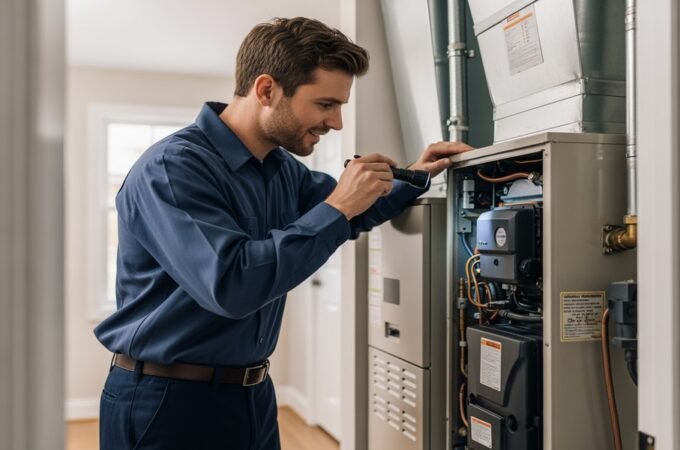
A comprehensive professional maintenance visit goes far beyond simply changing a filter. Our skilled technicians perform a thorough inspection and adjustment of your system’s critical components. This typically includes:
- Component Inspection: Checking all major parts for wear and tear, including belts, motors, and electrical connections.
- Cleaning Coils: Cleaning the evaporator and condenser coils to ensure optimal heat exchange and efficiency.
- Checking Refrigerant Levels:Verifying that refrigerant levels are correct for proper cooling performance.
- Testing Electrical Connections:Tightening loose connections and checking for any electrical hazards.
- Calibrating Thermostats: Ensuring your thermostat is accurately reading and controlling temperatures.
- Lubricating Moving Parts: Reducing friction and wear on mechanical components.
DIY Maintenance vs. Professional Expertise
While there are some basic maintenance tasks homeowners can perform, such as regularly changing air filters or clearing debris around outdoor units, many aspects of HVAC care require professional expertise. For complex issues, the expertise of professionals offering Lafayette Heating HVAC services is invaluable for ensuring system integrity and safety. Our indoor air quality specialists can provide detailed assessments and recommend custom solutions to improve your home’s environment and contribute to a healthier home overall. Attempting intricate repairs or diagnostics without proper training can lead to further damage, void warranties, or even pose safety risks.
Frequently Asked Questions about HVAC
How often should my HVAC system be serviced?
We generally recommend that your HVAC system be serviced twice a year: once in the spring for your cooling system and once in the fall for your heating system. This bi-annual maintenance schedule aligns with most manufacturer guidelines and ensures your system is prepared for the demands of each season. However, factors like your local climate and system usage might influence this recommendation, so always consult with a qualified technician.
What are the signs I might need an HVAC repair?
Several indicators suggest your HVAC system might be in need of repair. These include unusual noises coming from the unit (grinding, banging, squealing), weak or no airflow from your vents, inconsistent temperatures across different rooms, an unexpected and significant increase in your energy bills, or your system frequently turning on and off (short-cycling). If you notice any of these signs, it’s best to contact a professional promptly to diagnose and address the issue.
How long does a typical HVAC system last?
The average lifespan of an HVAC system varies depending on the type of equipment and how well it’s maintained. Furnaces typically last 15-20 years, while air conditioners often last 10-15 years. Regular, professional maintenance is the single most important factor in extending your system’s longevity. Other factors affecting lifespan include the quality of the original installation, the climate you live in, and the frequency of use.
Conclusion: Your Partner in Comfort and Health
In conclusion, modern HVAC systems are far more than just temperature regulators; they are integral to maintaining a healthy and comfortable indoor environment. From the foundational services of heating, cooling, and ventilation to the critical role they play in managing indoor air quality through advanced filtration and monitoring, HVAC systems are central to our daily lives. The importance of regular, proactive maintenance cannot be overstated, as it ensures system longevity, energy efficiency, and peace of mind. By understanding the complexities of your HVAC system and partnering with qualified professionals, you invest not just in your property, but in the long-term health and well-being of its occupants.