5 Design Priorities for Modern Luxury Landed House Interiors
Key Takeaways
- Anchor the home with a strong vertical focal point such as a stairwell or void.
- Plan indoor-outdoor continuity to expand usable living space.
- Use zoning elements like ceiling design and lighting to organise large open areas.
Introduction
Designing a landed property in Singapore demands a different approach from renovating an apartment. The floor area expands across multiple levels, ceilings rise higher, and the ground floor connects directly to the outdoor space. These conditions change how space feels and functions. Landed house interior design must organise volume, circulation, and light across a much larger footprint. Modern luxury interior design in Singapore focuses less on maximising compact layouts and more on organising generous spaces with clarity. A landed home needs clear priorities to prevent scale from overwhelming daily living. The following five design priorities guide that process.
1. Establish a Strong Architectural Focal Point
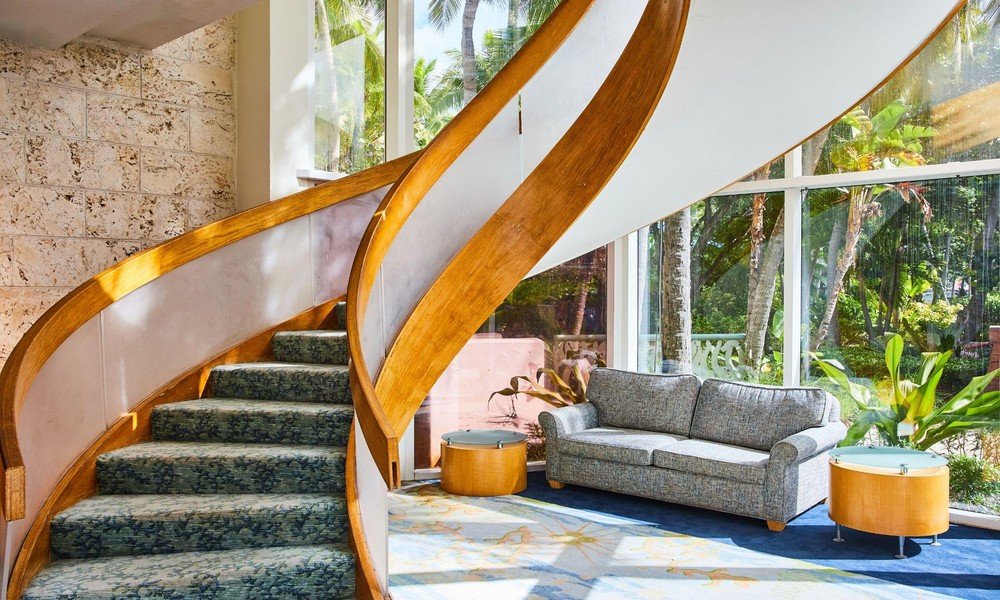
A landed house usually includes a stairwell, double-volume living area, or central void. This vertical space draws attention immediately when someone enters the home. Designers must treat this area as a structural anchor rather than an afterthought. A feature wall that extends across two floors can introduce texture and proportion. A sculptural lighting installation suspended within the void can define height and create balance.
This focal point supports circulation. When each level connects visually through consistent materials and lines, movement feels intentional. In bungalow interior design, the staircase often becomes the central design element. A well-detailed balustrade, integrated lighting along the steps, and carefully aligned wall finishes create continuity. The house feels cohesive because its vertical axis holds everything together.
2. Plan Direct Indoor-Outdoor Continuity
Ground-level access to gardens, patios, or pools changes how space operates. Landed house interior design should treat this connection as a daily feature, not a decorative backdrop. Large sliding glass panels or pivot doors open the living hall directly to the exterior. When designers align floor levels and select compatible materials for indoor and outdoor surfaces, movement between zones feels natural.
This continuity increases usable space. During gatherings, guests can flow between interior and exterior areas without obstruction. During quiet mornings, natural light reaches deeper into the house. In high-end residential design, landscaping and interior layout must work together. Plant placement, privacy screens, and covered terraces shape how the interior interacts with its surroundings. A deliberate transition between inside and outside defines modern luxury interior design Singapore projects for landed homes.
3. Define Functional Zones Within Large Layouts
Open-plan layouts often occupy most of the ground floor. Without clear zoning, these expansive areas feel scattered. Designers must organise activities through subtle architectural cues rather than solid walls. Ceiling treatments, floor inlays, and lighting layouts mark separate areas while maintaining openness.
For example, the formal dining area may sit beneath a lowered ceiling panel with recessed lighting, while the lounge area uses a larger chandelier to anchor seating. A fluted glass partition can separate a dry kitchen from the living space without blocking light. These measures guide how people use each space. In luxury home renovation projects, spatial hierarchy matters more than square footage. Each area must serve a purpose while remaining visually connected to the rest of the floor.
4. Build a Social-Centred Kitchen Core
In many landed homes, the kitchen drives daily activity. Families gather around the island, guests engage during meal preparation, and household routines move through this zone. Designers allocate generous circulation space around counters and appliances to prevent congestion. A wide island in natural stone or engineered material accommodates food preparation and casual seating.
Integrated cabinetry conceals storage and reduces visible clutter. Built-in appliances align with the cabinetry to maintain clean sightlines. Designers position a dry kitchen near the living hall to support entertaining, while a separate wet kitchen handles intensive cooking. This layout maintains order during busy periods. In modern luxury interior design projects, the kitchen shapes the social flow of the ground floor.
5. Design the Master Suite as a Self-Contained Retreat
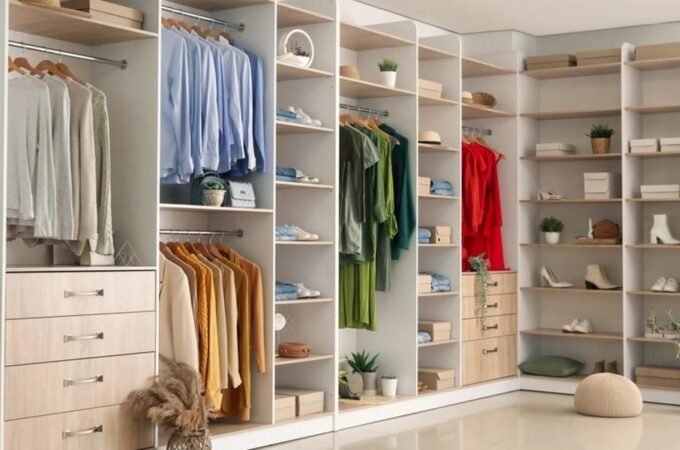
Upper floors in landed houses often host private bedrooms. The master suite deserves careful planning because it anchors the private zone of the house. Designers must allocate space for sleeping, dressing, and bathing without crowding any function. A walk-in wardrobe with structured storage keeps clothing organised and accessible. Glass-fronted cabinetry allows visibility while maintaining order.
The en-suite bathroom should balance durability with refinement. Stone surfaces, double vanities, and proper lighting around mirrors support daily routines. Adequate ventilation and concealed storage prevent moisture damage and clutter. In landed house interior design, the master suite operates as a retreat separate from public areas. Its layout and material selection must support rest, privacy, and long-term maintenance.
Conclusion
The interior design of a modern luxury landed home relies more on methodical planning than on extravagant decoration. Strong vertical anchors organise height and scale. Continuity between indoors and outdoors increases usable space. Large layouts are kept in order by zoning strategies. A well-planned kitchen facilitates everyday communication. Privacy is maintained in a master suite that is thoughtfully designed. A luxury house makeover that follows these five criteria strikes a balance between opulence and practicality.
To plan the interior design of your contemporary luxury landed home with clarity and purpose, get in touch with Jialux Interior.


Benjamin Ortiz is a digital marketing expert. He currently runs an SEO agency and a survival gear review blog.