What’s Hiding in Your Air Ducts? The Importance of Professional Cleaning for a Healthy Home
The Unseen Culprits: Pollutants and Allergens in Your Ductwork
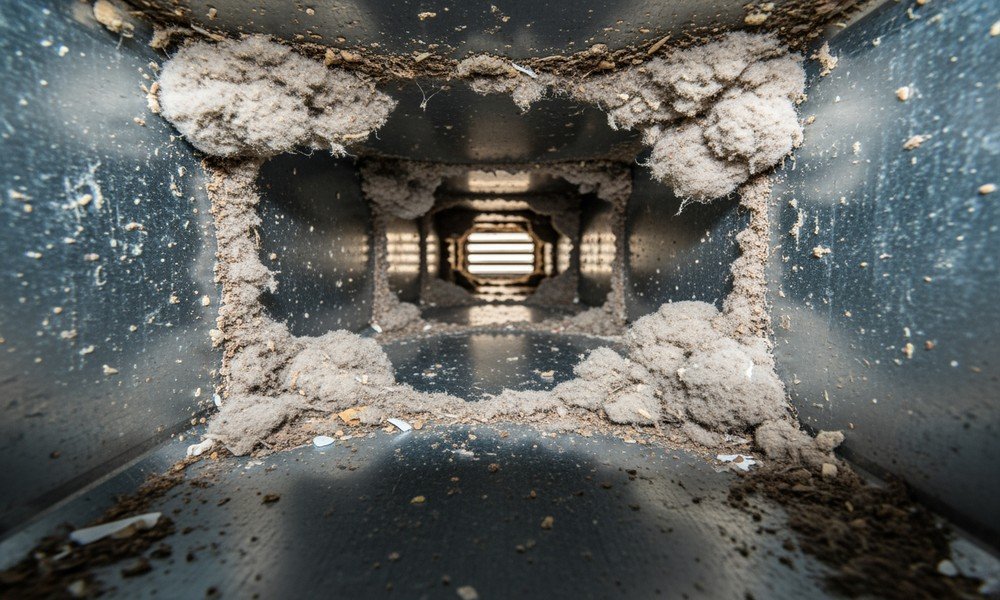
The air circulating through your home’s heating, ventilation, and air conditioning (HVAC) system is the air you and your family breathe every day. Unfortunately, your ductwork, designed to distribute this air, can also become a hidden reservoir for a surprising array of pollutants and allergens. These aren’t just benign dust bunnies; they are microscopic particles that can significantly impact health, especially for those prone to allergies or respiratory conditions. Seasonal allergies affect millions of people each year, and indoor air quality plays a major role, with HVAC systems circulating air and its unwanted passengers throughout your home.
Common Contaminants Lurking in Your Vents
Your ductwork can accumulate a diverse collection of airborne particles over time. Some of the most common culprits include:
- Dust Mites: Microscopic creatures that thrive in dusty environments, feeding on dead skin cells. Their waste products are potent allergens.
- Pet Dander: Tiny flakes of skin shed by pets, a common trigger for allergies and asthma. It’s easily circulated by HVAC systems.
- Mold Spores: When moisture is present in ductwork, mold can grow, releasing spores that can cause allergic reactions, respiratory issues, and even more severe health problems. For more on managing mold and moisture, consult Una Breve Guía para el Moho, la Humedad y su Hogar.
- Pollen: While often associated with the outdoors, pollen can easily enter your home through open windows or be tracked in on clothes and pets, eventually settling in your ducts. Pollen in air ducts is one of the most frequent offenders, as it accumulates with time and is recirculated when the system is switched on.
- Bacteria and Viruses: These microorganisms can also find their way into duct systems, potentially contributing to illness.
- Construction Debris: If your home has undergone renovations, fine dust, sawdust, and other construction materials can settle in the ducts.
- Volatile Organic Compounds (VOCs):Emitted from paints, cleaning products, furnishings, and other household items, VOCs can accumulate in the air and ducts, contributing to poor indoor air quality.
How Contaminated Ducts Impact Your Family’s Health and Indoor Air Quality
When your HVAC system kicks on, it doesn’t just push conditioned air; it can also stir up and distribute these accumulated pollutants and allergens throughout every room. For family members with allergies, this constant recirculation can lead to a range of uncomfortable and persistent symptoms. These include:
- Increased Allergy Symptoms:Persistent sneezing, runny nose, congestion, itchy or watery eyes, and skin rashes.
- Asthma Triggers: For individuals with asthma, airborne allergens and irritants can trigger attacks, leading to coughing, wheezing, and shortness of breath.
- Respiratory Issues: Beyond allergies and asthma, prolonged exposure to poor indoor air quality can contribute to general respiratory irritation, sore throats, and persistent coughs.
- Headaches and Fatigue: Some people report headaches, fatigue, and general malaise when indoor air quality is compromised.
- Unpleasant Odors: Musty or stale odors emanating from your vents can indicate mold growth or excessive dust buildup.
Poor indoor air quality can be a more serious concern than many people might expect, allowing dust, pollen, animal dander, and other airborne particulates to circulate freely throughout the home. This can affect comfort levels, interfere with the basic operation of HVAC equipment, and may even pose a health hazard for those who suffer from asthma, allergies, or other respiratory conditions. If family members are experiencing unusual or unexplained symptoms or illnesses that you think might be related to your home environment, you should discuss the situation with your doctor.
Is It Time for a Cleaning? Key Indicators and Professional Solutions
Recognizing when your ductwork needs professional attention is the first step toward a healthier home environment. While some signs are obvious, others might be subtle indicators that your HVAC system is circulating more than just air.
Telltale Signs Your Air Ducts Need Attention
Several clues can suggest that your ductwork is harboring significant contaminants and could benefit from professional cleaning:
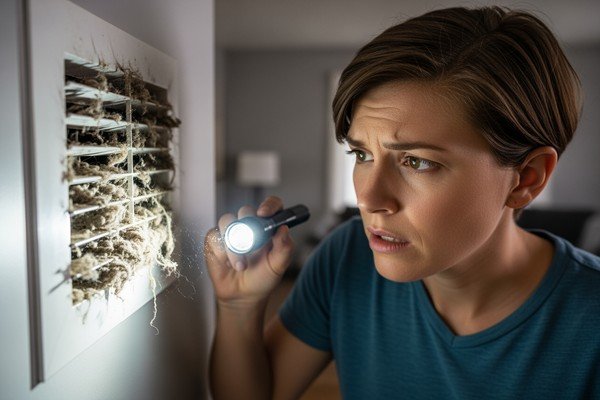
- Visible Mold Growth: If you can see mold inside your air vents or on other components of your heating and cooling system, it’s a strong indicator that cleaning is necessary. If insulated air ducts get wet or moldy, they cannot be effectively cleaned and should be removed and replaced.
- Pest Infestation: Evidence of rodents, insects, or other vermin in your ductwork (e.g., droppings, nesting materials) necessitates immediate professional intervention.
- Excessive Dust Buildup: While some dust is normal, if you notice an unusual amount of dust accumulating quickly on surfaces, or if you can see dust plumes coming from your supply registers, your ducts might be heavily contaminated.
- Musty or Stale Odors: Persistent unpleasant smells emanating from your vents when the HVAC system is running can indicate mold, mildew, or other biological growth within the ductwork.
- Unexplained Allergy Flare-ups: If family members are experiencing increased or unexplained allergy symptoms, asthma attacks, or other respiratory issues, especially when indoors, dirty ductwork could be a contributing factor. For a comprehensive guide on whether to clean your ducts, the EPA provides valuable insights in their document, Should I have the air ducts in my home cleaned?. This resource offers a detailed perspective on deciding if professional cleaning is right for your home.
A Look at Professional Duct Cleaning Services
When these signs appear, it’s time to consider expert services. Professional duct cleaning goes far beyond what a homeowner can achieve with a vacuum cleaner. These services employ specialized equipment and techniques to thoroughly remove contaminants from your entire HVAC system.
- Source Removal Method: The most effective and recommended method involves using high-powered vacuums and specialized tools to dislodge and extract contaminants directly from the ductwork.
- HEPA Vacuum Systems: Professionals use industrial-grade HEPA (High-Efficiency Particulate Air) filtered vacuums to ensure that dislodged particles are captured and not recirculated into your home’s air.
- High-Pressure Air Washing: This technique uses compressed air to blast away stubborn debris and dust from duct surfaces.
- Agitation Tools: Rotary brushes, air whips, and other specialized tools are used to loosen contaminants from the interior surfaces of the ducts.
- Antimicrobial Treatments: In cases of confirmed microbial growth (like mold), some professionals may apply EPA-registered antimicrobial chemicals to the cleaned surfaces to inhibit future growth. It’s crucial to ensure these are applied correctly and only to appropriate surfaces, as discussed in resources like the EPA’s guidance on Regulating Antimicrobial Pesticides.
- UV Light Installation: After cleaning, some services offer the installation of UV-C light systems within the HVAC unit, particularly near the evaporator coil, to continuously kill airborne bacteria, viruses, and mold spores.
The Professional Cleaning Process from Start to Finish
A thorough professional duct cleaning service typically follows a structured process to ensure maximum effectiveness and safety:
- System Inspection: Technicians begin with a visual inspection of your ductwork and HVAC components, often using specialized cameras, to assess the level of contamination and identify any specific issues like mold or damage.
- Protecting Home Furnishings: Before starting, technicians will take precautions to protect your home and furnishings from dust and debris, covering vents and surrounding areas.
- Creating Negative Pressure: A powerful, truck-mounted or portable HEPA-filtered vacuum system is connected to a central access point in your ductwork. This creates negative pressure, ensuring that all dislodged contaminants are pulled directly into the vacuum and not released into your home.
- Agitating Duct Surfaces: While the vacuum runs, technicians use agitation tools (such as rotary brushes, air whips, or specialized nozzles) to dislodge contaminants from the interior surfaces of the supply and return ducts. They work systematically through each duct run.
- Cleaning All HVAC Components:Beyond just the ducts, a comprehensive cleaning includes other critical components of your HVAC system, such as the furnace/air handler, evaporator coil, drain pan, and blower motor. Cleaning these parts is essential for overall system hygiene and efficiency.
- Sealing Access Points: Once cleaning is complete, any access points created for the process are properly sealed with airtight covers to prevent air leaks and maintain system integrity.
- Post-Cleaning Inspection: Many reputable companies will conduct a final visual inspection, sometimes with cameras, to demonstrate the cleanliness of the ductwork.
The Benefits of Professional Duct Cleaning for Your Home’s Indoor Air Quality
Investing in professional duct cleaning offers a multitude of benefits, particularly for households battling allergies and striving for optimal indoor air quality. It’s a proactive step that can transform your living environment.
Enhancing Your Home’s Indoor Air Quality for Allergy Relief
The most immediate and significant benefit of professional duct cleaning for allergy sufferers is the dramatic improvement in indoor air quality. By removing accumulated dust, pollen, pet dander, mold spores, and other allergens, the amount of airborne irritants circulating in your home is substantially reduced.
- Reduced Airborne Particulates: Less dust and fewer allergens mean less irritation for sensitive respiratory systems. This can lead to a noticeable decrease in symptoms like sneezing, coughing, and itchy eyes.
- Allergen Removal: Professional cleaning targets the very sources of your family’s discomfort, effectively removing the allergens that trigger reactions.
- Fresher Air: Eliminating mold and mildew from the ductwork can also remove unpleasant, musty odors, leaving your home smelling cleaner and fresher.
- Healthier Living Environment: Overall, a cleaner duct system contributes to a healthier living space and expert indoor air quality, especially important for children, the elderly, and anyone with compromised immune systems. Professional air duct cleaning offers several health and comfort benefits that extend beyond just allergy relief.
Improving HVAC System Efficiency and Longevity
Beyond health benefits, a clean duct system also contributes to the optimal performance and lifespan of your HVAC unit.
- Unrestricted Airflow: Blockages and heavy dust buildup in ducts can restrict airflow, forcing your HVAC system to work harder to push air through. Cleaning removes these obstructions, allowing air to flow freely.
- Reduced Strain on System: When your HVAC system doesn’t have to work as hard, it experiences less wear and tear on its components, potentially reducing the need for costly repairs.
- Potential Energy Savings: An efficiently running HVAC system consumes less energy. While the EPA notes that the energy savings from duct cleaning alone are not definitively proven, cleaning the coils and other components can improve efficiency. For more information on energy efficiency, refer to the EPA’s Energy Star website.
- Longer Equipment Lifespan: By reducing strain and improving efficiency, professional cleaning can contribute to extending the operational life of your entire HVAC system.
Maintaining Cleaner Air: Best Practices for Homeowners
While professional duct cleaning is a powerful tool for allergy relief and indoor air quality improvement, it’s part of a broader strategy. Homeowners play a crucial role in maintaining clean air through professional services and making informed choices about who they hire.
How to Choose a Reputable Duct Cleaning Service
Selecting the right professional is paramount to ensure effective and safe cleaning. Not all duct cleaning services are created equal, and some may employ questionable practices.
- NADCA Membership: Look for companies that are members of the National Air Duct Cleaners Association (NADCA). NADCA members adhere to strict standards for HVAC system cleaning, inspection, and restoration. They also require their lead technicians to be certified Air System Cleaning Specialists (ASCS). You can easily find a NADCA professional duct cleaner near you on their website.
- Proper Insurance: Ensure the company is fully licensed and insured to protect yourself from liability in case of accidents or damage.
- Industry Experience: Choose a company with a proven track record and positive customer reviews.
- Adherence to Standards: A reputable company will follow NADCA’s standards and, if your ducts are constructed of fiberglass duct board or insulated internally with fiberglass duct liner, they should also adhere to the North American Insulation Manufacturers Association’s (NAIMA) recommendations. You can learn more about these guidelines on the NAIMA Member Company Listing page.
- Transparency: A trustworthy service provider will be transparent about their process, provide a detailed estimate, and be able to show you the contamination before and after cleaning. Be wary of companies offering extremely low prices or making unsubstantiated health claims. For general consumer protection, refer to your State Consumer Protection Offices.
Recommended Cleaning Frequency and DIY Maintenance
While professional cleaning is essential, regular maintenance can significantly extend its benefits and keep your indoor air quality high.
- Professional Cleaning (3-5 years):Generally, ductwork should be professionally cleaned every three to five years. However, if you have severe allergies, pets, or live in a dusty or high-pollen area, more frequent cleaning might be beneficial.
- Regular Filter Changes: This is perhaps the simplest yet most effective DIY method. Replace your HVAC air filters every 1-3 months, or more frequently if you have pets or allergies. Use high-efficiency filters (MERV 8 or higher) to capture smaller particles.
- Vacuuming Registers: Regularly vacuum your air return and supply registers to prevent dust from accumulating and being drawn into the ductwork.
- Maintaining Home Humidity: Keep indoor humidity levels between 30-50% to discourage the growth of mold and dust mites. A dehumidifier can be helpful in humid climates.
- Seal Leaks: Inspect your ductwork for leaks and seal them with mastic sealant or metal-backed tape. Leaky ducts can draw in unconditioned, dusty air from attics, crawl spaces, or basements.
- Regular Cleaning: Dust and vacuum your home frequently with a HEPA-filtered vacuum cleaner to reduce the overall allergen load.
Frequently Asked Questions about Air Duct Cleaning
We often encounter common questions from homeowners concerned about their family’s allergies and the role of duct cleaning. Here are some expert answers to help clarify the process.
How often should ductwork be professionally cleaned to manage allergies?
While there’s no universal “one-size-fits-all” answer, the general recommendation for professional duct cleaning is every 3 to 5 years. However, for households with severe allergies, asthma sufferers, pets, or those living in dusty environments or areas with high pollen counts, more frequent cleaning-perhaps every 1-2 years-might be beneficial. Factors like recent home renovations, water damage, or new occupants with sensitivities can also warrant more frequent service. The key is to monitor your family’s symptoms and the visible condition of your vents and air quality.
Can duct cleaning completely remove all allergens from a home?
Professional duct cleaning can significantly reduce the concentration of allergens like dust, pollen, pet dander, and mold spores circulating through your HVAC system. It targets the accumulated debris within the ductwork, which is a major source of indoor allergens. However, it’s important to understand that no single intervention can completely eliminate all allergens from a home. A comprehensive approach, combining professional duct cleaning with regular housekeeping, using high-efficiency air filters (MERV 8+), maintaining proper humidity levels, and controlling other indoor allergen sources (like pet dander on furniture), offers the best results for allergy relief.
Are there any risks associated with improper duct cleaning?
Yes, improper duct cleaning can pose several risks. If performed by inexperienced technicians or with inadequate equipment, it can:
- Damage Ductwork: Aggressive or incorrect cleaning methods can damage flexible ducts, fiberglass liners, or even sheet metal, leading to costly repairs and air leaks.
- Release More Dust and Allergens:Without proper negative pressure and HEPA filtration, dislodged contaminants can be blown back into your living space, worsening indoor air quality rather than improving it.
- Use of Unapproved Chemicals: The application of inappropriate or excessive biocides and sealants can introduce new chemical pollutants into your home’s air. The EPA and NADCA generally advise against the routine use of these chemicals. For a detailed perspective on this, refer to the DOHS Fact Sheet on HVAC Duct Cleaning, which provides cautious guidance.
- Ineffective Cleaning: A superficial cleaning that doesn’t address the entire HVAC system or thoroughly remove contaminants offers little benefit and can be a waste of money.
This is why choosing a certified and reputable professional is crucial. Organizations like the National Air Duct Cleaners Association (NADCA) set industry standards and certify technicians, ensuring they follow best practices to protect your home and health.
Conclusion
When your family’s allergies are making home life difficult, looking into your home’s ductwork is a crucial step toward finding relief. Pollutants and allergens can accumulate unseen, constantly recirculating and exacerbating symptoms. By understanding the common contaminants, recognizing the signs of dirty ducts, and opting for professional cleaning services, you can significantly improve your indoor air quality.
The benefits extend beyond allergy relief, contributing to improved HVAC efficiency and a healthier, more comfortable living environment for everyone. Empower yourself with knowledge, choose reputable professionals, and integrate regular maintenance into your home care routine. Prioritizing clean air is an investment in your family’s well-being, paving the way for a healthier, sneeze-free home.