The Future of Property Security: Leveraging Mobile Surveillance and AI
What Are Mobile Surveillance Systems?
At its core, a mobile surveillance system represents a significant evolution from traditional, static CCTV setups. Imagine a robust, self-contained security unit that can be rapidly deployed wherever and whenever needed, offering immediate, comprehensive coverage. These systems are designed for ultimate flexibility, often incorporating their own power sources, such as solar panels and high-capacity battery backups, making them ideal for areas lacking established infrastructure. From securing sprawling construction sites to monitoring remote energy facilities or expanding security for temporary events, their adaptability is best.
These units are more than just cameras on wheels; they are sophisticated security hubs. They are engineered to provide property security in challenging environments, whether in busy urban centers or isolated remote locations. The ability to quickly relocate and activate surveillance significantly reduces vulnerabilities that fixed systems might leave open.
Defining the Next Generation of Watchtowers
The defining characteristic of these systems is their portability and flexibility. Unlike permanent installations that require extensive cabling and infrastructure, mobile surveillance units can be set up and operational in minutes. This makes them perfect for temporary surveillance needs, such as event security, construction site monitoring, or disaster response. However, their robust design and advanced features also make them highly effective for long-term monitoring, offering a cost-effective alternative to human guards in many scenarios, acting as a force multiplier for existing security teams.
Their inherent mobility means that security can be adapted to changing threats or site layouts. A unit can cover a new entry point overnight or be moved to a different section of a large property as construction progresses. This dynamic capability ensures continuous, relevant protection.
Core Components of Modern Mobile Surveillance Systems
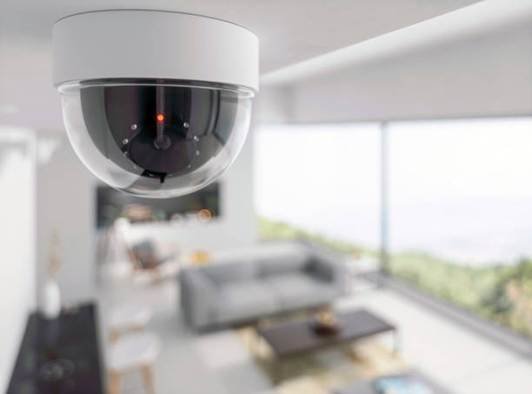
Modern mobile surveillance systems are equipped with an impressive array of technologies designed for optimal performance and reliability. At the heart of these systems are high-definition cameras, often including Pan-Tilt-Zoom (PTZ) capabilities, allowing operators to remotely adjust the camera’s view to focus on specific areas of interest. Thermal imaging cameras and advanced IR night vision ensure clear visibility even in complete darkness or adverse weather conditions, extending surveillance capabilities around the clock.
Two-way audio functionality is another critical component, enabling operators to communicate directly with individuals on site-whether to provide instructions, deter intruders with a verbal warning, or engage in active defense. Onboard storage, typically in the form of robust NVRs (Network Video Recorders) or DVRs (Digital Video Recorders), ensures that footage is continuously recorded, even if network connectivity is temporarily lost.
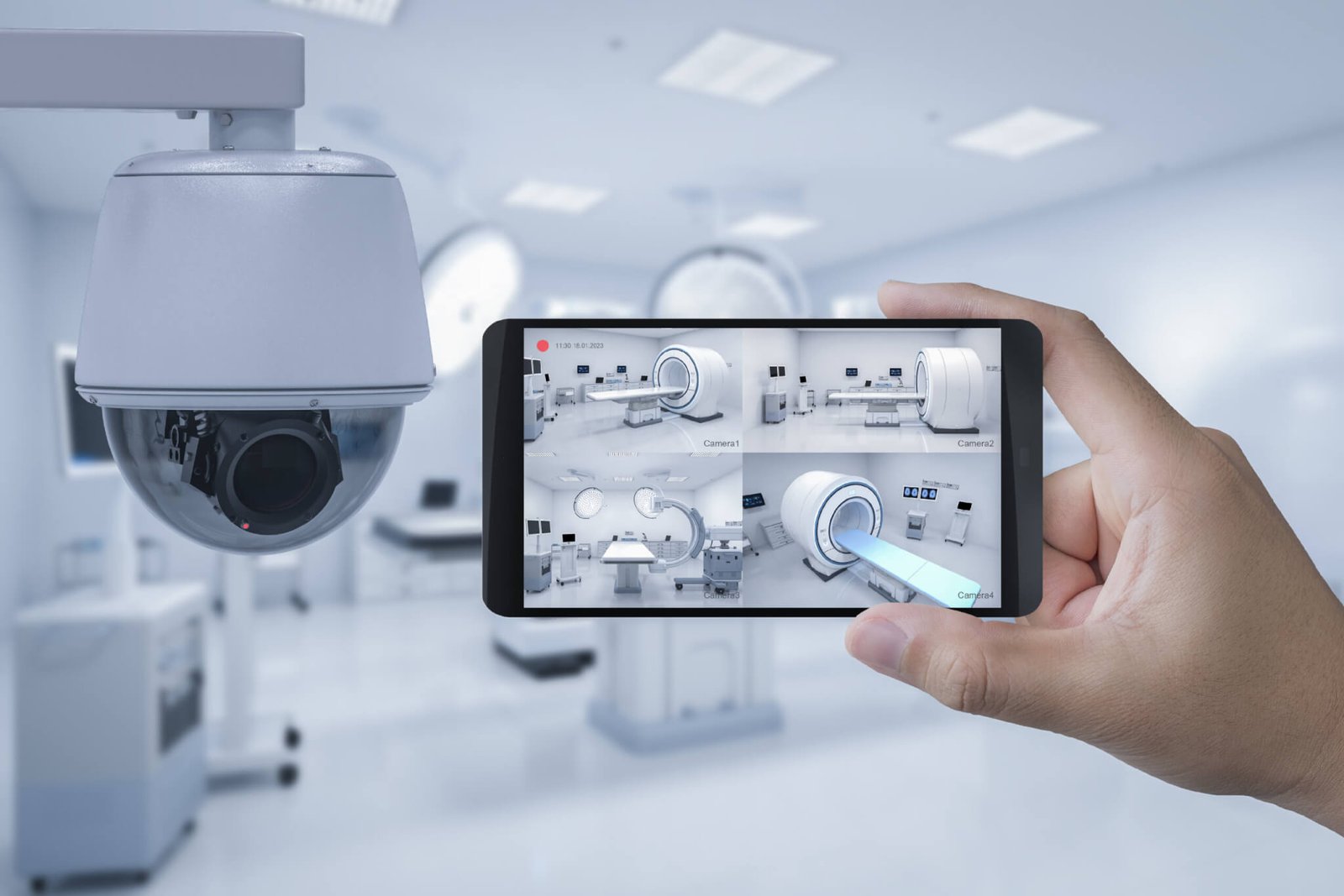
For remote accessibility, these systems rely heavily on cellular connectivity (4G or 5G) to transmit live feeds and alerts to a central monitoring station or, more commonly, directly to a smartphone. In extremely remote areas, satellite fallback options can provide an additional layer of reliability, ensuring continuous communication. This seamless integration, often referred to as a Mobile surveillance phone connection, allows for real-time monitoring from virtually anywhere, giving stakeholders unparalleled peace of mind and control.
Cloud storage options further improve data security and accessibility, providing off-site backups and facilitating easy retrieval of footage. This combination of advanced hardware, robust connectivity, and intelligent software forms the backbone of a truly adaptive and powerful security solution.
The Rise of Intelligent Mobile Surveillance Systems
The true innovation in modern security lies not just in mobility, but in intelligence. Traditional CCTV systems, even with phone connections, often functioned as passive recorders. They captured events, but the analysis and response were largely human-driven. Today, however, AI-powered mobile surveillance systems are changing this paradigm, moving from reactive observation to proactive intervention.
Imagine a user on a tablet viewing a security feed where AI-highlighted objects and activity zones instantly draw attention to potential threats. This is the reality now. These intelligent systems leverage advanced algorithms to analyze video streams in real-time, drastically reducing false alarms and providing highly accurate, data-driven insights. This shift allows security personnel to focus on genuine threats rather than sifting through hours of uneventful footage.
From Passive Recording to Proactive Deterrence
One of the most significant advancements is the transition from passive recording to active, proactive deterrence. When an intelligent system detects suspicious activity, it doesn’t just send an alert; it can initiate a response. This active defense often includes:
- Strobe lights: Flashing bright lights to disorient and draw attention to an intruder.
- Audible sirens: Loud alarms designed to startle and deter.
- Pre-recorded audio challenges:Automated messages like “You are being recorded, please vacate the premises” played through integrated speakers.
- Live audio communication: Operators can speak directly through the camera’s speaker, providing personalized warnings or instructions.
These immediate, on-site deterrents can often prevent incidents from escalating, turning a potential crime into a mere attempt. This capability is a game-changer, moving security from simply documenting crime to actively preventing it.
Advanced Analytics: Beyond Simple Motion Detection
The intelligence embedded in these systems goes far beyond basic motion detection, which often triggers false alarms from animals or environmental factors. Advanced analytics, powered by AI, enables sophisticated detection capabilities:
- AI-powered detection: Differentiating between humans, vehicles, and animals.
- Human detection: Specifically identifying human forms to trigger alerts.
- Vehicle detection: Recognizing different types of vehicles and their movements.
- Behavior analysis: Detecting unusual patterns like loitering, trespassing in restricted zones, or objects being left behind.
- Forensic search: Rapidly sifting through vast amounts of recorded footage using specific criteria (e.g., “person in red jacket,” “white truck entering at 3 PM yesterday”). This natural language search capability dramatically speeds up investigations.
Here are some common AI-driven alerts that modern mobile surveillance systems can generate:
- Intrusion Detection: Someone entering a defined security zone.
- Line Crossing: An object or person crossing a virtual line.
- Loitering Detection: A person remaining in an area for an unusual duration.
- Object Left/Removed: An object appearing or disappearing from a scene.
- Face Detection/Recognition:Identifying specific individuals (with appropriate privacy considerations).
- Crowd Detection: Identifying unusually large gatherings or density.
- License Plate Recognition (LPR):Reading vehicle license plates for access control or tracking.
- Audio Anomaly Detection:Recognizing unusual sounds like glass breaking, gunshots, or screams.
These intelligent features not only improve security but also provide valuable operational insights, helping businesses and property owners understand patterns and optimize their security strategies.
Real-World Impact Across Industries
The deployment of intelligent mobile surveillance systems has yielded impressive results across a variety of sectors, demonstrating their effectiveness in crime reduction, improved situational awareness, and improved operational efficiency. Statistics consistently show significant decreases in various types of criminal activity where these systems are implemented. For instance, some reports indicate a 43% decrease in trespassing, a 40% reduction in shoplifting, and even a 70% drop in parking lot incidents. These numbers underscore the transformative power of proactive, AI-driven security.
From protecting valuable assets to ensuring public safety, these systems offer versatile solutions that adapt to unique industry challenges.
Securing Construction and Industrial Sites
Construction sites and industrial facilities are particularly vulnerable to theft, vandalism, and unauthorized access, especially during off-hours. Traditional security measures can be costly and difficult to scale. Mobile surveillance units offer a flexible and robust solution:
- Asset Protection: High-definition cameras with night vision and AI detection capabilities monitor expensive equipment and materials, significantly reducing losses due to theft.
- Material Theft Prevention: AI can detect individuals attempting to remove materials, triggering alarms and enabling immediate intervention.
- Trespassing Deterrence: Active defense features like sirens and spotlights deter unauthorized entry, while two-way audio allows security personnel to issue warnings.
- Site Safety Monitoring: Beyond security, these systems can monitor safety protocols, ensuring compliance and reducing accidents.
- After-Hours Security: Providing continuous surveillance when sites are otherwise unoccupied, acting as a vigilant digital guard.
These units are particularly effective for Warehouse Security Systems, where large perimeters and valuable inventory require constant, adaptable monitoring. Their mobility means they can be repositioned as site layouts change, offering dynamic protection.
Enhancing Public Safety and Event Management
In public spaces and during large events, managing crowds, ensuring safety, and responding to incidents quickly are paramount. Mobile surveillance systems provide a critical layer of security:
- Law Enforcement Mobile Surveillance Systems: These units serve as force multipliers for police departments, providing temporary or permanent surveillance in high-crime areas, during investigations, or at public gatherings.
- Crowd Monitoring: AI can analyze crowd density and movement, identifying potential bottlenecks or unusual behavior that could indicate a safety risk.
- Traffic Management: Monitoring traffic flow, identifying congestion, and assisting with accident response during events or in busy urban areas.
- Disaster Response: Rapid deployment to affected areas provides critical situational awareness for first responders and helps manage humanitarian efforts.
- Securing Public Spaces: Parks, transit centers, and other communal areas benefit from flexible surveillance that can be moved to address specific concerns or seasonal needs. For example, a unit could monitor a park entrance during busy summer months and then be relocated to a transit hub during winter.
These systems empower authorities and event organizers with real-time intelligence, enabling faster response times and more effective resource allocation, ultimately leading to safer communities and more secure events.
Implementation and Best Practices
Successfully integrating mobile surveillance into a security strategy requires careful planning and adherence to best practices. It’s not simply about deploying a camera; it’s about optimizing its placement, ensuring reliable connectivity, and managing the vast amounts of data it generates.
A thorough site assessment is the first crucial step. This involves identifying key vulnerabilities, high-traffic areas, and potential blind spots. Strategic placement of the mobile unit is paramount to maximize coverage and effectiveness. Considerations include line of sight, potential obstructions, and proximity to areas of concern. Connectivity considerations are equally vital; while these systems are designed for remote operation, understanding local cellular signal strength or the availability of satellite access is critical for uninterrupted monitoring. Finally, a robust data management strategy, encompassing storage, retrieval, and analysis, is essential to leverage the system’s full potential.
Choosing the Right System for Your Needs
With a growing market of mobile surveillance solutions, selecting the appropriate system involves evaluating several key factors:
- Scalability: Can the system easily expand to include more units or integrate with existing security infrastructure? This is particularly important for organizations managing multiple properties or those with evolving security needs. Multi-Location Security Solutions often benefit from systems designed with scalability in mind, allowing for centralized management of numerous units across disparate locations.
- Power Autonomy: For off-grid or remote deployments, the system’s ability to operate independently for extended periods using solar power and battery backup is critical.
- Camera Stack Requirements: What types of cameras are needed? High-resolution PTZ, thermal, or specialized cameras will depend on the specific surveillance objectives and environmental conditions.
- Analytics Features: The depth and accuracy of AI-powered analytics (e.g., human/vehicle detection, behavior analysis) will dictate the system’s ability to provide proactive security and reduce false alarms.
- Environmental Durability: Units deployed outdoors must be built to withstand harsh weather conditions, including extreme temperatures, rain, and wind.
Understanding these factors will guide you toward a system that offers the optimal balance of features, performance, and cost-effectiveness for your unique security challenges.
Ensuring Data Security and Privacy
Connecting CCTV cameras to mobile phones and cloud services introduces new considerations for data security and privacy. Protecting sensitive video footage and personal data is paramount:
- End-to-End Encryption: Ensure that all data transmitted between the camera, cloud, and mobile device is encrypted, preventing unauthorized interception.
- Secure Cloud Access: Choose providers that offer robust cloud security measures, including strong authentication protocols and regular security audits.
- Two-Factor Authentication (2FA):Implement 2FA for all user accounts accessing the surveillance system, adding an extra layer of security against unauthorized login attempts.
- Network Security: Use strong, unique passwords for all network devices and regularly update firmware to patch known vulnerabilities. For systems using cellular connections, ensure the provider has robust network security protocols.
- User Access Controls: Implement granular access controls, ensuring that only authorized personnel can view specific camera feeds or access certain features.
- Privacy Zones: Use features that allow you to mask or blur sensitive areas within the camera’s field of view, respecting privacy while maintaining security.
Adhering to these best practices helps safeguard your surveillance data from cyber threats and ensures compliance with privacy regulations.
Frequently Asked Questions about Mobile Surveillance
As businesses and individuals increasingly adopt advanced security solutions, several common questions arise regarding the functionality and benefits of mobile surveillance systems.
How do mobile surveillance units work without a wired internet connection?
Mobile surveillance units are engineered for maximum autonomy and flexibility, making them highly effective in locations where traditional wired internet is unavailable or impractical. They achieve this primarily through:
- Cellular Networks (4G/5G): The most common method involves integrating a cellular modem and a SIM card into the unit. This allows the system to transmit live video feeds, receive commands, and send alerts over the same mobile networks that smartphones use.
- Satellite Connectivity: For extremely remote areas with no cellular coverage, some advanced units offer satellite connectivity as a primary or fallback option, ensuring continuous communication regardless of location.
- Local Processing and Onboard Storage: Many systems perform initial video processing (like AI analytics) directly on the unit. They also come equipped with substantial onboard storage (e.g., NVRs with large hard drives) to record footage locally. This means that even if the network connection is temporarily interrupted, recording continues without a break.
- Independent Operation: These units are designed to be self-sufficient, managing their own power and data, allowing them to operate effectively without reliance on existing site infrastructure.
Can these systems operate completely off-grid?
Yes, many modern mobile surveillance systems are designed for complete off-grid operation, providing 24/7 uptime even in the most isolated environments. This capability is achieved through a combination of:
- Solar Panels: High-efficiency solar panels are integrated into the unit, continuously charging internal batteries during daylight hours.
- High-Capacity Batteries: Robust battery banks store enough power to run the system through the night and during periods of low sunlight.
- Smart Power Management: Intelligent systems monitor power consumption and battery levels, optimizing energy use and prioritizing critical functions.
- Backup Generators: For prolonged periods of adverse weather or extended off-grid deployment, some units can be equipped with smart backup generators (e.g., fuel cells or small diesel generators) that automatically kick in when battery levels are low, ensuring uninterrupted operation.
This combination ensures that the surveillance system remains operational around the clock, providing consistent security without external power sources.
What is the primary benefit of AI in these systems?
The primary benefit of integrating Artificial Intelligence into mobile surveillance systems is its ability to transform security from a reactive process into a proactive, intelligent defense mechanism. Specifically, AI:
- Reduces False Alarms: By accurately distinguishing between humans, vehicles, and environmental factors (like animals or swaying branches), AI drastically cuts down on irrelevant alerts, allowing security personnel to focus on genuine threats.
- Enables Proactive Alerts: AI can detect suspicious behaviors or intrusions in real-time, triggering immediate alerts to mobile devices or monitoring centers, facilitating rapid response.
- Speeds Up Investigations: With features like natural language forensic search, AI allows users to quickly locate specific events or individuals within vast amounts of footage, significantly reducing the time and effort required for post-incident analysis.
- Provides Intelligent Deterrence: AI can activate active defense mechanisms (sirens, strobes, two-way audio) only when a legitimate threat is detected, making the deterrence more effective and targeted.
- Offers Data-Driven Insights: Beyond immediate security, AI can analyze patterns over time, helping property owners understand common vulnerabilities, peak activity times, and optimize their overall security strategy.
AI Powered Video Surveillance makes surveillance systems smarter, more efficient, and ultimately, more effective at preventing crime and enhancing safety.
Conclusion
The landscape of property security is undergoing a profound change. The future of security is not just about recording events, but actively preventing them. Mobile surveillance systems, powered by AI and robust connectivity, represent a significant leap forward, offering adaptable, intelligent, and effective protection for a diverse range of applications.
From securing remote construction sites and vast industrial complexes to enhancing public safety at events and in urban areas, these advanced units provide unparalleled flexibility and proactive deterrence. By leveraging sophisticated AI analytics, self-sufficient power solutions, and seamless mobile connectivity, organizations can achieve a level of security that traditional CCTV systems simply cannot match.
The ability to monitor, analyze, and respond in real-time from anywhere via a smartphone empowers property owners and security teams with unprecedented control and peace of mind. By embracing these intelligent technologies, we can stay one step ahead of evolving threats, ensuring the safety of our assets, people, and properties in an increasingly complex world.