
Maintaining Essential Year-Round Home Comfort
Selecting the Right Heating System for Year-Round Home Comfort
Choosing the ideal heating system is paramount for any homeowner, especially in Adel, where the climate demands robust and efficient solutions. While furnaces are common, boilers offer a distinct type of warmth and efficiency that many homeowners find appealing. Understanding the various types available is the first step toward securing optimal comfort for your home.
Boilers operate by heating water, which is then circulated through pipes to radiators, baseboard heaters, or radiant floor systems, providing a consistent, even warmth. This hydronic heating method is known for its comfort and quiet operation.
Comparing Combi and System Boilers
For many homes in Adel, IA, two primary types of boilers often stand out: combi (combination) boilers and system boilers.
- Combi Boilers: These units are highly popular due to their compact, space-saving design. They heat water on demand for both central heating and domestic hot water, eliminating the need for a separate hot water cylinder or cold water tank. This makes them an excellent choice for smaller homes or those with limited space. Combi boilers are known for their high efficiency, with some models boasting efficiency rates up to 98%. However, their on-demand nature means they might struggle to provide hot water to multiple taps simultaneously, which is a consideration for multi-bathroom households.
- System Boilers: Unlike combi boilers, system boilers require a separate hot water storage cylinder. They heat water for the central heating system directly and also heat water that is stored in the cylinder for domestic use. This design makes them well-suited for larger homes with multiple bathrooms where there’s a higher demand for hot water at the same time. System boilers are often easier to install than conventional boilers as many components are built into the unit itself.
- Conventional (Regular) Boilers: Also known as heat-only boilers, these systems typically require both a hot water cylinder and a cold water storage tank in the attic. They are often found in older homes and are suitable if you’re replacing an existing conventional system, as the pipework is already in place. They can also be a good option for homes with multiple bathrooms, as the stored hot water can meet higher demands.
The choice between these types depends heavily on your home’s size, hot water demands, and existing plumbing infrastructure. For homes seeking reliable, efficient heating that keeps them comfortable throughout the colder months, exploring these boiler options is key to achieving Adel IA year-round comfort.
Benefits of Hydronic Heating in Central Iowa
The unique characteristics of hydronic heating systems offer several advantages, particularly in a climate like Central Iowa’s:
- Radiant Warmth: Boilers provide a gentle, radiant heat that warms objects and surfaces, creating a more comfortable and less dry indoor environment compared to forced-air systems. This warmth penetrates deeper, eliminating cold spots and maintaining consistent temperatures throughout your home.
- Consistent Temperatures: Because water retains heat longer than air, hydronic systems deliver a steady heat output, preventing the temperature fluctuations often associated with other heating methods.
- Improved Indoor Air Quality: Without the need to blow air through ducts, boiler systems do not circulate dust, allergens, and other airborne particles, contributing to better indoor air quality. This can be a significant benefit for individuals with allergies or respiratory sensitivities.
- Reduced Allergens: The absence of forced air movement means fewer airborne irritants, creating a healthier living space.
- Quiet Operation: Boilers operate very quietly, as there’s no noisy fan or air rushing through vents. The only sound you might hear is the gentle hum of the boiler itself or the quiet flow of water.
By understanding these benefits and the different boiler types, Adel homeowners can make an informed decision that enhances their home’s comfort and efficiency for years to come.
Key Considerations for Boiler Installation in Adel
When planning a boiler installation in Adel, several critical factors come into play beyond just the type of boiler. These considerations ensure that your new system is not only effective but also compliant with local standards and optimized for long-term performance and efficiency.
Fuel Sources and Efficiency
The choice of fuel source is a foundational decision, largely influenced by availability and cost in your area.
- Natural Gas: This is often the most common and cost-effective fuel source for boilers in many parts of Adel, IA, assuming a natural gas line is accessible to your property. Natural gas boilers are highly efficient and produce fewer emissions than some other fossil fuels.
- Propane: For homes without access to natural gas lines, propane is a viable alternative. It’s stored in a tank on your property and can also provide efficient heating.
- Electric Boilers: While electric boilers offer 99-100% efficiency at the point of use (meaning nearly all electricity is converted to heat), electricity costs can be higher than natural gas or propane, making them potentially more expensive to operate, especially for larger homes or those with high heating demands. They are often chosen where gas lines are unavailable and propane isn’t preferred.
- AFUE Ratings: The Annual Fuel Utilization Efficiency (AFUE) rating measures how efficiently a boiler converts fuel into heat over a year. Modern, high-efficiency boilers typically have AFUE ratings of 90% or higher, meaning 90 cents of every dollar spent on fuel goes towards heating your home, with only 10 cents lost through the exhaust. Upgrading to a new, highly efficient boiler can lead to significant energy savings.
Local Regulations and Venting Requirements
Adel, like any municipality, has specific local building codes and regulations that govern boiler installations. These codes are in place to ensure safety and proper operation.
- Permits and Inspections: You will likely need a permit for a new boiler installation, and the work will need to pass inspection by local authorities. A licensed installer will be familiar with these requirements.
- Venting: Boilers require proper venting to safely exhaust combustion byproducts. The type of boiler (e.g., conventional, high-efficiency condensing) dictates the venting requirements, which can range from traditional chimneys to modern PVC piping for condensing units. Ensuring correct venting is critical for safety and system efficiency.
- Climate Considerations: Adel’s climate, characterized by cold winters, means that the heating capacity of your boiler is paramount. Local regulations might also influence insulation standards, which indirectly affect your boiler’s performance.
Here’s a general comparison of boiler fuel types and their typical efficiency considerations:
Boiler Fuel Type Typical Efficiency Range (AFUE) Availability in Adel, IA Environmental Impact Natural Gas 80-98% Common (where lines exist) Moderate Propane 80-95% Common (tank required) Moderate Electric 99-100% Widely available Low (at point of use) Determining the Correct Size for Year-Round Home Comfort
Proper boiler sizing is crucial. An undersized boiler won’t adequately heat your home, while an oversized one will cycle on and off too frequently (short-cycling), leading to inefficiency, increased wear and tear, and higher energy bills.
- Heating Load Calculation: A professional HVAC technician will perform a detailed heat loss calculation for your home. This considers factors such as:
- Square Footage: The total heated area of your home.
- Insulation Levels: Wall, attic, and window insulation significantly impact heat loss.
- Window and Door Quality: Energy-efficient windows and doors reduce heat transfer.
- Climate: Adel’s specific winter temperatures are factored in.
- Number of Radiators: The size and number of heat emitters.
- Bedroom Numbers and Bathroom Demand: These influence hot water requirements, especially for combi boilers.
- Kilowatt Requirements: Boilers are rated in kilowatts (kW) or BTUs per hour (British Thermal Units). Based on the heat loss calculation, the technician will determine the appropriate kW output needed for your home’s central heating and domestic hot water. As a general guideline, a 1-2 bedroom home might need 18-27kW, a 3-4 bedroom home 28-34kW, and larger homes with 5+ bedrooms 35-43kW, but these are estimates and a professional assessment is vital.
Efficiency Ratings and Environmental Impact
Modern boilers are designed with energy efficiency in mind, which translates to both cost savings and a reduced environmental footprint.
- Condensing Technology: Most new high-efficiency boilers are condensing boilers. They capture heat from the exhaust gases that would otherwise be lost up the flue, using it to pre-heat the water returning to the boiler. This technology significantly boosts efficiency, often reaching 90% or more.
- Energy Conservation: Upgrading to a high-efficiency boiler is one of the most effective ways to conserve energy in your home. This directly impacts your utility bills and contributes to broader energy conservation efforts.
- Carbon Footprint: By consuming less fuel to produce the same amount of heat, efficient boilers reduce the emission of greenhouse gases, lowering your home’s carbon footprint.
- Long-Term Performance: High-efficiency models are often built with advanced components designed for durability and consistent performance over their lifespan, maximizing your return on investment.
Considering these factors carefully will ensure your boiler installation in Adel is a sound investment, providing reliable and efficient heating for many years.
Recognizing When to Invest in a New Boiler
Even the most robust heating systems have a finite lifespan. Knowing when to replace your boiler rather than continuing with costly repairs is crucial for maintaining comfort, managing expenses, and ensuring safety in your Adel home. Ignoring the warning signs can lead to unexpected breakdowns, higher energy bills, and potential hazards.
Performance Indicators and Reliability
Several indicators can signal that your boiler is nearing the end of its useful life or is no longer operating efficiently:
- System Age: Most boilers have a lifespan of 10-15 years. If your boiler is older than this, it’s likely operating at a lower efficiency and may be more prone to breakdowns. While some units can last longer, their performance typically degrades over time.
- Frequent Repairs: If you find yourself calling for boiler repairs multiple times a year, the cumulative cost can quickly outweigh the investment in a new, more reliable unit. Constant repairs also indicate underlying issues with the system’s structural integrity and component obsolescence.
- Rising Utility Bills: A noticeable increase in your heating bills without a corresponding change in usage or energy prices is a strong sign that your boiler is losing efficiency and consuming more fuel to produce the same amount of heat.
- Inconsistent Heating: Cold spots in your home, radiators that don’t heat up properly, or a general inability to maintain a consistent temperature are all signs of a boiler struggling to perform.
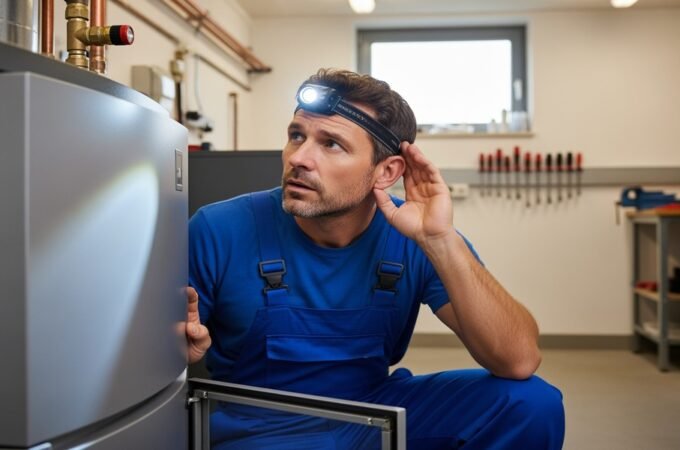
- Strange Noises: Boilers should operate quietly. Banging, gurgling, whistling, or clanking noises can indicate issues such as mineral buildup (kettling), pump problems, or other internal component failures.
- Yellow Pilot Light: For older boilers with a pilot light, it should always be a strong blue flame. A yellow or orange flame can indicate incomplete combustion, which could produce carbon monoxide – a dangerous, odorless gas. If you notice a yellow pilot light, have it checked immediately.
- Corrosion or Leaks: Visible corrosion on the boiler casing or pipes, or puddles of water around the unit, are serious red flags. Leaks can lead to water damage, reduced system pressure, and indicate internal component failure. For more details on this, you can refer to Signs Your Boiler Is Leaking.
Comparing Replacement Versus Repair
Deciding between repairing an existing boiler and investing in a new one is a common dilemma. While a repair might seem like the cheaper option in the short term, it’s important to consider the long-term value.
- Long-Term Value: A new boiler, especially a high-efficiency model, offers significant long-term savings through reduced energy consumption and fewer repair costs. The energy savings alone can often offset a substantial portion of the installation cost over its lifespan.
- Warranty Coverage: New boilers come with comprehensive warranties, covering parts and sometimes labor, providing peace of mind for many years. Repairs on an old boiler, however, might only come with short-term guarantees, if any.
- Technological Advancements:Modern boilers incorporate advanced technology that improves efficiency, safety, and user control (e.g., smart thermostat compatibility). These features are simply unavailable in older models.
- Operational Safety: An aging boiler can pose safety risks, including carbon monoxide leaks or electrical faults. A new, professionally installed boiler adheres to the latest safety standards, significantly reducing these risks.
- When to Consider Replacement: If your boiler is frequently breaking down, is inefficient, or is approaching the end of its typical lifespan, replacement often makes more financial and practical sense. For a deeper understanding of this decision, consider reading When to Consider Boiler Replacement. While a minor, inexpensive repair might be justifiable for a relatively new boiler, recurring issues or major component failures in an older unit usually point towards replacement as the more prudent choice.
The decision to replace or repair should be based on a thorough assessment by a qualified professional who can evaluate the boiler’s condition, efficiency, and the cost-effectiveness of repairs versus a new installation.
The Professional Installation and Maintenance Process
A boiler’s performance, efficiency, and lifespan are heavily reliant on the quality of its installation and subsequent maintenance. For homeowners in Adel, entrusting this work to certified professionals is not just about convenience; it’s about ensuring safety, compliance, and optimal year-round home comfort.
The Installation Process
A professional boiler installation involves several meticulous steps to guarantee a seamless transition and efficient operation:
- Initial Assessment and Sizing: Before any work begins, a qualified technician will visit your home to conduct a thorough assessment. This includes evaluating your home’s heating needs, current plumbing and electrical systems, and discussing the best boiler type and size for your specific requirements. This step is crucial for determining the correct boiler size and ensuring compatibility.
- Site Preparation: This involves preparing the area where the new boiler will be installed. It may include draining and disconnecting the old boiler, ensuring adequate ventilation, and making any necessary adjustments to the pipework or electrical connections.
- Old Unit Removal: The existing boiler and associated components (like hot water tanks or cold water storage tanks, if applicable) are carefully removed and disposed of responsibly.
- New Boiler Installation: The new boiler is then carefully positioned and securely mounted. This is followed by the intricate process of pipework integration, connecting the boiler to your home’s heating system and domestic hot water supply. Gas lines or electrical connections are made, and the flue (venting system) is installed or adapted.
- System Flushing: Before the new boiler is fully operational, the entire heating system (radiators and pipes) is often flushed. This process removes any sludge, rust, or debris that may have accumulated over time, which can otherwise impair the efficiency of the new boiler and potentially void its warranty.
- Pressure Testing and Commissioning: Once installed, the system is filled with water, and pressure tests are conducted to check for leaks. The boiler is then commissioned, which involves running it through its paces, checking all safety devices, controls, and ensuring it’s operating at peak efficiency according to manufacturer specifications. This step is vital for validating the warranty.
- User Orientation: Finally, the technician will walk you through the basic operation of your new boiler, explaining controls, thermostat settings, and any specific maintenance recommendations. For a comprehensive understanding of ensuring a smooth installation, you can explore resources like Ensure a Smooth Boiler Installation.
Long-Term Maintenance for Year-Round Home Comfort
Once your new boiler is installed, routine maintenance is key to preserving its efficiency, reliability, and extending its lifespan.
- Annual Tune-ups: Scheduling an annual boiler service by a qualified professional is highly recommended. During a tune-up, the technician will inspect all components, clean the system, check for wear and tear, and ensure everything is functioning correctly. This proactive approach can identify minor issues before they escalate into major, costly breakdowns.
- Scale Prevention: In areas with hard water, mineral deposits (scale) can build up inside the boiler and pipes, reducing efficiency and potentially causing damage. Technicians can advise on solutions like magnetic filters or chemical inhibitors to prevent scale buildup.
- Pump Lubrication and Safety Inspections: Moving parts like pumps need to be checked and lubricated as necessary. More importantly, safety devices, pressure relief valves, and carbon monoxide detectors are inspected to ensure they are fully operational, safeguarding your home and family.
- System Longevity: Regular maintenance not only keeps your boiler running smoothly but also helps maintain its energy efficiency, ensuring you continue to reap the benefits of your investment for many years. For a deeper dive into boiler care, refer to a Complete Guide to Boiler Repairs.
Professional Licensing and Local Expertise
Selecting a licensed and reliable boiler installer in Adel, IA, is paramount.
- Iowa Contractor Standards: Ensure that any contractor you consider holds the necessary state and local licenses for HVAC and plumbing work. These licenses confirm that the technicians have met specific training, experience, and examination requirements.
- Technical Proficiency: A reputable installer will have technicians who are not only licensed but also factory-trained and certified to work on specific boiler brands and models. Their technical proficiency ensures the installation is done correctly and safely.
- Dallas County Regulations: An experienced local company will be familiar with all specific Dallas County and Adel regulations, ensuring your installation complies with all local codes and passes inspections without issue.
- Insurance Requirements: Always verify that the installer carries adequate liability insurance and workers’ compensation. This protects you from financial responsibility in case of accidents or damage during the installation process.
- Reputation and References: Look for installers with a strong local reputation, positive customer reviews, and who are willing to provide references. A company with a long history of service in the Adel area often indicates reliability and trustworthiness.
By prioritizing professional installation and committing to regular maintenance, Adel homeowners can maximize their boiler’s performance and enjoy consistent, efficient heating for years to come.
Frequently Asked Questions about Boiler Services in Adel
Homeowners often have specific questions when considering boiler installation or service. Here, we address some of the most common inquiries to help you navigate the process with confidence.
How long does a typical boiler installation take in Adel?
The duration of a boiler installation can vary depending on several factors, including the type of boiler being installed, the complexity of the existing system, and whether significant modifications to pipework or venting are required.
- Standard Like-for-Like Replacement:If you’re replacing an old boiler with a new one of the same type and in the same location, the process is generally quicker. This could typically take one to two days.
- System Conversion: If you’re converting from one type of boiler to another (e.g., from a conventional boiler to a combi boiler), or relocating the boiler, the installation will be more involved. This might require additional pipework, removal of old tanks, and new venting, potentially extending the process to two to three days, or sometimes longer for very complex projects.
- Residential Retrofitting: For homes without an existing boiler system, or those requiring extensive retrofitting, the timeline can be longer, depending on the scope of work.
- System Testing and Commissioning:A significant portion of the installation time is dedicated to thorough system testing, flushing, and commissioning to ensure everything operates safely and efficiently.
Your chosen installer will provide a more accurate timeline after assessing your specific home and project requirements.
What are the primary signs that a boiler needs immediate attention?
While some boiler issues can wait for a scheduled service, others demand immediate professional attention due to safety concerns or the risk of further damage.
- Gas Leaks: If you smell gas near your boiler, this is an emergency. Immediately turn off the gas supply, open windows and doors, evacuate the premises, and call your gas provider and an emergency HVAC technician.
- Carbon Monoxide Alarms: If your carbon monoxide detector goes off, it indicates the presence of this odorless, colorless, and highly toxic gas. Immediately evacuate everyone from the home and call emergency services.
- Water Leaks: While a small drip might seem minor, persistent water leaks can indicate a serious internal fault, potentially leading to water damage, system pressure loss, or electrical hazards. Address these promptly.
- No Heat or Hot Water: If your boiler completely fails to provide heat or hot water, especially during cold Adel winters, it’s an urgent issue impacting your home’s habitability.
- Loud Banging or Kettling Noises:While some noises are normal, loud banging, whistling, or gurgling (often referred to as kettling) can indicate significant problems like mineral buildup, a faulty pump, or blockages, which can damage the system if left unaddressed.
- Pilot Light Issues: For boilers with a pilot light, if it frequently goes out, or if the flame is yellow or orange instead of blue, it’s a sign of a problem that needs immediate investigation, as a yellow flame can indicate incomplete combustion and potential carbon monoxide production.
- Boiler Pressure Too Low or Too High:Your boiler’s pressure gauge should typically be within the manufacturer’s recommended range (often between 1 and 2 bar). Consistently low or high pressure can indicate a system fault requiring professional diagnosis.
For more detailed information on troubleshooting and resolving common issues, you can consult resources such as Common Boiler Problems Solutions. When in doubt, it’s always best to contact a qualified technician.
Are there grants or incentives available for installing high-efficiency boilers in Iowa?
Homeowners in Iowa looking to install high-efficiency boilers may be able to take advantage of various incentives designed to promote energy conservation and reduce environmental impact. While specific programs can change, it’s worth exploring the following avenues:
- Federal Tax Credits: The U.S. federal government occasionally offers tax credits for the installation of certain energy-efficient home improvements, including high-efficiency boilers. These credits are typically for specific AFUE ratings or ENERGY STAR certified models. It’s advisable to check the latest IRS guidelines or consult with a tax professional.
- Local Utility Rebates: Many utility companies in Iowa offer rebates or incentive programs to their customers for upgrading to energy-efficient heating systems. Companies like MidAmerican Energy or Alliant Energy, which serve parts of Adel and surrounding areas, may have programs for high-efficiency natural gas or electric boilers. These often require the boiler to meet certain efficiency standards (e.g., ENERGY STAR certification) and be installed by a qualified contractor.
- ENERGY STAR Ratings: Always look for boilers with the ENERGY STAR label. This certification indicates that the product meets strict energy efficiency guidelines set by the U.S. Environmental Protection Agency and Department of Energy, making them eligible for many rebate programs.
- Environmental Programs: While less common for direct boiler installation, some state or local environmental initiatives might offer indirect benefits or information on financing options for energy-efficient upgrades.
It’s important to research current programs, as eligibility requirements and available incentives can vary. We recommend checking with your local utility provider and consulting with your boiler installation professional, as they often have up-to-date information on available incentives in the Adel, IA area. They can help you identify eligible boilers and assist with the necessary documentation to claim any available rebates or credits.
Conclusion
Ensuring your home in Adel, IA, remains a haven of warmth and comfort, especially during the challenging winter months, relies heavily on a dependable and efficient heating system. Investing in a new boiler installation is a significant decision that promises not only immediate comfort but also long-term benefits in terms of energy savings, improved indoor air quality, and enhanced home value.
By understanding the different types of boilers, carefully considering fuel sources and sizing, recognizing the signs that indicate a need for replacement, and committing to professional installation and maintenance, you can optimize your home’s indoor comfort for years to come. Selecting a licensed, experienced, and reputable installer who understands Adel’s specific climate and regulations is paramount to a successful outcome. With the right boiler and expert oversight, you can look forward to a cozy, efficient, and worry-free home environment, prepared for whatever the Iowa weather brings.


Syed Azeem Haider is an enthusiastic writer, loves to write on social issues, current affairs, books and T.V reviews, currently working for homepick as a digital marketer.