Keeping Cool in Extreme Heat: HVAC Tips for Desert Climates
Why Professional AC Installation is Essential for a Desert Climate HVAC
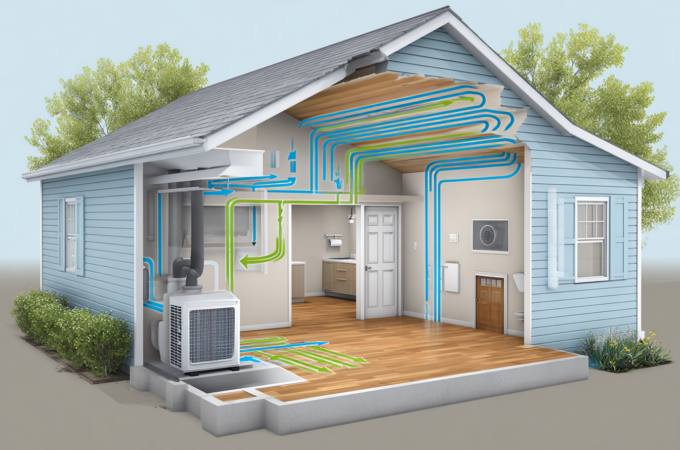
In Goodyear, AZ, where the sun beats down relentlessly and temperatures frequently soar above 100°F, your home’s air conditioning system isn’t just a luxury-it’s a necessity. This extreme environment places immense stress on HVAC equipment, making professional AC installation not merely a convenience, but a critical investment in your home’s comfort and efficiency. Unlike milder climates, AC units in Arizona operate for extended periods under peak load, demanding precision in every aspect of their setup.
One of the primary reasons professional installation is non-negotiable here is the complex calculation of heat gain. Factors like west-facing windows, the quality of attic insulation, and even the number of occupants in your home contribute significantly to the cooling load. An undersized unit will struggle to keep up, leading to constant running, high energy bills, and premature failure. Conversely, an oversized unit will “short cycle,” turning on and off too frequently, which wastes energy, reduces dehumidification (a problem during monsoon season), and also shortens its lifespan.
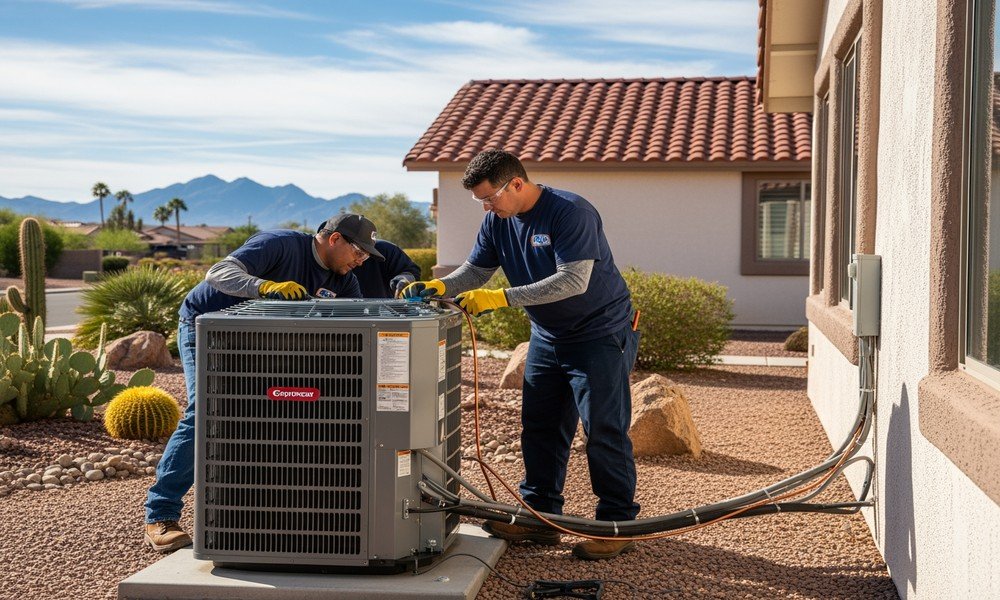
Expert technicians understand the nuances of these calculations, often employing detailed Manual J load assessments to determine the precise cooling capacity your home requires. They also consider the existing electrical capacity of your home, ensuring the new system can operate safely and efficiently without overloading your circuits. The handling of refrigerants, which are potent greenhouse gases, requires specialized training and certification to prevent leaks and ensure environmental compliance. Furthermore, professional installers are well-versed in local building codes and regulations, guaranteeing that your new system meets all safety and operational standards. For reliable and efficient climate control tailored to the desert, partnering with an expert desert HVAC provider is paramount. Their NATE-certified expertise ensures your system is installed correctly, optimized for performance, and compliant with all local requirements, providing peace of mind in the face of Goodyear’s intense heat.
Identifying When to Replace Your Home Cooling System
Even with diligent maintenance, the harsh Arizona climate takes its toll on air conditioning systems. The constant demand means AC units in Arizona typically have a shorter lifespan, often lasting only 10-15 years, compared to 15-20 years in more temperate regions. Recognizing the signs that your system is nearing the end of its life is crucial for proactive replacement, preventing unexpected breakdowns during the hottest months.
One common indicator is the age of your unit. If your AC is over 10-15 years old, it’s likely operating less efficiently than newer models, leading to higher energy consumption. Frequent and costly repairs are another red flag. Many homeowners use the “$5,000 rule” as a guideline: multiply the age of your unit by the cost of the repair. If the total exceeds $5,000, replacement often makes more financial sense than continued repairs. For instance, if your 12-year-old unit needs a $500 repair, that’s $6,000 using the rule, suggesting replacement is a better option.
The phase-out of R-22 refrigerant (Freon) is also a significant factor. If your older system uses R-22, repairs involving refrigerant leaks can become prohibitively expensive due to the scarcity and high cost of the coolant. Beyond cost, inconsistent temperatures throughout your home, strange noises, or a noticeable decrease in cooling power all point towards a system struggling to perform.
Here’s a quick comparison to help you decide:
Repair Indicators (Consider Repair) Replacement Benefits (Consider Replacement) Minor, infrequent issues (e.g., clogged drain line, capacitor replacement) System 10+ years old, frequent breakdowns Repair cost is less than 20-30% of a new unit’s cost Repair cost exceeds “$5,000 rule” (age x repair cost > $5,000) System still cools effectively most of the time Inconsistent cooling, hot/cold spots, poor dehumidification No major refrigerant leaks (especially R-22 systems) System uses R-22 refrigerant, expensive leaks No significant increase in energy bills Rising utility bills despite consistent usage Signs of System Failure in Extreme Heat
In Goodyear’s intense heat, signs of system failure are often amplified and can quickly turn a minor inconvenience into a major emergency.
- Short Cycling: If your AC unit turns on and off frequently without completing a full cooling cycle, it’s short cycling. This is inefficient, wastes energy, and puts undue stress on components, often indicating an improperly sized unit or a refrigerant issue.
- Rising Utility Bills: A sudden or gradual increase in your electricity bills, especially during peak cooling months, suggests your AC is working harder than it should be to maintain comfort, pointing to declining efficiency.
- Unusual Noises: Grinding, squealing, banging, or persistent humming sounds coming from your indoor or outdoor unit are strong indicators of mechanical problems, such as failing motors, loose components, or compressor issues.
- Poor Airflow: Weak or uneven airflow from your vents means your system isn’t distributing cooled air effectively. This could be due to ductwork issues, a failing fan motor, or a clogged filter.
- Moisture Accumulation: Puddles or excessive moisture around your indoor unit or drain pan can signal a clogged condensate line, a frozen evaporator coil, or a refrigerant leak, all of which can lead to water damage and mold growth.
Addressing these signs promptly can help you make an informed decision between repair and replacement, ultimately saving you money and ensuring consistent comfort.
Optimizing Efficiency with Modern System Features
The latest advancements in AC technology offer Goodyear homeowners unprecedented levels of comfort, control, and energy savings. Modern systems are designed not just to cool, but to do so with remarkable efficiency, addressing the unique challenges of our desert climate.
One of the most impactful innovations is the variable-speed compressor. Unlike older, single-speed units that are either “on” at full power or “off,” variable-speed compressors can adjust their output to precisely match your home’s cooling needs. This allows them to run at lower speeds for longer durations, maintaining a consistent temperature, reducing energy consumption, and operating much more quietly. This continuous, low-level operation also significantly improves dehumidification, a major benefit during Goodyear’s monsoon season.
Beyond the compressor, high-efficiency fan motors (like ECM motors) also contribute to energy savings and quieter operation. When combined with smart thermostats, these systems become even more intelligent. Smart thermostats can learn your daily routines, adjust temperatures based on occupancy, and even integrate with weather forecasts to pre-cool your home. This level of precision not only enhances comfort but can also lead to substantial reductions in monthly utility bills. The overall effect of these modern features-from reduced energy consumption to quieter operation and improved air quality-can even increase your home’s value, making a new AC installation a smart long-term investment.
High-Efficiency SEER Ratings for Desert Climate HVAC
The Seasonal Energy Efficiency Ratio (SEER) rating is a measure of an air conditioner’s cooling output over a typical cooling season divided by the total electric energy input during the same period. Higher SEER ratings indicate greater energy efficiency. In 2023, new standards (SEER2) were introduced, reflecting more realistic operating conditions. For Goodyear homeowners, investing in a high-SEER rated unit is particularly critical due to our exceptionally long and intense cooling seasons.
A system with a higher SEER or SEER2 rating will consume less electricity to achieve the same cooling effect, translating directly into lower monthly utility bills. Given that temperatures often exceed 100°F for extended periods, your AC unit will be running for many hours each day. The cumulative energy savings from a high-efficiency unit can be substantial over its lifespan. While the initial cost of a high-SEER system might be slightly higher, the long-term operational savings often provide an excellent return on investment, making it a wise choice for both your wallet and the environment.
Smart Technology and Zoned Comfort
The integration of smart technology into HVAC systems has revolutionized home comfort. Smart thermostats, equipped with learning algorithms, can optimize your home’s climate control based on your preferences, occupancy patterns, and even local weather data. This means your AC can automatically adjust settings to maximize energy savings when you’re away and ensure your home is perfectly cool when you return. Remote access via smartphone apps provides unparalleled convenience, allowing you to monitor and control your system from anywhere.
For homes with diverse cooling needs or multiple levels, zoned cooling offers an ideal solution. This involves dividing your home into distinct temperature zones, each controlled by its own thermostat. Instead of cooling unused rooms, you can direct conditioned air only where it’s needed, significantly reducing energy waste. Ductless mini-splits are an excellent option for creating individual zones, especially for additions, converted garages, or rooms that struggle to stay cool. They provide localized temperature control, allowing occupants to customize their comfort without impacting other areas of the house. This level of personalized, efficient cooling is a game-changer for maintaining comfort in Goodyear’s varied home layouts.
The Installation Process: From Assessment to Commissioning
A successful AC installation is a meticulous process that goes far beyond simply replacing an old unit with a new one. It involves several critical steps, each designed to ensure optimal performance, efficiency, and longevity, especially in Goodyear’s demanding climate.
The journey begins with a thorough site assessment. This is where experienced technicians evaluate your home’s unique characteristics, including its size, layout, window orientation, insulation levels, and existing ductwork. They’ll also consider factors like sun exposure and heat gain. Based on this assessment, they’ll perform a detailed Manual J load calculation to precisely determine the cooling capacity your home needs.
Next comes unit selection, where the right size and type of AC system are chosen to match your home’s specific requirements and your budget. Once the unit arrives, the installation phase begins. This involves carefully removing the old system, preparing the site, and then meticulously installing the new indoor and outdoor units. During this stage, critical procedures like nitrogen brazing are performed to create strong, leak-free refrigerant line connections, and a line set flush ensures the new system starts with clean, uncontaminated refrigerant lines. Technicians also install essential safety components, such as overflow safety switches, to prevent water damage from condensate clogs.
After the physical installation, thorough duct inspection and sealing are paramount. Leaky or poorly sized ductwork can negate the efficiency of even the best AC unit, causing cooled air to escape into unconditioned spaces like attics. Finally, the system undergoes rigorous commissioning. This involves testing all components, verifying proper refrigerant charge, checking airflow, and ensuring the thermostat communicates correctly with the system. A final walkthrough with the homeowner ensures you understand your new system’s operation, maintenance requirements, and warranty details.
Sizing and Unit Selection for Goodyear Homes
Choosing the right size and type of AC unit is perhaps the most critical decision in the installation process for a Goodyear home. An improperly sized system will inevitably lead to discomfort, inefficiency, and premature failure. This is why professional installers rely on the Manual J load calculation, a standardized method that accurately determines your home’s specific cooling needs.
This calculation takes into account a multitude of factors unique to your property:
- Square Footage: The total area to be cooled.
- Ceiling Height: Taller ceilings mean a larger volume of air to condition.
- Window Orientation and Type: West-facing windows, common in Goodyear, contribute significantly to heat gain, especially if they are single-pane or lack proper shading.
- Insulation R-values: The quality and amount of insulation in your walls, attic, and floors directly impact heat transfer.
- Occupancy Levels: The number of people typically residing in the home, as each person generates body heat.
- Appliance Heat Gain: Heat generated by appliances like ovens, refrigerators, and electronics.
- Air Infiltration: How much outside air leaks into your home through cracks and gaps.
Based on these precise calculations, technicians can recommend an AC unit with the optimal British Thermal Unit (BTU) capacity. They will also guide you on the best type of system-whether a traditional split system, a package unit, or a ductless mini-split-considering your home’s layout, existing infrastructure, and your comfort preferences. This meticulous approach ensures your new AC system is perfectly matched to your Goodyear home, providing efficient and reliable cooling for years to come.
Post-Installation Care and Longevity
Once your new AC system is professionally installed, the journey to long-term comfort and efficiency doesn’t end. Proper post-installation care is vital to maximize your system’s lifespan, maintain its high performance, and protect your investment. A new AC system typically comes with a manufacturer’s warranty, which covers parts for a specified period (often 5-10 years), but this warranty is usually contingent on professional installation and regular maintenance. Adhering to manufacturer guidelines for maintenance helps ensure system reliability and keeps your warranty valid.
Regular maintenance also plays a crucial role in maintaining excellent air qualitywithin your home. A well-maintained system effectively filters out dust, allergens, and pollutants, which is particularly important in Goodyear’s dusty environment. Optimal airflow is key to efficient cooling, and routine checks ensure that coils are clean and ducts are free from obstructions. By proactively maintaining your system, you can prevent minor issues from escalating into major repairs, extend the life of expensive components like the compressor and evaporator coil, and continue to enjoy consistent, energy-efficient cooling.
Maintaining Your Desert Climate HVAC for Peak Performance
Given the extreme demands placed on AC units in Goodyear, a consistent maintenance schedule is not optional-it’s essential.
- Spring Tune-ups: Before the scorching summer arrives, a professional tune-up in spring is critical. Technicians will clean coils, check refrigerant levels, inspect electrical components, and lubricate moving parts. This prepares your system for peak performance and helps identify potential issues before they cause a breakdown.
- Filter Replacement: This is perhaps the easiest and most impactful maintenance task homeowners can perform. In dusty Arizona, filters should be checked monthly and replaced every 1-3 months, depending on usage and household conditions (e.g., pets). A clean filter ensures good airflow and prevents dust from accumulating on coils.
- Coil Cleaning: Over time, evaporator and condenser coils can accumulate dirt and grime, reducing their ability to transfer heat. Professional cleaning of these coils is part of a comprehensive tune-up and significantly improves efficiency.
- Duct Sealing: Even with a brand-new AC unit, leaky ductwork can lead to significant energy loss. Periodically inspecting and sealing your ducts prevents cooled air from escaping into unconditioned spaces, ensuring it reaches your living areas.
- Condensate Drain Clearance: The condensate drain line removes moisture from your indoor unit. In our humid monsoon season, this line can become clogged with algae, leading to water leaks and potential damage. Regular flushing or cleaning prevents these blockages.
By following these maintenance practices, you can ensure your desert climate HVAC system operates efficiently, reliably, and extends its service life, keeping your Goodyear home comfortable through countless summers.
Frequently Asked Questions about Goodyear AC Services
What size AC unit does a Goodyear home typically need?
The size of an AC unit (measured in tons or BTUs) for a Goodyear home is not determined by square footage alone. While square footage is a starting point, a professional Manual J load calculation is essential. This calculation considers numerous factors specific to our climate, such as ceiling height, the quality of your home’s insulation, the efficiency and orientation of your windows (especially west-facing ones), the number of occupants, and heat-generating appliances. An experienced technician will perform this assessment to ensure your unit is perfectly sized for optimal comfort and energy efficiency, avoiding the pitfalls of both oversized and undersized systems.
How does the Arizona climate affect AC lifespan?
Goodyear’s extreme heat and extended cooling seasons significantly shorten the lifespan of AC units. While an AC system in a milder climate might last 15-20 years, units in Arizona typically last only 10-15 years. The constant, heavy workload, coupled with high ambient temperatures and the presence of dust and debris, puts immense stress on all components. Compressors run longer and harder, electrical parts are exposed to higher temperatures, and outdoor units are constantly battling the elements. Regular, preventative maintenance is crucial to maximize the life of your unit under these demanding conditions.
Are there specific local codes for AC installation in Goodyear?
Yes, AC installations in Goodyear, AZ, must adhere to specific local codes and regulations to ensure safety, efficiency, and environmental compliance. These include city permits for mechanical work, adherence to electrical standards for wiring and connections, and strict regulations regarding refrigerant handling and disposal. All installations must meet current mechanical codes, which dictate everything from duct sizing to condensate drainage. Reputable AC installation companies are well-versed in these requirements and will ensure all necessary permits are obtained and inspections are passed by the City of Goodyear, guaranteeing your new system is installed correctly and safely.
Conclusion
In the challenging climate of Goodyear, AZ, a reliable and efficient air conditioning system is more than just a convenience-it’s a cornerstone of home comfort and well-being. Investing in professional AC installation ensures that your system is perfectly sized, expertly installed, and optimized to handle the extreme desert heat. By understanding when to replace your old unit, embracing the benefits of modern, high-efficiency features, and committing to diligent post-installation maintenance, you can secure long-term comfort and significant energy savings. Partnering with a trusted HVAC professional is your best strategy for navigating the unique demands of our desert environment, guaranteeing a cool, comfortable, and resilient home for years to come.


Mark Ligon is the Marketing Manager at a leading e-commerce store in plumbing supply. Mark focus is on DIY projects and providing creative and practical advice to individuals looking to complete DIY projects of their own