Innovations in Water Infrastructure and Renewable Energy
The State of America’s Water Infrastructure: A Foundation Under Strain
Water is vital for everything we do. From our morning coffee to industrial processes, clean water is the foundation of daily life and economic prosperity. Yet, this essential resource relies on a vast, often unseen, network of pipes, pumps, and treatment plants.
Our water infrastructure faces significant challenges. Many systems are aging, some dating back over a century. Climate change brings new stresses, like droughts and floods, while emerging contaminants demand advanced treatment.
To overcome these problems, we must innovate. This means more resilient infrastructure and smarter resource management. It also includes exploring how water management intersects with renewable energy, such as modernizing Hydropower Water Infrastructure.
In this extensive guide, we will explore the current state of our water systems. We’ll look at the major challenges, recent federal investments, and groundbreaking solutions. Our goal is to understand how we can build a more secure and sustainable water future for all communities.
America’s water infrastructure, a complex network supporting virtually all aspects of modern life, is currently facing a critical juncture. For too long, the nation has underinvested in these vital systems, leading to a deteriorating foundation that threatens public health, economic stability, and environmental integrity. The American Society of Civil Engineers (ASCE), a leading voice in infrastructure assessment, consistently assigns low grades to our drinking water infrastructure, reflecting its dire condition. In its 2025 report, the ASCE once again graded drinking water infrastructure with a C-, a grade that has remained stagnant for over a decade. This persistent underinvestment jeopardizes our security, risks people’s health, jobs, peace of mind, and future prosperity.
The sheer scale of the problem is staggering. The Environmental Protection Agency (EPA)’s 7th Drinking Water Infrastructure Needs Survey and Assessment (DWINSA) estimates that a monumental $625 billion is needed over the next 20 years to bring our drinking water systems into a state of good repair. This figure represents a significant increase of more than $150 billion compared to the EPA’s 2018 assessment, underscoring the accelerating rate of deterioration and the growing financial burden. The projected gap between current investments and actual needs is equally alarming, with ASCE’s 2024 Bridging the Gap economic study finding it stood at $309 billion in 2024 and is expected to grow to a staggering $620 billion by 2043.
This shortfall has tangible consequences. Dilapidated pipes in our nation’s water system leak an astounding 6 billion gallons of clean drinking water daily, a monumental waste of a precious resource and a significant financial drain. Nearly 20% of installed water mains, totaling over 450,000 miles of pipe, have already exceeded their useful lives but remain in service due to inadequate funding for replacement. This deferred maintenance often leads to costly emergency repairs and service disruptions. Furthermore, the financial strain is increasingly passed on to consumers. Between 2012 and 2023, monthly household water bills increased by roughly 64%, now averaging $51, primarily due to rising labor costs and inflationary pressures. Despite these increases, only 20% of water utilities reported being fully able to cover the cost of drinking water services, highlighting the systemic financial challenges. Addressing these issues requires a comprehensive approach to funding and maintenance, ensuring that our Water Infrastructure Solutions are both effective and sustainable for future generations.
The Scale of the System
To fully grasp the magnitude of the challenge, it’s crucial to understand the vastness and complexity of America’s water infrastructure. This intricate network, often hidden beneath our cities and towns, is a marvel of engineering that delivers safe drinking water and manages wastewater for millions.
Our nation’s drinking water infrastructure system alone comprises more than 2.2 million miles of underground pipes, a labyrinthine network that delivers safe and reliable water to nearly 150,000 public water systems. These systems are responsible for sourcing, treating, storing, and distributing water. Key components include:
- Source & Conveyance: Rivers, lakes, and groundwater aquifers from which water is drawn, and the aqueducts, canals, or large pipelines that transport it.
- Pump Stations: Facilities that move water through the system, overcoming gravity and pressure losses.
- Treatment Plants: Sophisticated facilities that clean and purify raw water to meet stringent drinking water standards.
- Storage Tanks: Reservoirs and lift tanks that hold treated water, ensuring consistent pressure and supply, especially during peak demand or emergencies.
- Distribution Pipelines: The vast network of smaller pipes that deliver water directly to homes, businesses, and other facilities.
- Operational Controls & Business Systems: The technology and administrative functions that manage the entire process, from monitoring water quality to billing customers.
- Operators: The skilled professionals who run and maintain these complex systems.
On the other side of the equation are our wastewater systems, equally critical for public health and environmental protection. These systems collect, treat, and safely discharge used water, preventing disease and pollution. The U.S. boasts more than 16,000 wastewater treatment plants. While these facilities currently function, on average, at 81 percent of their design capacities, a concerning 15 percent have already reached or exceeded their design capacity, signaling an urgent need for upgrades and expansion. Wastewater infrastructure components include:
- Collection Lines: The network of sewer pipes that gather wastewater from homes and businesses.
- Lift Stations: Pumps that move wastewater to higher elevations when gravity flow isn’t possible.
- Treatment Plants: Facilities that remove pollutants from wastewater before it is returned to the environment.
- Outflow & Solid Waste Disposal: The mechanisms for safely discharging treated water and managing residual solids.
- Operational Controls & Business Systems: Similar to drinking water, these manage the collection and treatment processes.
- Operators: The dedicated workforce ensures proper functioning.
Beyond drinking water and wastewater, our broader water infrastructure also encompasses networks of concrete storm sewers, roadside ditches, and flood control reservoirs designed to mitigate flooding from stormwater. These diverse systems, as highlighted by the Council on Foreign Relations, are interconnected and essential for the functioning of our communities. Understanding the intricacies of these systems is vital for developing a comprehensive Water Control Infrastructure Guide 2025 that addresses their current state and future needs.
Modern Challenges for an Aging Water Infrastructure Network
The scale of our water infrastructure is impressive, but its aging nature, coupled with new environmental and technological threats, presents formidable challenges. The average life expectancy of these pipes, many of which were laid post-World War II and designed for a 75-100 year lifespan, has decreased to just over 78 years as of 2023—a 6-year reduction since 2018. This accelerated aging contributes to a host of problems:
- Aging Pipes and Water Loss:Dilapidated pipes are not just inefficient; they are a major source of water loss. As mentioned, 6 billion gallons of clean drinking water are lost daily, leading to more than $187 billion in lost revenue annually. This translates to approximately 33.3 trillion gallons of water lost each year. This is not merely an economic issue; it strains water resources, particularly in drought-prone regions. These aging pipes are also prone to frequent failures, with approximately 240,000 water main breaks occurring per year, incurring roughly $2.6 billion in repair and maintenance costs. Certain materials, like ductile iron pipes, experience a break rate six times higher in highly corrosive soil, highlighting the need for advanced material science and proactive replacement strategies within our Water Control Systems.
- Climate Change Impacts: The escalating effects of climate change, including more frequent and intense droughts, floods, and extreme weather events, place immense stress on water infrastructure. Droughts deplete water sources, necessitating new supply strategies or conservation measures. Floods can overwhelm stormwater systems, contaminate drinking water sources, and damage treatment facilities. These unpredictable weather patterns demand a more resilient and adaptable infrastructure, capable of withstanding future shocks. Our Water Control Structures must evolve to manage these new realities.
- Emerging Contaminants: Beyond traditional pollutants, new threats like Per- and Polyfluoroalkyl Substances (PFAS), often called “forever chemicals,” are increasingly detected in water supplies. A recent study found that at least one PFAS can be detected in 45% of all U.S. drinking water, affecting more than 130 million people in nearly 7,500 locations nationwide. The estimated annual cost to install treatment systems to remove these substances is more than $3.8 billion, a significant burden on utilities and ratepayers. Addressing these contaminants requires advanced and often expensive treatment technologies.
- Cybersecurity Threats: As water infrastructure becomes more digitized, it also becomes vulnerable to cyberattacks. These threats can disrupt treatment processes, alter chemical levels, compromise data, or even shut down entire systems, posing severe risks to public health and safety. While 82% of water utilities have developed and, in many cases, fully incorporated cybersecurity plans, more than 70% of inspected water systems violate Safe Drinking Water Act (SDWA) Risk and Resilience Assessment requirements, indicating a critical gap in preparedness.
- Workforce Shortages: The water sector faces an impending workforce crisis. In 2020, the EPA found that approximately one-third of the nation’s drinking water and wastewater workforce will become eligible to retire over the decade. The median age of the water workforce is 48 years old, with only 10% under the age of 24. This demographic shift threatens to leave a significant knowledge and skills gap, impacting the ability to operate, maintain, and upgrade complex water systems.
These interconnected challenges underscore the urgent need for strategic investment, innovative solutions, and a robust workforce to ensure the future viability of our nation’s water infrastructure.
The Water-Energy Nexus: Powering and Protecting Our Resources
The relationship between water and energy is symbiotic and critical, forming what is known as the “water-energy nexus.” Water infrastructure is inherently energy-intensive, requiring significant power for pumping, treating, and distributing water. Conversely, energy production, particularly for electricity, often requires substantial amounts of water for cooling, resource extraction, and hydropower generation. Understanding and optimizing this nexus is key to building a resilient and sustainable future for both sectors.
Energy Demands of Water Treatment and Distribution
The processes involved in delivering clean water to our taps and safely treating wastewater before discharge are remarkably energy-intensive. Pumping water from its source, often over long distances and varying elevations, consumes vast amounts of electricity. Treatment plants, especially those employing advanced purification methods to remove emerging contaminants like PFAS, require continuous energy for aeration, chemical mixing, filtration, and disinfection.
For many municipalities, the energy required to operate their water and wastewater systems is one of their largest operational expenses. This direct link means that fluctuations in energy prices can significantly impact utility budgets and, consequently, consumer water bills. Moreover, the reliability of water services is directly tied to the stability of the energy grid. A power outage can halt pumps, disrupt treatment, and compromise water quality, highlighting the critical interdependence.
This energy demand also presents an opportunity for efficiency and innovation. By implementing smart technologies, optimizing pump schedules, and investing in energy-efficient equipment, utilities can reduce their carbon footprint and operational costs. The integration of renewable energy sources, such as solar panels at treatment plants or using biogas from wastewater, can further improve the sustainability of water operations. Exploring these synergies is a crucial aspect of developing Clean Energy Infrastructurethat supports our water systems. Furthermore, leveraging advanced analytics and AI Energy Management can help optimize energy consumption across the entire water cycle, leading to significant savings and improved resilience.
Hydropower’s Role in a Resilient Grid
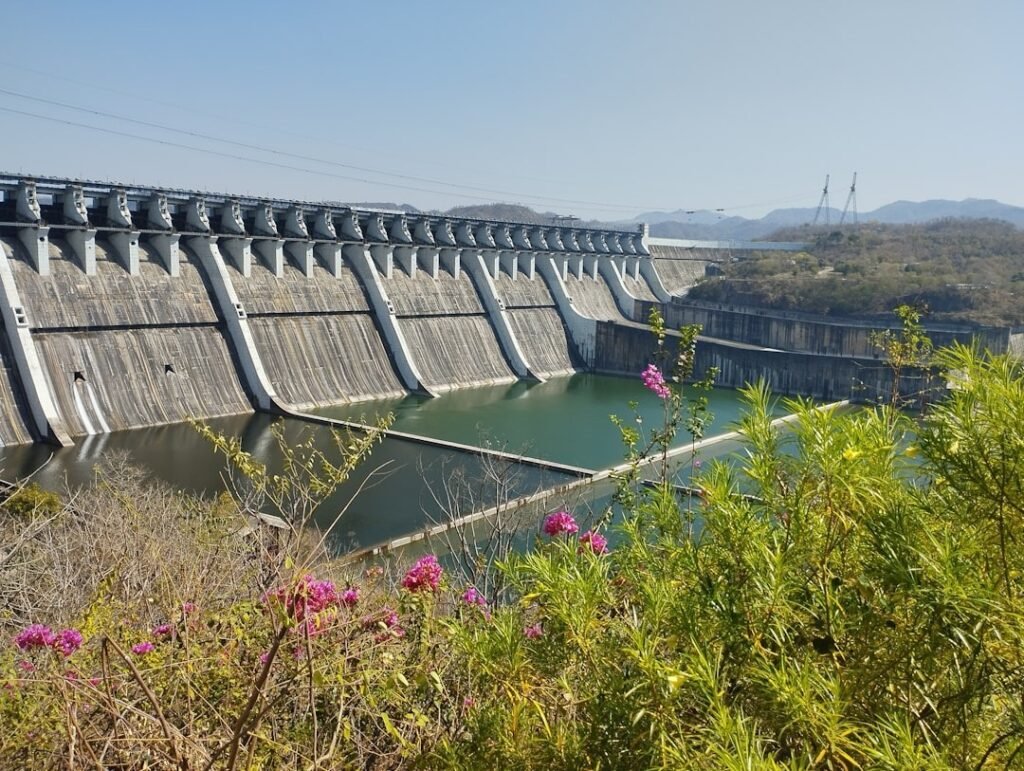
While water infrastructure consumes energy, it also plays a vital role in generating clean, renewable power, primarily through hydropower. Dams, which are fundamental components of water supply and flood control systems, can also house hydroelectric power plants. These facilities convert the kinetic energy of flowing water into electricity, providing a reliable and flexible source of power.
Hydropower is a cornerstone of a resilient energy grid for several reasons:
- Reliable Baseload Power: Unlike intermittent renewable sources like solar and wind, hydropower can provide consistent baseload power, operating 24/7 as long as water flows.
- Grid Stability: Hydropower plants can quickly ramp up or down their electricity output, making them invaluable for balancing the grid and responding to sudden changes in demand or supply from other energy sources. This flexibility helps integrate other renewables by compensating for their variability.
- Pumped Storage Hydropower (PSH):PSH facilities act like giant batteries, using excess electricity from the grid (often from solar or wind during off-peak hours) to pump water to an upper reservoir. When electricity demand is high, the water is released back down to generate power. This technology is crucial for energy storage and grid resilience.
- Multipurpose Infrastructure: Many dams serve multiple functions beyond power generation, including drinking water supply, irrigation, navigation, and flood control. This integrated approach maximizes the benefits of water resources.
The modernization of existing dams and the strategic development of new, smaller-scale hydropower projects, including those utilizing innovative construction methods like Modular Dam Construction, can significantly improve our clean energy portfolio. These efforts are part of a broader strategy to leverage our water resources for both utility and energy generation, ensuring a stable and sustainable future. We are continually exploring innovative hydropower solutions to improve our energy infrastructure.
A New Wave of Investment: Funding the Future of Water
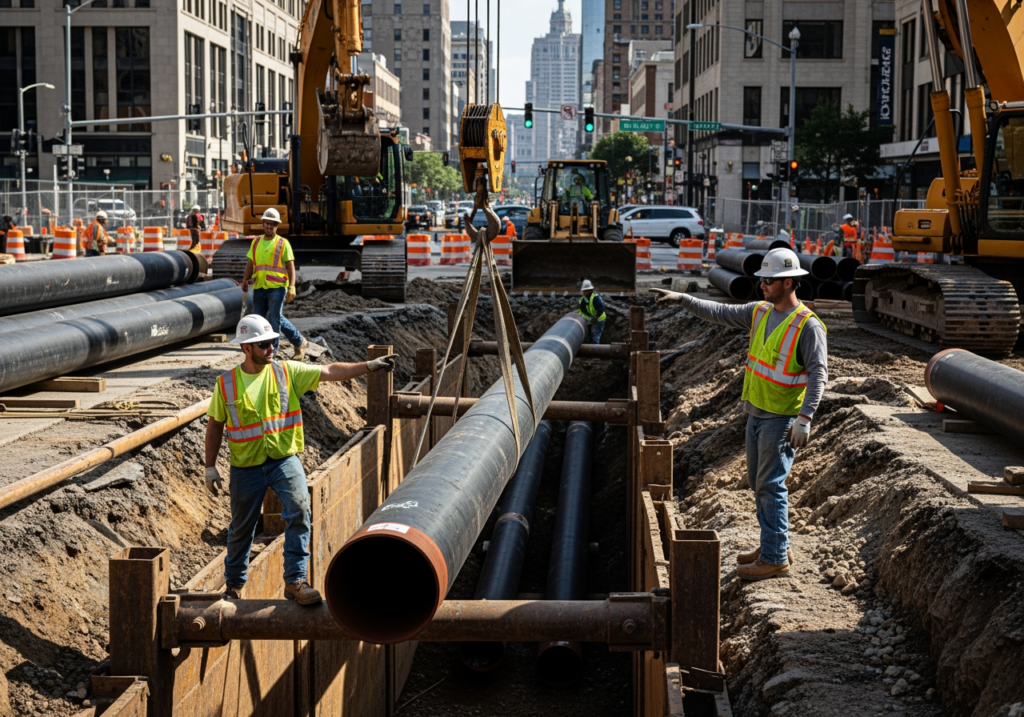
Recognizing the critical state of our water infrastructure, the federal government has initiated an unprecedented wave of investment aimed at revitalizing these essential systems. This new commitment, coupled with ongoing state funding and local utility efforts, represents a pivotal moment in addressing decades of underinvestment.
The Impact of the Infrastructure Investment and Jobs Act (IIJA)
The Infrastructure Investment and Jobs Act (IIJA), also known as the Bipartisan Infrastructure Law (BIL), stands as the single largest investment in water the federal government has ever made. This landmark legislation delivers more than $50 billion to the EPA to improve our nation’s drinking water, wastewater, and stormwater infrastructure. The BIL invests a total of $55 billion in our water systems, signaling a robust commitment to addressing long-standing challenges.
A significant portion of this funding is specifically earmarked for critical public health priorities:
- Lead Service Line Replacement (LSLR): The IIJA provides a little over $15 billion to fund the replacement of lead service lines and other lead remediation activities. This is a monumental step, as an estimated 6 to 10 million lead service lines still exist across the country, with the EPA’s 7th DWINSA projecting a national total of 9.2 million. These lines pose serious health risks, particularly to children. The $15 billion investment is projected to result in the creation of 200,700 jobs over 10 years, demonstrating the economic benefits of infrastructure spending. The goal is to remove all lead service lines within 10 years, a daunting task estimated to cost $45 billion, with an average cost of about $10,000 for homeowners for private-side replacements. This funding is crucial for ensuring safe drinking water for millions of American families, particularly in communities of color and low-income neighborhoods, where lead pipes are often concentrated. The IIJA allocates $15 billion directly to the Drinking Water State Revolving Fund (SRF) for LSLR, along with $11.7 billion for the general DWSRF and $4 billion for emerging contaminants.
- Addressing Emerging Contaminants (PFAS): The IIJA includes a $10 billion down payment on the cleanup of PFAS and other emerging contaminants. This includes $5 billion in grants specifically for small and disadvantaged communities to address PFAS, $4 billion for utilities to address PFAS in drinking water systems, and $1 billion to help wastewater utilities address PFAS in wastewater discharge. An additional $5 billion is allocated to Water Infrastructure Improvements for the Nation (WIIN) Grants for emerging contaminants. These funds are vital given that PFAS affects an estimated 130 million people across nearly 7,500 locations nationwide.
- Clean Water and Geographic Programs: The law also directs $11.7 billion to the Clean Water State Revolving Fund (CWSRF), $1 billion to the CWSRF for emerging contaminants, $1.7 billion for Geographic Programs (such as the Chesapeake Bay and Great Lakes), and $267 million for programs like the National Estuary Program and Gulf Hypoxia Program. These investments aim to protect regional water bodies and improve overall water quality.
The IIJA’s comprehensive approach, as detailed by the EPA’s Water Infrastructure Investments page, is designed to revitalize communities, protect waterways, and create jobs, paving the way for future generations. Further insights into how such federal funding transforms communities can be found in various Hydropower Articles and related infrastructure discussions.
Financing the Future of Water Infrastructure
While the IIJA represents a massive federal infusion, the long-term financing of water infrastructure relies on a blend of federal, state, and local mechanisms. Two key federal programs, the State Revolving Funds (SRFs) and the Water Infrastructure Finance and Innovation Act (WIFIA), play a crucial role in enabling projects that might otherwise be financially out of reach.
- State Revolving Funds (SRFs): The Clean Water State Revolving Fund (CWSRF) and the Drinking Water State Revolving Fund (DWSRF) are federal-state partnerships that provide communities with low-cost financing for a wide range of water quality and drinking water infrastructure projects. These programs operate as state-managed loan funds, utilizing a combination of federal capitalization grants and state matching funds. As communities repay their loans, the funds are recycled to support future projects, making SRFs a self-sustaining financial model over time. This “revolving” nature allows a relatively modest initial federal investment to support a much larger volume of projects. For Fiscal Year 2025, $2.7 billion in federal dollars was appropriated to SRFs. A significant aspect of SRFs is their focus on equity: states are required to provide 49% of their DWSRF general program funds and lead service line replacement funds to disadvantaged communities, ensuring that those most in need receive support. However, challenges persist, with over $1 billion taken from the DWSRF program for earmarks between FY22 and FY23, resulting in a nearly 45% reduction in capitalization grants for states and an almost 45% reduction in set-asides. This practice can divert funds from broader state-level priorities.
- Water Infrastructure Finance and Innovation Act (WIFIA): The WIFIA program, administered by the EPA, provides low-interest, long-term loans for large, nationally or regionally significant water infrastructure projects. Unlike SRFs, WIFIA loans are not grants; communities must repay the funds. However, the favorable terms—low interest rates, flexible repayment schedules, and long maturities—make large infrastructure projects more affordable and financially viable. Since its inception, WIFIA has supported $43 billion in total water infrastructure investments as of December 2023, including $840 million specifically to address lead in drinking water. Utilities have saved an estimated $5 billion since WIFIA’s inception, with an average reduction of 25% in project costs. For fiscal year 2025, $72 million was appropriated to WIFIA. WIFIA’s strategic role is to leverage local investment by attracting additional funding from bonds, private capital, and state sources, enabling projects that might otherwise be impossible, especially for small or disadvantaged communities.
These financing mechanisms are crucial for bridging the significant funding gap in water infrastructure. They empower communities to undertake essential upgrades, from replacing lead service lines to modernizing treatment plants, ensuring the delivery of safe and reliable water. When undertaking such critical projects, specify reliable components for Critical Water Infrastructure to ensure longevity and performance. The EPA’s Water Finance Clearinghouse offers valuable resources for understanding these and other funding opportunities. By strategically utilizing these programs and embracing AI-driven development in project planning, we can maximize the impact of every dollar invested.
Building Resilience Through Innovative Solutions
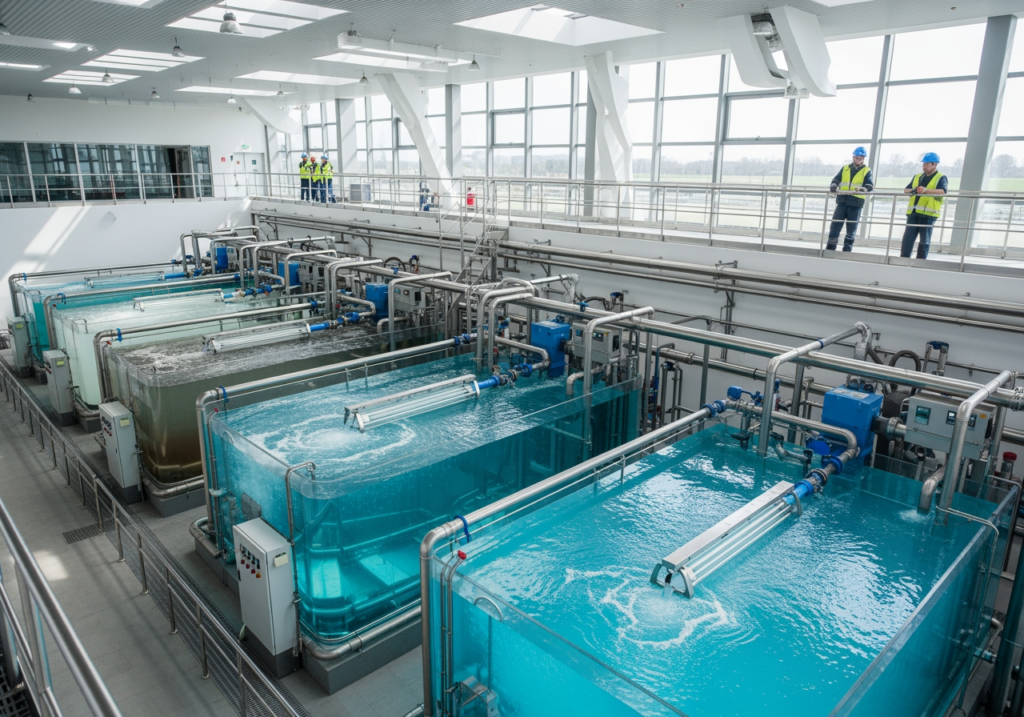
As we confront the multifaceted challenges facing our water infrastructure, innovation is not merely an option but a necessity. Building resilience means moving beyond traditional approaches and embracing new strategies that improve water self-sufficiency, optimize treatment, and leverage digital technologies. This shift is crucial for adapting to climate change, managing emerging contaminants, and ensuring a sustainable water supply for future generations.
The Shift Towards Localized Water Sources
Historically, many communities relied on distant, centralized water sources. However, increasing population demands, climate change impacts, and the high cost of maintaining long-distance conveyance systems are driving a shift towards more localized and diversified water sources. This approach improves resilience by reducing dependence on a single supply and minimizing vulnerability to droughts or contamination events.
Key strategies for localized water self-sufficiency include:
- Wastewater Recycling (Water Reuse): Advanced treatment technologies are enabling the purification of municipal wastewater to meet drinking water standards. Orange County, California, for example, is a pioneer in this field, satisfying 75% of its drinking water needs through recycling and local sources. Elsewhere, in California’s Salinas Valley, technologies similar to those used to recycle wastewater are being repurposed to create drinking water from a mixture of municipal wastewater and agricultural runoff. This approach transforms a waste product into a valuable resource, closing the water loop.
- Stormwater Capture and Recharge:Instead of simply channeling stormwater away, communities are increasingly implementing systems to capture, treat, and infiltrate it back into local aquifers. This recharges groundwater supplies, reduces flood risks, and provides a local water source.
- Aquifer Recharge: Treating wastewater or stormwater to a high standard and then injecting it into underground aquifers not only replenishes groundwater but also provides an additional natural filtration step. An Eastern Virginia utility, for instance, treats wastewater to recharge local drinking water aquifers.
- Desalination Technologies: For coastal or brackish water communities, desalination offers a virtually unlimited water source. While energy-intensive, advancements in reverse osmosis and other technologies are making desalination more efficient and cost-effective, particularly for communities facing severe water scarcity. San Diego and Santa Barbara, for example, have built seawater desalination plants in response to water scarcity.
These localized approaches reduce reliance on imported water, improve water security, and contribute to more Sustainable Energy Production by minimizing the energy needed for long-distance pumping.
Advanced Treatment and Digital Change
Beyond diversifying water sources, innovation in treatment processes and the adoption of digital technologies are changing how we manage and maintain water infrastructure.
- Advanced Treatment for Emerging Contaminants: Technologies like reverse osmosis, advanced oxidation processes, and granular activated carbon are becoming essential for removing challenging contaminants such as PFAS, pharmaceuticals, and microplastics from drinking water. These processes require significant investment but are vital for ensuring water safety in the face of new threats.
- Smart Water Meters and Digital Networks: The deployment of smart meters provides real-time data on water consumption, enabling utilities to detect leaks faster, improve billing accuracy, and empower consumers to manage their water use. In 2023, 46% of utilities planned to install or update digital meter reading systems.
- AI-Driven Predictive Maintenance:Artificial intelligence and machine learning are being used to analyze data from sensors, historical maintenance records, and environmental factors to predict equipment failures before they occur. This allows utilities to transition from reactive repairs to proactive, planned maintenance, reducing costly breakdowns and service interruptions. Utilities are improving their planned-to-reactive maintenance ratio, with 42% tracking this metric seeing improvements from 37% in 2015.
- Digital Twins and Remote Monitoring:Creating digital replicas of physical infrastructure allows utilities to simulate scenarios, optimize operations, and train staff in a virtual environment. Remote monitoring systems provide real-time oversight of critical assets, improving response times and operational efficiency. In 2023, 43% of utilities planned to install new IT systems for water treatment or update existing systems.
- Leak Detection Technology:Advanced sensors, satellite imagery, and acoustic technologies are being utilized to pinpoint leaks in underground pipes with greater precision, thereby minimizing water loss and reducing the need for disruptive excavations.
These technological advancements, coupled with strategies for localized water sources, are crucial for building Sustainable Power Generation and a resilient water infrastructure capable of meeting the demands of the 21st century. The continuous evolution of Hydropower Advancements Innovations 2025 and other water-related technologies underscores our commitment to a secure water future.
Frequently Asked Questions about Water Infrastructure
What is the total investment needed for U.S. drinking water infrastructure?
The total investment needed for U.S. drinking water infrastructure over the next 20 years is estimated at $625 billion, according to the EPA’s 7th Drinking Water Infrastructure Needs Survey and Assessment (DWINSA). The primary areas of need include:
- Distribution and transmission: $422.9 billion (67%) for pipe replacement and rehabilitation.
- Treatment: $107 billion (17%) for constructing, expanding, or rehabilitating facilities to reduce contamination.
- Storage: $56.1 billion for constructing, rehabilitating, or covering water storage reservoirs.
- Source: $25.2 billion for constructing or rehabilitating intake structures and wells, or purchasing water rights.
How does aging water infrastructure affect communities?
Aging water infrastructure significantly impacts communities in several ways:
- Water Main Breaks: Frequent breaks lead to service disruptions, boil water advisories, and property damage. Approximately 240,000 water main breaks occur annually, costing $2.6 billion in repairs.
- Water Loss: Dilapidated pipes leak an estimated 6 billion gallons of clean drinking water daily, leading to resource depletion and over $187 billion in lost revenue annually.
- Increased Water Bills: The cost of repairing and replacing aging systems, coupled with inflation, has led to a 64% increase in monthly household water bills between 2012 and 2023, averaging $51.
- Public Health Risks: Aging pipes can leach contaminants like lead, and system failures can compromise water quality, posing serious health threats.
- Economic Impact: Unreliable water services can hinder economic development, impact businesses, and reduce the quality of life.
What is being done to address lead in drinking water?
Addressing lead service lines is a top national priority. The Infrastructure Investment and Jobs Act (IIJA) has allocated a historic $15 billion specifically for lead service line replacement (LSLR) and other lead remediation activities. The federal government has set a national goal to remove all lead service lines within 10 years. Many states and local utilities are implementing LSLR programs, with 68% of utilities reporting such programs. Cities like Pittsburgh, Denver, and Detroit have already removed over 45,000 lead service lines combined since 2016. These efforts are crucial, as an estimated 9.2 million lead service lines remain in operation across the country, many in disadvantaged communities.
Conclusion
The journey through America’s water infrastructure reveals a system that is both foundational to our society and profoundly challenged. From aging pipes leaking billions of gallons daily to the emergence of new contaminants like PFAS, the scale of the problem is immense. Yet, the narrative is not one of despair but of opportunity.
Historic investments, particularly through the Infrastructure Investment and Jobs Act, are channeling over $50 billion into critical upgrades, including the monumental task of lead service line replacement and the complex challenge of PFAS remediation. These funds, leveraged by innovative financing mechanisms like State Revolving Funds and WIFIA loans, are designed to bridge the funding gap and empower communities to rebuild.
The future of water infrastructure is also being shaped by a growing understanding of the water-energy nexus, where water systems are both significant energy consumers and vital producers of clean power through hydropower. Embracing innovations like wastewater recycling, smart digital networks, and AI-driven maintenance offers a path toward greater water self-sufficiency and resilience.
Ensuring a secure, sustainable, and equitable water future for all communities requires sustained investment, continuous innovation, and a collaborative spirit among federal agencies, states, local utilities, and the public. By prioritizing these efforts, we can transform our water infrastructure from a foundation under strain into a robust and resilient system for generations to come.