Finding a Trustworthy and Professional HVAC Repair Service
Key Indicators That Your System Needs Professional HVAC Repair
Even the most robust heating systems can develop issues over time. Recognizing the early warning signs that your heater needs repair is crucial for preventing minor problems from escalating into costly breakdowns. Ignoring these indicators can lead to decreased efficiency, higher energy bills, and even safety hazards. As homeowners, we often rely on our heating systems without much thought until they stop working as expected. Being attuned to the subtle (and not-so-subtle cues your system provides can save you significant discomfort and expense in the long run.
Common Warning Signs to Watch For
A well-functioning heating system should operate quietly and consistently, providing uniform warmth throughout your home. When it deviates from this norm, it’s time to pay attention.
- Strange Noises: Your furnace or boiler should not produce alarming sounds. Grinding, squealing, banging, clanking, or whistling noises often indicate mechanical problems. A grinding sound might point to a failing motor bearing, while banging could suggest issues with ductwork or components expanding and contracting rapidly. Squealing often signals a worn-out fan belt. Any persistent or unusual noise should prompt an investigation.
- Uneven Heating: If some rooms in your Monroeville home are warm while others remain chilly, your heating system isn’t distributing heat effectively. This could be due to blockages in ductwork, a malfunctioning blower motor, a faulty thermostat, or issues with zone controls. Uneven heating not only causes discomfort but also suggests your system is working harder than it should, wasting energy.
- Increased Energy Bills: A sudden or gradual spike in your utility bills without a corresponding change in usage habits is a significant red flag. An inefficient heating system has to run longer and work harder to maintain your desired temperature, consuming more fuel or electricity. This often indicates a component is failing, the system is dirty, or it’s simply losing its efficiency due to age or lack of maintenance.
- Poor Air Quality: Your heating system contributes to your home’s indoor air quality. If you notice an increase in dust, dry air, or unusual odors (like a burning smell or a musty scent), it could be related to your heater. A burning smell, especially at the beginning of the heating season, can be typical as dust burns off. Still, if it persists, it could indicate an electrical issue or a dirty burner. Musty smells might suggest mold growth in ducts or a clogged condensate drain.
- Frequent Cycling: A heating system that turns on and off too frequently, known as “short cycling,” is inefficient and puts undue stress on its components. A clogged air filter, an improperly sized system, a faulty thermostat, or a heat exchanger issue can cause this. Conversely, a system that runs constantly without reaching the set temperature also indicates a problem, often related to a lack of heating capacity or a thermostat malfunction.
- System Malfunctions: Obvious signs like the heater failing to turn on, blowing cold air, or the pilot light (for gas furnaces) repeatedly going out are clear indicators of a problem. Thermostat issues, such as inaccurate temperature readings or unresponsiveness, can also lead to comfort problems and should be addressed promptly. Water leaks around your furnace or boiler can point to a serious issue with the condensate drain or internal components. High indoor humidity during the heating season can also be a sign that the system is not properly managing moisture.
Simple Troubleshooting Steps for Homeowners
Before reaching out to a professional, there are a few basic checks you can perform that might resolve minor issues or help you describe the problem more accurately to a technician.
- Check Thermostat Settings: Ensure your thermostat is set to “heat” and the temperature is higher than the current room temperature. Also, check whether the fan setting is set to “auto” rather than “on.” A dead battery in a digital thermostat can also cause it to malfunction.
- Replace Air Filter: A dirty air filter is one of the most common causes of heating problems. It restricts airflow, making your system work harder and reducing its efficiency. Check your filter monthly and replace it every 1-3 months, or more often if you have pets or allergies.
- Inspect Circuit Breakers: Go to your electrical panel and check if the circuit breaker for your furnace or heating system has tripped. Reset it if it has. If it trips again immediately, there’s an electrical issue that requires professional attention.
- Ensure Vents Are Unobstructed:Make sure all supply and return air vents in your home are open and not blocked by furniture, curtains, or rugs. Restricted airflow can lead to uneven heating and strain on the system.
- Check Pilot Light (Gas Furnaces): If you have an older gas furnace, check if the pilot light is lit. If it’s out, follow the manufacturer’s instructions to relight it. If it repeatedly goes out, there’s an underlying issue.
- Verify Fuel Supply: For gas furnaces, ensure the gas valve to the furnace is open. For oil furnaces, check your oil tank level.
- Clean Around Outdoor Unit (Heat Pumps): If you have a heat pump, ensure the outdoor unit is free of debris, snow, or ice that could impede its operation.
By taking these proactive steps, you can often identify and resolve simple heating issues yourself or at least provide valuable information to a professional technician, leading to a faster, more efficient repair process.
Making the Call: Repairing vs. Replacing Your HVAC Unit
The decision between repairing a failing heating system and investing in a new one is a common dilemma for homeowners. It’s a choice that balances immediate costs against long-term savings, comfort, and peace of mind. While a quick fix might seem appealing, consider the bigger picture, especially when dealing with an older system. We often find that what appears to be a simple repair could be a symptom of a system nearing the end of its functional life. Understanding the factors that influence this decision can help you make an informed choice that’s best for your home and budget.
When to Consider a Full System Replacement
Several key indicators suggest that a complete system replacement might be a more prudent investment than continued repairs.
- System Age: This is often the most significant factor. Most modern furnaces and boilers are designed to last 15 to 30 years, while heat pumps typically last 15 to 20 years. If your heating system is approaching or has exceeded these age ranges, its components are likely worn out, and its efficiency will have significantly decreased. Older systems are more prone to breakdowns, and parts can become difficult or impossible to find.
- Repair Frequency: If you find yourself calling for repairs every heating season, or even multiple times within a season, the cumulative cost of these repairs can quickly add up. At some point, these recurring costs will outweigh the investment in a new, more reliable system. We advise homeowners to track repair expenses; if the cost of a repair exceeds 50% of the price of a new system, replacement is generally the more economical choice.
- Rising Energy Costs: As heating systems age, they become less efficient. This means they consume more fuel or electricity to produce the same amount of heat, leading to steadily increasing energy bills. Modern heating systems are significantly more energy-efficient than models from even a decade ago. Upgrading can lead to substantial savings on your monthly utility expenses, often offsetting a portion of the replacement cost over time.
- Obsolete Technology: Older heating systems often lack the advanced features and energy-saving technologies found in newer models. This includes multi-stage burners, variable-speed blowers, and smart thermostat compatibility, all of which contribute to greater comfort and efficiency. Replacing an outdated system allows you to take advantage of these innovations.
- Major Component Failure: When a critical and expensive component fails, such as the heat exchanger in a furnace or the compressor in a heat pump, the repair cost can be very high. A cracked heat exchanger, for instance, is not only expensive to replace but can also pose a risk of carbon monoxide exposure, making replacement the safer option.
The best time to consider replacing your HVAC system is often in the early spring or fall, when customer demand for HVAC services is typically lower. This can sometimes lead to more favorable scheduling and potentially better deals.
The Benefits of Timely HVAC Repair
While replacement is sometimes necessary, timely and professional repairs offer significant advantages, especially for newer or moderately aged systems.
- Restored Efficiency: Many heating issues, such as clogged filters, dirty coils, or minor component malfunctions, can drastically reduce your system’s efficiency. A professional repair addresses these problems, restoring your system to its optimal operating condition and preventing unnecessary energy waste.
- Lower Utility Bills: By restoring your system’s efficiency, repairs directly reduce energy consumption. This means you’ll see a reduction in your monthly heating bills, making your home more affordable to heat.
- Extended System Life: Addressing problems promptly prevents them from causing further damage to other components. A well-maintained, timely-repaired system will generally last longer, delaying the need for a complete replacement and maximizing your initial investment.
- Improved Home Comfort: A malfunctioning heater can lead to inconsistent temperatures, cold spots, or a system that struggles to maintain your desired warmth. Repairs ensure your system provides reliable, even heating throughout your home, enhancing overall comfort.
- Improved Safety: Some heating system issues, particularly those involving gas furnaces or boilers, can pose safety risks, such as carbon monoxide leaks or fire hazards. Professional repairs ensure that all components are functioning safely and correctly, protecting your family and property.
The decision to repair or replace hinges on a thorough assessment of your system’s condition, age, repair history, and your long-term financial goals. Consulting with a trusted HVAC professional can provide the expert analysis needed to make the best choice for your Monroeville home.
How to Vet and Select a Reputable HVAC Service Provider
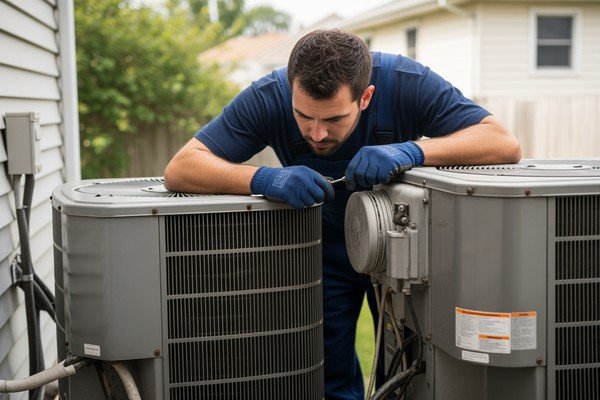
When your heating system falters, the urgency of the situation can sometimes lead to hasty decisions. However, choosing the right heating repair company in Monroeville, PA, is critical for ensuring a safe, effective, and lasting solution. A reputable provider offers not just a fix, but peace of mind, backed by expertise and professionalism. We understand that finding a trustworthy contractor can feel overwhelming, but by focusing on a few key criteria, you can confidently select a company that meets your needs.
Essential Credentials for a Trustworthy Technician
The foundation of any good HVAC service lies in the qualifications and integrity of its technicians. Here’s what we recommend looking for:
- State Licensing: Verify that the company and its technicians are properly licensed to perform HVAC work in Pennsylvania. Licensing ensures that they have met specific educational, experience, and examination requirements set by the state, demonstrating a baseline level of competence and adherence to industry standards. Operating without proper licensing can lead to shoddy work, safety risks, and difficulty seeking recourse if problems arise.
- Liability Insurance: A reputable company will carry comprehensive liability insurance. This protects you, the homeowner, from financial responsibility in case of accidental damage to your property or injury to a technician while they are working in your home. Always ask for proof of insurance before any work begins.
- Experience with Various System Types: Heating systems come in many forms-furnaces (gas, oil, electric), boilers, heat pumps, and ductless mini-splits. A truly skilled technician should have broad experience across these different types and brands. This versatility ensures they can accurately diagnose and repair your specific system, regardless of its make or model. Inquire about their experience with your particular type of heating equipment.
- Certifications: Beyond state licensing, look for technicians who hold certifications from recognized industry organizations, such as NATE (North American Technician Excellence). NATE certification signifies a technician has passed rigorous, specialized exams and possesses a high level of knowledge and skill in specific HVAC areas. These certifications reflect a commitment to ongoing education and professional development.
- Positive Customer Testimonials and Reviews: Online reviews are a powerful tool. Check platforms like Google, Yelp, and Angi for customer feedback. Look for consistent themes of professionalism, punctuality, clear communication, fair pricing, and effective problem-solving. While a single negative review shouldn’t be a deal-breaker, a pattern of poor service is a definite red flag.
- Written Estimates: A professional company will always provide a detailed written estimate before starting any work. This estimate should clearly outline the scope of the repair, the parts needed, labor costs, and any additional fees. Be wary of companies that offer vague verbal estimates or pressure you into immediate decisions without providing a written breakdown.
- Professionalism: From the initial phone call to the completion of the service, observe the company’s professionalism. This includes clear communication, punctuality, technicians arriving in marked vehicles and uniforms, and a respectful attitude towards your home and property. They should be willing to answer your questions thoroughly and explain the diagnosis and repair process understandably.
Why Local Expertise Matters for HVAC Repair
Choosing a local Monroeville-based HVAC company offers distinct advantages that national chains or distant services often cannot match.
- Regional Climate Knowledge:Monroeville, PA, experiences distinct seasonal weather patterns, including cold, snowy winters. A local technician is intimately familiar with how these specific climate conditions impact heating systems. They understand the common issues that arise from freezing temperatures, humidity fluctuations, and heavy usage during peak season, enabling more accurate diagnoses and practical solutions.
- Local Building Code Familiarity: Local contractors are well-versed in Monroeville’s specific building codes and regulations. This ensures that any repairs or installations are compliant, preventing potential legal issues or future complications.
- Faster Response Times: In a heating emergency, every minute counts. Local companies can typically offer quicker response times, especially for urgent repair needs, because their technicians are already in the vicinity. This is particularly valuable during harsh winter weather when a breakdown can quickly become a health and safety concern.
- Community Reputation: Local businesses often rely heavily on their reputation within the community. They are more accountable to their customers because negative experiences can significantly impact their standing. This usually translates into higher customer service and a greater commitment to customer satisfaction. Finding a local expert ensures they understand regional climate challenges, a key factor for anyone seeking Trustworthy Monroeville HVAC repair or services in other areas with distinct weather patterns.
- Personalized Service: Local companies frequently offer a more customized approach. They may be more willing to build long-term relationships with customers, offering custom advice and services that consider your home’s unique needs and history.
By prioritizing these credentials and recognizing the value of local expertise, you can confidently select an HVAC service provider that will deliver reliable, high-quality heating repair services for your Monroeville home.
The Proactive Approach: The Value of Regular HVAC Maintenance
While addressing heating repairs as they arise is essential, a proactive strategy through regular HVAC maintenance is arguably the most effective way to ensure your system’s longevity, efficiency, and reliability. Many homeowners overlook the importance of routine tune-ups until a problem forces their hand. However, just like a car, your heating system requires consistent care to perform optimally, especially given the demands placed on it during Monroeville’s cold winters. We consistently emphasize that maintenance is not an expense, but an investment that pays dividends in comfort, savings, and peace of mind.
Regular maintenance is designed to catch minor issues before they become significant problems. During a typical service visit, a qualified technician will carefully inspect, clean, and adjust various components of your heating system. This comprehensive check-up ensures that everything is working in harmony and at peak performance. Without this routine care, dust and debris can accumulate, parts can wear down unnoticed, and efficiency can slowly degrade, leading to unexpected breakdowns and higher operating costs.
The Benefits of Regular Heating System Maintenance in Monroeville, PA
Investing in annual heating system maintenance yields a multitude of advantages for homeowners:
- Prevents Breakdowns: This is perhaps the most immediate and appreciated benefit. Regular inspections allow technicians to identify and address minor issues-like loose connections, worn belts, or dirty components-before they escalate into system failures. This significantly reduces the likelihood of experiencing a sudden breakdown on the coldest day of the year, preventing discomfort and emergency repair costs.
- Improves Energy Efficiency: A well-maintained heating system operates more efficiently. Over time, components can become dirty or misaligned, forcing the system to work harder and consume more energy to achieve the same heating output. Tune-ups involve cleaning coils, checking refrigerant levels (for heat pumps), lubricating moving parts, and ensuring all electrical connections are secure. This optimization reduces energy waste, resulting in lower monthly utility bills.
- Extends Equipment Lifespan: Your heating system is a significant investment. Regular maintenance helps to preserve its components, reducing wear and tear. By keeping parts clean, lubricated, and properly adjusted, you can significantly extend the operational life of your furnace, boiler, or heat pump, delaying the need for a costly replacement. This means you get more years of reliable service out of your existing unit.
- Improves Indoor Air Quality: During maintenance, technicians will clean or replace air filters and inspect ductwork. A clean filter is crucial for trapping dust, allergens, and pollutants, preventing them from recirculating throughout your home. This leads to cleaner, healthier indoor air, which is particularly beneficial for individuals with allergies or respiratory sensitivities.
- Protects Warranties: Many HVAC manufacturers require proof of annual professional maintenance to keep your system’s warranty valid. Skipping these essential tune-ups could void your warranty, leaving you responsible for the full cost of repairs if a major component fails. Regular maintenance records provide the documentation required to keep your warranty active.
- Ensures Safety: For gas furnaces and boilers, safety is paramount. Maintenance checks include inspecting for gas leaks, checking the heat exchanger for cracks (which can lead to carbon monoxide leaks), and verifying that the combustion process is safe and efficient. These checks are vital for protecting your family from potentially dangerous hazards.
Typical Heating System Maintenance Checklist
A comprehensive heating system tune-up usually includes:
- Thermostat Calibration: Checking for accuracy and proper function.
- Air Filter Inspection and Replacement: Ensuring optimal airflow and air quality.
- Blower Motor Check: Lubricating moving parts and inspecting for wear.
- Electrical Connection Tightening:Securing all wiring to prevent hazards and ensure consistent power.
- Burner and Pilot Light Cleaning/Inspection (Furnaces):Ensuring efficient combustion and proper ignition.
- Heat Exchanger Inspection (Furnaces): Checking for cracks or damage that could lead to carbon monoxide leaks.
- Flue Pipe Inspection: Ensuring adequate venting of exhaust gases.
- Gas Pressure Check (Gas Furnaces):Verifying correct fuel delivery.
- Condensate Drain Cleaning (Furnaces/Heat Pumps): Preventing clogs and water damage.
- Refrigerant Level Check (Heat Pumps): Ensuring optimal heating performance.
- Outdoor Unit Coil Cleaning (Heat Pumps): Removing debris to improve heat transfer efficiency.
- System Controls Testing: Verifying safety and operational controls.
By committing to regular heating system maintenance, Monroeville homeowners can enjoy consistent comfort, lower energy bills, a longer-lasting system, and the peace of mind that comes from knowing their home is safely and efficiently heated.
Conclusion
Navigating the complexities of heating repair in Monroeville, PA, doesn’t have to be stressful. Throughout this extensive guide, we’ve aimed to equip you with the knowledge and confidence to make informed decisions about your home’s heating system. From recognizing the subtle signs of a brewing problem to understanding the critical choice between repair and replacement, and finally selecting a truly trustworthy professional, every step is vital for maintaining a comfortable, safe home environment.
We’ve explored how common indicators like strange noises, uneven heating, and unexpected spikes in energy bills serve as crucial warning signals that your system needs attention. We also highlighted simple DIY checks that homeowners can perform, potentially saving a service call for minor issues. When it comes to the repair-versus-replacement dilemma, factors such as your system’s age, the frequency and cost of repairs, and its overall energy efficiency should guide your decision, ensuring you make a financially sound choice for the long term.
Crucially, the success of any heating service hinges on the expertise of the professionals you choose. We emphasized the importance of vetting companies based on essential credentials such as state licensing, comprehensive insurance, and certifications, as well as a track record of positive customer testimonials. The unique advantages of choosing a local Monroeville HVAC expert, with their understanding of regional climate challenges and commitment to community reputation, cannot be overstated.
Finally, we underscored the invaluable benefits of a proactive approach through regular heating system maintenance. This preventative measure is your best defense against unexpected breakdowns, ensuring optimal energy efficiency, extending the lifespan of your equipment, improving indoor air quality, and safeguarding your system’s warranty.
Empowering yourself with this knowledge means you’re better prepared to address any heating challenge that comes your way. Don’t wait for a complete system failure to take action. By being observant, making informed choices, and partnering with reputable local professionals, you can ensure your Monroeville home remains warm, comfortable, and efficient throughout the coldest months. Be proactive about your HVAC health, and enjoy the lasting benefits of a well-maintained heating system.