Customized System Design for Optimal Home Heating and Cooling
Introduction
Finding the perfect balance between keeping your home comfortable and managing energy costs can be a real challenge, especially with our region’s changing weather. Many homeowners in places like Puyallup, WA, face fluctuating temperatures, making it hard to rely on a single heating or cooling solution. That’s where exploring the best dual fuel heat pump systems becomes essential. These innovative systems offer a smart way to ensure year-round comfort while aiming for greater energy efficiency and lower utility bills. We understand the importance of a heating and cooling system that truly fits your home’s unique needs and climate. For those seeking the best custom dual fuel heat pumps tailored to their specific requirements, understanding the technology is the first step.
This guide will help us explore dual fuel heat pumps. We will explain how these hybrid systems work by combining the strengths of an electric heat pump and a gas furnace. We’ll look at their main parts, how they can save energy, and when they are the right choice for your home. We will also discuss important factors like climate suitability, efficiency ratings, and what to consider for installation and upkeep. By the end, you’ll have a clearer picture of whether a dual fuel system is the right upgrade for your comfort needs.
Understanding the Mechanics of Dual Fuel Heating Systems
A dual fuel heat pump system, often referred to as a hybrid heating system, represents a sophisticated approach to home comfort. It ingeniously combines two distinct heating technologies: an electric heat pump and a gas furnace. This pairing allows the system to leverage the strengths of each component, providing efficient heating and cooling throughout the year.
At its core, a dual fuel system operates with a high-efficiency electric heat pump as its primary heating and cooling source. A heat pump functions by transferring heat rather than generating it. In cooler weather, it extracts latent heat from the outdoor air, even when temperatures are low, and moves it indoors. In warmer months, this process reverses, pulling heat from inside your home and expelling it outside, effectively acting as an air conditioner. This heat transfer mechanism makes heat pumps incredibly energy-efficient, often achieving efficiencies greater than 100% under certain conditions.
The second component is a traditional gas furnace, which serves as a powerful backup. While heat pumps are remarkably efficient, their performance can decrease as outdoor temperatures plummet significantly. This is where the gas furnace steps in. Furnaces generate heat by burning natural gas, propane, or oil, providing robust warmth even in the coldest conditions. Modern high-efficiency gas furnaces typically operate at 95% efficiency or above.
The main components of a dual fuel system include:
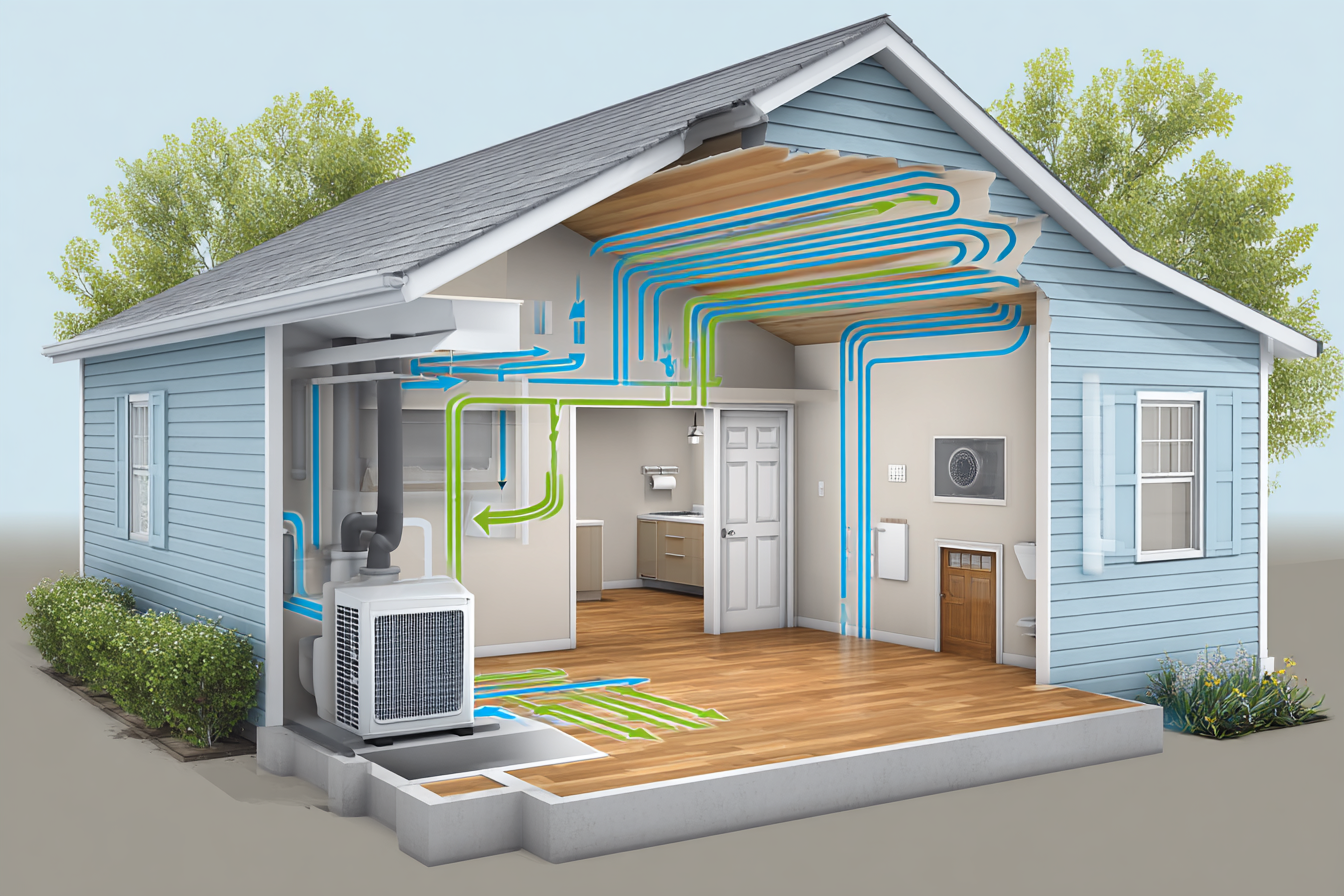
- Outdoor Unit (Heat Pump): This unit contains the compressor, coils, and fan responsible for heat transfer.
- Indoor Coil: Located within the indoor air handler or furnace, this coil works with the outdoor unit to exchange heat with the indoor air.
- Gas Furnace: This unit, typically installed indoors, provides supplemental heat when needed.
- Refrigerant Lines: These connect the indoor and outdoor coils, allowing the refrigerant to circulate and transfer heat.
- Smart Thermostat: This crucial component manages the entire system, automatically switching between the heat pump and the furnace.
The hallmark of a dual fuel system is its automatic switching mechanism. A sophisticated thermostat or control system continuously monitors the outdoor temperature. When temperatures are mild, typically above a preset “switchover point” (often around 30°F to 40°F, depending on the system and climate), the heat pump handles all heating needs. The heat pump is so efficient that, in most dual fuel systems, it does the heating 70% to 90% of the time, depending on the severity of winter weather.
However, when the outdoor temperature drops below this predetermined threshold, the system intelligently switches to the gas furnace. This ensures that your home remains comfortably warm without relying on the heat pump when its efficiency is compromised. This strategic switching maximizes energy efficiency and minimizes operating costs, as each heating source is utilized when it is most effective. The ability to automatically choose the most cost-effective and efficient heating source based on weather conditions is a significant advantage, particularly in regions with fluctuating temperatures. This intelligent operation allows homeowners to benefit from the superior efficiency of heat pumps for most of the year, while still having the reliable, powerful heating of a gas furnace for extreme cold snaps.
The Role of Custom HVAC Design in Residential Comfort
Achieving optimal home comfort and energy efficiency with any HVAC system, especially a dual fuel heat pump, hinges significantly on custom HVAC design. Every home is unique, and a one-size-fits-all approach rarely delivers the best results. Factors such as your home’s square footage, insulation levels, window orientation, and even the integrity of your ductwork play a critical role in determining the ideal system configuration.
Custom HVAC design involves a thorough assessment of these variables to ensure the chosen dual fuel system is perfectly matched to your home’s specific heating and cooling demands. This process goes beyond simply selecting a unit; it delves into airflow dynamics, ensuring that conditioned air is distributed evenly and effectively throughout every room. A well-designed system prevents issues like hot or cold spots, guaranteeing consistent comfort.
For instance, understanding your home’s insulation and window orientation helps us determine its heat loss and gain characteristics. This information is crucial for accurately sizing the system. Proper ductwork integrity is also paramount; leaky ducts can waste 20% to 30% of the air moving through the system, undermining even the most efficient dual fuel setup. A comprehensive design process includes load calculations, often performed using industry-standard methods like Manual J, to precisely determine the required BTU capacity. This meticulous approach ensures personalized comfort and maximizes the return on your investment in a high-efficiency system.
Precision Load Calculations for Custom HVAC Design
The cornerstone of effective custom HVAC design is precision load calculations. This process scientifically determines the exact heating and cooling BTU (British Thermal Unit) capacity your home requires. Without accurate load calculations, there’s a significant risk of either oversizing or undersizing your dual fuel system, both of which lead to inefficiencies and discomfort.
An oversized system, for example, will “short cycle” – meaning it turns on and off too frequently. While it might seem like more power is better, short cycling prevents the system from running long enough to effectively dehumidify the air, leading to clammy indoor conditions. It also puts undue stress on components, shortening their lifespan and consuming more energy due to frequent startups. Conversely, an undersized system will struggle to maintain desired temperatures during peak demand, running almost continuously without achieving optimal comfort, leading to higher energy bills and discomfort.
Right-sizing your dual fuel heat pump system ensures that each component-the heat pump and the furnace-operates within its most efficient range. This not only optimizes energy consumption but also enhances humidity control, creating a more comfortable indoor environment. By investing in a system that is precisely matched to your home’s unique characteristics, we can avoid energy waste and ensure your dual fuel system delivers on its promise of efficiency and comfort.
Integrating Smart Controls into Your Custom HVAC Design
In today’s interconnected world, integrating smart controls is an essential aspect of custom HVAC design, especially for advanced systems like dual fuel heat pumps. Smart thermostats are the brain of these systems, offering far more than basic temperature adjustments. They enable an “intelligent switchover” between the heat pump and the gas furnace, constantly optimizing for efficiency and comfort based on real-time outdoor conditions and energy costs.
These advanced thermostats allow for remote monitoring and management of your heating and cooling system from anywhere via a smartphone app. This means you can adjust settings, track energy usage, and receive critical alerts, giving you unprecedented control over your home’s climate. Many smart thermostats also incorporate learning algorithms, adapting to your family’s routines and preferences to further fine-tune operation and maximize savings.
For a dual fuel system, the smart thermostat’s ability to precisely manage the switchover point is invaluable. It can be programmed to consider factors like the current cost of electricity versus natural gas, ensuring the system always defaults to the most economical heating source for the given conditions. This level of algorithmic control ensures that your dual fuel system is always performing at its peak efficiency, delivering consistent comfort while keeping utility bills in check. The seamless integration of these smart technologies transforms a powerful HVAC system into a truly intelligent home comfort solution.
Climate Suitability and Efficiency Standards for Hybrid Systems
Dual fuel heat pump systems are particularly well-suited for specific climates, offering their greatest advantages in regions that experience moderate to cold winters and warm summers. They are most effective in areas with four distinct seasons and varied temperatures, such as those typically classified as climate zones 6 and 7. In these environments, the heat pump can efficiently handle the majority of heating during milder periods, while the gas furnace provides reliable, powerful heat during the coldest stretches.
For example, in the Pacific Northwest, where winters can be damp and chilly but rarely plunge into extreme sub-zero temperatures for extended periods, a dual fuel system shines. The heat pump can operate efficiently for most of the winter, only handing off to the gas furnace when temperatures drop significantly. This contrasts with very mild climates where a heat pump alone might suffice, or extremely cold climates where the furnace would be needed so frequently that the benefits of the heat pump are diminished.
When considering a dual fuel heat pump, understanding energy efficiency ratings is crucial. We look for several key indicators:
- SEER2 (Seasonal Energy Efficiency Ratio 2): This measures the cooling efficiency of the heat pump. Higher SEER2 ratings indicate greater efficiency and lower cooling costs.
- HSPF2 (Heating Seasonal Performance Factor 2): This measures the heating efficiency of the heat pump. A higher HSPF2 rating means the heat pump uses less electricity to produce heat.
- AFUE (Annual Fuel Utilization Efficiency): This rating applies to the gas furnace component, indicating how efficiently it converts fuel into heat. For northern climates, we recommend a furnace with at least 95% AFUE.
Many high-efficiency dual fuel systems incorporate advanced features like variable-speed motors and two-stage compressors. Variable-speed motors allow the system to operate at different capacities, precisely matching the heating or cooling load, which leads to more consistent temperatures, better humidity control, and quieter operation. Two-stage compressors offer a similar benefit, allowing the heat pump to run at a lower capacity for most of the time and ramp up only when demand is higher. These features contribute significantly to both comfort and energy savings.
Beyond cost savings, dual fuel systems also contribute to a reduced carbon footprint. By relying on the electric heat pump for the majority of heating, they decrease the consumption of fossil fuels. Government of Canada research tracked a 30% reduction of emissions for dual fuel systems with smart switching controls versus a gas furnace alone, highlighting their environmental benefits. This makes them an attractive option for homeowners looking to reduce their environmental impact while maintaining optimal comfort.
Long-Term Performance and Maintenance Requirements
Investing in a dual fuel heat pump system is a significant decision, and understanding its long-term performance and maintenance requirements is key to maximizing its lifespan and efficiency. With proper care, these robust systems are designed for durability. While individual gas furnaces typically last 15 to 20 years and heat pumps generally last 10 to 20 years, a dual fuel system can often exceed these figures, with an expected lifespan of 20 to 25 years. This extended longevity is largely due to the shared workload between the heat pump and the furnace, which reduces wear and tear on each component.
To ensure your dual fuel system operates reliably and efficiently for decades, a consistent maintenance regimen is essential. We strongly recommend scheduling annual tune-ups by certified HVAC technicians. These comprehensive inspections often involve a 21-point inspection that covers everything from checking refrigerant levels and electrical connections to inspecting the furnace’s heat exchanger and burner assembly.
Beyond professional tune-ups, homeowners can perform several simple yet crucial maintenance tasks. Regularly changing air filters (every 1-3 months, or more frequently if you have pets or allergies) is paramount for maintaining good indoor air quality and ensuring efficient airflow. We also advise keeping the outdoor heat pump unit free from debris like leaves, grass clippings, and snow, and ensuring that vents are unobstructed. Periodically cleaning the indoor coil can also prevent buildup that hinders performance.
This preventative maintenance approach is vital for several reasons. First, it helps identify and address minor issues before they escalate into costly repairs. Second, it maintains the system’s operational reliability, ensuring consistent heating and cooling when you need it most. Third, it directly contributes to energy efficiency, as a well-maintained system consumes less energy. Finally, by reducing wear and tear on components, regular maintenance extends the overall lifespan of your dual fuel system, protecting your investment for years to come. For more detailed guidance, our article on 3 Easy DIY HVAC Upkeep Tasks Homeowners Can Do Between Professional Visits offers practical tips.
Frequently Asked Questions about Dual Fuel Systems
We often receive questions from homeowners considering a dual fuel heat pump system. Here, we address some of the most common inquiries to help you make an informed decision.
Can I integrate a heat pump with my existing gas furnace?
Yes, in many cases, you can integrate a heat pump with your existing gas furnace to create a dual fuel system. This is often an affordable option, especially if your furnace is relatively new and in good working condition. The process typically involves adding an outdoor heat pump unit, an indoor coil (which may be installed with your existing furnace), and connecting them with refrigerant lines and a compatible smart thermostat.
However, several factors need to be considered for successful retrofitting. The age and condition of your existing furnace are crucial; if your furnace is over 15 years old or showing signs of decline, it might be more cost-effective in the long run to replace both units as part of a new, integrated dual fuel system. Compatibility is also key; the heat pump and furnace need to be able to communicate effectively through the control system. An HVAC professional can assess your current setup to determine the feasibility and recommend the best integration flexibility for your home, ensuring that the components work seamlessly together. Our guide on Furnace System Upgrades can provide additional context.
How does a dual fuel system handle cooling during the summer?
One of the significant advantages of a dual fuel heat pump system is its year-round functionality, including efficient cooling during the warmer months. When summer arrives, the heat pump simply reverses its refrigerant cycle. Instead of extracting heat from the outside air and moving it indoors, it pulls heat and humidity from inside your home and expels it outside. This process is identical to how a standard air conditioner operates.
This means your dual fuel system provides powerful cooling and effective dehumidification, ensuring your home remains comfortable even on the hottest days. The heat pump component is designed to be highly energy-efficient in cooling mode, much like it is in heating mode. This dual capability eliminates the need for a separate air conditioning unit, streamlining your HVAC system and offering comprehensive climate control from a single integrated system. This makes a dual fuel system a truly versatile solution for residential heating and cooling.
Are there federal incentives for installing high-efficiency hybrid systems?
Absolutely. Governments and utility providers recognize the energy-saving and environmental benefits of high-efficiency hybrid systems like dual fuel heat pumps, and as a result, various incentives are often available. Many select heat pumps qualify for federal tax credits if they meet specific energy efficiency standards set by the U.S. Department of Energy. These credits can significantly reduce the upfront cost of installation, making these systems more financially accessible.
Beyond federal programs, you may also find a range of rebates and local utility incentives. Many local energy providers offer rebates for installing ENERGY STAR® certified HVAC equipment, including dual fuel heat pumps. For example, some programs offer rebates of $5,000 or more for qualifying systems. These incentives are designed to encourage homeowners to upgrade to more energy-efficient technologies, leading to long-term savings on utility bills and contributing to broader energy conservation goals. It’s always advisable to consult with your HVAC professional and check with your local utility company or government energy websites (like energystar.gov) to understand the current eligibility criteria and available financial incentives in your area. These programs contribute to the financial sustainability of your investment. We also offer financing options to help make these upgrades more manageable.
Conclusion
The journey to finding the ideal home comfort system can be complex, but dual fuel heat pumps offer a compelling solution for many homeowners. By intelligently combining the energy efficiency of an electric heat pump with the robust heating power of a gas furnace, these systems provide tailored solutions that adapt to varying climates and energy costs. We’ve explored how these hybrid systems work, their critical components, and the significant benefits they offer in terms of energy savings, year-round comfort, and reduced environmental impact.
We understand that a dual fuel heat pump system is an investment, but its long-term advantages, including extended lifespan and potential eligibility for tax credits and rebates, make it a smart choice for many. Its ability to provide consistent warmth and cooling, while optimizing for the most efficient fuel source, makes it a future-proof heating solution for modern homes.
The best dual fuel heat pump system for your home is one that is custom-designed and expertly installed to meet your unique needs. We encourage you to seek professional consultation from qualified HVAC experts. They can assess your home’s specific requirements, perform precise load calculations, and guide you through selecting a system that will deliver optimal comfort and efficiency for years to come. Choose wisely, and enjoy the unparalleled comfort and savings that a well-designed dual fuel system can bring to your home.