Beyond the Filter: The Science of Improving Your Home’s Indoor Air Quality
The Hidden World Inside Your HVAC System
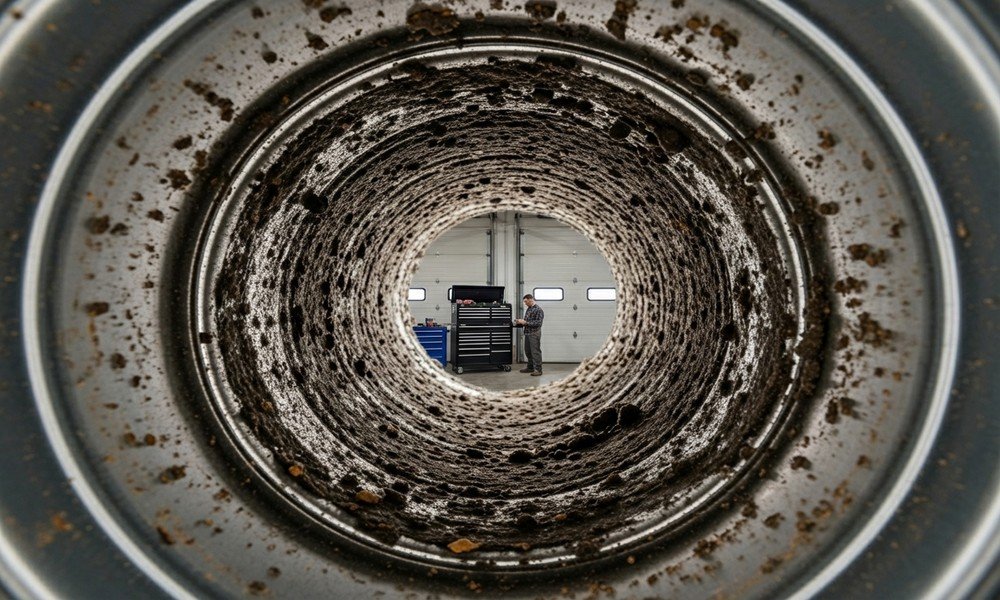
Beneath the visible grilles and registers, your home’s HVAC system houses a complex network of ducts that serve as the lungs of your living space. Over time, these pathways can accumulate a surprising amount of contaminants, changing them into a hidden reservoir of indoor air pollutants. We often focus on changing air filters, but what about the dust, debris, and microscopic organisms that bypass these filters or settle within the ductwork itself?
Consider the array of particles that can collect within your ducts: common household dust, dust mites and their waste products, pet dander, mold spores, bacteria, and even volatile organic compounds (VOCs) from cleaning products or building materials. These contaminants are not static; your forced-air system constantly recirculates them throughout your home every time the heating or cooling kicks on. This recirculation can significantly impact indoor air quality, making it a critical factor for your family’s health and comfort.
For individuals with allergies, asthma, or other respiratory sensitivities, the presence of these airborne irritants can trigger a range of symptoms, from sneezing and coughing to more severe asthma attacks. Even for those without pre-existing conditions, prolonged exposure to poor indoor air quality can lead to general respiratory irritation, headaches, and a feeling of stuffiness or malaise. Recognizing the signs of contamination, such as a persistent musty odor emanating from your vents or visible dust accumulating rapidly on surfaces, is the first step toward addressing this often-overlooked aspect of home maintenance.
How Your Home’s “Lungs” Get Dirty
The accumulation of debris in your HVAC system isn’t always obvious, but several factors contribute to it. Every day, airborne particles generated from cooking, cleaning, pet activity, and outdoor air infiltration enter your home and eventually settle within the ductwork. These particles, no matter how small, can build up over time, forming layers of dust and grime.
Moisture is another significant culprit. Condensation from your air conditioning system, minor leaks in ductwork, or even high indoor humidity can create an ideal breeding ground for mold, mildew, and bacteria. Once established, these microbial contaminants release spores and toxins into the air, further degrading your indoor air quality.
Beyond everyday dust, specific events can dramatically increase duct contamination. Construction or renovation projects, for instance, release vast quantities of dust, sawdust, and other debris that can easily infiltrate and settle within your HVAC system. Similarly, if your home has experienced a pest infestation, rodents or insects might build nests or leave droppings inside your ducts, introducing biohazards and unpleasant odors. A lack of regular HVAC maintenance, such as infrequent filter changes or neglecting annual system checks, only exacerbates these issues, allowing contaminants to accumulate unchecked.
The Health Connection: Breathing in Contaminants
The quality of the air we breathe directly impacts our health, and the hidden contaminants within your HVAC system play a significant role. For those who suffer from allergies, the constant circulation of dust mites, pet dander, pollen, and mold spores can turn their own home into a perpetual trigger zone. These allergens can lead to chronic sneezing, itchy eyes, runny noses, and skin rashes, making daily life uncomfortable.
Asthma sufferers are particularly vulnerable. Exposure to airborne irritants can exacerbate their condition, leading to increased frequency and severity of asthma attacks. Beyond allergies and asthma, poor indoor air quality can contribute to persistent sinus issues, dry throats, and general respiratory irritation, often mistaken for seasonal colds or persistent environmental sensitivities.
The risks extend beyond immediate symptoms. Long-term exposure to certain airborne pollutants can have more serious health implications. While a light amount of household dust in air ducts poses no health risk, the presence of specific biological contaminants like certain molds can be concerning. Sensitive individuals, including young children, the elderly, and those with compromised immune systems, are especially susceptible to these effects. We believe that if you or your family members suffer from allergies, asthma, sinus issues, or other respiratory illnesses, addressing your HVAC system’s cleanliness can help improve your symptoms and overall well-being.
A Deeper Clean: The Role of Professional HVAC System Cleaning
When we talk about “air duct cleaning,” it’s often a misnomer. A truly effective cleaning goes far beyond just the ducts; it involves a comprehensive cleaning of your entire HVAC system. This holistic approach is crucial because contaminants can reside in various components, and neglecting any part can lead to recontamination of the whole system. The core principle of professional HVAC cleaning is “source removal,” meaning technicians aim to physically remove contaminants from your system, rather than simply moving them around.
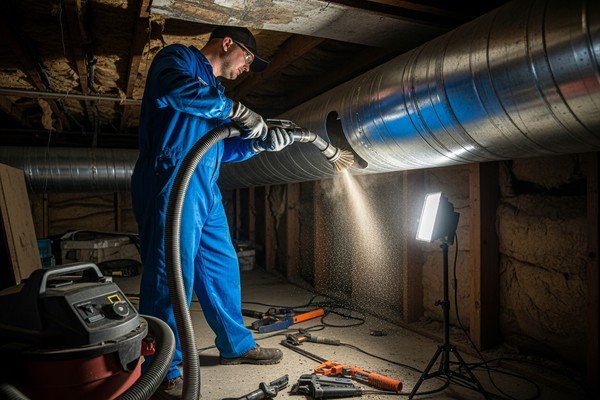
This process typically involves placing the HVAC system under continuous negative pressure using powerful vacuums. This creates a suction effect, preventing contaminants from spreading into your living spaces during the cleaning. Specialized tools are then used to dislodge debris from the interior surfaces of the ductwork and other components, which are immediately captured by the vacuum system.
To ensure high standards and effective results, many reputable companies adhere to guidelines set by industry organizations like the National Air Duct Cleaners Association (NADCA). NADCA’s standards emphasize a thorough, system-wide cleaning, ensuring that all components that contribute to the air circulating in your home are addressed. This comprehensive approach is what truly makes a difference in improving your indoor air quality.
What a Professional Cleaning Actually Involves
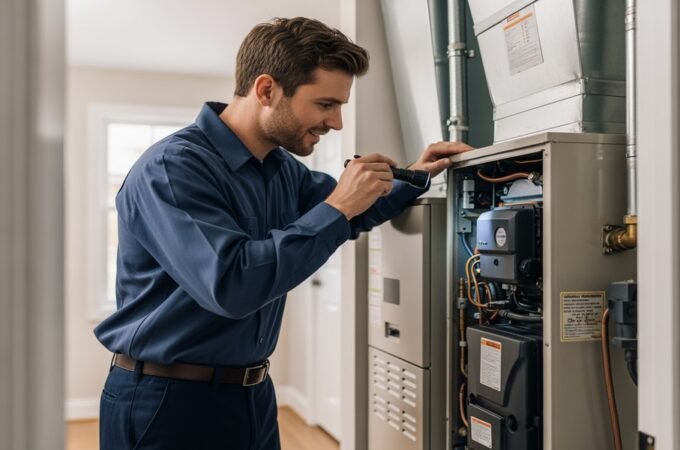
A professional HVAC and duct cleaning service is a meticulous process designed to restore your system to optimal cleanliness. It begins with a thorough inspection of your entire system to identify areas of significant contamination and any potential issues. Once the assessment is complete, the cleaning process targets all components, not just the visible vents.
Here’s a list of the key components typically included in a professional cleaning:
- Supply and Return Ducts: These are the primary pathways for air distribution. Technicians use specialized agitation tools, such as rotary brushes, air whips, or compressed air nozzles, to dislodge accumulated dust, debris, and other contaminants from the interior surfaces.
- Registers and Grilles: The covers of your vents are often overlooked but can harbor significant dust and grime. They are typically removed, cleaned, and sometimes sanitized.
- Blower Motor and Housing: The blower motor is responsible for moving air through your system. When dirty, it can reduce airflow and efficiency. Cleaning this component ensures proper air circulation.
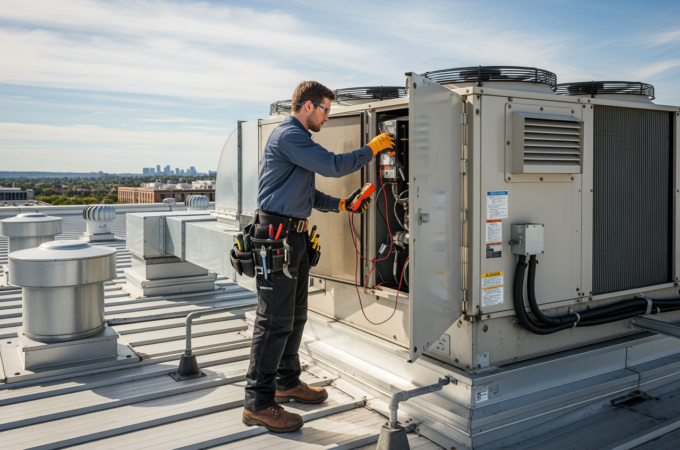
- Evaporator and Condenser Coils:These coils are critical for heating and cooling. They can accumulate dirt, dust, and even mold, which impedes heat transfer and reduces efficiency. Cleaning them is vital for system performance and air quality.
- Drain Pan: Located beneath the evaporator coil, the drain pan collects condensation. A dirty or clogged pan can lead to water overflow and mold growth.
- Heat Exchanger: In furnaces, the heat exchanger transfers heat to the air. Keeping it clean ensures efficient operation and safety.
- Air Filter and Air Cleaner Housing:While you regularly change filters, the housing itself can collect dust. A professional cleaning includes ensuring this area is clear.
Throughout the process, technicians maintain continuous negative pressure to contain loosened debris. Containment is key, often involving sealing registers and using high-powered, HEPA-filtered vacuum systems to prevent contaminants from spreading into your home during the cleaning. This systematic approach ensures that your entire HVAC system is free from accumulated pollutants.
When to Consider a Professional Cleaning
Deciding when to schedule a professional HVAC and duct cleaning can be a crucial step in maintaining a healthy home environment. While some sources suggest that routine cleaning isn’t always necessary, there are definitive signs and situations where it becomes highly recommended.
One of the most obvious indicators is visible mold growth inside your hard surface ducts or on other components of your heating and cooling system. If you suspect mold, address the underlying moisture issue first. Another clear sign is evidence of a pest infestation, such as rodents or insects, within your ductwork. Their presence introduces allergens and potential pathogens that require immediate removal.
You should also consider cleaning if your ducts are clogged with excessive dust and debris, especially if you notice particles being released from your supply registers. This indicates a significant buildup that can impair air quality and system efficiency. Major life events or home projects can also necessitate a cleaning. A post-renovation cleanup is essential to remove construction dust, which can be pervasive and harmful. Similarly, if you are moving into a new home, a professional cleaning ensures you start with a fresh, clean slate, free from previous occupants’ allergens or contaminants.
If family members are experiencing unexplained allergy symptoms, asthma flare-ups, or other respiratory issues that seem to worsen indoors, dirty ductwork could be a contributing factor. While duct cleaning should only be undertaken as a last resort, after other measures have been exhausted, it can be a critical step. It should always be performed after a thorough evaluation of the system and once the contaminant source has been identified and controlled. For general maintenance and good air quality, many professionals recommend considering duct cleaning every 2-3 years, or more frequently if you have pets, smokers, or live in a dusty environment.
Beyond Cleaning: A Guide to Advanced Indoor Air Quality Solutions
While professional HVAC and duct cleaning is a powerful step towards improving your home’s indoor air quality, it’s part of a larger strategy. A truly healthy indoor environment requires a multi-faceted approach that extends beyond periodic deep cleaning. We encourage homeowners to think proactively about source control, effective ventilation, and advanced air purification technologies. By combining these strategies, you can create a continuously clean and comfortable living space.
Foundational Indoor Air Quality Solutions: System Maintenance
The cornerstone of excellent indoor air quality lies in consistent, foundational HVAC system maintenance. This begins with regular filter changes. Your air filter is the first line of defense against airborne particles entering your system and circulating through your home. We recommend checking your filter monthly and replacing it every 1-3 months, depending on factors like pet ownership, allergies, and local air quality. Opting for filters with higher MERV (Minimum Efficiency Reporting Value) ratings can capture smaller particles, but always ensure your HVAC system is compatible with the MERV rating you choose, as higher ratings can restrict airflow if your system isn’t designed for them.
Another critical step is sealing duct leaks. Leaky ducts can draw in unfiltered air from attics, crawl spaces, and wall cavities, introducing dust, insulation fibers, and other contaminants directly into your airflow. Sealing these leaks not only improves air quality but also improves energy efficiency, preventing conditioned air from escaping. For a comprehensive approach to HVAC and duct cleaning, including detailed information on maintaining your entire system, we recommend exploring resources that cover all aspects of system hygiene. This includes the often-overlooked but vital task of coil cleaning. Dirty evaporator and condenser coils significantly reduce your system’s efficiency and can harbor mold. A dirty furnace, for example, can burn more fuel, leading to higher energy bills, underscoring the importance of keeping all components clean. Regular furnace inspections also ensure that your heating system is running safely and efficiently, contributing to overall indoor air quality.
High-Tech Indoor Air Quality Solutions: Purification and Control
Beyond foundational maintenance, modern technology offers advanced solutions to further lift your home’s indoor air quality. Whole-home air purifiers can be integrated directly into your HVAC system, treating all the air that circulates throughout your home. These systems often use advanced filtration (like HEPA filters) and other technologies to remove microscopic particles, allergens, viruses, and bacteria more effectively than standard filters.
UV light sanitizers, installed within your ductwork or near the evaporator coil, use ultraviolet germicidal irradiation to neutralize airborne mold spores, bacteria, and viruses as they pass through the system. This is a powerful tool for combating biological contaminants, especially in areas prone to moisture.
Humidifiers and dehumidifiers play a crucial role in maintaining optimal indoor humidity levels. Too much humidity can foster mold growth, while too little can exacerbate respiratory issues and dry out skin. Whole-home systems automatically balance humidity, contributing to both comfort and health.
Finally, smart thermostats offer precise control over your HVAC system’s operation, allowing you to optimize temperature and humidity settings for energy efficiency and comfort. Some even integrate with air quality sensors, providing insights into your home’s environment. For those looking to introduce fresh outdoor air without compromising energy efficiency, energy recovery ventilators (ERVs) exchange stale indoor air with fresh outdoor air, recovering heat or coolness in the process. These advanced solutions, when combined with regular cleaning and maintenance, create a truly superior indoor air environment.
Making an Informed Decision for Your Home
Choosing to invest in a professional service like Gray Duct HVAC and duct cleaning is a significant decision for your home and health. To ensure you receive quality service and avoid potential pitfalls, approach the process with a clear understanding of what to look for in a service provider, how to prepare your home, and what to expect. Making an informed decision means not only understanding the benefits of the service but also being aware of how to protect yourself from scams and ensure the work is done correctly.
Finding a Qualified Professional
The market for HVAC and duct cleaning services can be varied, making it crucial to find a reputable and qualified professional. We strongly recommend looking for companies that hold NADCA (National Air Duct Cleaners Association) certification. NADCA sets the industry standards for HVAC system cleaning and restoration, ensuring that certified technicians are trained in proper procedures and ethics. This certification indicates a commitment to quality and adherence to best practices.
When evaluating potential providers, always verify their credentials. Don’t hesitate to ask about their training, certifications, and experience. Requesting references from previous customers can also provide valuable insights into their reliability and the quality of their work. Be wary of companies that offer unusually low prices or engage in high-pressure sales tactics, as these can sometimes be indicators of subpar service or hidden costs. A reputable company will provide a clear, written estimate and be transparent about their processes. They should also be able to explain their cleaning methodology and the equipment they use.
Preparing Your Home for Service
Once you’ve scheduled a professional HVAC and duct cleaning appointment, a little preparation on your part can help ensure the process goes smoothly and efficiently. We recommend the following steps:
- Clear access to all vents and the furnace: Ensure that furniture, rugs, and any other obstructions are moved away from all supply and return air vents throughout your home. Similarly, make sure the area around your furnace or air handler is easily accessible for the technicians.
- Secure pets in a separate room: For the safety and comfort of both your pets and the technicians, it’s best to keep animals in a designated, secure area away from the work zones.
- Move fragile items from the work area: While professionals take precautions, it’s always a good idea to move any delicate or breakable items from shelves or surfaces near vents or the furnace to prevent accidental damage.
- Plan for technician access to the driveway: The cleaning process often involves large, truck-mounted vacuum systems or other specialized equipment that requires close access to your home. Ensure your driveway or a suitable parking spot near your house is clear for their vehicle.
These simple steps will allow the technicians to work more effectively and minimize any disruptions to your household during the cleaning process.
Frequently Asked Questions about HVAC Cleaning and Air Quality
Homeowners often have many questions about HVAC and duct cleaning. Here, we address some of the most common concerns to help you make informed decisions about your indoor air quality.
Is HVAC and duct cleaning really necessary?
The necessity of HVAC and duct cleaning isn’t a one-size-fits-all answer. For many homes, it’s not a part of routine annual maintenance unless specific conditions are met. However, it becomes highly recommended when there are clear indicators of contamination. These include visible mold growth inside your ductwork or on other HVAC components, evidence of pest infestations (rodents, insects), or if your ducts are clogged with excessive dust and debris that you notice being released into your living spaces. It’s also strongly advised after significant home renovations to remove construction dust, or when moving into a new home to ensure a fresh start. The key is to address the source of contaminants rather than just the symptoms. While some experts advise that duct cleaning should only be undertaken as a last resort after other measures have been exhausted, we believe it’s a valuable service when these specific issues arise.
What’s the difference between duct cleaning and dryer vent cleaning?
While both involve removing lint and debris from vents, they serve distinctly different purposes and address different systems in your home. HVAC and duct cleaningfocuses on the entire heating, ventilation, and air conditioning system, including the supply and return air ducts, coils, and other components. Its primary goals are to improve indoor air quality, improve HVAC system efficiency, and potentially extend the lifespan of your equipment.
Dryer vent cleaning, on the other hand, specifically targets the exhaust duct that removes hot, moist air and lint from your clothes dryer to the outside. The main purpose of dryer vent cleaning is fire prevention. Lint is highly flammable, and its accumulation in the dryer vent is a leading cause of household fires. Additionally, a clean dryer vent improves your dryer’s efficiency, reducing drying times and energy consumption, and prolonging the appliance’s life. Both services are crucial for overall home safety and maintenance, but they tackle different aspects of your home’s infrastructure.
Can improper duct cleaning make my air quality worse?
Yes, unfortunately, improper duct cleaning can indeed make your indoor air quality worse. If a service provider lacks the right equipment, training, or adherence to industry standards, they can inadvertently cause more harm than good. A common risk is the dislodging of debris without proper capture. If the vacuum system isn’t powerful enough or if continuous negative pressure isn’t maintained throughout the cleaning process, loosened dust, allergens, and microbial contaminants can be blown out of the ducts and into your home’s living spaces, rather than being removed. This can spread pollutants that were previously contained within the ductwork, leading to an immediate and noticeable decline in air quality.
Another issue can arise from damaging the ductwork itself. Careless use of agitation tools can create holes or tears in ducts, especially flexible or fiberglass-lined ones. These breaches can then draw in unfiltered air from unconditioned spaces like attics or crawl spaces, introducing new contaminants. This is why it’s paramount to hire certified professionals who use specialized equipment, like HEPA-filtered negative pressure systems, and follow established guidelines such as those from NADCA. Their expertise ensures that contaminants are effectively removed and contained, protecting your home’s air quality throughout the process.
Conclusion
The air we breathe within our homes is fundamental to our health and comfort, yet its quality is often taken for granted. As we’ve explored, your HVAC system plays a central, often hidden, role in circulating the air you and your family inhale every day. From dust mites and pet dander to mold spores and construction debris, the contaminants that accumulate in your ducts can significantly impact indoor air quality, potentially exacerbating allergies, asthma, and other respiratory issues.
Investing in professional HVAC and duct cleaning, when warranted by visible contamination or specific circumstances, offers a multitude of benefits. It’s not just about removing visible dirt; it’s about safeguarding your family’s well-being, improving the efficiency and longevity of your HVAC system, and creating a fresher, healthier living environment. Beyond cleaning, a holistic approach to indoor air quality includes regular filter changes, sealing duct leaks, and considering advanced purification technologies.
By understanding the science behind indoor air pollution, recognizing the signs of dirty ductwork, and making informed decisions about professional services and ongoing maintenance, you empower yourself to take control of your home’s air. We believe that everyone deserves to breathe clean, fresh air, and by prioritizing the health of your HVAC system, you can ensure a continuous breath of fresh air for your home and everyone in it.


Benjamin Ortiz is a digital marketing expert. He currently runs an SEO agency and a survival gear review blog.