
An Integrated Approach to Home Energy: Combining HVAC, Electrical, and Solar
Understanding Your Core Home Energy Systems
To truly optimize your home’s energy performance, we must first understand the core systems that consume and produce energy. These typically include heating, ventilation, and air conditioning (HVAC), the electrical grid infrastructure within your home, and increasingly, renewable energy generation like solar power. Each component plays a vital role, and their efficient operation is key to overall energy savings and comfort.
Heating, Ventilation, and Air Conditioning (HVAC)
The HVAC system is often the largest energy consumer in any home, typically accounting for about 29% of a utility bill. Its primary function is to maintain a comfortable indoor temperature and ensure good air quality. This critical system is responsible for heating your home in winter and cooling it in summer, while also managing air circulation and filtration.
There’s a variety of HVAC technologies available, each with its own advantages and considerations:
- Furnaces: These systems heat air and distribute it through ductwork. They typically run on natural gas, propane, or electricity.
- Boilers: Boilers heat water, which is then circulated through radiators or radiant floor systems to provide warmth. They often use natural gas or fuel oil.
- Heat Pumps: A highly versatile and efficient option, heat pumps can both heat and cool a home. They work by transferring heat, rather than generating it, moving heat from inside to outside during cooling, and from outside to inside during heating. This makes them incredibly efficient, especially in moderate climates.
When selecting or upgrading an HVAC system, we always recommend looking for the ENERGY STAR label, which signifies products that meet strict energy efficiency guidelines set by the EPA. These certified products can lead to significant energy savings without compromising performance.
Here’s a brief comparison of common heating systems:
System Type Efficiency Fuel Type Climate Suitability Furnaces Moderate to High Natural Gas, Propane, Electric All climates, especially colder ones Boilers Moderate to High Natural Gas, Fuel Oil All climates, often preferred in colder areas Heat Pumps High (especially two-stage) Electricity Moderate to cold climates (air-source); all climates (geothermal)
Understanding the nuances of these systems is crucial. For instance, while a conventional furnace might blast hot air, a heat pump delivers a consistent flow of moderately warm air, leading to more even temperatures and improved comfort. Proper maintenance, such as regularly cleaning or replacing filters, cleaning registers, and ensuring outdoor units are free from obstructions, is paramount for optimal performance and longevity.
The Role of Electrical Systems in Home Energy Systems
Beyond HVAC, your home’s electrical system is the backbone that powers everything from lighting and appliances to entertainment and communication. This intricate network begins at your electrical panel, distributing power safely throughout your home. Every device, from your refrigerator to your smartphone charger, contributes to your overall energy consumption.
Optimizing electrical usage involves several strategies. Selecting ENERGY STAR certified appliances, for example, can significantly reduce the energy footprint of your kitchen and laundry room. Efficient lighting, such as LED bulbs, consumes a fraction of the electricity compared to traditional incandescent bulbs.
However, electrical systems also play a critical role in home resilience, particularly in preparing for power outages. Events like severe weather can lead to unexpected disruptions. In such scenarios, backup power solutions become invaluable.
- Home Generators: These units, typically fueled by natural gas or liquid propane, are installed outside your home and automatically activate when grid power fails. They can power essential circuits or even your entire home, ensuring continuity during extended outages.
- Battery Storage: Often paired with solar energy systems, battery storage allows you to store excess electricity generated during the day for use at night or during a power outage. Even for solar-powered homes, a generator can be a valuable complement, as solar panels often disconnect from the grid during an outage to prevent backfeeding, potentially leaving your home without power once battery reserves are depleted.
Considering the unpredictable nature of power supply, especially in regions prone to outages, a well-planned electrical system with backup capabilities ensures comfort, safety, and peace of mind.
Renewable Generation with Solar Power
Using the sun’s energy is one of the most impactful ways to reduce your home’s reliance on traditional energy sources and lower your utility bills. Solar power systems, primarily composed of photovoltaic (PV) panels and inverters, convert sunlight directly into electricity.
Here’s how it generally works:
- Solar Panels: Mounted on your roof or on ground arrays, these panels capture sunlight.
- Inverters: The direct current (DC) electricity produced by the panels is converted into alternating current (AC) electricity by an inverter, making it suitable for use in your home and for feeding back into the grid.
Generating your own clean energy from the sun offers numerous benefits. It helps protect you from rising energy costs, provides a source of emissions-free power, and significantly reduces your carbon footprint. Many homeowners find the prospect of energy independence highly appealing, allowing them to take control over their energy future.
When considering solar, the integrity of your roof is paramount. A durable, well-maintained roof is essential for supporting the panels and ensuring the longevity and efficiency of your entire solar energy system. Investing in a quality roof ensures that your solar installation is a long-term asset. The importance of roof integrity for your Solar energy systems cannot be overstated, as it forms the very foundation of your renewable energy investment.

The Whole-House Systems Approach: Creating Synergy
Thinking about your home’s energy consumption not as a collection of individual appliances but as an interconnected ecosystem is the essence of the whole-house systems approach. This perspective recognizes that improving one component can impact others, and true efficiency is achieved when all systems work in harmony. This integrated concept leads to far greater benefits than isolated upgrades, including reduced utility and maintenance costs, increased comfort, a healthier and safer indoor environment, and improved building durability.
The Building Envelope: Your First Line of Defense
Before even considering high-tech solutions, the most fundamental aspect of home energy efficiency lies in the building envelope. This refers to the physical separator between the conditioned interior and the unconditioned exterior of a building, including the roof, walls, windows, doors, and foundation. A well-optimized building envelope acts as your first line of defense against energy loss.
- Insulation: Proper insulation in attics, walls, and floors is critical for preventing heat transfer. It keeps heat inside during winter and outside during summer, reducing the workload on your HVAC system.
- Air Sealing: Gaps and cracks around windows, doors, electrical outlets, and plumbing penetrations can lead to significant air leakage. Air sealing these vulnerabilities prevents drafts and uncontrolled air exchange, maintaining consistent indoor temperatures.
- Energy-Efficient Windows and Doors: Modern windows and doors with features like double or triple-pane glass, low-emissivity (low-E) coatings, and insulated frames minimize heat transfer and air leakage.
By combining proper equipment maintenance and upgrades with recommended insulation, air sealing, and thermostat settings, homeowners can save about 30% on their energy bill while reducing environmental emissions. This statistic underscores the profound impact of a robust building envelope on overall energy performance.
How Different Systems Interact
The beauty of the whole-house systems approach is how it highlights the synergistic relationship between various components:
- HVAC and Insulation Relationship: A highly efficient HVAC system will struggle to maintain comfort and will consume excessive energy if the home is poorly insulated and air-sealed. Conversely, a well-insulated and air-sealed home allows a smaller, more efficient HVAC system to operate effectively, reducing initial costs and ongoing energy consumption.
- Solar Offsetting Appliance Usage: The electricity generated by your solar panels can directly offset the power consumed by your appliances, lighting, and even your HVAC system during sunny periods. With battery storage, this solar energy can be used even when the sun isn’t shining, maximizing self-consumption and further reducing reliance on the grid.
- Smart Technology Coordination: Smart home technologies can act as the central nervous system, coordinating the operation of different energy systems. For example, a smart thermostat can communicate with smart blinds to close them on a hot, sunny day, preventing solar heat gain and reducing the need for air conditioning. It can also pre-cool or pre-heat your home during off-peak electricity hours if integrated with a smart energy management system.
- Water Heating Integration: While often overlooked, water heating is another significant energy consumer. High-efficiency water heaters, such as heat pump water heaters, can be integrated into the home’s overall energy strategy. In some cases, solar thermal systems can even pre-heat water, further reducing the energy demand for conventional water heating.
This interconnectedness means that improvements in one area can amplify benefits across the entire home, leading to a truly optimized and efficient living space.
Optimizing and Controlling Your Energy Usage
Once your home’s core energy systems are understood and the building envelope is optimized, the next step is to actively manage and control your energy usage. This involves a combination of smart technology, informed behavioral changes, and regular assessment of your consumption patterns.
Smart Home Technology and Automation
Smart home technologies have revolutionized the way we interact with our home energy systems, offering unprecedented levels of control, convenience, and efficiency.
- Smart Thermostats: These devices learn your preferences, can be programmed with sophisticated schedules, and can often be controlled remotely via smartphone apps. Many smart thermostats also integrate with weather forecasts and occupancy sensors to optimize heating and cooling, preventing energy waste when you’re away or when the weather changes unexpectedly. For heat pump systems, a smart thermostat can be particularly beneficial, allowing you to “set it and forget it” at a comfortable temperature, as frequently adjusting the temperature can negate their efficiency.
- Programmable Settings: Beyond learning, programmable settings allow you to tailor your home’s climate control to your daily routine. Lowering the temperature a few degrees while you’re at work or sleeping can lead to substantial savings.
- Remote Control: The ability to adjust settings from anywhere means you can turn off lights you forgot, adjust the thermostat before you arrive home, or check on your system’s status even when you’re miles away.
- Energy Monitoring Apps: Many smart home platforms and utility providers offer apps that provide real-time data on your energy consumption. This visibility empowers you to identify energy hogs, track savings, and make more informed decisions.
- Smart Lighting: Smart bulbs and switches allow for dimming, scheduling, and remote control, reducing energy consumption from lighting.
- Power Management Systems: For homes with solar and battery storage, advanced power management systems can prioritize how energy is used. For example, they can ensure your battery is charged from solar before sending excess power to the grid, or they can power critical loads during an outage.
These technologies empower homeowners to move beyond passive consumption to active management, leading to greater efficiency and cost savings.
Assessing Your Usage and Finding Opportunities
You can’t manage what you don’t measure. Understanding your current energy usage is the first step toward identifying areas for improvement.
- Reading Utility Bills: Your monthly utility bill is a treasure trove of information. Analyze your consumption patterns over time, noting seasonal fluctuations and identifying peak usage periods. Many utility companies offer online portals with detailed usage graphs that can highlight anomalies.
- Identifying Peak Usage: Understanding when you use the most energy can help you shift certain activities (like running the dishwasher or laundry) to off-peak hours, where electricity rates might be lower.
- Home Energy Audits: A professional home energy audit provides a comprehensive assessment of your home’s energy performance. Auditors use specialized tools like blower doors and infrared cameras to pinpoint air leaks, inadequate insulation, and inefficient appliances. The audit report will then provide prioritized recommendations for upgrades and improvements.
- Passive Solar Heating: Leverage natural phenomena to your advantage. During winter, keep draperies and shades on south-facing windows open during the day to allow sunlight to naturally warm your home. Close them at night to reduce heat loss through cold glass. In summer, do the opposite: close south-facing window coverings during the day to block intense sun and reduce cooling loads.
- Managing Window Coverings: Beyond passive solar, simply opening curtains on sunny days for natural light can reduce the need for artificial lighting, and closing them at night provides an extra layer of insulation.
By systematically assessing your energy consumption and implementing these strategies, we can uncover significant opportunities for savings and efficiency.
Maintenance and Professional Oversight
Even the most advanced home energy systems require diligent maintenance and, at times, expert intervention to ensure optimal performance, longevity, and safety. Neglecting maintenance can lead to decreased efficiency, premature system failure, and even safety hazards.
A Checklist for Maintaining Your Integrated Home Energy Systems
Regular, proactive maintenance is a cornerstone of an efficient home energy system. Here’s a checklist of seasonal tasks we recommend:
- Change HVAC Filters: Crucial for air quality and system efficiency. Replace or clean furnace filters monthly or as recommended by the manufacturer.
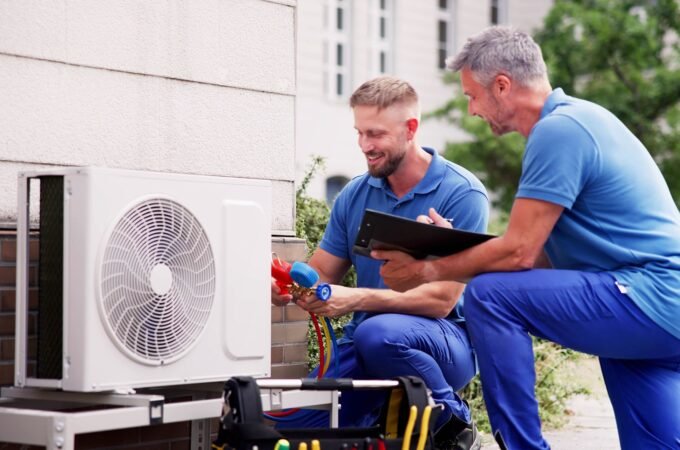
- Clean Outdoor Coils: For heat pumps and air conditioners, ensure the outdoor unit’s coils are free of dirt, leaves, and debris. Maintain a 12-inch minimum clearance around the unit for unrestricted airflow.
- Check Condensate Drains: During cooling season, ensure water is trickling from the indoor unit’s condensate drain, indicating it’s not clogged.
- Inspect Solar Panels for Debris: Periodically check your solar panels for accumulated leaves, dirt, or snow that could reduce their efficiency. While many systems are self-cleaning, a gentle rinse might be needed.
- Test Backup Generator: If you have a home generator, follow the manufacturer’s recommendations for regular testing to ensure it will start and operate correctly during an outage.
- Seal Air Leaks: Annually inspect weatherstripping around windows and doors, and caulk any new cracks or gaps you find in your home’s exterior.
- Clean Registers and Radiators: Ensure all heating and cooling vents are clear of obstructions like furniture, drapes, or carpeting to allow for proper airflow.
- Bleed Hot-Water Radiators: For homes with hot-water radiators, release trapped air once or twice a season to improve heating efficiency. If unsure, consult a professional.
Finding and Vetting Qualified Professionals
While some maintenance tasks are homeowner-friendly, many aspects of home energy systems require the expertise of qualified professionals. This is especially true for installations, major repairs, and complex diagnostics.
- Importance of Certification: For solar installations, the North American Board of Certified Energy Practitioners (NABCEP) offers the industry standard certification. This ensures installers have demonstrated competency and adhere to best practices. For HVAC home energy systems, look for technicians certified by organizations like NATE (North American Technician Excellence).
- Qualified HVAC Technicians: When seeking services for your heating and cooling systems, ensure the technicians are experienced with your specific equipment, whether it’s a furnace, boiler, or heat pump. A reputable HVAC contractor will have certified technicians on staff.
- Verifying Licensure: Always ask for proof of licensure before hiring any professional for electrical, HVAC, or solar work. Check with your state’s electrical board or local building department to confirm their licenses are current and valid.
- Checking References: Ask for references from previous customers in your area. Online reviews and testimonials can also provide valuable insights into a company’s reliability and quality of work.
- Obtain Multiple Bids: For significant projects like a new HVAC installation or solar system, obtain at least three bids. Ensure each bid is based on the same specifications and metrics to allow for a fair comparison. Ask detailed questions about warranties, maintenance plans, and familiarity with local permitting processes.
By partnering with vetted and qualified professionals, we can ensure our home energy systems are installed, maintained, and repaired safely and effectively, guaranteeing optimal performance and extending their lifespan. For reliable HVAC home energy systems service and maintenance, consider scheduling a service with trusted local experts.
Conclusion: Investing in a Smarter, More Efficient Future
The journey toward an energy-efficient home is a continuous one, but the rewards are substantial. By adopting an integrated, whole-house systems approach, we move beyond isolated upgrades to create a truly synergistic and high-performing living environment. This means understanding how your HVAC, electrical, and renewable energy components interact, optimizing your building envelope, and leveraging smart technologies for active management.
Investing in these upgrades and maintaining your systems diligently translates into significant long-term cost savings on utility bills, a reduced environmental impact through lower carbon emissions, and increased home value. More importantly, it provides energy security and independence, offering peace of mind against rising energy costs and potential power outages. By making informed choices and partnering with qualified professionals, we can build a smarter, more comfortable, and sustainable future for our homes and our planet.