Differences between minor and major roof repair
Roof repairs break down into two separate categories determined by how much work they involve, complexity levels, and whether they touch structural parts. Minor repairs fix surface damage without getting into what’s underneath. Major repairs dig into structural components, replace extensive materials, or handle systemic problems across big roof sections. Knowing this split helps property owners set realistic budgets and timelines. Roof Repair Cape Town evaluate damage severity to figure out whether jobs count as minor patches or major reconstruction needing permits and engineering review.
Scope and coverage
- Minor repairs hit isolated spots covering just a few square feet. Several broken shingles, one cracked flashing piece, or a single busted vent collar count as minor jobs. Work involves reaching specific problem areas, pulling out damaged parts, and dropping in replacements. Everything stays confined without spreading to other roof sections.
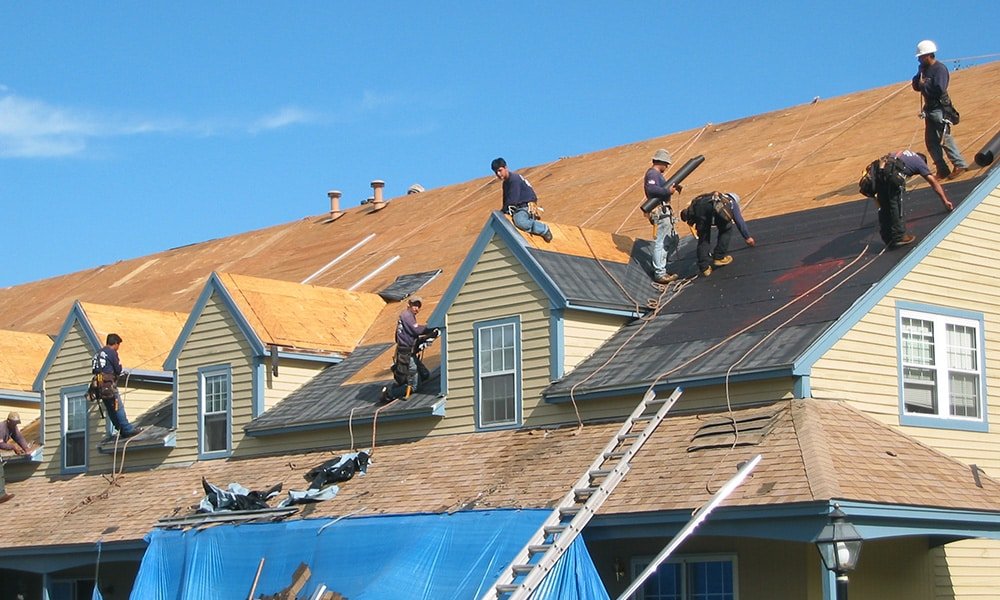
- Major repairs blanket substantial roof portions or tackle multiple damaged zones needing coordinated attention. Whole roof planes get material replacement. Valleys spanning several sections need rebuilding. Flashing systems wrapping the roof perimeter require complete renewal. Major work coordinates repair across connected areas since fixing one spot alone wouldn’t solve whatever caused damage, popping up everywhere at once.
Structural component involvement
Minor repairs typically include:
- Shingle replacement affecting only the weather barrier layers
- Flashing repairs around vents, chimneys, or skylights
- Sealant application to joints and seams
- Small patches addressing localized material failure
- Surface coating applications for waterproofing
Minor work assumes decking, rafters, and trusses underneath still work fine, and only weatherproofing layers need fixing.
Major repairs commonly involve:
- Decking replacement where plywood or boards rotted from water sitting too long
- Rafter reinforcement or complete replacement to fix structural cracks or sag
- Truss repairs addressing connections that pulled apart from wind or load stress
- Sheathing installation over gaps where the original materials deteriorated entirely
- Ridge board replacement when structural support members failed
Structural work demands carpentry knowledge beyond standard roofing skills. Building codes control structural changes, frequently requiring permits and inspections that surface work skips completely.
Time and labor
Minor repair characteristics:
- Completion within hours or one workday typically
- Limited crew needs, often one or two workers
- Basic equipment requirements like ladders and hand tools
- Minimal material staging or delivery coordination
- Homeowners sometimes handle repairs themselves
Minor jobs patch problem spots, clean up debris, and the crew moves on. Limited scope keeps labor modest.
Major repair characteristics:
- Duration stretching days or weeks based on roof size and damage
- Full crews needed for coordinated work phases
- Scaffolding or lift equipment for safe access
- Material deliveries staged for different construction phases
- Weather delays extend timelines when roofs sit partially exposed
- Inspector coordination for structural component approval
Major projects tear off large sections, expose and fix structures, lay new underlayment, and replace finish materials in sequences that can’t be rushed.
Cost considerations
- Minor repair costs land in the hundreds rather than thousands. Material quantities stay small. Labor hours remain limited. Equipment needs involve basic tools that contractors already own. Parts come from regular supplier stock without delays. Property owners cover minor repairs from emergency savings without needing loans.
- Major repair expenses climb into thousands or tens of thousands, depending on roof dimensions and how extensive the damage is. Material costs multiply across big replacement areas. Labor charges build through extended work periods. Equipment rental for scaffolding, lifts, or dumpsters adds expense. Permit fees and inspection costs hit structural jobs. Major repairs frequently require financing or insurance claims to cover amounts exceeding normal household reserves.
Accurate damage evaluation determines which category fits, guaranteeing proper planning, matching real repair needs instead of guesses based on whatever you spot from the driveway.


Lynn Place is Vice President of Marketing for SolvChem Custom Packaging Division. She has 30 years of professional experience in the manufacturing industry and specializes in consumer packaged goods, new product development and strategic planning.